When you think of Britain, the first thing that often comes to mind is a steaming cup of tea. Whether it’s the iconic image of the Queen holding a cup or the classic “tea time,” the Brits’ love for this beverage is legendary.
But how far are they willing to go for that perfect cuppa? Let’s take a deep dive into some of the most outrageous things the British have done in pursuit of a cup of tea. Get ready for a fascinating journey!
Setting a Guinness World Record for Tea Dunking

In 2016, Simon Berry, a man determined to drink tea in the most extreme way possible, decided that a regular tea break just wouldn’t suffice. He set out to make history by combining his love for tea with the thrill of bungee jumping.
Berry jumped off a platform 73 meters (240 feet) high, while carefully holding a cup of tea and a biscuit. His goal? To dunk the biscuit into his tea while plummeting toward the ground, setting a Guinness World Record for the highest bungee dunk. Talk about mixing adrenaline with a tea break!
The Birth of Afternoon Tea
The tradition of afternoon tea has been a staple of British culture since the early 1800s. But did you know it all started because of hunger?
In 1840, Anna, the Duchess of Bedford, found herself starving between lunch and dinner and requested a light snack of tea and bread with butter.
She enjoyed it so much that she made it a regular part of her day. Soon, it became a social event, and the upper class in Britain followed suit, turning afternoon tea into a formal affair that’s still celebrated today.
Creating Iced Tea for the Heat
Tea, a beverage long associated with comfort and warmth, was reimagined in the summer of 1904. At the World’s Fair in St. Louis, British entrepreneur Richard Blechynden found that serving hot tea on a scorching summer day wasn’t exactly appealing.
To cool off visitors, he innovated by serving iced tea, which quickly became a hit. This refreshing version of tea not only saved the day but also sparked a global craze that continues to thrive during summer months.
The Tea Smuggling Crisis
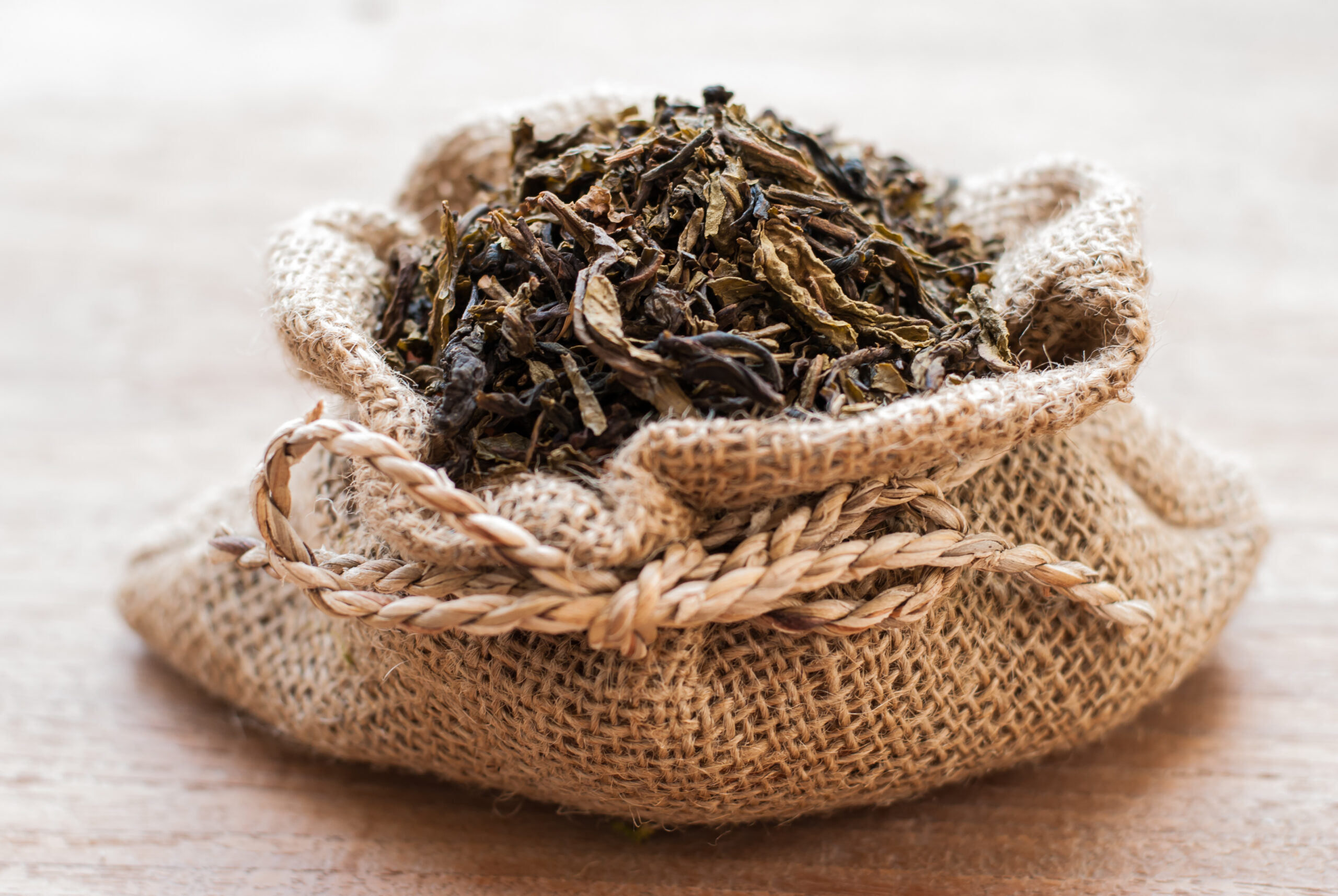
When tea became increasingly popular in England during the 18th century, the British government saw an opportunity to profit by taxing it. However, the taxes were so high that people turned to smuggling, and soon a black market for tea emerged.
The East India Company, the monopoly supplier of tea, struggled with workers leaving for illegal trade, and even their own ship captains were smuggling tea.
Smugglers hid tea among other goods, and sometimes the leaves were mixed with poisonous ones. Tea became so coveted that people risked their lives to obtain it.
A Tea Break in the Midst of Intimate Moments
Imagine this: you’re in the middle of a romantic encounter, and suddenly, someone suggests taking a tea break. Andrew G. Marshall, a British marital therapist, proposes that couples take a tea break during intimate moments.
According to Marshall, this not only deepens emotional connection but also prolongs desire. While this idea might seem unconventional, it highlights just how deeply tea is woven into the fabric of British life, even in moments of intimacy!
Drinking Tea Instead of Whiskey on Film Sets
When British actors take the stage, they may be sipping something much different from what they expected. To avoid on-screen drunkenness, some filmmakers replace whiskey with watered-down tea.
The same trick is often applied to beer, swapping it for iced tea. While this practice isn’t exclusive to British actors, it certainly reflects the quintessential British love for tea, even on set.
Challenging Gender Norms Through Tea

The introduction of tea to Britain was originally restricted to men’s coffeehouses, while women had little access to the drink. But the Twining family challenged these gender norms in 1717 by opening the Golden Lyon, where women were invited to drink tea freely.
Tea’s popularity grew, and with it came a change in societal attitudes toward women’s rights and social freedoms. A cup of tea, it turns out, played a surprising role in advancing gender equality.
The Infamous Boston Tea Party
In 1773, the British were rocked by one of the most famous tea-related events in history, the Boston Tea Party. American colonists, frustrated by the British tea tax, boarded British ships and dumped 340 chests of tea into Boston Harbor.
The British were furious, and in retaliation, they passed the Coercive Acts of 1774, which closed Boston Harbor until the costs of the destroyed tea were repaid.
This event became a significant turning point in the American Revolution, highlighting just how far the British would go to protect their precious tea.
Poisoned Tea From Smuggling
As tea smuggling grew rampant in the late 1700s, some smugglers resorted to dangerous methods to increase their profits. They mixed poisonous leaves into their tea to sell more.
At the time, people were unaware of the risks, and many fell ill or even died from consuming the tainted tea. This dark chapter in tea history underscores the lengths to which people would go for a cup of tea, even at the cost of their health.
Tea and the Industrial Revolution

The Industrial Revolution of the 18th century, which brought sweeping changes to Britain, was in part fueled by tea. While the revolution was driven by technological advances, tea also played a significant role in workers’ health.
Tea consumption led to boiling water, which helped reduce the spread of waterborne diseases like cholera, and the caffeine in tea kept workers alert and productive. Tea was not just a drink; it was a catalyst for industrial growth.
Conclusion
These extraordinary tales reveal that the British devotion to tea transcends mere tradition; it’s a symbol of resilience, innovation, and social change.
From bungee-dunking biscuits to fueling revolutions and challenging societal norms, the pursuit of the perfect cup has shaped history and culture in unexpected ways.
Whether enjoyed in times of peace or amidst the most unusual circumstances, a simple cup of tea continues to unite, comfort, and inspire generations across Britain and beyond.