Growing herbs sounds simple until your basil starts sulking, your mint takes over like it pays rent, and your rosemary looks offended by the amount of water you gave it. Many beginners assume all herbs are friendly little green roommates that can share the same pot, soil, sunlight, and watering schedule. Sadly, herbs have personalities, and some of them are dramatic.
The good news is that herb gardening becomes much easier when you group plants with similar needs. The right pairings help you save space, reduce daily care mistakes, and grow fuller, healthier plants. The wrong pairings can create a messy container where one herb thrives, and the other slowly gives up on life. These five herb-growing mistakes show which herbs belong together and how to avoid turning your kitchen garden into a tiny green disaster.
Planting Dry-Loving Herbs With Thirsty Herbs
One of the fastest ways to ruin an herb garden is to mix herbs that love dry soil with those that want steady moisture. Rosemary, sage, lavender, thyme, and oregano prefer sunny spots, sharp drainage, and soil that does not stay soggy. These herbs come from environments where they are used to warmth, airflow, and a little neglect, which is great news for busy gardeners.
The mistake happens when people plant them beside basil, parsley, cilantro, or mint, then water the whole pot heavily. The thirsty herbs may enjoy it, but the dry-loving herbs can suffer from wet roots and weak growth. Rosemary and lavender especially hate sitting in damp soil for too long. If you want a low-maintenance herb container, group rosemary, sage, lavender, thyme, and oregano together. Give them full sun, avoid overwatering, and let the soil dry slightly before you water again.
Letting Mint Bully Everything Around It
Mint may smell sweet, but do not let the innocent leaves fool you. This herb spreads quickly and can take over a garden bed faster than you expected. Many gardeners plant mint beside basil, cilantro, parsley, or chives, then wonder why the mint suddenly looks like the landlord and every other herb looks like a tired tenant.
Mint grows best when it has moisture, sunlight, and room to move. That makes it useful, but also a little dangerous in mixed beds. If you want to grow mint with herbs such as basil or cilantro, place it in its own container. You can still keep the pots near each other, especially if you want an easy kitchen herb corner, but do not give mint open access to the same soil. This simple move keeps your herb garden neat and saves your other plants from being crowded out.
Ignoring the Perfect Pizza Herb Group

Some herbs are natural kitchen partners, and it is a mistake to grow them randomly when they can support the same cooking routine. Basil, oregano, thyme, parsley, and chives make a strong everyday herb group because they work beautifully in pasta, pizza, chicken, soups, sauces, salads, and roasted vegetables. They also make your garden feel instantly useful, which is important if you like growing things you can actually eat.
This group still needs a little attention, as basil and parsley usually prefer more moisture than oregano and thyme. The trick is to use a roomy container or a garden bed with well-draining soil, then water carefully rather than drowning everything. Place basil and parsley where they can get steady moisture, and keep oregano and thyme in the sunnier, drier part of the setup. Chives are flexible and can fit nicely into the mix. When grown thoughtfully, this combination gives you a ready-made seasoning station right outside your door.
Forgetting That Tea Herbs Need Their Own Space
Chamomile, lemon balm, and mint are excellent herbs for anyone who loves calming teas, fragrant leaves, and a garden that feels a little softer. They can be dried and stored for later use, making them especially useful beyond a single growing season. The mistake is assuming these gentle-looking plants will behave gently in the soil.
Lemon balm and mint can both spread with confidence, and that confidence can quickly become chaos. Chamomile is much more relaxed, so it can get overwhelmed if the stronger growers are allowed to crowd it. A smart setup is to grow each one in its own pot, then group the pots together in the same sunny or partly sunny area. This gives you the beauty of a tea garden without the headache of roots fighting underground. It also makes harvesting easier because you can snip leaves and flowers without digging through a jungle.
Treating Every Herb Like It Needs the Same Fertilizer
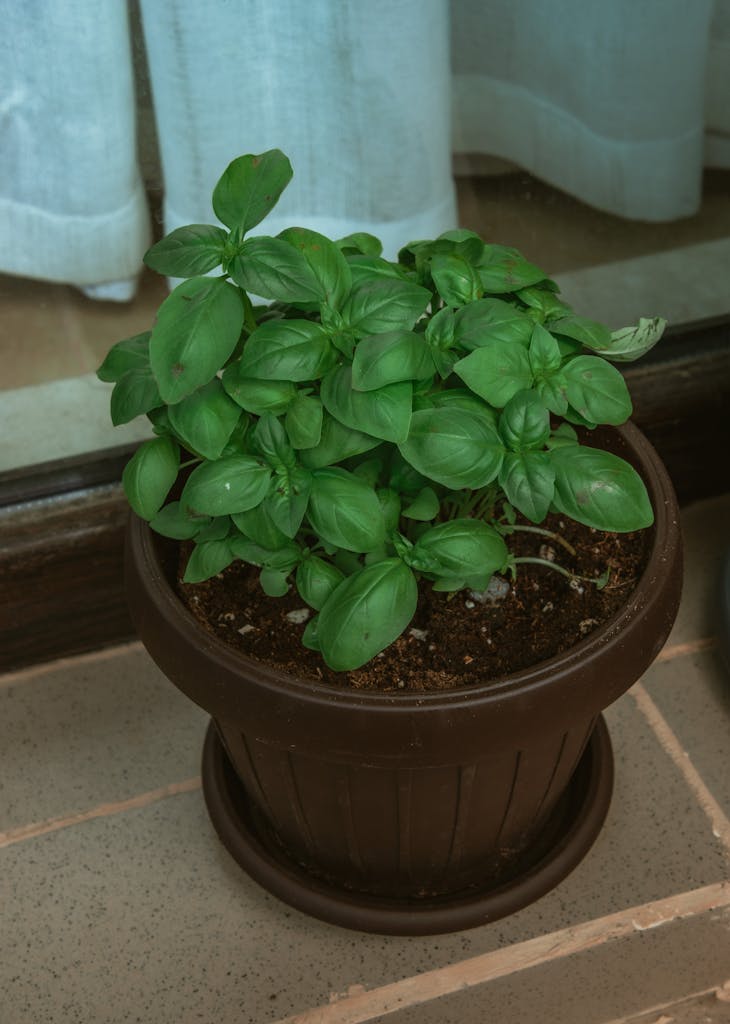
Fertilizer can help some herbs grow fuller, but too much feeding can make others weak, floppy, or less flavorful. Basil, parsley, and chives often respond well to balanced feeding during the growing season because they produce tender leaves that gardeners often harvest. These herbs can use the extra support, especially in containers where nutrients wash out faster.
On the other hand, rosemary, sage, thyme, oregano, and lavender usually do better with leaner soil and less fuss. Feeding them too much can push soft growth instead of strong, aromatic leaves. This is where many beginners accidentally overprotect their herbs. They water too often, fertilize too much, and then wonder why the plants look tired. The best approach is to group herbs by care style. Keep leafy, moisture-loving herbs together, and keep woody, drought-tolerant herbs together. Your garden will be easier to manage, and your herbs will taste better.
Conclusion
Herbs are easy to grow, but not all are easy in the same way. Some want dry soil, some want steady moisture, some spread like gossip, and some prefer to be left alone like a tired adult after a long day. When you group herbs by sunlight, watering needs, soil preference, and growth habit, your garden becomes healthier and far less frustrating.
The best herb garden is not always the biggest one. It is the one that makes sense. Rosemary, sage, lavender, thyme, and oregano belong in a group that prefers a sunny, drier spot. Basil, parsley, chives, and cilantro need more regular care. Mint, lemon balm, and other spreaders are better controlled in containers. Once you understand these simple pairings, you can grow herbs that look better, taste stronger, and actually survive long enough to make dinner more exciting.