When it comes to home cleanliness, we often think of the toilet as the ultimate source of germs and bacteria. But here’s a startling revelation: your house is filled with everyday items that might be much filthier than your toilet seat.
From the kitchen sponge you rely on to the remote control you grab countless times, germs are lurking in places you’d least expect. This article dives deeper into the 14 household items you should clean more frequently and thoroughly to keep your living space as germ-free as possible.
Prepare to rethink your cleaning habits and make sure you don’t miss anything important.
Kitchen Sponge
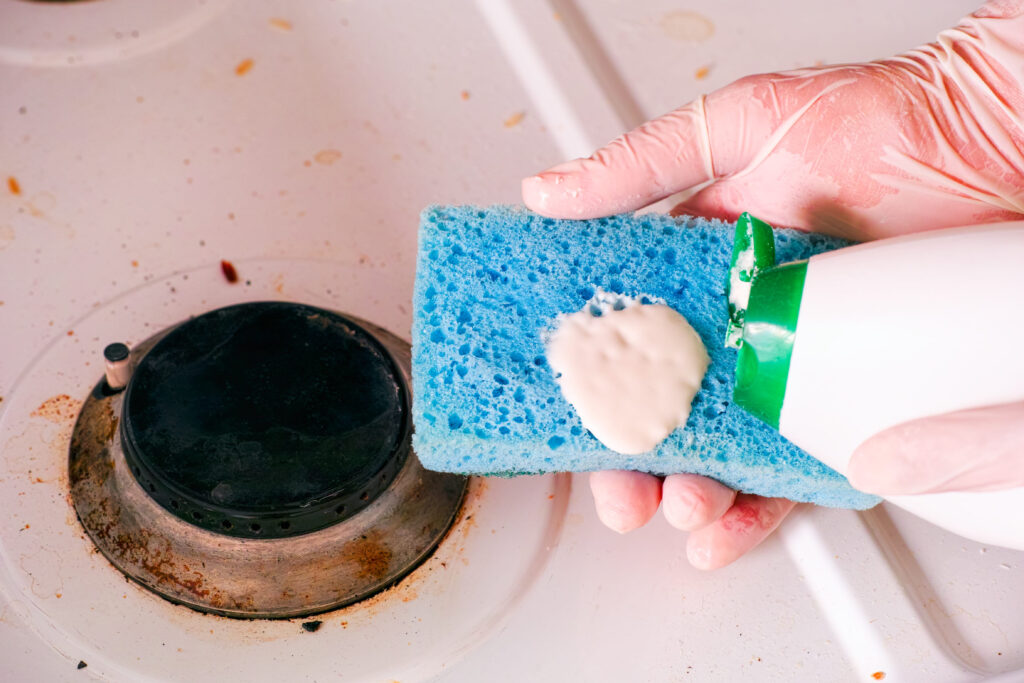
Your kitchen sponge is ironically one of the dirtiest items in your house, and here’s why. While sponges are essential for cleaning dishes, they’re actually breeding grounds for bacteria. A study published in Scientific Reports found that sponges can host a variety of harmful pathogens, including Salmonella, E. coli, and fecal bacteria.
Because of their porous structure, these germs can survive and multiply even after you rinse the sponge. The issue is compounded by the fact that you use the sponge to clean your plates, which means bacteria are constantly transferred back and forth between the sponge and your plates.
To ensure cleanliness, consider replacing your sponge weekly. While it might seem wasteful, the alternative is far worse: washing your dishes with a germ-ridden sponge. Additionally, avoid using the sponge for tasks other than washing dishes, like wiping counters, to prevent contamination.
Light Switches
Light switches, often one of the most overlooked items when it comes to cleanliness, are touched multiple times a day by everyone in your household.
Research shows that light switches are covered with bacteria due to constant contact with dirty hands. It’s easy to forget about light switches during cleaning routines, yet they harbor germs and can contribute to the spread of bacteria across the home. After all, they’re touched before meals, after using the bathroom, and when you enter or exit a room, making them high-traffic surfaces.
To keep light switches germ-free, add them to your regular cleaning schedule. Wipe them down with antibacterial wipes or a disinfectant spray every few days, especially in high-use areas like the kitchen, bathroom, or bedrooms.
Remote Controls
Your TV remote control might seem like an innocent item in your home, but it’s actually teeming with more bacteria than your toilet seat. Studies have found that the average remote control is 20 times dirtier than a toilet seat, thanks to the multitude of hands that touch it daily.
According to a study published in The Journal of Applied Microbiology, researchers found up to 290 colony-forming units (CFU) per square centimeter on remote controls, compared to just 12.4 CFU per square centimeter on toilet seats. With so many people handling the remote, it becomes a perfect habitat for germs like mold, yeast, and bacteria.
To minimize the spread of bacteria, disinfect your remote regularly. A quick wipe with disinfecting wipes or a microfiber cloth soaked in a gentle cleaning solution will help remove any germs and keep your remote clean and safe for use.
Fridge Handle
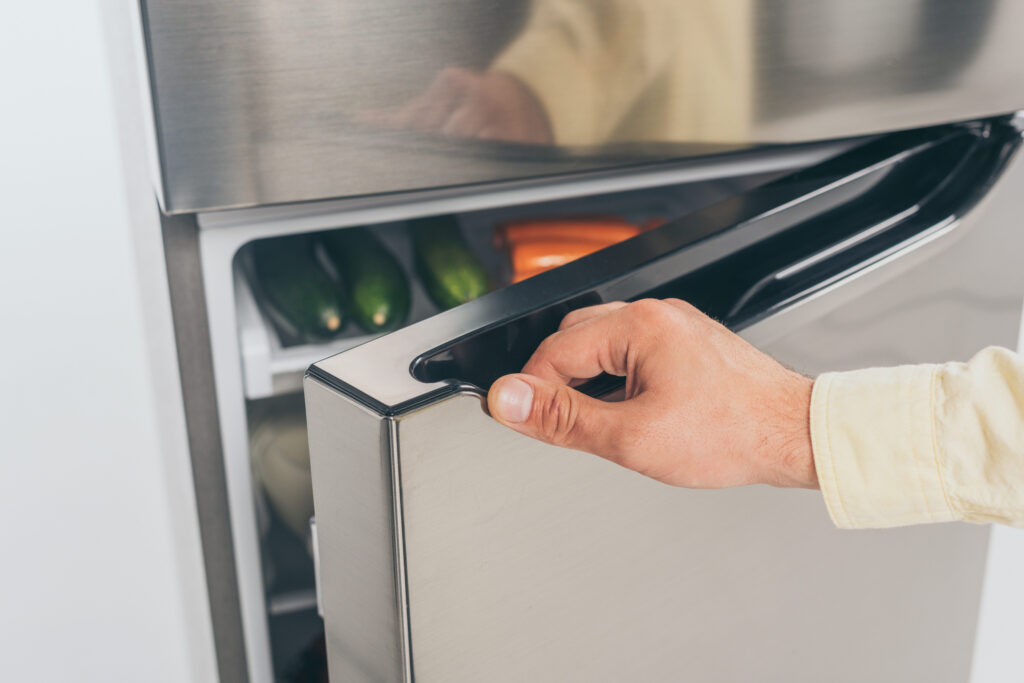
While we all focus on cleaning the food in our fridges, the handles are often ignored—but they’re among the most germ-laden areas of the kitchen. A study by the University of Virginia found that 40% of fridge handles tested positive for rhinovirus, the virus that causes the common cold.
Each time you grab the handle, you’re introducing germs into the area. It’s especially important to clean the fridge handle regularly since it’s often touched by dirty hands or after handling raw food.
To prevent the spread of germs, make a habit of disinfecting the fridge handle every couple of days. This simple step can help prevent illness and keep your kitchen cleaner overall.
Toothbrush
Toothbrushes are something we use every day, yet they are one of the dirtiest items in the bathroom. The problem lies in the proximity of your toothbrush to the toilet.
Every time you flush, microscopic particles from the toilet bowl are released into the air and land on nearby objects, including your toothbrush. In fact, studies have shown that toothbrushes can carry millions of bacteria, including fecal matter, which can end up in your mouth while brushing.
To keep your toothbrush clean, rinse it thoroughly with water after each use and allow it to air dry. Avoid covering it with a cap or storing it in a moist environment, as this creates a perfect breeding ground for bacteria. Replace your toothbrush every 3-4 months, and don’t share it with anyone.
Doorknobs
Doorknobs in your home are frequently touched, but often don’t make it onto the cleaning list. A study by the University of Arizona found that viruses placed on doorknobs spread to 60% of people within just a few hours, showing just how easily germs can travel through your home. Doorknobs come into constant contact with hands that carry bacteria from the outside or other areas of the house.
Regularly cleaning doorknobs is essential, especially in high-traffic areas like the front door, bathroom, and kitchen. A simple swipe with a disinfectant wipe is enough to keep doorknobs clean and germ-free.
Kitchen Sink
You might assume your kitchen sink is one of the cleaner places in your home, since it’s where you wash dishes and food, but studies show it’s often a breeding ground for bacteria.
In fact, a 2011 NSF study found that the kitchen sink contained more germs than almost any other surface in the home, including the kitchen sponge. Coliform bacteria, which are often linked to fecal contamination, were found in 45% of kitchen sinks. This bacterium is found in raw meat, unwashed produce, and improper hand hygiene.
To clean your sink effectively, wash it with hot, soapy water, then disinfect it with a bleach solution. Doing this regularly will help keep harmful bacteria at bay.
Countertops
Like kitchen sinks, countertops are constantly exposed to germs, especially after handling raw meat or cutting vegetables.
The NSF study found that 32% of countertops were contaminated with coliform bacteria. This highlights the importance of cleaning and disinfecting your countertops, especially after food preparation, to prevent bacteria from spreading.
To keep your countertops clean, use an antibacterial cleaner or a vinegar-and-water mixture. Clean immediately after food prep, especially if raw meat was involved.
Washing Machines
Your washing machine may seem to be cleaning your clothes, but it can also harbor germs. Bacteria can thrive in the detergent drawer and rubber seals of your washing machine, and over time, this can spread to your clothes.
Research has shown that washing machines can become breeding grounds for harmful bacteria, especially when you wash in cold water or leave clothes in the machine for too long.
To keep your washing machine clean, run an empty cycle with bleach or a washing machine cleaner at least once a month. This will help kill bacteria and keep your clothes fresh.
Pet Bowls
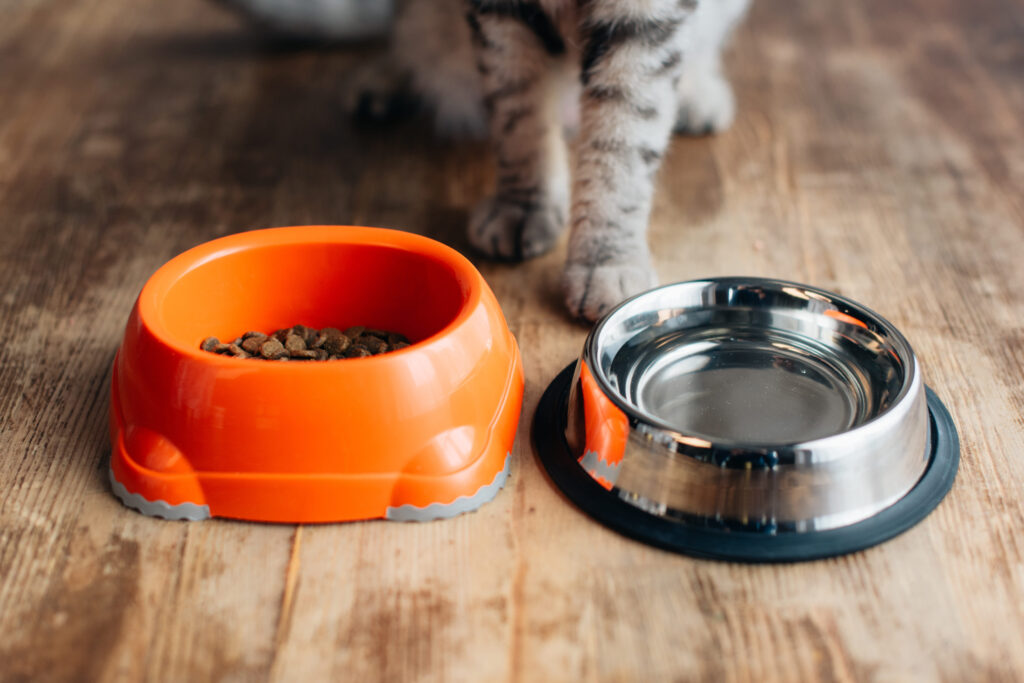
Pet bowls, though constantly exposed to food and water, often get overlooked in the cleaning routine. Studies have shown that pet bowls can harbor significant levels of bacteria, including coliforms and mold. This happens because saliva, food particles, and moisture accumulate in the bowls, creating an ideal environment for germs to grow.
To keep your pet’s bowl germ-free, wash it thoroughly after each use. Consider sanitizing it weekly to prevent bacterial buildup.
Carpets
Your carpet may look plush and clean, but it’s often a hidden source of bacteria and allergens. Microbiologists estimate that carpets can harbor up to 200,000 bacteria per square inch, making them 4,000 times dirtier than a toilet seat. Dust, dirt, pet dander, and organic matter get trapped in the fibers, creating an environment where bacteria thrive.
To reduce bacteria on your carpets, vacuum regularly and have them professionally cleaned at least once a year. You can also use a steam cleaner to kill germs and remove embedded dirt.
Pillowcases
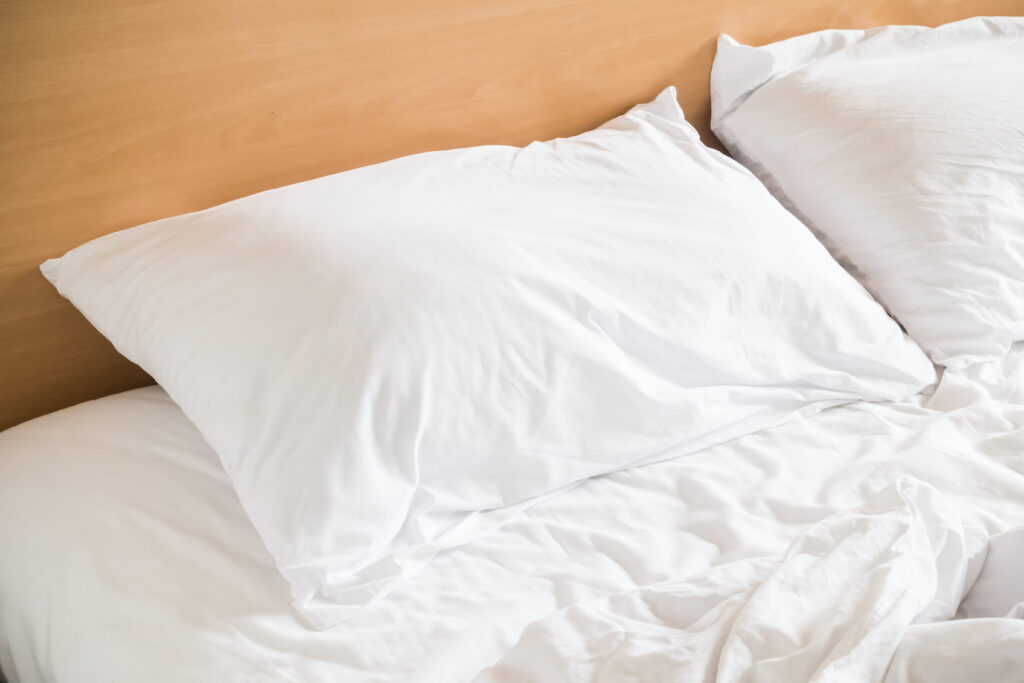
Your pillowcase might be one of the most germ-infested places in your home. After just one week of use, pillowcases can harbor millions of bacteria, including sweat, facial oils, and dead skin cells. Research has shown that pillowcases can contain 17,000 times more bacteria than a toilet seat.
To prevent breakouts, allergies, and other skin issues, wash your pillowcase at least once a week. This will help reduce bacteria and keep your skin healthy.