Indoor allergens are often underestimated when considering the causes of allergic reactions. Many people are aware of outdoor allergens like pollen and mold, but indoor allergens can be just as troublesome.
From hidden mold in your basement to the fragrances in cleaning products, a wide range of substances can trigger sneezing, skin irritation, or respiratory problems. Understanding these common indoor allergens and how to address them can significantly improve your health and comfort at home.
Cockroach Droppings

While cockroaches themselves are often considered a nuisance, their saliva, feces, and body parts can be a major source of allergens.
Cockroach allergens are particularly harmful when they become airborne, triggering respiratory symptoms such as coughing, wheezing, or nasal congestion. People with asthma or pre-existing respiratory conditions may experience more severe symptoms when exposed to these allergens.
In addition to their physical presence, cockroach droppings can be found in places like kitchens and bathrooms, where food crumbs may attract them. If you’re allergic to cockroaches, it’s important to prevent infestations and limit exposure.
Mold
Mold is a fungus that thrives in moist, dark environments. It often grows in areas such as bathrooms, basements, and kitchens, where humidity is high. Mold releases tiny spores into the air, and when inhaled, they can trigger allergic reactions such as sinus congestion, skin rashes, or coughing. In some cases, exposure to mold, especially black mold, can even cause serious health issues, including respiratory problems.
While mold is commonly found in homes, it can also grow on food, adding another potential source of exposure. If you suspect mold is causing symptoms in your home, it is crucial to take action immediately, as certain types can be toxic and lead to more severe health effects.
Pollen
Pollen is usually associated with outdoor allergens, but it can easily enter your home through open windows, on clothing, and even on pets.
Once inside, pollen can linger in carpets, furniture, and bedding, where it continues to trigger allergic reactions. If you have pollen allergies, you may notice symptoms such as sneezing, a runny nose, and itchy or watery eyes when spending time indoors, especially during spring and fall.
Pollen isn’t just a seasonal issue either. In some regions, it can affect the indoor air quality year-round, leading to persistent allergy symptoms.
Plastics
Plastics are a common material found in almost every household product, from food packaging to personal care items. Phthalates, chemicals used to make plastic products more flexible and durable, can be present in these items. Studies have shown that phthalates may be linked to respiratory issues, skin conditions like eczema, and other allergic reactions.
Common household items containing phthalates include cosmetics, plastic food containers, toothbrushes, and toys. While these chemicals are not inherently harmful to everyone, they can pose a risk for people with sensitivities or pre-existing conditions.
Houseplants

Houseplants can bring a touch of nature into your home, but they can also be a source of allergens. While plants themselves release pollen and spores, they can also attract mold if overwatered or poorly maintained. Additionally, some plants may secrete sap that can cause allergic reactions.
If you’re allergic to plants, you may experience symptoms such as sneezing, itchy eyes, and nasal congestion. While the beauty of indoor plants is undeniable, it’s important to be mindful of which plants you choose and how you care for them.
Herbs
Herbs like chamomile, dandelion, and ragweed belong to the same plant family and can cause allergic reactions. These herbs are commonly used in teas and to flavor foods. If you’re allergic to certain herbs, you may experience skin rashes, throat irritation, or sinus congestion when consuming them.
While herbal teas are often marketed for their health benefits, they may not be suitable for everyone, particularly those with sensitivities to specific plants.
Feathers
Feathers are a common material used in pillows, bedding, and even clothing. For individuals with feather allergies, the proteins in feathers can trigger a range of symptoms, from skin irritation to respiratory issues. Feathers are often used in down products, which are meant to make pillows and blankets fluffier and warmer.
If you’re allergic to feathers, you may notice irritation when lying on feather-filled pillows or blankets, leading to a disrupted sleep environment. Fortunately, there are alternatives to down products that can provide the same comfort without triggering allergies.
Nickel
Nickel is one of the most common metal allergens. It’s commonly found in jewelry, coins, belt buckles, and even some electronics. For people allergic to nickel, even a brief contact with an item containing the metal can result in an itchy, red rash.
In addition to physical items, nickel can be found in certain cosmetics that may come into contact with the skin. For those with nickel sensitivities, it’s important to avoid products containing nickel and opt for hypoallergenic alternatives.
Toothpaste
Sodium lauryl sulfate (SLS) is a common ingredient found in many toothpastes. For some individuals, this ingredient can cause irritation around the mouth, leading to conditions like canker sores, swollen gums, and perioral dermatitis (a rash around the mouth).
If you experience discomfort or a rash after brushing your teeth, switching to an SLS-free toothpaste may provide relief. While toothpaste-related allergies are not very common, they can still be a significant issue for those affected.
Candles and Air Fresheners
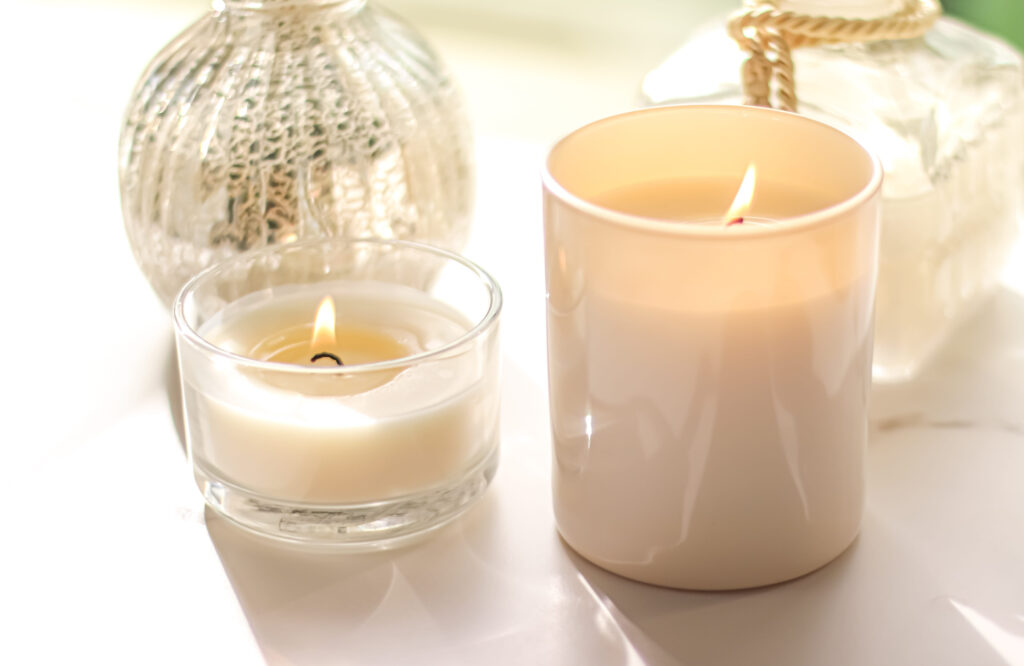
Candles and air fresheners, while designed to make your home smell pleasant, can also contain fragrances and chemicals that trigger allergic reactions.
These fragrances can irritate the respiratory system, leading to symptoms like sneezing, coughing, and headaches. In some cases, prolonged exposure can even exacerbate asthma or other pre-existing conditions.
If you’re sensitive to fragrances, you may want to switch to fragrance-free products or opt for flameless candles, which don’t release irritating chemicals into the air.
Cold Weather
Cold urticaria is a rare condition in which exposure to cold triggers hives or swelling. This condition can range from mild to severe and, in some cases, may lead to fainting or shock. Although cold urticaria is uncommon, it is important to recognize its symptoms and avoid situations where the skin may be exposed to cold.
For individuals with this condition, limiting cold exposure and wearing warm clothing is crucial to prevent reactions.
Your Clothes
Textile dermatitis is an allergic reaction to certain fabrics or materials in clothing. Synthetic fabrics like nylon, spandex, or polyester are common culprits, but even tight clothing that traps sweat can lead to irritation. This irritation can result in rashes, redness, or itching, often in areas where clothing rubs against the skin, such as the armpits or the backs of the knees.
If you experience discomfort from your clothing, consider switching to natural-fiber fabrics like cotton, linen, or wool to reduce the risk of irritation.
Cleaning Products
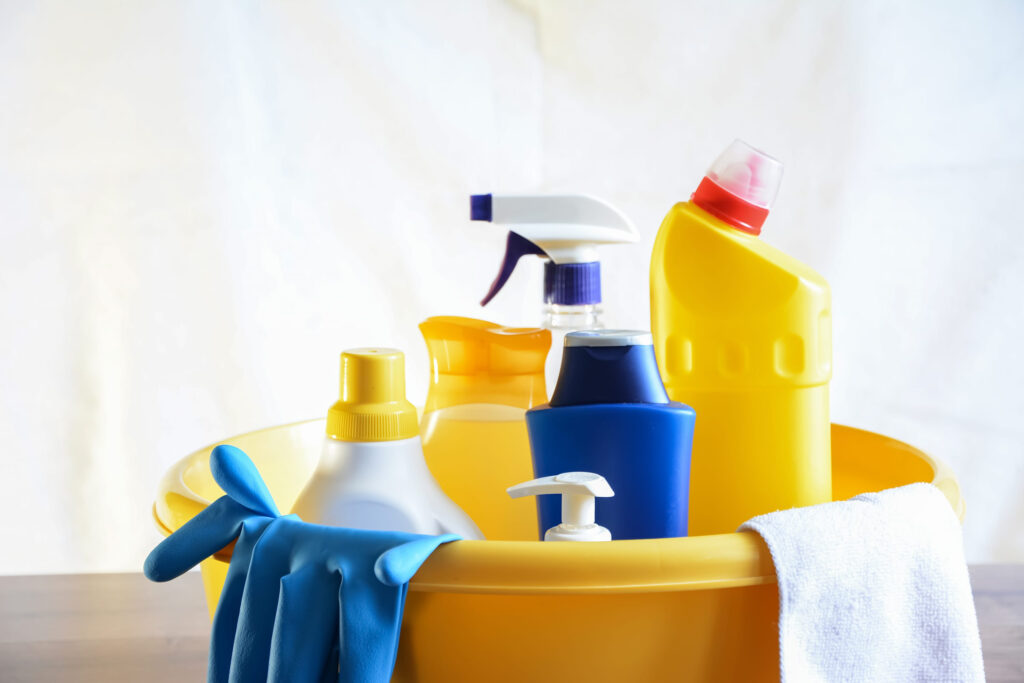
Household cleaning products are essential for maintaining a clean home, but some cleaning agents contain harsh chemicals that can trigger allergic reactions. Ammonia, bleach, and formaldehyde are common chemicals found in many cleaning products, and they can irritate the eyes, skin, and respiratory system.
If you notice that certain cleaning products cause allergic reactions, consider switching to natural alternatives such as vinegar, baking soda, or lemon juice. These options are not only gentler on your body but are also better for the environment.