Food, in its many forms, has always been an adventure for those willing to push the limits of culinary tradition. While some of us prefer the comfort of a familiar meal, others crave the excitement of trying the unusual and, at times, the downright shocking.
Around the world, cultures embrace the idea of eating live animals, some as part of an age-old tradition, others as a bold, often controversial culinary experience. Here’s a deeper dive into ten of the most shocking animals that people still eat alive, a practice that challenges the very boundaries of what’s acceptable dining.
Fish Bucket Soup
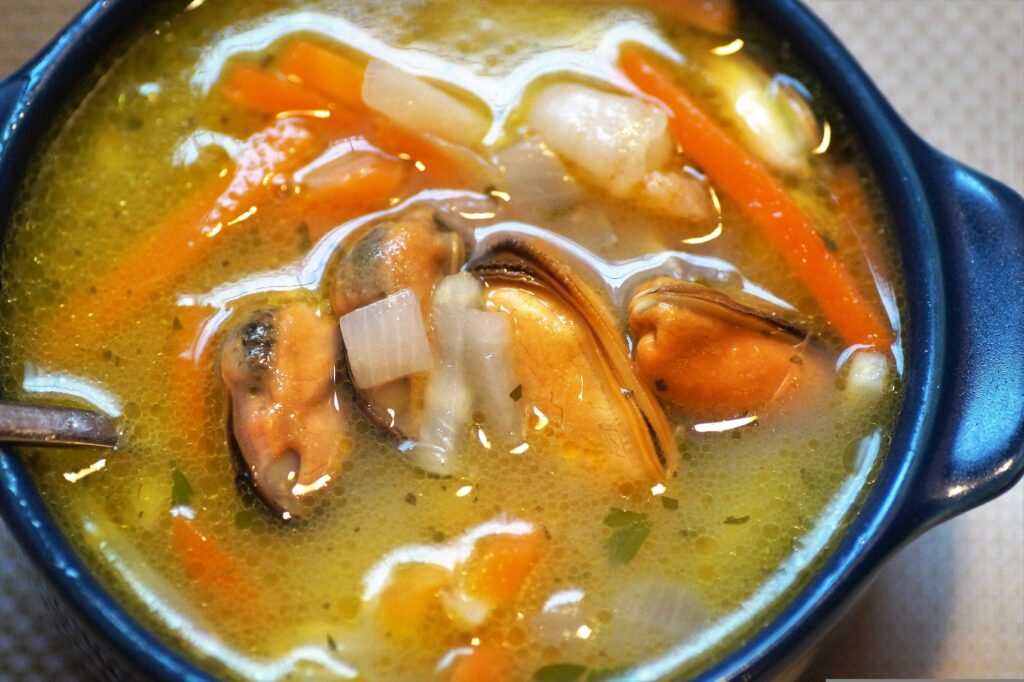
For those seeking a less controversial but still unusual dining experience, Fish Bucket Soup in southern China presents a shocking, interactive way to enjoy a meal.
The dish involves diners selecting live fish from a bucket of water and then tossing them into a hot bowl of soup, where the fish thrash around before being eaten. This live seafood experience is as much about the spectacle as it is about the taste, and it’s said to highlight the fish’s freshness.
With the fish still wriggling in the soup, the act of catching and adding them to the dish adds a level of intensity to the meal that you won’t find in any typical seafood restaurant.
San Zhi Er
In the bustling streets of Guangdong, China, a strange dish known as San Zhi Er is consumed by adventurous eaters who dare to try it. Translated as “three squeaks,” the name refers to the three distinct squeaks a baby mouse makes during the meal: one when it’s picked up, another when it’s dipped in sauce, and a final squeak as it’s bitten.
This unsettling dish involves newborn mice served live, dipped in sauce, and eaten while they’re still alive, squirming and making their tiny, involuntary sounds. Though not a common sight on most Chinese menus, it remains a peculiar treat for those seeking an extreme culinary experience. The idea behind this dish is to consume the freshest animal meat possible, straight from its lifeless body.
Macaque Monkey
In certain rural regions of Cambodia, eating macaque monkeys is not just a practice; it’s a cherished delicacy. But what makes this dish even more unsettling is the way it’s prepared. The macaque is restrained, and its skull is cut open while the animal is still alive.
The diner then consumes the still-beating brain directly from the skull. This act is considered a sign of extreme freshness and is thought to enhance the meat’s flavor, with some locals believing that the monkey’s fear intensifies the flavor. Though incredibly controversial, this dish remains a part of Cambodia’s culinary traditions, particularly in remote villages where such practices are still widely accepted.
Dancing Shrimp
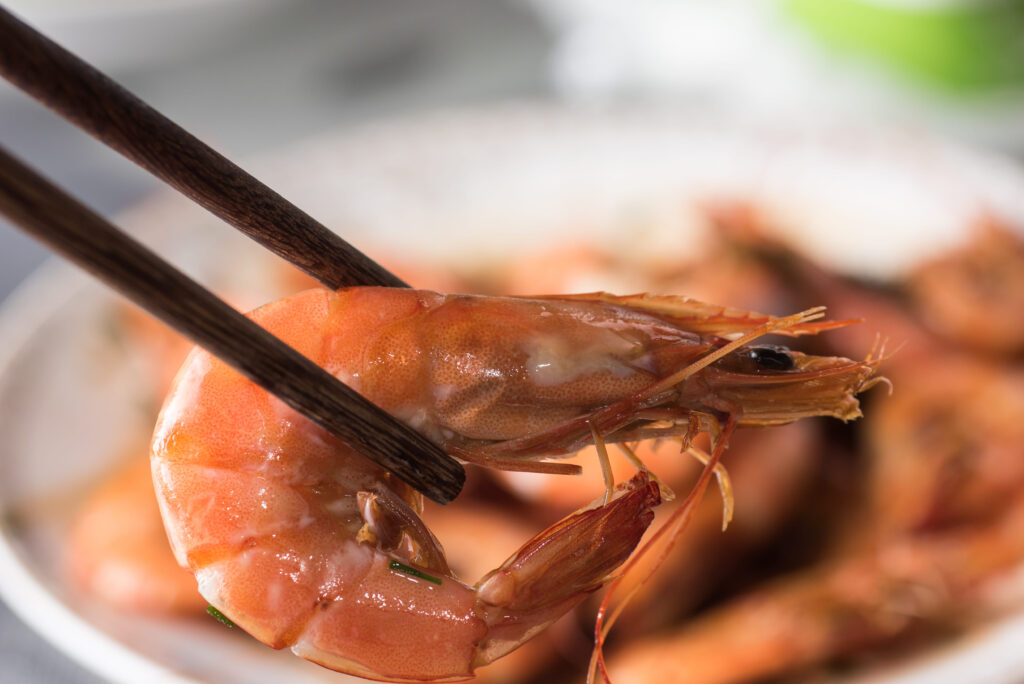
If you’re in Los Angeles, head over to the Slow Fish restaurant in the Miracle Mile district, and you may find yourself dining on dancing shrimp. This unique dish involves shrimp that are still moving when they’re served. Their legs, antennae, and bodies continue to twitch even after they’ve been prepared, stripped of their shells, but still very much alive.
While this dish is as much a performance as it is a meal, the sensation of eating these lively shrimp, feeling them move in your mouth, creates an oddly thrilling, if unsettling, experience. This kind of live seafood dish exemplifies a broader trend in East Asian culinary traditions, where fresh ingredients that still exhibit signs of life are considered a mark of quality.
Lobster Sashimi
Lobster sashimi is an unusual dish that takes the Japanese art of sashimi to the next level. Imagine a lobster so fresh it’s still writhing when placed on your plate.
In some exclusive restaurants in Houston, diners are treated to live lobster sashimi, where a lobster is sliced in half while it’s still alive, with the meat presented raw on a bed of cold stones. The idea of eating lobster in this form might seem extravagant, but live lobster offers an unparalleled freshness that many believe enhances its flavor. Served as an interactive experience, this dish is as much about the visual and emotional thrill as it is about the lobster’s taste.
Live Cockroaches
While most people would never consider eating a cockroach, there are those who turn this creepy-crawly into a bizarre competition. In Florida, participants have taken part in a cockroach-eating contest where they consume live cockroaches for the chance to win a pet python.
The idea of eating cockroaches is repulsive to many, but some brave individuals take it on as a challenge, enduring the discomfort of crunching into these unsettling creatures.
Tragically, this competition took a dark turn in 2012, when a participant choked to death after consuming a large number of roaches. Despite this, live cockroaches have become the subject of bizarre competitions and are even used as a protein source in some cultures, pushing the boundaries of what many people would consider edible.
Fruit Bat
The Mariana fruit bat, also known as the Mariana flying fox, has long been hunted for its meat on the Mariana Islands. One of the more disturbing dishes featuring this bat is ka’ka’du fanihidu fanihi, where the bat is boiled and served in a coconut milk broth.
While this dish may seem like a quirky exotic delicacy, it has a dark side. The bats consume cycad seeds, which contain toxins that, when ingested by humans, can lead to a rare and fatal disease known as ALS.
In fact, the diet of these bats has been directly linked to the high rate of ALS on the island, making the dish not only shocking but also potentially lethal. As bat populations have dwindled in recent years, the dish is becoming less common, but it remains a disturbing part of Guam’s culinary history.
Live Eels
In Japan, dining on live eels is an experience reserved for the truly daring. The eels, often baby-sized and less than an inch long, are served in a glass bowl where they continue to jump and squirm in an attempt to escape.
The diners are then encouraged to catch the eels as they wriggle out of the bowl and swallow them whole. This dish is meant to be a test of freshness and is often seen as a way to experience the ultimate in live food. The wriggling eels are believed to enhance the meal’s flavor, as their movement represents the freshest possible seafood experience.
Cobra
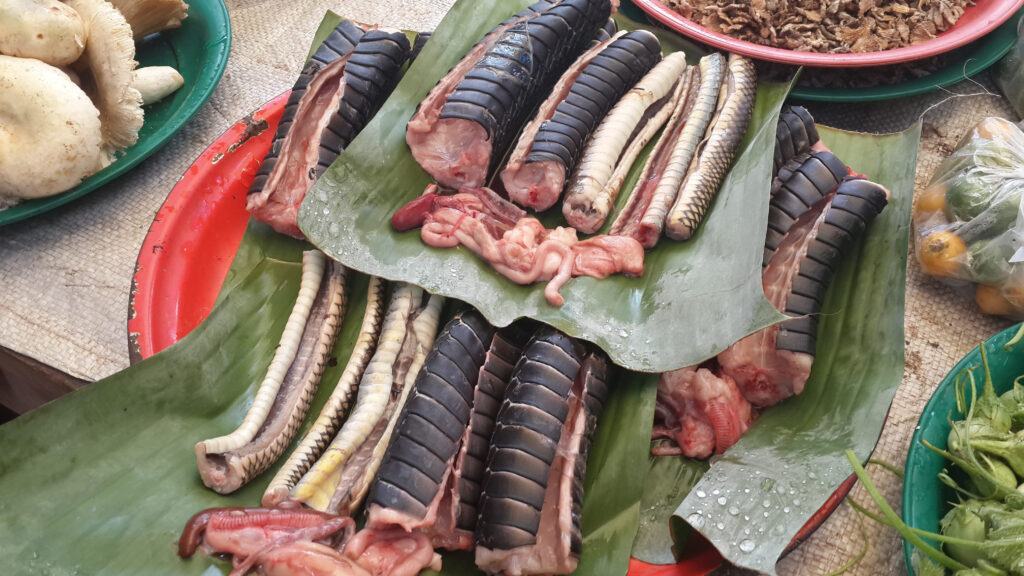
For those seeking the ultimate live-eating thrill, Vietnam offers the cobra. After selecting the snake, the chef will kill it in front of the diner, draining its blood into a glass of rice wine. The still-beating heart is then consumed directly by the diner, followed by the bitter bile from the cobra’s gallbladder.
This bizarre practice is thought to offer health benefits, with many believing the combination of cobra blood and heart boosts vitality and strength. The rest of the cobra is cooked and served in more typical dishes, such as spring rolls or soup, making the experience as much about the shock factor as it is about the taste.
Witchetty Grubs
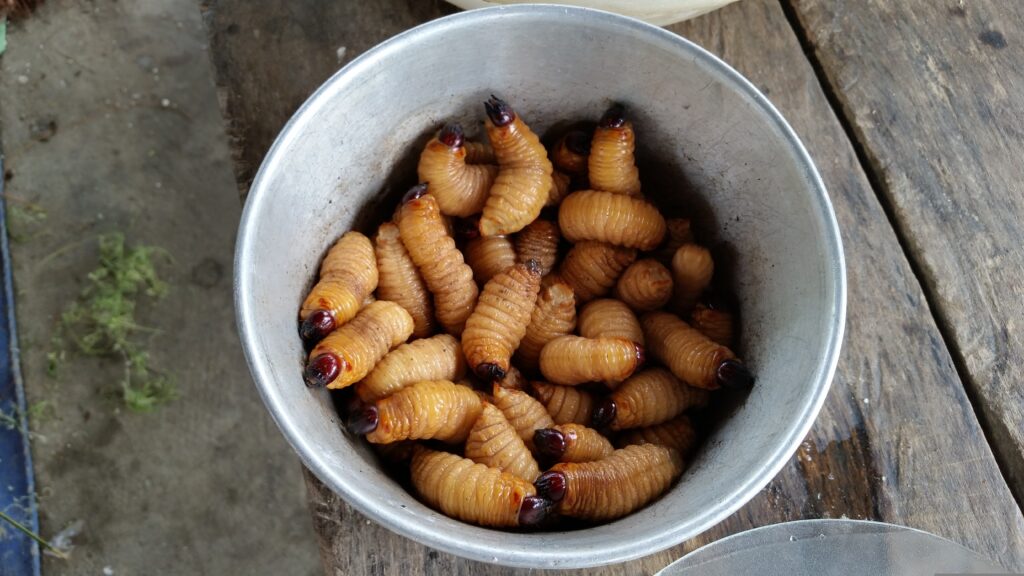
In the harsh, dry deserts of Australia, one of the most unusual and surprising live foods is the witchetty grub. These large larvae, which grow up to 12 centimeters long, are a staple food for Aboriginal Australians.
When eaten raw, the grubs have a gooey center and a subtle almond flavor. They are often eaten straight from the ground and provide vital nutrients, making them an essential part of survival in the Outback.
Though some people may choose to toast them lightly over a fire or in hot sand, eating them live remains a common practice in Aboriginal cuisine. Witchetty grubs are known for their high protein content and are a vital source of sustenance in remote areas, offering an unlikely yet nutritious food source in one of the world’s harshest environments.