We eat familiar foods so often that we mistake the version in front of us for the original. A restaurant menu, a grocery-store shortcut, or a fast-food chain can quietly rewrite culinary history until the adaptation becomes the default story. That is why so many debates about “authentic” food begin with confidence and end with confusion.
To understand these food myths, it’s important to separate the original dish from its exported version and the marketing myth that often surrounds both. By making this distinction, we can see how some foods were Americanized, others simplified, and some were never what popular culture claimed in the first place. Each case reveals a story far more interesting than the myth itself.
Classic Meat Lasagna Is Built Around Béchamel, Not Ricotta
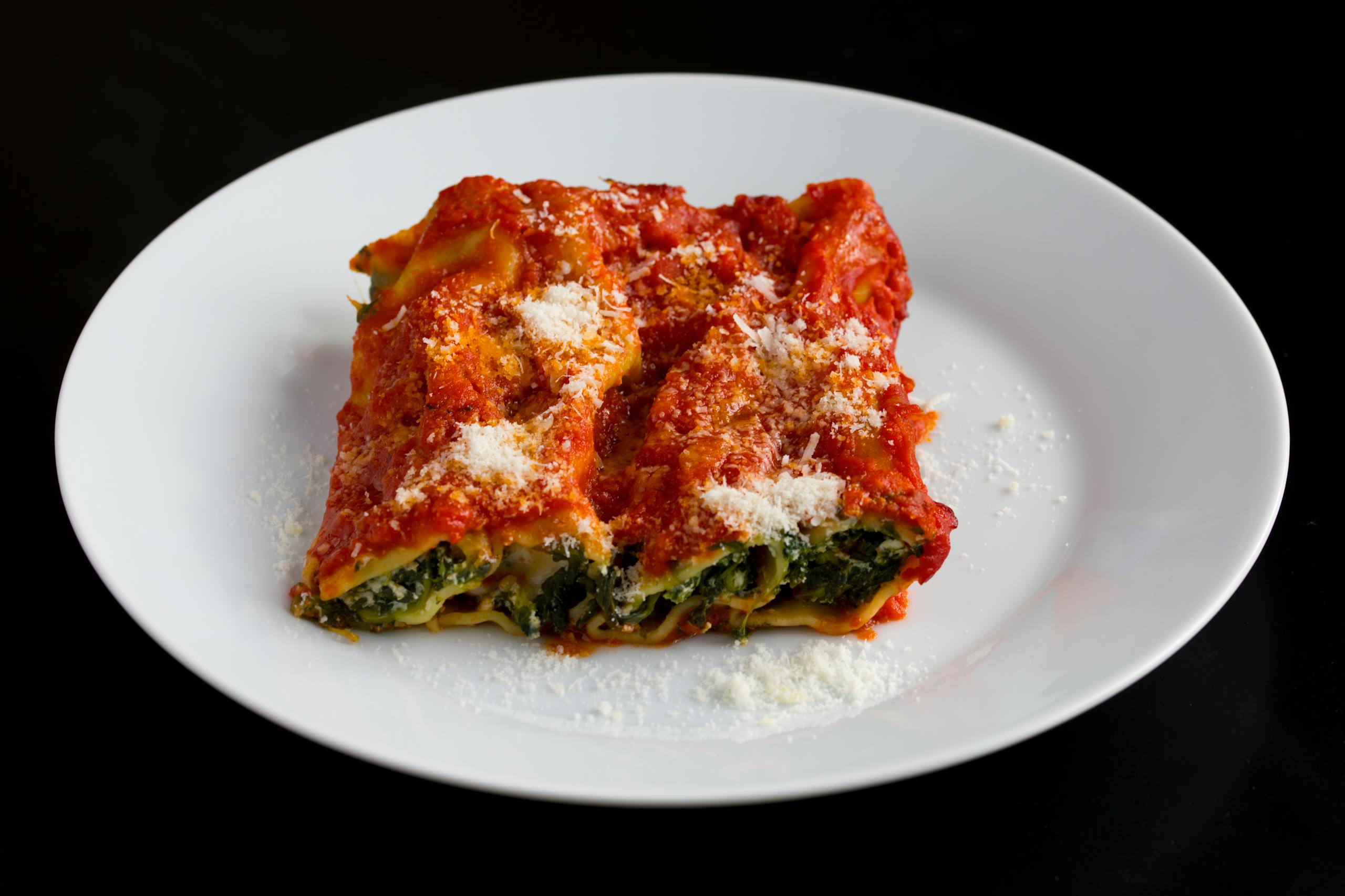
Many Americans picture lasagna with thick ricotta, mozzarella, red sauce, and pasta sheets. That popular and comforting version is entirely valid, but it differs from Lasagne alla Bolognese, in which béchamel, not ricotta, layers with ragù and pasta.
This change affects both texture and identity. Ricotta lasagna isn’t wrong, but calling it the original flattens a diverse regional tradition into a generalized export.
George Washington Carver Did Not Invent Peanut Butter
Peanut butter is so American that its history is often wrongly credited to George Washington Carver. The National Peanut Board notes Carver didn’t invent it, though he advanced peanut science and developed many uses for peanuts.
Modern peanut butter emerged in the late 1800s and early 1900s, driven by innovators like Marcellus Gilmore Edson, John Harvey Kellogg, and Ambrose Straub. Carver’s real legacy is helping peanuts become an important agricultural and commercial product.
“Pudding’’ Did Not Begin as a Simple Sweet Dessert Category
Outside Britain, the word pudding often suggests a soft, sweet, spoonable dessert and nothing more. In British food history, the term has always been much wider. Britannica notes that savory puddings include meat and vegetable dishes, while black and white puddings are sausage-like foods with cereal added.
Food historians also point out that the earliest puddings were closer to sausages than to custards, with roots tied to boiled, enclosed mixtures of meat, fat, grain, and blood. That long evolution explains why British English can use pudding for a steak-and-kidney dish, for black pudding, or simply for dessert. The word feels confusing only when we assume it was always meant to describe sweetness. It was not.
Dark Roast Tastes Stronger, but It Is Not Automatically Higher in Caffeine
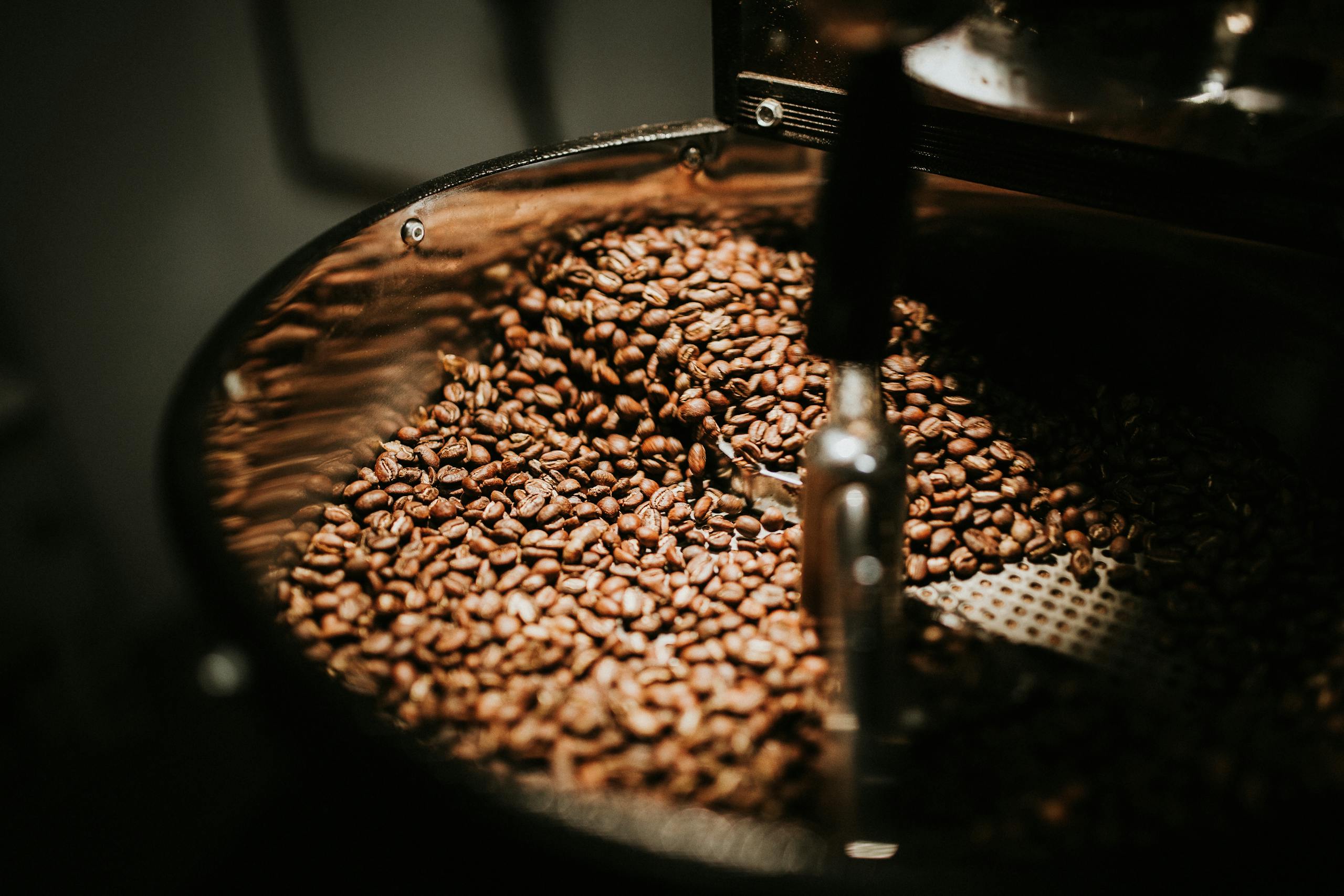
We often confuse flavor intensity with stimulant strength. Dark roast coffee tastes bolder because roasting brings out deeper, smokier notes, but that does not make it the caffeine champion by default.
The National Coffee Association states that light roasts generally contain slightly more caffeine than dark roasts, meaning the cup that tastes gentler may still deliver a stronger wake-up effect.
Bean variety matters, too: robusta contains roughly 50 to 60 percent more caffeine than arabica, so the species in the bag can matter as much as the roast on the label.
The smarter takeaway is simple: when we want to judge caffeine, we should stop reading “dark” as “strong” and start paying attention to roast, bean type, and brew method together.
British Tea with Food Is Not Just a Fancy Ritual, It Has Practical Roots
Afternoon tea is viewed as a decorative British ritual, but its origin was practical. In the nineteenth century, a late dinner left a long gap after lunch, so tea and a small meal filled the time.
Tea’s tannins can also cause discomfort on an empty stomach, so snacks like biscuits and cakes made the ritual both social and physically easier.
The Hard-Shell Taco Is Not the Default Taco of Mexico
For many diners, the crisp U-shaped taco shell feels like the normal form of a taco. That idea comes from mass American retail and fast food, not from the full breadth of Mexican taco tradition. Smithsonian reporting on taco history notes that patents for making taco shells were awarded in the 1940s to Mexican restaurateurs, and the hard-shell form became central to the U.S. commercialization of Mexican food.
At the same time, the National Museum of American History highlights the traditional importance of the corn tortilla in everyday Mexican foodways. That means the hard-shell taco is best understood as a Mexican American adaptation, not the universal taco that Mexico somehow forgot to keep. It is real, popular, and historically important, but it is still an adaptation.
Peeling Potatoes Does Remove Nutrition, but Not Half of Everything
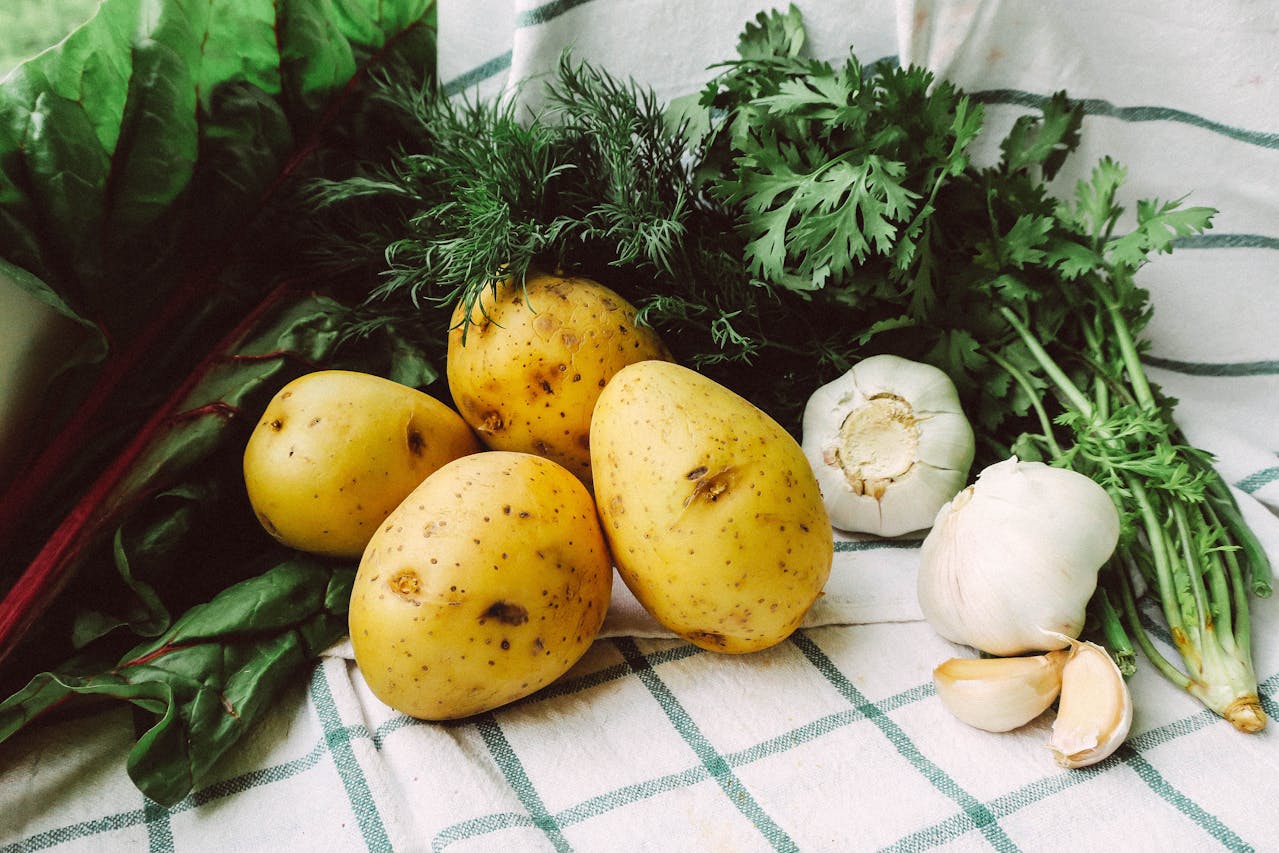
Potato myths often swing between two extremes. One side treats potatoes as nutritionally empty starch, and the other insists the skin contains almost all the goodness.
The truth is more measured. Potatoes USA, drawing on USDA data, states that removing the skin significantly reduces fiber, but more than half of the fiber still remains in the flesh, and many nutrients, such as potassium and vitamin C, are found in meaningful amounts inside the potato as well.
So peeling is not a nutritional catastrophe, yet it is also not neutral. When we discard the skin, we lose texture, some fiber, and part of the nutrient package. The better claim is not that the skin holds “everything,” but that keeping it makes a good food noticeably better.
Real Carbonara Is Creamy Because of Technique, Not Cream
Carbonara may be the most frequently rewritten pasta dish on the planet. Once cream, chicken, garlic, mushrooms, or peas enter the pan, the result may still be tasty, but it moves away from the Roman classic. La Cucina Italiana’s traditional approach centers on pasta, egg yolks, guanciale,Pecorino Romano, black pepper, and a little pasta water to emulsify everything into a glossy sauce.
That is the crucial misunderstanding: many people assume carbonara needs dairy cream to become creamy, when the silkiness comes from eggs, cheese, fat, and timing. When the dish is made properly, it feels rich without feeling heavy, and that is exactly why the stripped-down version has survived for so long.
Fortune Cookies Are Chinese Restaurant Staples, Not Traditional Chinese Cookies
Fortune cookies are so closely associated with Chinese takeout in North America that many people never question their origin. Yet the Smithsonian has described them as an American creation via Japan, not a traditional Chinese confection.
Additional historical work highlighted by the Japanese American National Museum traces important roots to Japanese fortune-cookie traditions near Kyoto and to Japanese immigrant communities in California.
In other words, the cookie attached itself to Chinese American dining in the United States, then became so familiar that it started to look ancient and Chinese by default. That transformation says a lot about how restaurant culture works: the most iconic end-of-meal symbol is sometimes the newest and least traditional item on the table.
Pineapple Does Not Literally “Eat You Back,” but the Sting Is Real

The prickly sensation from fresh pineapple isn’t only due to acidity. Research shows bromelain, a proteolytic enzyme, breaks down proteins and can make the mouth feel tender. Saying pineapple “eats you back” exaggerates a real chemical effect: enzymes lightly irritate protein-rich mouth tissue. Recognizing this demystifies the pineapple’s unique bite.
Conclusion
Food misunderstandings persist because the adapted versions are often delicious, convenient, and familiar enough to feel permanent. Once a dish crosses borders, it adapts to local tastes, ingredient availability, and commercial pressures. That does not make the newer version worthless. It simply means we should stop confusing popularity with originality.
The most useful way to think about beloved foods is this: there is the traditional version, the exported version, and the myth that grows between them. When we learn the difference, we do not enjoy food less. We enjoy it with sharper eyes, better language, and a stronger sense of where the dish actually came from.