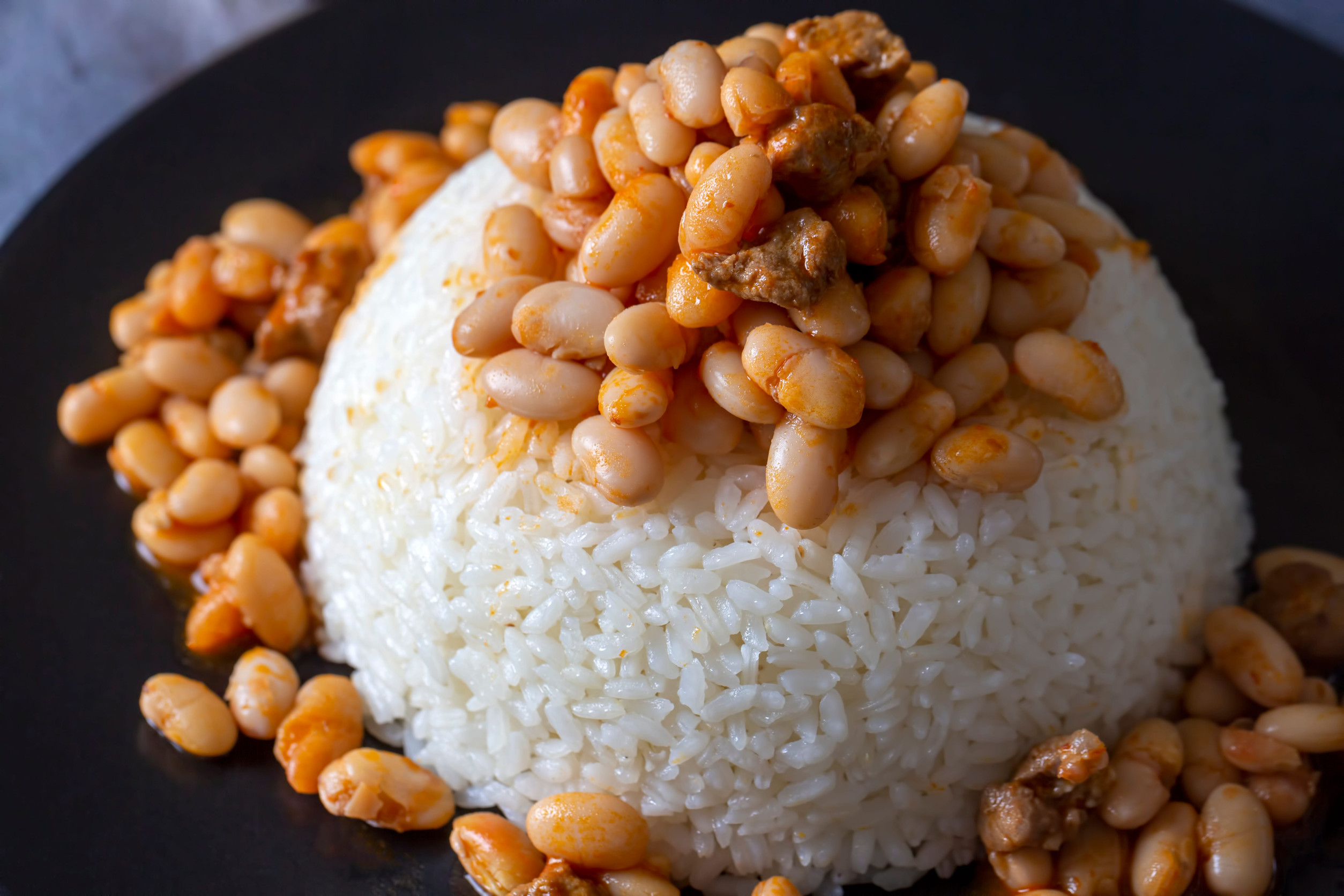
Salt, often seen as a simple kitchen staple, is far more than just a seasoning for our food. It has shaped the course of history, influenced global trade, and even impacted our health. From ancient empires to modern industries, salt’s versatility and significance cannot be understated. Below are 10 surprising facts about salt that go beyond what most people know.
Salt Has Played a Pivotal Role in Shaping Civilizations
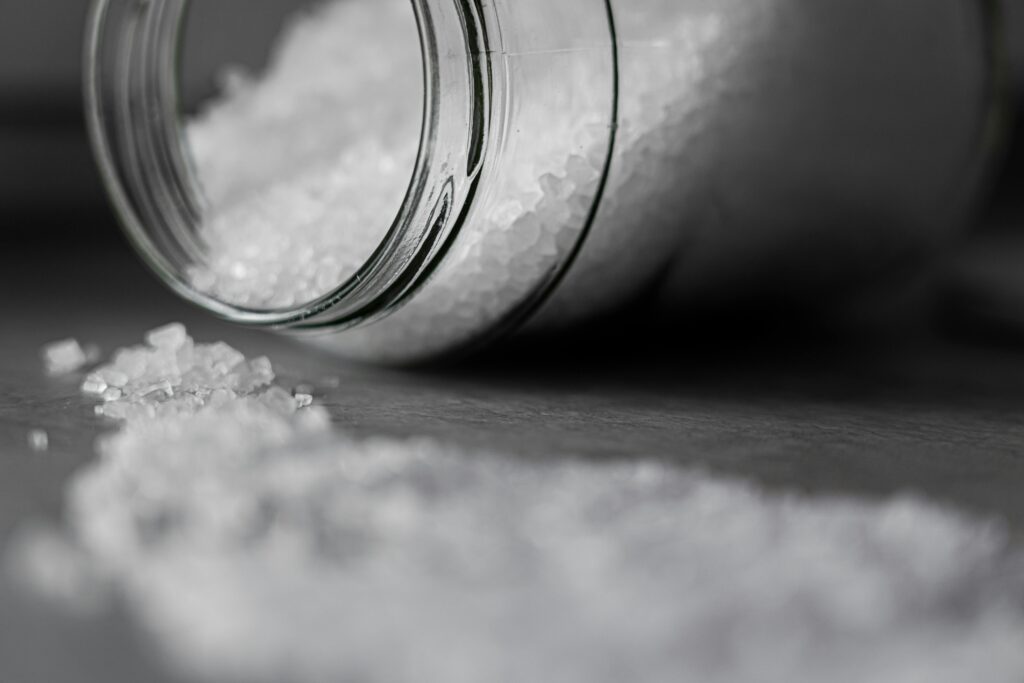
Salt has been so valuable throughout history that entire civilizations have been built on its trade and use. Ancient Egyptians used salt for both food preservation and mummification. The Romans, too, had a profound relationship with salt; it was so coveted that they sometimes paid their soldiers in it. This gave rise to the term “salary,” derived from the Latin word salarium, referring to the money allotted for purchasing salt.
Salt even influenced war through the Salt Wars in Europe, where empires fought to control access to salt-producing regions, demonstrating its immense economic and strategic value.
Salt wasn’t just valuable for its flavor. It was essential for survival, especially in warmer climates where preserving food was vital. Its ability to preserve and transport food helped sustain long-distance trade, contributing to the growth of empires and international commerce. Today, salt is still integral to food preservation, though in a much more modern context.
The Body Cannot Function Without Salt.

Our bodies rely on salt to perform essential functions. Sodium, a key component of salt, helps maintain fluid balance in cells, supports nerve function, and is crucial for muscle contraction.
Salt is essential for transmitting electrical impulses in the body, which enables the muscles, including the heart, to function properly.
In fact, a deficiency in sodium can lead to hyponatremia, a dangerous condition where blood sodium levels become too low, resulting in confusion, seizures, and even death.
While salt is necessary, it’s important to balance intake. The average person needs about 1-2 grams of salt a day, yet most people consume far more, largely due to the abundance of processed foods. This can contribute to high blood pressure and other health issues, which is why moderation is key to maintaining good health.
The Term “Salty” Originated From Salt’s Value
In modern language, when someone is described as “salty,” it often means they’re angry or upset. But the origin of the term comes from salt’s rare status in history.
As an incredibly valuable commodity, people who were considered “salty” were those who had become upset or irritable, just as the precious, sometimes elusive salt. In ancient times, when salt was a hard-to-come-by resource, people’s temperaments could often be as harsh as the frustration of being without it.
This phrase not only speaks to human emotion but also ties back to salt’s central role in daily life. For centuries, salt’s scarcity meant it was as valuable as gold, and being without it often left people feeling similarly deprived.
Salt Is Used for More Than Just Cooking
Salt’s uses go beyond food. This mineral is a powerhouse in many industries. It is vital in chemical processes, including soap manufacturing, water softening, and chlorine and caustic soda production.
In agriculture, salt helps maintain soil health and is used in animal feed, improving livestock health and productivity. Additionally, salt is used in cosmetics, such as in exfoliating scrubs and soaps, offering both cleansing and therapeutic benefits.
Even outside the industry, salt can be used for cleaning. It helps remove stains, clean carpets, and can be an abrasive for scrubbing tough grime. The versatility of salt makes it indispensable in more areas than you might expect.
Salt Was Once More Valuable Than Gold
Salt’s economic and cultural importance cannot be overstated. During the medieval period, salt was so valuable that it was considered a form of currency. In fact, in certain regions, it was even traded ounce-for-ounce with gold. This was particularly true in ancient Africa, where vast trade networks were centered around salt deposits.
Salt was used to preserve meat and other perishable goods, which were then traded for other essentials or wealth. The ancient trade routes known as the “Salt Roads” were key in linking regions and facilitating this high-stakes trade.
Salt’s role as currency further highlights its immense value during times when food preservation was a matter of life and death. Entire cities and towns were built around salt-producing mines and salt flats, reflecting the integral role salt played in economic stability in ancient times.
The Salar de Uyuni: Earth’s Largest Salt Flat
The Salar de Uyuni in Bolivia stands as the world’s largest salt flat, covering over 10,000 square kilometers. This vast expanse of salt was formed when an ancient lake evaporated, leaving behind a solid salt crust.
While the Salar de Uyuni’s beauty attracts tourists worldwide, its importance goes beyond its stunning appearance. The region contains a vast amount of lithium, a key component in batteries used for smartphones, laptops, and electric vehicles.
This salt flat is not just a geographical wonder; it’s also a critical resource for the modern tech industry. The extraction of lithium from this region has made Bolivia one of the largest suppliers of the mineral, underscoring the continued impact of salt deposits on global markets.
Salt Has Preserved Food for Centuries
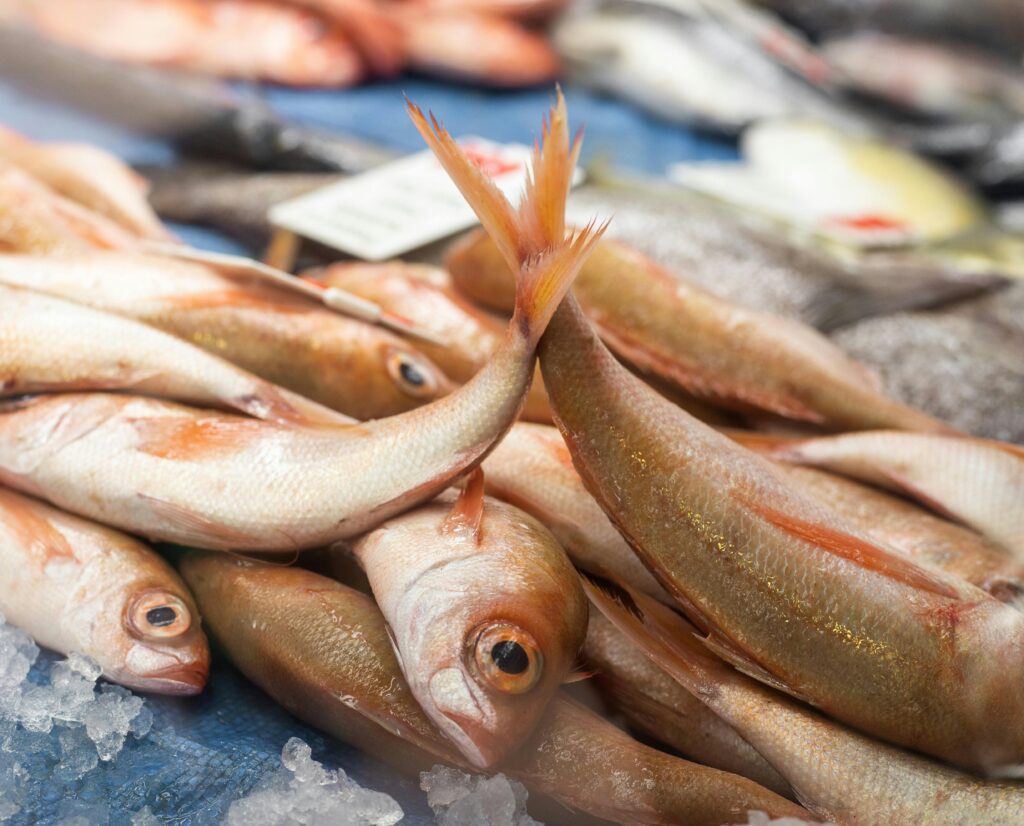
Long before refrigeration, salt was the primary method for preserving food. Salt works by drawing moisture out of food, creating an environment where bacteria cannot grow.
This ability to preserve food enabled societies to store meats, fish, and vegetables for long periods, especially during winter months or in harsh-climate regions. Salt-preserved foods, like cured meats, pickles, and salted fish, were vital for ensuring food security in ancient times.
In fact, many historical trade routes were established to transport salt-preserved goods, making salt a cornerstone of international trade and survival. Even today, traditional methods of food preservation using salt, such as curing and brining, are still used in various culinary practices around the world.
Salt Has Powerful Cleaning Properties
Salt is not just useful for food; it’s also an excellent natural cleaner. Its mild abrasiveness makes it ideal for scrubbing and removing stains from surfaces. Salt can help clean pots, pans, and even cutting boards.
It’s also used to remove odors in the refrigerator, freshen up clothes, and even polish silverware. When combined with other ingredients, such as vinegar or baking soda, salt becomes even more effective at tackling tough cleaning jobs.
Whether you’re dealing with a greasy stove, sticky countertop, or even a wine stain on your carpet, salt can help you tackle the problem without resorting to harsh chemicals. In fact, salt-based cleaning methods are often preferred for their environmental friendliness and effectiveness.
Salt Is Key in Winter Road Safety
In colder climates, salt is an essential tool for winter road maintenance. When spread on icy roads, salt lowers the freezing point of water, helping prevent ice from forming and making it easier to clear snow. Every year, millions of tons of salt are used in snow removal, keeping highways, streets, and sidewalks safer during the winter months.
Beyond its role in road safety, salt also helps prevent accidents and reduces the risk of vehicle skidding. The widespread use of salt for de-icing has made it a vital resource for communities in areas that experience harsh winter weather, ensuring that essential travel and transportation can continue without significant delays.
Different Types of Salt Offer Unique Flavors
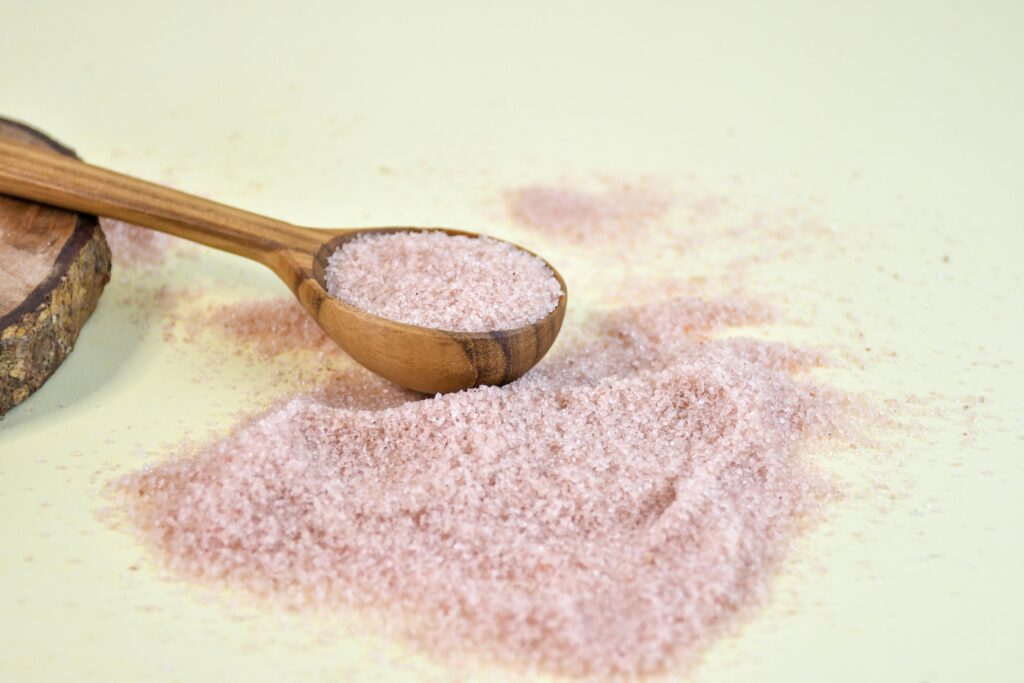
Not all salts are created equally. Table salt, the most common form, is heavily processed and often contains additives, such as iodine and anti-caking agents.
In contrast, sea salt, harvested from evaporated seawater, often retains more of its natural minerals, giving it a distinct flavor and texture. Himalayan pink salt, with its characteristic rosy color, contains minerals like iron, which contribute to its sweet taste and make it a popular choice in gourmet cooking.
Each type of salt has a different texture, color, and flavor, making them suitable for various culinary applications. From flaky sea salt sprinkled over baked goods to coarse salt used for rubbing meats, different salts can elevate dishes in ways that table salt simply cannot.