Pet ownership can be a fulfilling experience, but not all animals are suitable for domestic life. Around the world, there are numerous restrictions on which pets can be legally owned, often due to concerns over safety, ecological balance, and animal welfare.
While some exotic animals like big cats might be relatively common in certain parts of the world, other seemingly harmless pets are banned outright. This article explores the most surprising pets that are banned in various countries and the reasons behind these restrictions.
Pit Bulls

Pit bulls are among the most commonly banned breeds worldwide, including in the UK, Canada, and New Zealand. Despite their popularity, pit bulls have been involved in numerous high-profile attacks, leading to a public perception of them as dangerous.
However, experts argue that breed-specific bans may not be the most effective solution to preventing dog attacks.
Instead, advocates for responsible pet ownership focus on training, socialization, and responsible breeding practices as solutions. The primary concern surrounding pit bulls is their strength and potential for aggression, especially in certain environments.
Pit bulls are muscular dogs that, if not properly trained, may exhibit aggressive tendencies. Many governments have implemented breed-specific legislation (BSL) that bans or restricts pit bull ownership, often in response to public fear. Critics of BSL argue that it punishes individual dogs for the actions of irresponsible owners, rather than addressing the root cause of attacks.
Hamsters

Hawaii is well-known for its stringent laws regarding the importation and ownership of animals. The state’s unique ecosystem, which has evolved without many of the mainland’s predators, is highly vulnerable to disruption by foreign species.
As a result,Hawaii has outlawed the ownership of various animals, including hamsters. Though small and seemingly harmless, hamsters are considered a potential ecological threat because they can easily escape into the wild and disrupt local ecosystems. In Hawaii, even popular pet animals like hamsters and gerbils are banned due to their potential to become invasive species.
The state’s quarantine and pet regulations are among the strictest in the world, with many animals banned from entry entirely. This includes not just hamsters but also rabbits, rats, and hermit crabs. Hawaii’s primary goal is to protect its delicate ecosystem from non-native species that could harm its unique wildlife.
Exotic Birds
In many countries, exotic birds such as parrots, cockatoos, and macaws are banned due to concerns over illegal wildlife trade and the conservation of endangered species. The global demand for exotic birds has led to the exploitation of wild populations, contributing to the decline of certain species in the wild.
Countries like Australia and the Philippines have implemented strict regulations on the importation and ownership of exotic birds to prevent further harm to these animals. While owning a pet bird may seem like a harmless hobby, the international trade in exotic birds has led to the endangerment of many species.
In response, governments have banned the ownership of certain birds and enacted regulations to prevent poaching and trafficking. In Australia, for example, it is illegal to keep native bird species as pets, and the importation of exotic species is heavily restricted.
Iguanas
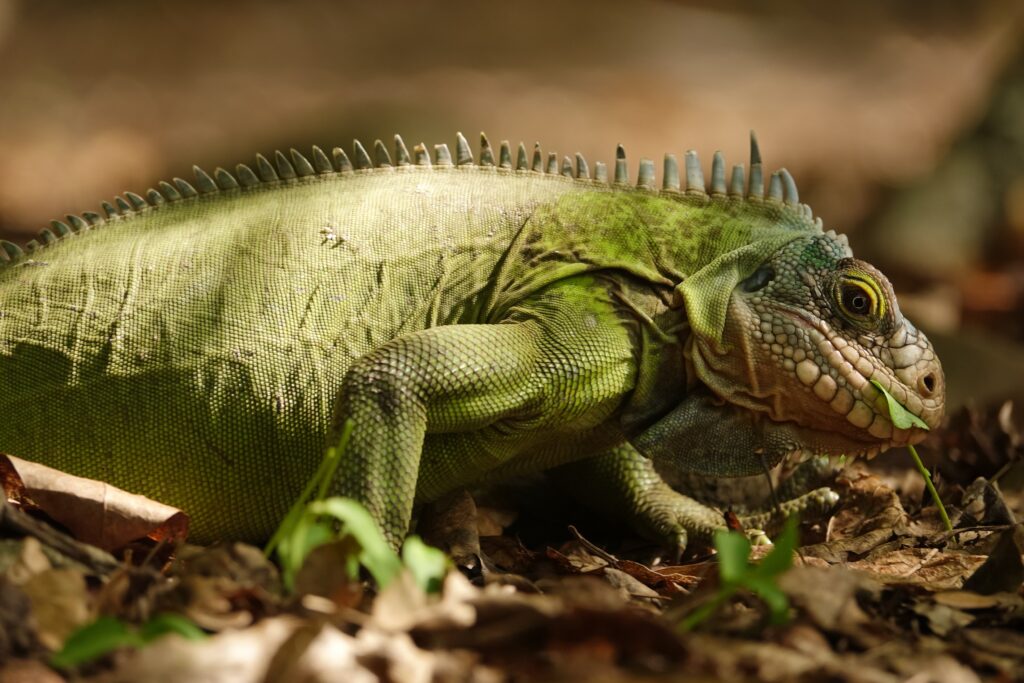
Iguanas, while considered exotic pets in many places, have become a significant problem in Florida due to their growing population. In the wild, iguanas are not native to Florida, but their presence has surged in recent years.
As a result, Florida has placed restrictions on owning iguanas, particularly in areas where the reptiles have become invasive. These animals are known for damaging infrastructure and disrupting local ecosystems. Iguanas have become a nuisance in Florida, where they damage vegetation, infrastructure, and even power lines.
The state’s authorities have begun cracking down on the ownership and release of iguanas to control their population. While iguanas are popular as pets, their ability to adapt to the wild and reproduce quickly has made them a threat to local wildlife.
Piranhas
Piranhas, known for their sharp teeth and aggressive feeding behavior, are banned in many parts of the world. These freshwater fish are particularly dangerous in a domestic environment due to their tendency to attack other animals or humans.
While they may seem like an exciting pet for those seeking something unique, their aggressive nature and ability to survive in various environments make them unsuitable for home aquariums. Piranhas are banned in many regions because they pose a serious risk to other wildlife, particularly in places where they are not native.
In the United States, for example, several states have enacted laws that prohibit the ownership of piranhas. The fish’s tendency to become aggressive when stressed or hungry has led to concerns about their impact on both domestic and wild ecosystems.
Hedgehogs
Hedgehogs, the adorable, spiny creatures that many pet owners cherish, are banned in several U.S. states, including California, Hawaii, and New York. The primary reason for these bans is the risk of introducing diseases to local wildlife and the potential for hedgehogs to escape into the wild and disrupt ecosystems.
Although hedgehogs are small and generally easy to care for, they are considered a health risk in some regions. Hedgehogs, while not inherently dangerous, can carry parasites and diseases that could potentially harm local wildlife.
In particular, they are known to carry the zoonotic disease leptospirosis, which can spread to humans and other animals. The spread of diseases from hedgehogs to native species is a significant concern for environmental authorities.
Monkeys
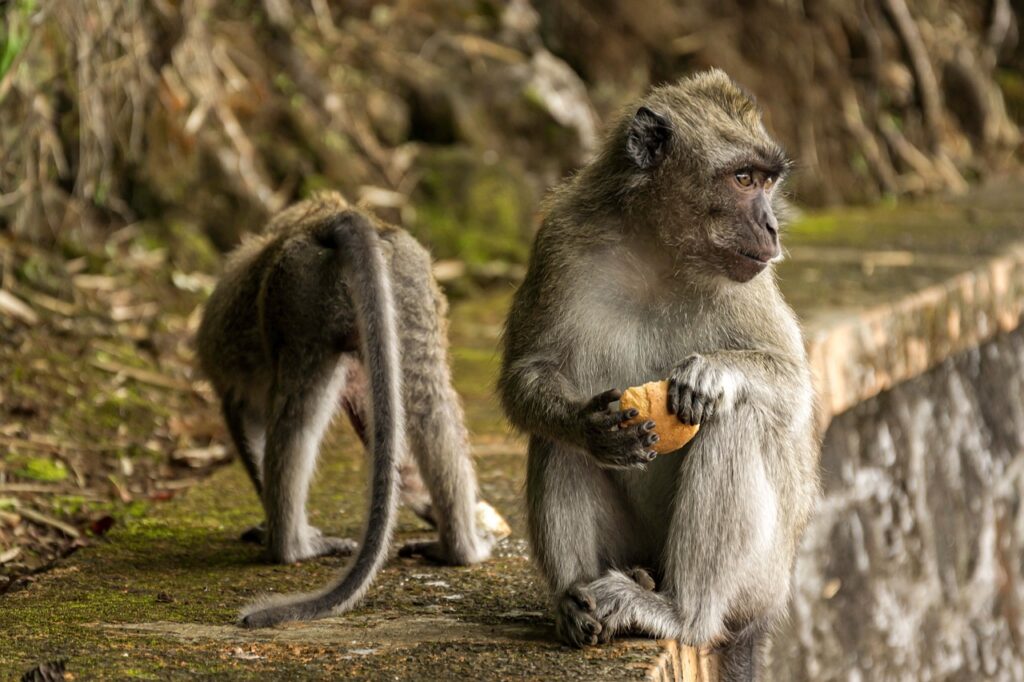
Monkeys have long been considered fascinating pets due to their intelligence and playful nature. However, monkeys are banned in many countries due to their unpredictable behavior, risk of disease transmission, and potential danger to humans.
Monkeys, particularly those not raised in captivity, can exhibit aggressive tendencies and be difficult to manage in a domestic setting. Monkeys are highly intelligent and require constant mental stimulation, which makes them difficult to care for in a typical household.
Additionally, they are capable of transmitting diseases like herpes and tuberculosis to humans. Due to these risks, many countries have banned the ownership of monkeys as pets, and animal welfare organizations strongly discourage keeping them as pets.