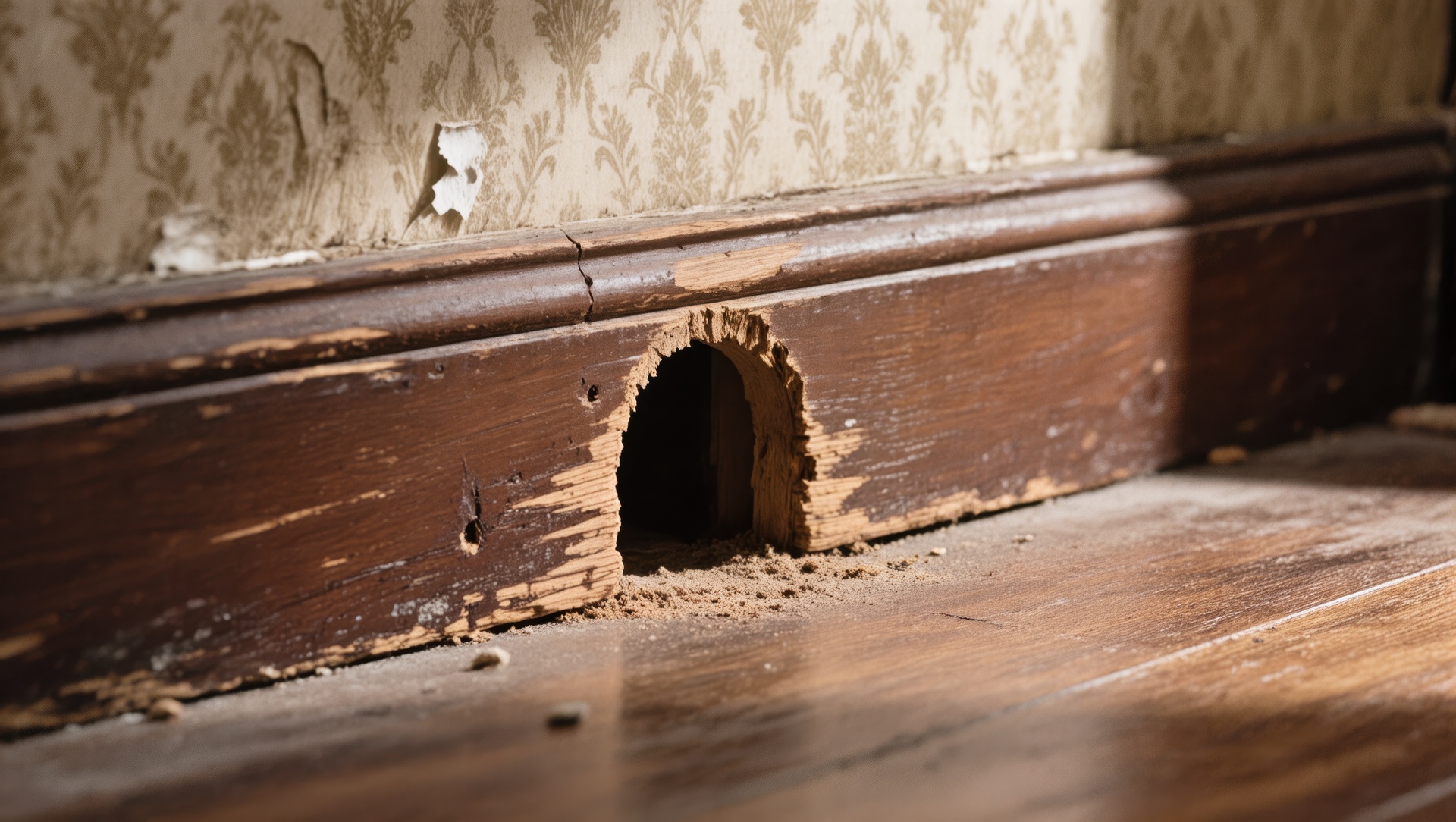
A gopher problem rarely starts with drama. It starts with one fresh mound, one wilted plant, and one morning when your neat garden suddenly looks like it lost a fight underground. These burrowing rodents feed on roots and plant material, and their tunnel systems can damage lawns, crops, ornamentals, young trees, and even irrigation lines.
Fresh gopher mounds are usually crescent-shaped with the plugged opening set off to one side, and the main tunnels often sit roughly 6 to 12 inches below the surface. That is why the smartest approach is not to panic. It is a layered plan that focuses on fast identification, strong barriers, targeted trapping, and steady follow-up.
Learn the signs before the damage multiplies.
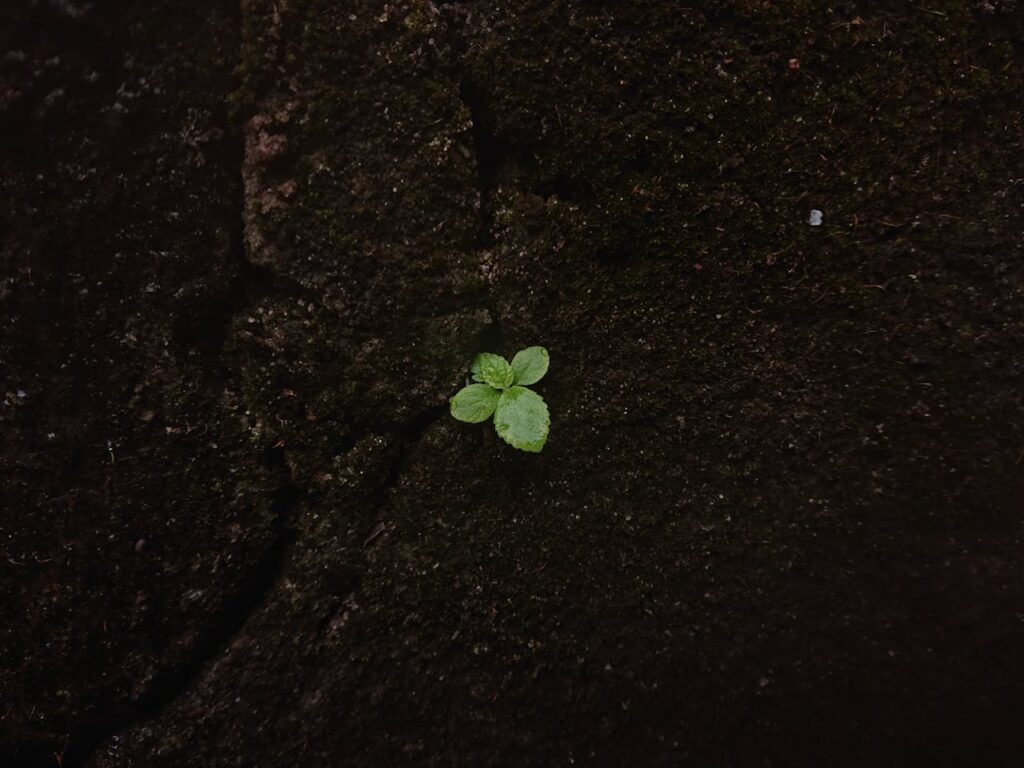
The first win is spotting gopher activity early. Fresh mounds often contain dark, moist soil, and you may also notice raised ridges, loose patches of ground, or plants that suddenly wilt because their roots have been chewed below the surface.
Gophers are solitary, territorial animals, which means even a single active tunnel system can do surprising damage in a short time. Waiting for the problem to “sort itself out” usually gives the animal more time to expand its tunnels and storage chambers.
Stop making your garden easy to invade
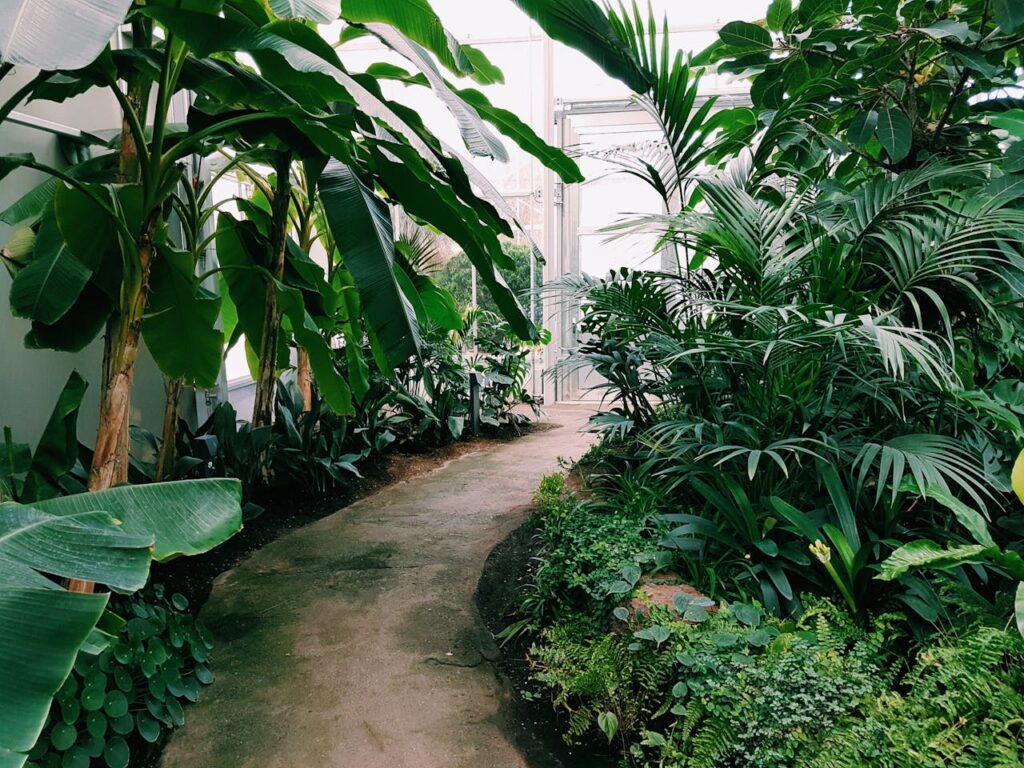
A lush, busy garden is lovely to you, but to a gopher, it can look like a buffet with excellent cover. Keeping the area tidy, cutting back heavy vegetation, and staying alert around beds, borders, and young trees can make the space less inviting.
Still, cleanup alone will not solve a true infestation, because gophers feed on underground plant material, not insects or surface scraps. Think of yard maintenance as your first line of defense, not your only plan.
Use barriers where they matter most.
If you want real prevention, physical exclusion does the heavy lifting. UC guidance recommends gopher baskets for individual plants and underground wire barriers for valuable beds, shrubs, and trees, with mesh extending deep enough to block tunneling and, in some cases, rising above grade.
Galvanized or stainless-steel mesh lasts longer than cheaper wire, and wire under raised beds can protect root zones far better than wishful thinking. Barriers are especially useful when you care about specific plants and want protection before damage begins.
Do not put too much faith in miracle repellents.
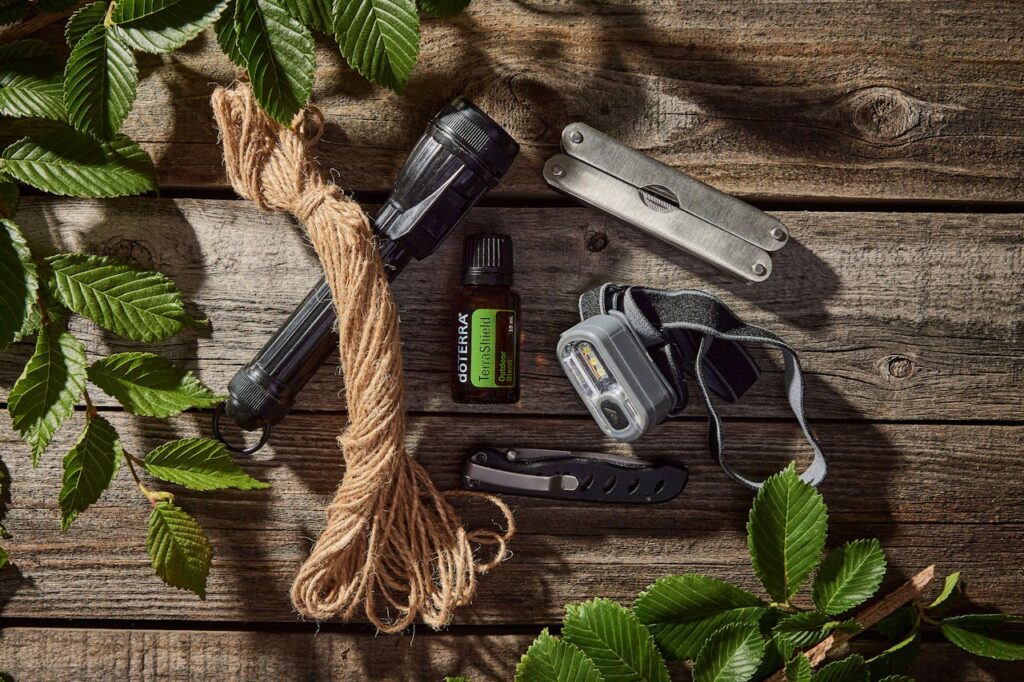
This is the part many homeowners hate hearing, but it saves time and money. Popular ideas such as repellent plants, ultrasonic devices, vibrating gadgets, castor oil fixes, flooding tunnels, and smoke or gas products often sound clever and feel easy, yet research-based pest management sources say most of them are unreliable or ineffective for real gopher control.
Flooding may push a gopher out briefly, but extensive burrows make it a poor long-term solution, and the animal can return once conditions settle. In other words, gimmicks may make you feel busy, but they rarely make your yard secure.
Trap the right tunnel, not just any tunnel.
When gophers are active, trapping is one of the most effective home-scale control methods. The trick is not random placement. UC IPM notes that successful control depends on finding the main burrow, usually by probing near fresh mounds, because side tunnels are less reliable places to catch the animal.
Common trap styles include pincer traps such as Macabee, Cinch, and Gophinator, as well as choker-style box traps. Once set, traps should be checked often, and if nothing happens within a day or two, move them rather than hoping the location magically improves.
Skip the bait on traps and focus on a good setup.
A lot of people assume bait is the secret. It usually is not. UC IPM reports that researchers have not found a capture benefit from adding bait behind the trap, and human scent has not affected trapping success either.
What matters more is locating fresh activity, staking traps securely, covering sets where pets or people may reach them, and staying consistent instead of setting one trap and walking away for a week. Smart setup beats superstition every time.
Treat predators as backup, not a full strategy.
Hawks, owls, snakes, coyotes, cats, and other predators do eat gophers, and that natural pressure can help reduce gopher populations. But even strong predator presence usually does not keep populations below damaging levels in a yard or garden.
Barn owl boxes sound appealing, yet extension guidance warns they are not dependable enough for small residential spaces where one determined gopher can ruin plants long before a predator shows up. Welcome predators if they are already part of the landscape, but do not hand them the whole job.
Keep monitoring, as gophers can return quickly.
The most frustrating truth about gopher control is that success is rarely one-and-done. UC guidance notes that tunnels can be repopulated within hours or days, which means you need to collapse fresh mounds, watch for new soil movement, and stay ready to act again.
That is why the best long-term strategy combines prevention in prized planting areas with quick response whenever new activity arises. A garden stays beautiful through consistency, not one dramatic weekend of effort.