When it comes to our meals, we often focus on what we’re eating, but not necessarily on how we’re eating. Poor eating habits can have long-term consequences on your digestion, metabolism, and overall well-being. In this article, we’ll cover some common eating mistakes and why avoiding them is essential for maintaining optimal health.
Eating Too Quickly

Many of us eat in a rush, whether because of a busy workday or simply because of bad habits. However, eating too quickly can lead to digestive issues like bloating, indigestion, and even weight gain. The body needs time to signal to the brain that it’s full, and rushing through a meal bypasses this process.
When you eat too fast, your stomach doesn’t have enough time to properly process the food. This can lead to overeating, as the brain doesn’t receive the “fullness” signal in time. Additionally, fast eating increases the risk of heartburn and acid reflux due to improper food breakdown. Try to take smaller bites, chew thoroughly, and savor your food. Not only does this reduce the risk of overeating, but it also allows your body to digest the food more effectively.
Eating While Distracted
In today’s digital age, it’s common to eat while scrolling through your phone, watching TV, or working. However, eating while distracted can lead to mindless eating, resulting in overeating or poor food choices. Distractions prevent you from paying attention to your hunger cues and portion sizes. This can lead to overeating and, in some cases, to choosing unhealthy options because you aren’t mindful of what you’re eating.
Focus on your meal. Sit down at the table, put away the phone, and engage with your food. Not only does this make your meal more enjoyable, but it also enhances digestion by allowing your body to concentrate on processing food.
Eating Large Portions
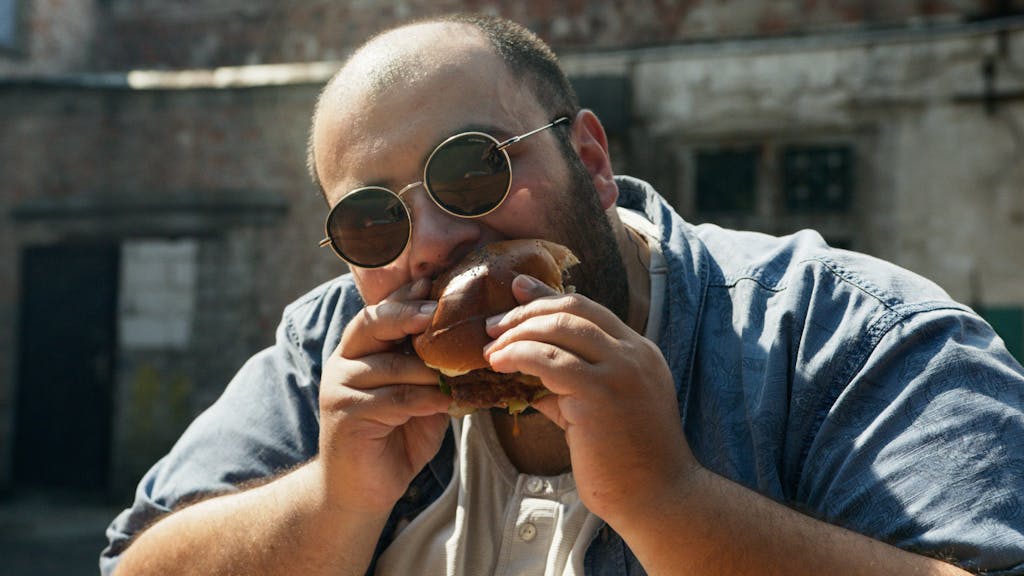
It’s easy to mistake large portions for a satisfying meal, but it’s important to understand that portion sizes significantly impact health. Overeating, even with healthy foods, can lead to weight gain and other metabolic issues.
Eating large portions, especially at restaurants, often leads to calorie intake exceeding what your body needs. Consistently consuming excessive portions can lead to insulin resistance and a higher risk of chronic diseases, such as diabetes and hypertension. Use smaller plates to control portion sizes, and listen to your body’s hunger signals. Eating until you’re 80% full is a great guideline for preventing overeating and maintaining a healthy weight.
Skipping Breakfast
Breakfast is often considered the most important meal of the day, but many people skip it due to a lack of time or appetite. While it may seem harmless, skipping breakfast can disrupt your metabolism and lead to energy slumps throughout the day.
Skipping breakfast forces your body to rely on stored energy, which can lead to a drop in blood sugar and a sluggish metabolism. This increases the likelihood of overeating later in the day, especially unhealthy snacks. Start your day with a balanced breakfast that includes protein, healthy fats, and whole grains. This will kick-start your metabolism and provide you with sustained energy for the day ahead.
Eating Too Much Salt

Salt is a necessary mineral for the body, but consuming too much can lead to high blood pressure, kidney damage, and an increased risk of heart disease. Many processed foods contain hidden salt, which makes it easy to go overboard without realizing it.
Excessive salt intake leads to fluid retention, raising blood pressure and stressing the cardiovascular system. It also increases the risk of stroke and kidney disease due to the long-term effects of high sodium intake. Limit processed foods and use herbs and spices to season your meals. Cooking at home lets you control how much salt you add to your food, helping keep your sodium intake in check.
Drinking Sugary Beverages
Sugary drinks like soda, sweetened coffee, and fruit juices are often high in calories but lack essential nutrients your body needs. These beverages can significantly contribute to weight gain, diabetes, and heart disease.
Drinking sugary beverages can lead to insulin spikes, which can cause the body to store more fat, especially around the abdomen. Over time, this increases the risk of obesity and metabolic syndrome. Replace sugary drinks with water, herbal teas, or unsweetened beverages. If you crave something sweet, try adding a slice of lemon or lime to your water for a natural flavor boost.
Eating Late at Night

Eating right before bed may seem comforting, but it can negatively affect both your sleep and digestion. Late-night meals can lead to indigestion and disrupt your circadian rhythm, making it harder for your body to enter a restful sleep.
Eating close to bedtime increases the likelihood of acid reflux, as lying down after a meal allows stomach acid to travel up into the esophagus. Additionally, late-night eating raises blood sugar and keeps your body in a state of digestion, which makes it harder to rest. Aim to finish eating at least two to three hours before bedtime. If you’re hungry later in the evening, choose a light snack that’s easy to digest, such as a small handful of nuts or a piece of fruit.
Not Drinking Enough Water
Water is essential for digestion, energy, and maintaining healthy skin, but many people don’t drink enough of it. Dehydration can lead to fatigue, poor digestion, and even skin problems. Dehydration slows digestion, can cause constipation, and affects cognitive function and overall energy levels. Chronic dehydration can lead to kidney stones, urinary tract infections, and other serious health conditions.
Make a habit of drinking water throughout the day. Aim for at least 8 cups (64 ounces) of water daily, and more if you’re physically active or live in a hot climate. Carry a reusable water bottle to help you stay hydrated.