Most people stop at chicken eggs and call it a day. We understand why, because they are familiar, easy to cook, and woven into breakfasts, baked goods, and comfort food all over the world.
Yet beyond the supermarket carton sits a stranger, a far more fascinating world of edible eggs, one filled with ocean roe that bursts on the tongue, giant bird eggs that can feed a table, and rare delicacies that feel closer to folklore than dinner.
When we look past the ordinary, we find that eggs can be creamy, briny, grassy, nutty, gelatinous, rich, and even luxurious in ways the average omelet never attempts.
These unusual eggs are not simply shock-value foods. They reflect local traditions, regional survival, ceremonial dishes, high-end restaurant culture, and the endless human instinct to turn the unfamiliar into something desirable.
Some are prized for texture, some for richness, some for scarcity, and some because the idea of eating them feels almost unbelievable until the first bite proves otherwise. Here are ten bizarrely edible eggs that stretch the limits of what most people think belongs on a plate.
Fish eggs
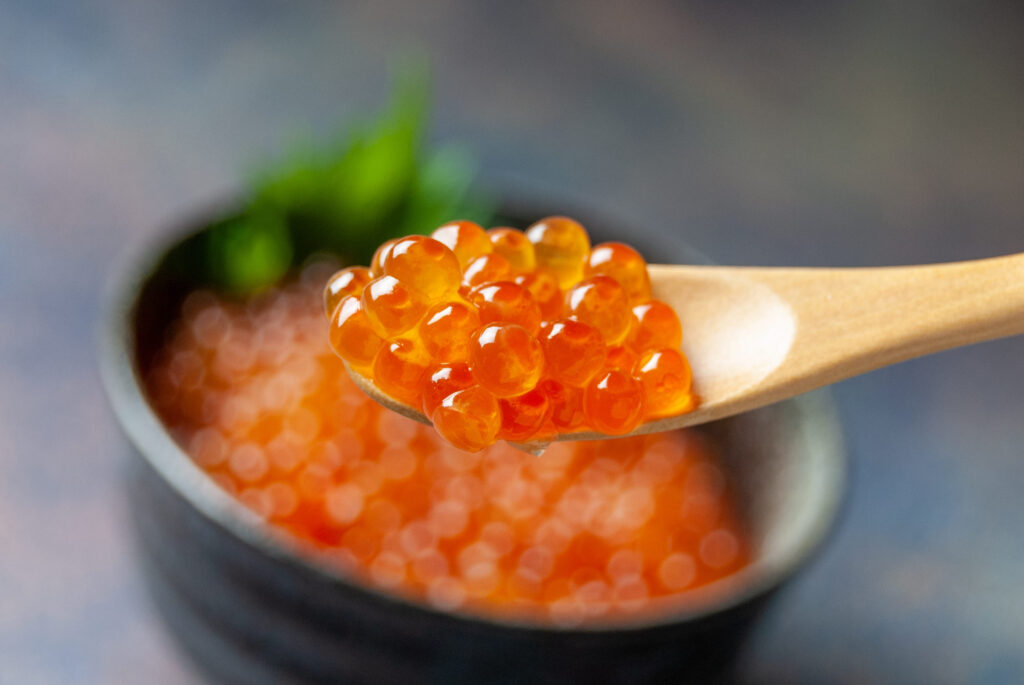
If there is one strange egg that has already gone mainstream, it is fish roe. We often think of caviar as a luxury reserved for silver spoons and expensive tasting menus, but fish eggs span a broad spectrum from elite indulgence to everyday sushi topping.
Their appeal comes down to texture and salinity: good roe does not just sit on the tongue; it pops, releasing a rush of ocean flavor and leaving behind a clean, savory finish that feels both delicate and bold.
Different fish eggs create completely different experiences. Tiny flying fish roe adds color and crunch to sushi, salmon roe offers larger beads with a softer burst and deeper richness, and traditional caviar leans into buttery, briny complexity that makes a small spoonful feel significant.
We see fish eggs used over rice, folded into sauces, spooned onto toast, or served almost bare so the texture can do all the work. Strange as it may sound to the uninitiated, fish eggs are one of the clearest reminders that eggs do not need shells and frying pans to feel luxurious.
Ant eggs
Ant eggs sound like the kind of ingredient people mention just to provoke a reaction, but in several food cultures, they are treated with genuine respect. Their unusual reputation comes from their source, yet their popularity comes from flavor and texture.
Instead of tasting harsh or insect-like, many preparations highlight a surprisingly soft, delicate quality, with notes people often describe as tangy, buttery, or nutty, depending on the species and cooking style.
We find ant eggs turned into omelets, tucked into tacos, folded through curries, and served with herbs and spices that let their mild richness come forward. In some traditions, they are prized precisely because they feel rare without being flashy, rustic without being crude.
That contrast is what makes them so compelling. They begin as an ingredient many people assume must be unpleasant, then end up sounding like something a chef would happily serve as a seasonal specialty.
Emu eggs
An emu egg does not enter a kitchen quietly. It arrives with size, weight, and visual drama, often wrapped in a shell so dark blue-green that it looks painted rather than natural.
Crack one open and the effect becomes even more striking, because a single egg can equal many chicken eggs, instantly turning it into less of an ingredient and more of an event. This is the kind of egg that makes brunch feel theatrical before the pan is even warm.
What makes emu eggs so intriguing is that they combine novelty with genuine practicality. Their large volume makes them ideal for feeding groups, and their rich interior works beautifully in scrambles, custards, frittatas, and desserts.
We also see their appeal in restaurants, where chefs love ingredients that create conversation before the first bite. An emu egg satisfies that urge perfectly because it offers size, color, rarity, and a sense of abundance that makes a standard breakfast egg look almost modest.
Gull eggs
Most people associate gulls with noisy coastlines, stolen snacks, and general annoyance. That is exactly why gull eggs feel so surprising as a food item.
The bird itself rarely inspires affection, yet the eggs have long attracted serious culinary attention in places where they are legally and traditionally harvested. Their reputation rests on a richer taste than chicken eggs and a creamy texture that gives cooked dishes a more luxurious feel.
We often see gull eggs served simply because their texture shines best in its simplicity. Soft boiling, scrambling, or gentle frying can bring out the dense yolk character that fans of these eggs celebrate.
In more refined kitchens, they are used in plated dishes alongside expensive ingredients, further deepening their reputation as a seasonal delicacy. The contrast is what makes them unforgettable. A bird most people chase away from lunch becomes the source of an egg sought out by high-end diners.
Turtle eggs
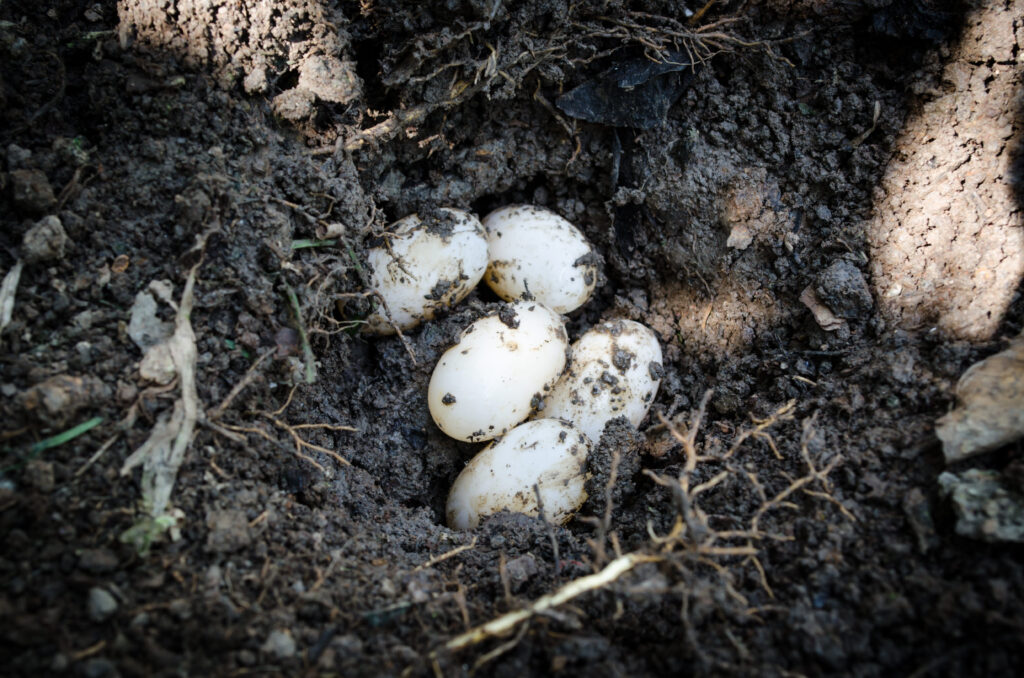
Turtle eggs are strange before they are even cooked, largely because they do not feel like the brittle eggs most people know. Many have a softer, more leathery shell, which immediately changes the experience of handling them.
Once prepared, they can present a texture that some diners find fascinating, and others find difficult, often leaning toward the slippery or gelatinous rather than the clean, firmness associated with boiled hen eggs.
Their cultural reputation has extended far beyond taste alone. In some places, turtle eggs have been treated as special-occasion foods or tied to old beliefs about strength and vitality, giving them a mystique that ordinary eggs never possess.
That said, their actual eating experience tends to be more divisive than glamorous. We do not put turtle eggs in the same category as an easy comfort breakfast. They sit in a far stranger lane, one where the curiosity often arrives before the appetite.
Crocodile eggs
Crocodiles already occupy a dramatic place in the imagination. They look ancient, dangerous, armored, and almost untouchable. That is precisely why crocodile eggs feel so bizarre as food.
They take an animal associated with swamps, power, and sharp teeth and shift the story into the kitchen, where the egg becomes something people boil, fry, or adapt into more creative dishes.
What makes crocodile eggs especially memorable is the way cooks work around their strong identity. Rather than pretending they are ordinary, many preparations lean into their novelty, sometimes using them in desserts or blended dishes where texture becomes more approachable.
We see the same pattern again and again with unusual foods. The more intimidating the source, the more inventive the cooking often becomes. Crocodile eggs fit that rule perfectly, turning reptilian menace into a talking point that travels from farm, to market to plate.
Snail eggs
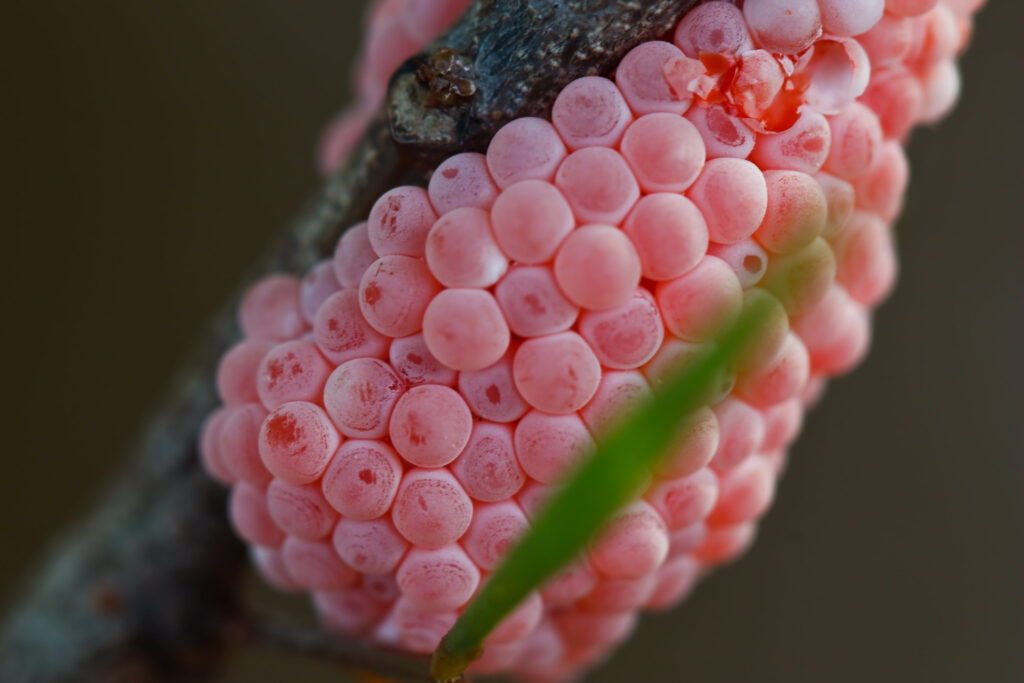
Few ingredients have undergone a stranger glow-up than snail eggs. Snails themselves already carry a split reputation, adored in some cuisines and avoided in others, but their eggs have been elevated into an even more niche delicacy.
Sold in small quantities and often compared to caviar, they appeal less through abundance and more through exclusivity, branding, and the sheer elegance of presenting something so unexpected as gourmet.
Their flavor is usually described in earthy, vegetal terms rather than in terms of overt richness. That means the appeal comes just as much from texture and context as from taste alone.
On toast points, canapes, or carefully plated restaurant dishes, snail eggs create an experience that feels refined and unusual at the same time. We are not dealing with a comfort ingredient here. We are dealing with a product whose entire identity depends on transforming something humble, slow, and garden-bound into a symbol of culinary daring.
Shark eggs
People are used to hearing about shark meat or shark fins in controversial food discussions, but shark eggs remain a far stranger idea. In species with large, accessible eggs, they can be cooked in ways that echo familiar kitchen methods, making them oddly approachable despite their origin. That tension is what makes shark eggs so compelling. The source feels wild and formidable, while the preparation can look almost normal on the plate.
Their reputation often centers on versatility. Once cleaned and prepared, they may be boiled, fried, dried, ground, or mixed into other foods to soften their visual impact.
We see this often with unusual animal products: the less a food resembles its source, the easier it is for curious diners to engage with it. Shark eggs sit right in that zone, where the idea sounds extreme, but the finished dish can appear surprisingly familiar.
Octopus eggs
Octopus is already one of the sea’s most fascinating foods because it balances tenderness, chew, and deep marine flavor in one ingredient. Add roe to the picture, and the experience becomes even more unusual.
Octopus eggs are often encountered inside the animal or separated and used more deliberately, and their appearance can be startling at first glance. Clusters of tiny, pale eggs can look almost unreal, which is part of why they generate so much attention.
Once cooked, however, the drama shifts from appearance to texture. The eggs can take on a grain-like quality while still holding a subtle sweetness and nuttiness that surprises people expecting a harsher seafood note.
We find them used in sushi, seafood dishes, and specialty preparations where chefs want a marine ingredient that feels more delicate than fish roe but still unmistakably oceanic. Octopus roe is not just edible. It is one of the clearest examples of how strange-looking food can deliver elegance once it reaches the palate.
Duck eggs
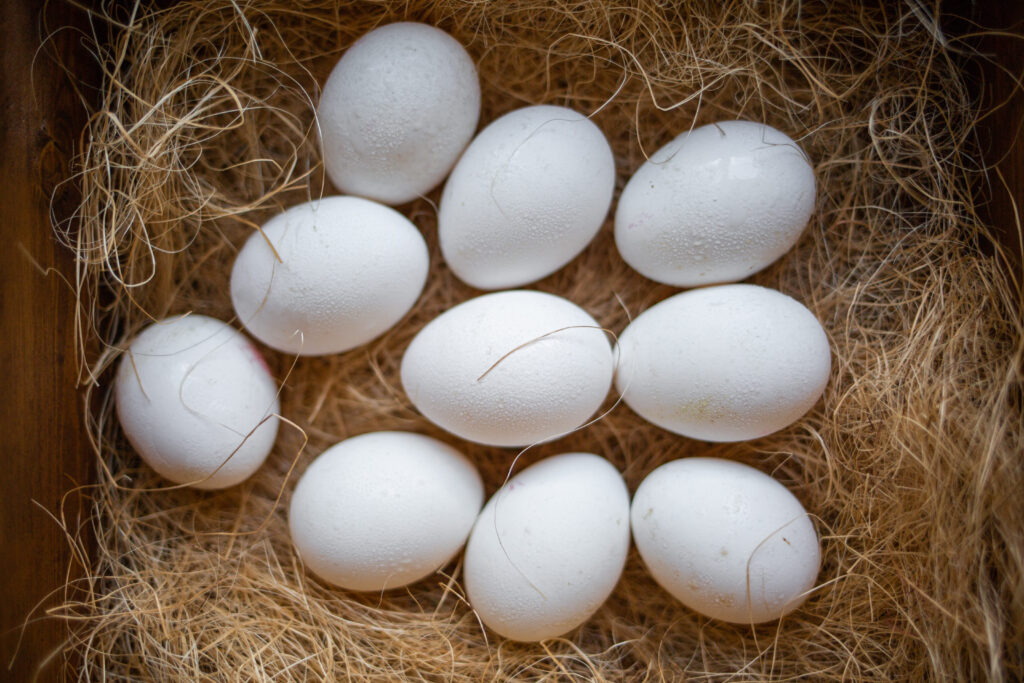
Not every bizarrely edible egg needs to look outlandish. Duck eggs make this list because they occupy an interesting middle ground between familiar and unusual.
At a glance, they resemble oversized chicken eggs, but their richer yolks, firmer whites, and stronger flavor give them a very different kitchen personality. For many people, duck eggs are the gateway into the wider world of unconventional eggs because they feel manageable while still offering something noticeably more intense.
Their value becomes especially clear in baking and hearty savory dishes. The higher richness can make pastries fuller, custards silkier, and fried eggs more substantial. We also see them prized in cured and preserved forms in various cuisines, where their yolks become deeply savory and almost creamy.
Duck eggs remind us that unusual does not always mean extreme. Sometimes the most interesting edible eggs are the ones that sit just outside the everyday, close enough to try, yet different enough to feel like a discovery.