Food safety is often one of the most overlooked aspects of cooking, and unfortunately, there are plenty of misconceptions that can lead to some potentially dangerous practices. From handling raw meat to the effectiveness of food storage, we’ve all heard advice that seems harmless on the surface but could put your health at risk. It’s time to set the record straight and clear up these myths, so you can cook confidently and safely every time.
If It Looks Fine, It’s Safe to Eat
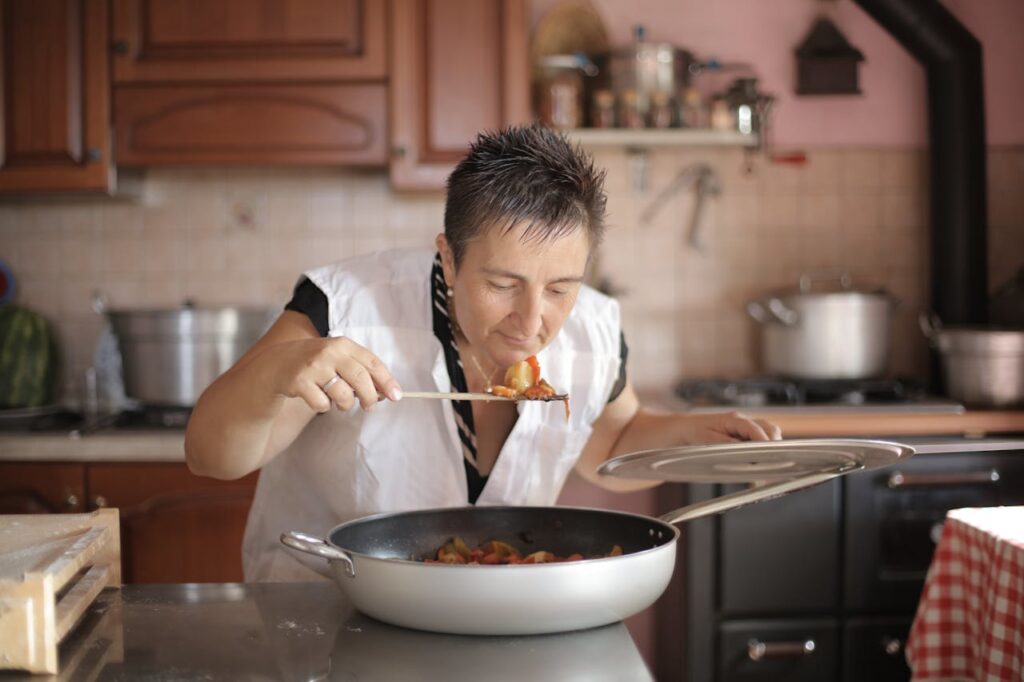
Just because food looks, smells, or even tastes fine doesn’t mean it’s safe to eat. Many bacteria and pathogens don’t alter the appearance of food. For instance, Salmonella and E. coli can lurk in food without leaving any obvious signs of spoilage.
The only reliable way to ensure food is safe is to follow proper storage procedures, check expiration dates, and cook food to the proper internal temperature.
Expired Canned Goods Are Always Unsafe
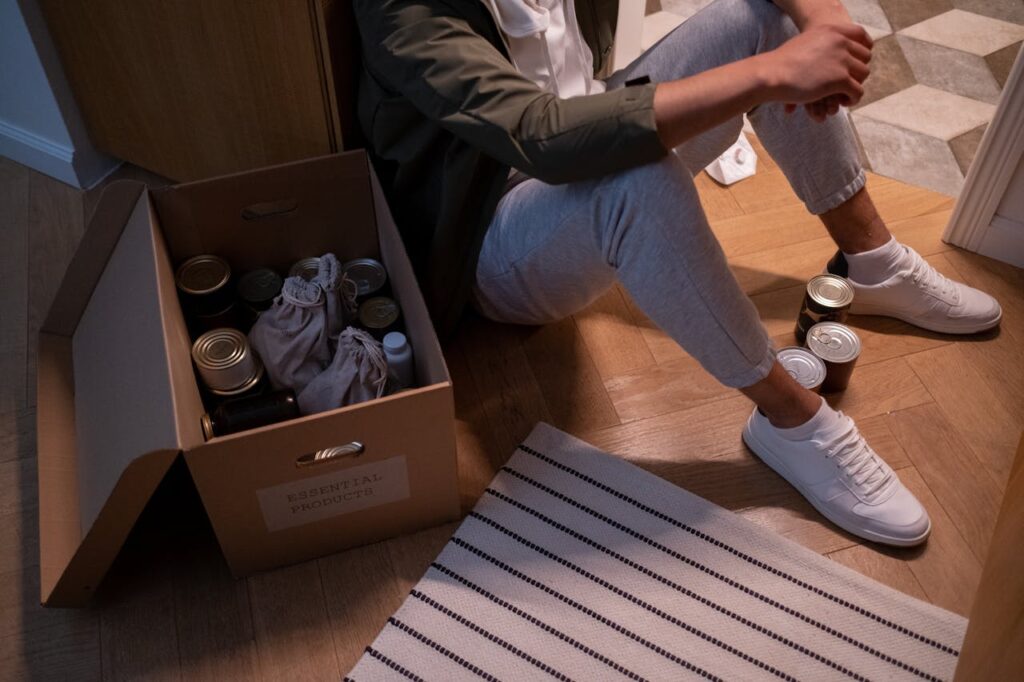
While it’s true that canned goods have a shelf life, they don’t necessarily become dangerous the moment they hit their expiration date.
Many cans are safe for a little while past their printed date, as long as they’ve been stored in a cool, dry place and the can is not dented or rusted. However, if you notice any bulging, leaking, or off smells when opening a can, discard it immediately. Trust your senses when it comes to canned goods.
You Can’t Get Sick From Leftovers If They’ve Been Reheated
Reheating food properly is essential, but it’s more than just zapping it in the microwave for a few seconds. Leftovers need to be stored correctly in the fridge and eaten within the recommended time frame to avoid any risk of foodborne illness.
Reheating food can kill some bacteria, but not all. It’s important to ensure that leftovers are reheated to at least 165°F (74°C) throughout to make them safe to eat.
Washing Raw Meat Makes It Safer
It’s a myth that washing raw chicken, beef, or pork removes bacteria. In fact, washing meat can actually spread harmful bacteria around your kitchen, increasing the risk of contamination.
The water droplets can splash onto countertops, cutting boards, and utensils, putting them in contact with harmful pathogens. The safest way to kill harmful bacteria is through proper cooking at the right temperatures, not by washing your meat.
You Should Always Cook Meat Well Done
While cooking meat to well done may seem like the safest option, it’s not always necessary—and it can actually dry out the meat.
Certain cuts of meat, such as steak, are perfectly safe and even tastier when cooked to medium-rare, as long as they reach the proper internal temperature. Using a food thermometer ensures the meat reaches a safe temperature without overcooking.
A Little Cross-Contamination Is Fine
Even a small amount of cross-contamination can be dangerous, especially with raw meat, poultry, and seafood. Contaminants can easily transfer from these items to ready-to-eat foods like vegetables, salads, and fruits.
To prevent this, always use separate cutting boards and utensils for raw meat, and wash your hands thoroughly before and after handling raw ingredients. It only takes a tiny bit of bacteria to make you sick.
Microwaving Food in Plastic Is Always Safe
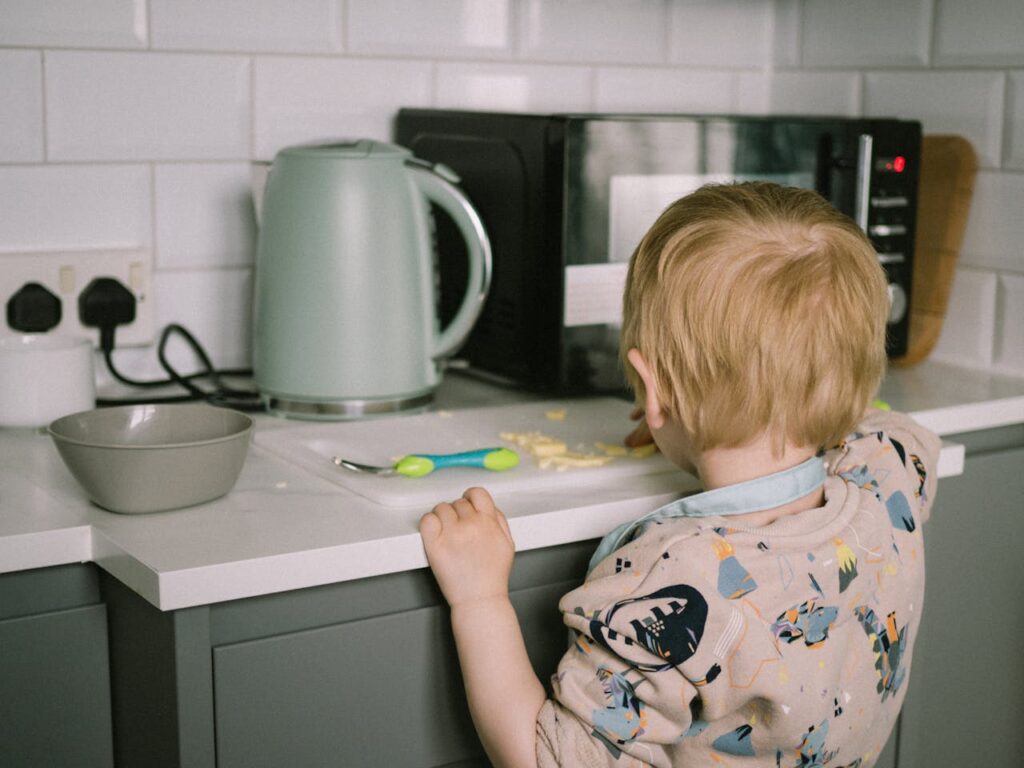
Not all plastics are created equal when it comes to microwaving. Some plastics contain chemicals like BPA (Bisphenol A) that can leach into your food when heated, especially in the microwave. This has been linked to potential health risks, including hormonal disruption.
To stay safe, always use microwave-safe containers, and opt for glass or ceramic when you can. Avoid using plastic wrap directly on food—use a microwave-safe cover instead.