Most of us build our lives around routines that feel normal, practical, and safe. We eat familiar foods, follow ordinary schedules, rely on modern comforts, and assume that happiness usually grows out of habits the wider world accepts. Yet there are always outliers who seem to reject the standard script completely and still insist they are content, productive, and fully at ease with the lives they have chosen.
That is what makes unusual lifestyles so fascinating. They force us to look at comfort, discipline, survival, identity, and freedom from a different angle. Some of these stories are extreme, some are controversial, and some sit in the uneasy space between admiration and disbelief, but all of them reveal the same truth: people can adapt to ways of living that seem almost impossible to outsiders.
The man who lived for decades without bathing

For most people, bathing is more than a hygiene habit. It is a daily reset, a small ritual that separates work from rest and helps restore a sense of comfort. That is why the story of a man who reportedly went decades without bathing feels so hard to process: it challenges a habit many people would rank among the most basic of modern life.
Amou Haji became known worldwide for reportedly avoiding bathing for decades while living in rural Iran. His lifestyle stood out not only for the absence of ordinary hygiene but also for his apparent acceptance of isolation, discomfort, and public attention as part of a life he had come to terms with. Accounts of his daily routine described improvised grooming habits, unconventional personal care, and a deep suspicion that bathing would make him ill.
What makes this story so compelling is not simply the shock factor. It is the way it illustrates how a person can normalize almost anything when it becomes part of a long enough routine. What many people would see as unbearable, he appeared to treat as ordinary, making his life a powerful example of how dramatically human standards of comfort can differ.
The farmer who reportedly lived without sleep
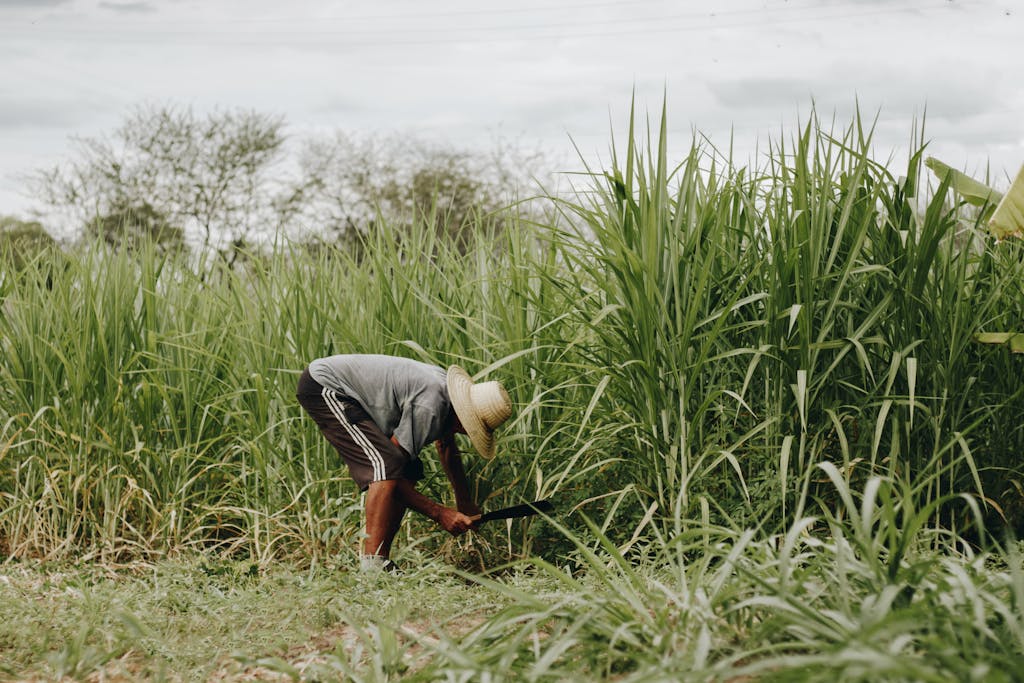
Sleep is usually treated as the body’s nonnegotiable requirement. We can skip a meal, delay a workout, or power through a stressful day, but lack of sleep tends to humble everyone. That is why stories about people who claim to have gone years without sleep attract such intense fascination, because they appear to contradict one of the most fixed rules of biology.
Thai Ngoc has often been described as a man who reportedly stopped sleeping after a fever and then continued living for decades without returning to a normal sleep pattern. What made the story even more startling was the claim that he continued working, handling daily tasks, and functioning without collapsing under the kind of exhaustion most people would expect to cause such a collapse. The image is almost surreal: a person moving through normal life while the rest of the world remains under the sway of bedtime and rest.
The real magnetism of this lifestyle lies in the contradiction. Sleep deprivation is usually linked with poor concentration, emotional strain, and worsening health, yet stories like this endure because they suggest that the human body may sometimes behave in ways that resist tidy explanation. Even for skeptical readers, the idea remains unforgettable because it forces us to reconsider what we assume every human being must need in order to keep going.
The woman who refuses to drink plain water

Water is usually treated as the purest and simplest form of hydration. It has no branding drama, no luxury appeal, and no need for decoration. It is the thing most people reach for automatically, especially after heat, exercise, or illness, which is why a person who openly rejects plain water sounds almost impossible to understand.Lori Cheek became known for describing her dislike of water in unusually blunt terms, treating it as something unpleasant rather than refreshing. Instead of turning to plain water, as most people do, she reportedly preferred other beverages and relied on flavored alternatives when she needed hydration. The striking part of the story was not just the preference itself, but the fact that she appeared to have built an entire daily rhythm around avoiding what most people consider the most basic drink on earth.
What makes this lifestyle interesting is how it reminds us that even universal habits are not as universal as we like to think. We often assume human preferences will naturally align with what is considered essential, but taste, routine, and personal aversion can overpower logic in surprising ways. Her story feels bizarre because it exposes how strongly daily life can be shaped by something as simple as what a person cannot stand to swallow.
The man who turned Big Macs into a lifetime routine
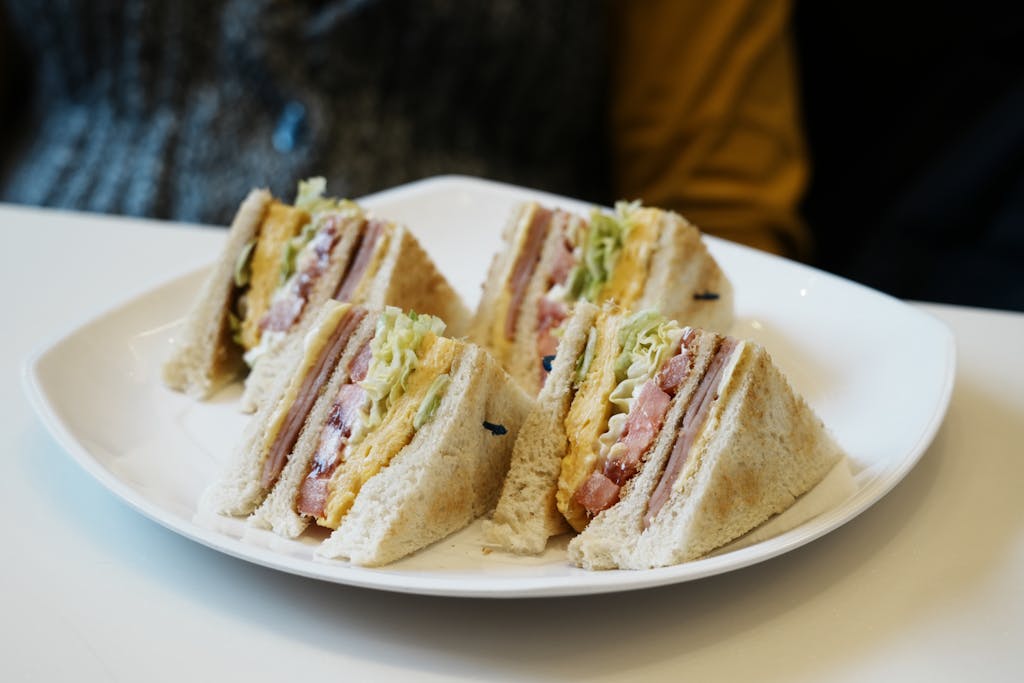
Most people think of fast food as an occasional indulgence. It is the meal grabbed during a rushed day, a late-night craving, or a guilty comfort that feels fine in small doses but reckless as a permanent routine. That is exactly why the story of a man who built a lifetime habit around eating Big Macs lands with such force.
Donald Gorske became famous for reportedly eating Big Macs with astonishing consistency over several decades. Rather than treating the burger as a passing favorite, he transformed it into a fixed pillar of his daily life, returning to the same meal again and again with a discipline that sounds more like ritual than appetite. The sheer repetition is what makes the story so memorable, because it is one thing to enjoy a familiar food and another thing entirely to center years of life around it.
Yet the real twist is that his story is not usually told as a tragedy. It is often presented as a strange form of order, with the fast-food habit balanced by walking, routine, and a kind of personal system he seemed to trust completely. That combination of indulgence and structure gives the story its strange power, turning a symbol of convenience food into a symbol of relentless consistency.
The man who built his diet around raw meat alone

Modern food culture is rife with fierce arguments over what humans should eat. People debate plant-based living, high-protein diets, fasting, supplements, and ancestral eating with near-religious certainty. Still, even in that crowded field of nutritional extremes, a person who lives on raw meat alone stands out immediately as someone operating far beyond the boundaries of mainstream eating.
Derek Nance drew attention for reportedly eating nothing but raw animal products for years and presenting that diet as the source of his improved health. The lifestyle was not framed as a temporary experiment or a shock challenge, but as a stable long-term system that he believed worked better for his body than conventional eating ever had. He also gained notice for using nearly every part of the animals he prepared, which added an element of total commitment to the diet.
What makes this story linger in the mind is its raw confrontation with disgust. Cooked food feels civilized, safe, and refined to most people, while raw meat triggers instinctive resistance. A person who not only tolerates that resistance but fully reorganizes life around it becomes a vivid symbol of how far some people are willing to go once they decide the mainstream menu no longer serves them.
The man who found identity and joy in living like a dog
Modern life often demands control, professionalism, and restraint. People are expected to manage appearances, stay emotionally measured, and move through the world with polished self-awareness. Against that background, someone who embraces life as a human puppy feels like a direct rebellion against adult seriousness.
Tom, known in some circles as a human puppy or by a dog persona, became widely discussed for describing a lifestyle that involves wearing a dog suit, crawling on all fours, eating from a bowl, and sleeping in a crate like a pet. To outsiders, the behavior can seem impossible to understand, but to the person living it, the experience may serve a much deeper emotional purpose. It can become a form of escape, role expression, confidence building, or relief from the usual pressures tied to human social performance.
That is what gives the story its unusual depth. It is easy to dismiss the surface details as spectacle, yet the underlying appeal may be less about absurdity and more about control, belonging, or emotional release. In a culture that tells people to stay within tightly managed identities, radical role play can become its own kind of freedom.
Conclusion
When we hear stories about bizarre lifestyles, the easiest reaction is disbelief. The more useful reaction is curiosity. Not because every unusual habit deserves celebration, but because these stories reveal how deeply human beings crave control over their own lives, even when that control leads them far from what the rest of society considers reasonable.
In the end, these people fascinate us because they live as if permission is irrelevant. They do not wait for their routines to be approved by public opinion, nor do they shape daily life around what looks acceptable from the outside. That level of independence can appear absurd, unsettling, inspiring, or reckless, but it is rarely boring.