Living well into your 90s or beyond is often more about making mindful, long-term choices than chasing trendy diets. While the secret to longevity isn’t exactly a magical list of foods, research consistently highlights the power of simplicity and moderation in our diet. People who live in Blue Zones—regions known for their high numbers of centenarians—tend to eat largely plant-based, nutrient-rich diets, steering clear of certain modern food trends.
So, what foods do they avoid? Here are five things most centenarians almost never make a regular part of their diet.
Processed Meats
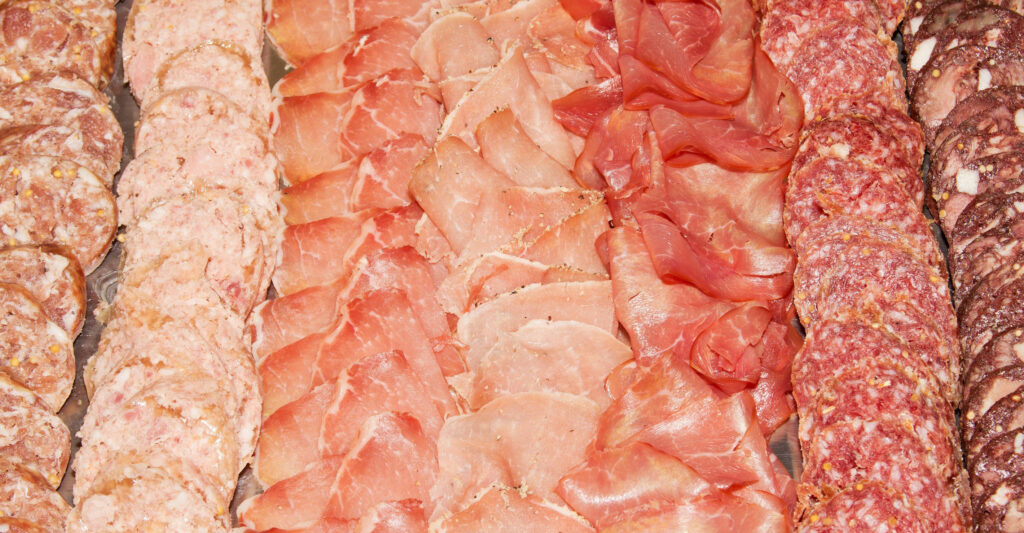
Processed meats like bacon, hot dogs, sausages, and deli meats may offer convenience, but they aren’t part of a longevity-friendly lifestyle.
These foods are often packed with preservatives, sodium, and unhealthy fats, which can increase the risk of chronic diseases such as cancer and heart disease. Long-living populations favor healthier protein sources, such as beans, legumes, and fish, which provide more sustainable energy and fewer harmful additives. Choosing natural proteins instead of processed meats can have a lasting impact on your overall health and longevity.
Red Meat as a Daily Staple
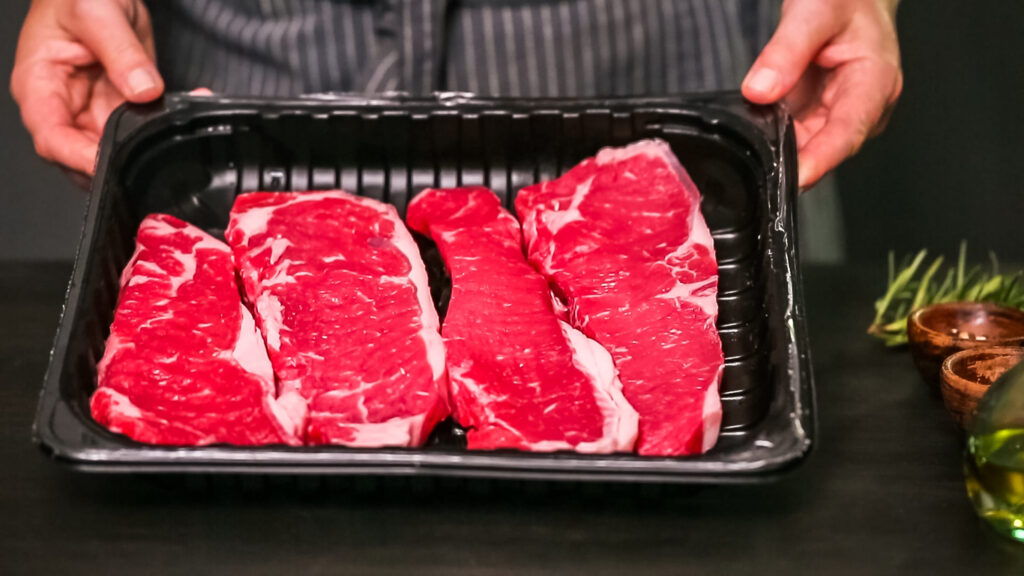
Red meat, while not entirely excluded, is rarely the star of the show in Blue Zone diets. In areas where people live the longest, meat is often consumed in smaller amounts and reserved for special occasions, rather than being a daily habit.
High consumption of red meat has been linked to increased risks of heart disease, certain cancers, and other chronic conditions. Instead, centenarians tend to fill their plates with plant-based foods that offer more fiber, antioxidants, and less saturated fat, helping them maintain better overall health.
Ultra-Processed Foods

In the age of convenience, ultra-processed foods have become a staple in many diets. However, the more a food is processed, the fewer nutrients it typically retains.
These foods are often loaded with artificial additives, unhealthy fats, and excessive sugar, which can wreak havoc on our bodies. Long-lived populations tend to avoid these types of foods, choosing instead whole, fresh ingredients that nourish the body. Research even suggests that a diet high in processed foods may be linked to cognitive decline and other age-related issues, making it all the more important to avoid overly processed products.
Sugary Snacks and Beverages
One thing people in longevity hotspots rarely indulge in is sugary drinks and sweets. Centenarians tend to keep sugar intake to a minimum, instead satisfying their sweet tooth with fresh fruit, which provides natural sugars along with fiber, vitamins, and minerals.
Research has shown that excess sugar consumption can lead to obesity, diabetes, and heart disease—conditions that can cut short a person’s lifespan. By sticking to natural sources of sweetness and cutting down on processed sugars, centenarians maintain their health well into their later years.
Dairy, Especially Cow’s Milk
Though not entirely eliminated, dairy is rarely the foundation of a centenarian’s diet. Many Blue Zone residents consume dairy products in small amounts, often opting for goat or sheep milk or fermented dairy, which provides more beneficial bacteria for gut health.
Cow’s milk is not a daily essential in these regions, where people emphasize plant-based alternatives such as beans, grains, and vegetables. While dairy can be part of a healthy diet for some, it’s clear that centenarians typically don’t rely on it as a mainstay of their nutrition.