In the fascinating world of agriculture, some of the most commonly consumed fruits, nuts, and vegetables have surprising origins. These plants, often considered “natural,” are actually the result of human breeding and hybridization. From the humble cabbage to the flavorful strawberry, many of the foods we take for granted today were shaped by selective breeding and even cross-pollination facilitated by insects. Let’s explore some of the most intriguing man-made foods and how they came to be.
Cabbage, Broccoli, Cauliflower, Kale, and More
It’s hard to imagine that vegetables like broccoli, cauliflower, kale, and brussels sprouts all share a common ancestor: wild mustard. This plant, scientifically known as Brassica oleracea, was first cultivated around 2,500 years ago in the Mediterranean region. Over generations of selective breeding, ancient Romans and Greeks refined wild mustard into the various vegetables we recognize today.
- Kale and Collard Greens: By selecting plants with larger leaves, ancient growers produced the leafy greens we now use in salads and soups.
- Cabbage and Kohlrabi: Breeding plants with large buds led to cabbage, while those with swollen stems produced kohlrabi.
- Broccoli and Cauliflower: By selecting for larger flower heads, these two veggies emerged, offering a rich source of vitamins.
In the 20th century, further hybridization occurred, including the creation of broccolini in 1993, a cross between broccoli and kai-lan (Chinese broccoli). It’s a testament to how far we’ve come in manipulating plant genetics to suit our culinary preferences.
The Orange
The orange, a beloved citrus fruit, is the product of an ancient hybridization between the pomelo and mandarin. While the pomelo is bitter and the mandarin is sweet, their union has produced a fruit that has become synonymous with refreshment. Its origins are believed to trace back to southern China, where humans began cultivating this hybrid fruit over centuries.
Notably, the tangerine is often confused with an orange, but it actually evolved solely from the mandarin. In contrast, the tangeloa, a cross between a tangerine and a pomelo, sits in the gray area of citrus history. The evolution of the orange has led to numerous varieties, each distinct in flavor and texture.
The Peanut
The peanut, a staple snack and essential ingredient in cooking, is a hybrid of two wild species: Arachis ipaensis and Arachis duranensis. These two plants were geographically separated, and it was only through the intervention of early settlers in South America that they were brought together. Over 10,000 years ago, bees helped cross-pollinate these plants, resulting in the modern peanut we recognize today.
This unique hybridization process marks a pivotal moment in the region’s agricultural history, highlighting how human migration and natural cross-pollination combined to create a universally beloved legume.
Bananas
The modern banana, now found in grocery stores worldwide, is a hybrid of the wild Musa acuminata and Musa balbisiana. The former has a fleshy interior but is unpalatably bitter, while the latter, though sweet, is full of seeds. These two species naturally crossed in the forests of Southeast Asia, producing a sterile hybrid.
Early humans, around 10,000 years ago, discovered that by replanting the shoots of this hybrid, they could grow new banana trees. Over generations of selective breeding, humans refined this fruit into the sweet, seedless variety we consume today. The absence of seeds, however, means that the banana is clonally propagated, making it vulnerable to disease.
Almonds
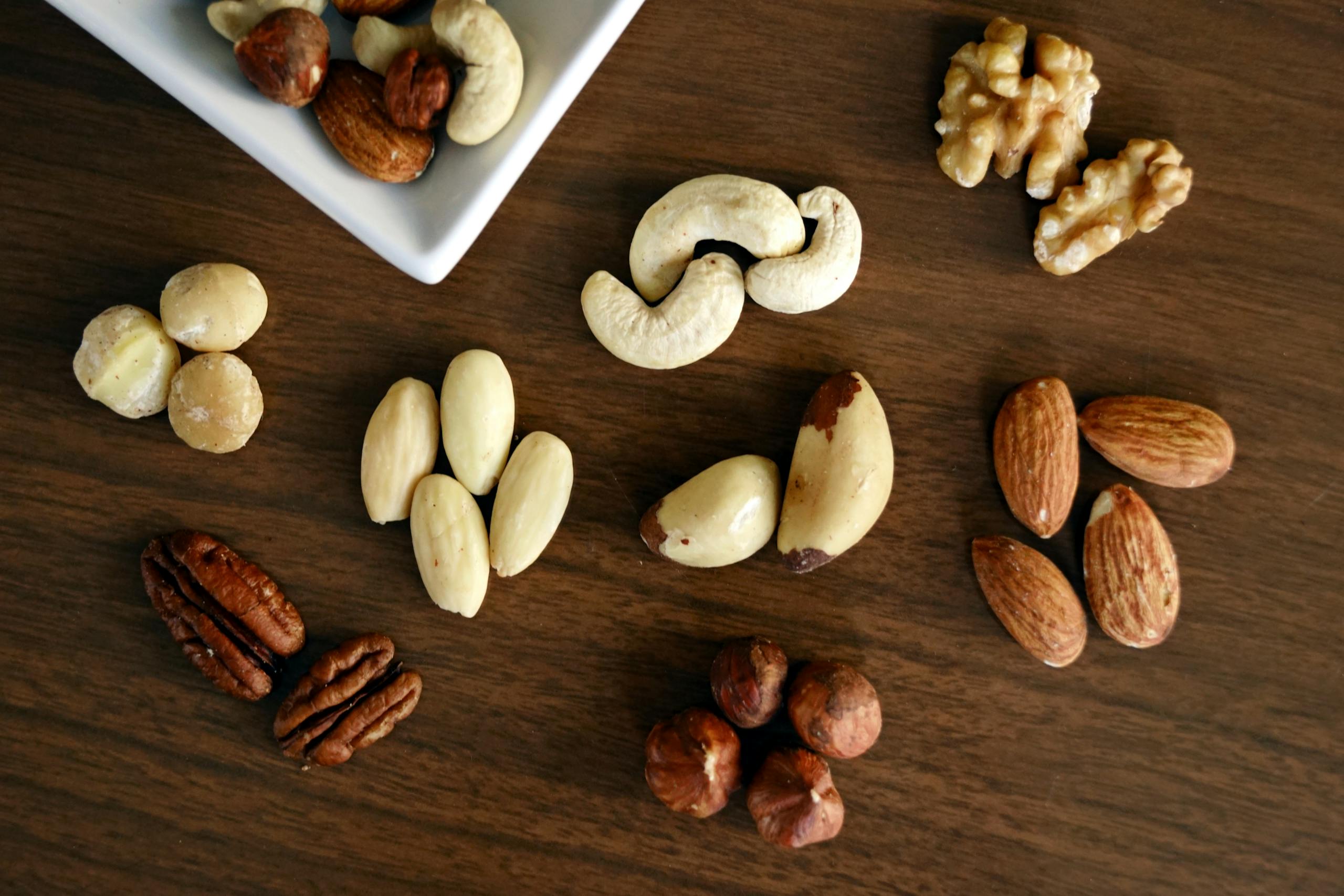
Almonds, once a bitter and inedible nut, have a surprising origin. The modern almond is a hybrid of the wild almond, Amygdalus fenzliana. Wild almonds contain cyanide, making them potentially deadly when consumed in large quantities. However, through selective breeding, humans transformed this bitter nut into the sweet, edible variety that is now a cornerstone of many cuisines worldwide.
The precise history of almond hybridization remains unclear, but it is believed to have originated in the region encompassing Armenia and Azerbaijan. The modern almond’s journey from bitterness to sweetness underscores the transformative power of selective breeding.
Grapefruit
The grapefruit, often mistaken for the pomelo, is a hybrid between the pomelo and the orange. It is believed to have first appeared around 1693, when Captain Shaddock brought pomelo seeds to the West Indies, where they cross-pollinated with nearby orange trees. Initially known as “shaddocks,” the fruit was later renamed grapefruit because of its resemblance to grapes while still on the tree.
Despite its mysterious origins, the grapefruit is a testament to how accidental hybridization led to the creation of a beloved citrus fruit. It wasn’t until 1948 that botanists confirmed the grapefruit as a distinct hybrid.
Carrots
Carrots were not always the orange root vegetable we know today. In fact, the first domesticated carrots were purple or white, with smaller, less desirable roots. It wasn’t until around the 10th century in Persia that the first recognizable ancestor of the modern carrot appeared. Through centuries of selective breeding, these carrots were cultivated for their size and flavor, eventually evolving into the orange carrots we eat today.
The creation of the modern carrot was driven by the desire for larger roots, and over time, the wild purple and white varieties were gradually replaced by the more palatable orange carrot.
Strawberries
Strawberries, one of the most popular fruits worldwide, are a hybrid between the wild strawberry (Fragaria vesca) and the Chilean strawberry (Fragaria chiloensis). The hybridization of these two species began in France in the 18th century, with botanists selecting the best traits from each species.
Antoine Nicolas Duchesne is credited with creating the modern strawberry in 1764 by crossing these two species. Today, the strawberry continues to be refined through breeding, but its origins as a hybrid fruit remain key to understanding its unique flavor and aroma.
Conclusion
The fascinating world of hybridization reveals how humans have shaped the plants we eat today. From the humble cabbage to the sweet strawberry, these man-made fruits, nuts, and vegetables are the result of centuries of selective breeding, cross-pollination, and even serendipitous accidents. These hybrid creations are not only a testament to human ingenuity but also a reminder of how our agricultural practices have shaped the foods we consume today.