Vegetables are often seen as the cornerstone of a healthy diet. They are packed with essential vitamins, minerals, and fiber, providing the necessary nutrients to support overall health.
However, not all vegetables have a reputation for being entirely safe. Some, when consumed incorrectly or under certain conditions, can lead to severe health complications, and in extreme cases, even fatalities.
Here’s a closer look at 10 vegetables that have tragically caused human deaths, shedding light on the hidden dangers that can lurk in everyday produce.
Zucchini
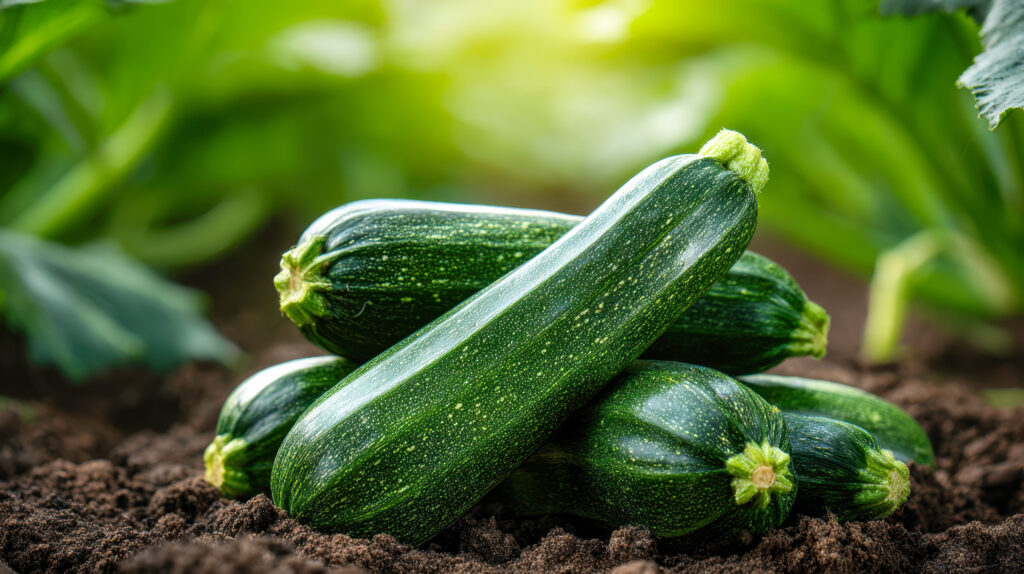
Zucchini is often a favorite in summer gardens, but it comes with a hidden danger that can be deadly if mishandled. The culprit is cucurbitacin, a toxic compound found in some members of the Cucurbitaceae family, which includes pumpkins, cucumbers, and squash.
In 2015, an elderly German couple tragically fell ill after consuming a zucchini from a neighbor’s garden. The zucchini had a bitter taste, a telltale sign of cucurbitacin.
Ludwig, who ate a large portion of the stew made with the zucchini, succumbed to poisoning. His wife, Inge, consumed less and managed to survive. This incident serves as a stark reminder to be cautious when growing your own vegetables and to avoid consuming bitter squash, as it may contain dangerous toxins.
Red Chilies
Red chilies add a fiery kick to dishes, but when consumed in excess, they can be lethal. In 2008, Andrew Lee, an aspiring chef from Edlington, England, tragically passed away after a spicy food challenge with his girlfriend’s brother.
He ate a large helping of a homemade sauce made from red chilies grown in his father’s garden. Later that evening, he complained of severe discomfort and itching, which eventually led to a heart attack.
Despite being in perfect health prior to the incident, the massive amount of capsaicin in the chilies may have triggered a severe allergic reaction, possibly leading to anaphylactic shock.
Capsaicin can damage the stomach lining in high doses, which in turn could lead to complications like heart failure if untreated. This tragedy highlights the potential dangers of consuming extremely spicy food, particularly when taken in large quantities.
Spinach
Spinach has long been considered a superfood due to its nutrient density, but it became a public health hazard in 2006 when an E. coli outbreak linked to bagged spinach resulted in several fatalities.
The outbreak affected nearly 200 people, leading to hospitalizations and at least three deaths. The contaminated spinach came from a farm in California and caused widespread illness across the United States. Many of the victims, including elderly individuals and young children, suffered from kidney failure due to the bacterial infection.
The event became a major food safety crisis, prompting stricter regulations on produce handling and safety measures. While spinach is generally healthy, this incident reminded the public that even vegetables known for their health benefits can pose a threat when improperly handled or contaminated.
Peas
Canning vegetables at home can be a great way to preserve food, but if done incorrectly, it can be fatal. In 1931, a family in North Dakota hosted their annual winter dinner party, serving a salad that included home-canned peas.
Sadly, 12 of the 13 people who ate the salad fell seriously ill and died shortly afterward. The culprit was botulism poisoning caused by toxins in the improperly canned peas. Botulism is a deadly disease that affects the nervous system, causing paralysis and, in severe cases, death.
The symptoms of botulism include blurred vision, difficulty swallowing, and muscle weakness. This tragedy serves as a warning about the dangers of home canning and the importance of following proper canning protocols to avoid contamination.
Corn
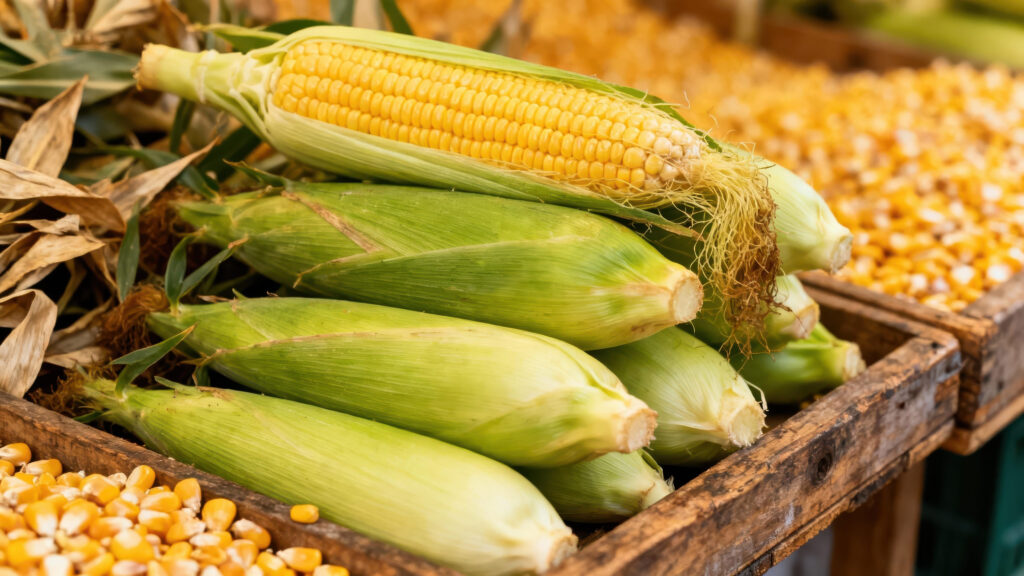
Corn is a staple in many cultures around the world, but it can become a deadly hazard when improperly stored in grain bins. In 2010, two young workers, Wyatt Whitebread and Alejandro Pacas, tragically lost their lives in a corn bin engulfment incident.
The two teenagers were trying to dislodge crusted corn kernels from the sides of a grain bin when a sudden avalanche of corn trapped them inside. The pressure from the falling corn caused suffocation, and despite rescue efforts, both were pronounced dead.
This incident highlights the deadly risks of grain storage, particularly with corn, which is often stored in large, sealed bins. Workers in these environments must take proper precautions to avoid dangerous situations like this one.
Cucumbers
Cucumbers are generally considered safe to eat, but they can pose a serious risk if contaminated with harmful bacteria such as Salmonella. In 2015, a nationwide outbreak of Salmonella infection in the United States was linked to cucumbers imported from Mexico.
The contaminated cucumbers led to the hospitalization of over 200 people, and at least four deaths were attributed to the outbreak. Salmonella infection can cause symptoms such as fever, diarrhea, and abdominal cramps, and in severe cases, it can spread to the bloodstream, leading to sepsis. This outbreak underscores the importance of food safety and the need for proper sanitation during the production and distribution of vegetables.
Potatoes
Potatoes, a beloved vegetable, can be dangerous when not prepared or stored correctly. Potatoes that have turned green or developed sprouts contain solanine, a toxic compound that can cause nausea, vomiting, and even death in large quantities.
In 2013, a Russian family tragically died from the toxic fumes emitted by a bag of rotting potatoes stored in their basement. The decomposing potatoes released solanine fumes, which caused the family to faint and eventually die from poisoning. This incident emphasizes the importance of proper storage and handling of potatoes to avoid exposure to dangerous toxins.
Lettuce
Lettuce, often associated with healthy salads, became a source of tragedy in 2007 when a woman named Sheila Kay Ross was crushed to death by a load of lettuce in a semi-trailer.
While making a routine delivery to a grocery store, Ross was tragically pinned inside the trailer when it was being loaded with lettuce.
Despite search efforts, her body was discovered days later. The cause of death was determined to be accidental, but this unusual case serves as a reminder that even the most seemingly harmless foods, like lettuce, can become dangerous under the wrong circumstances.
Frozen Vegetables
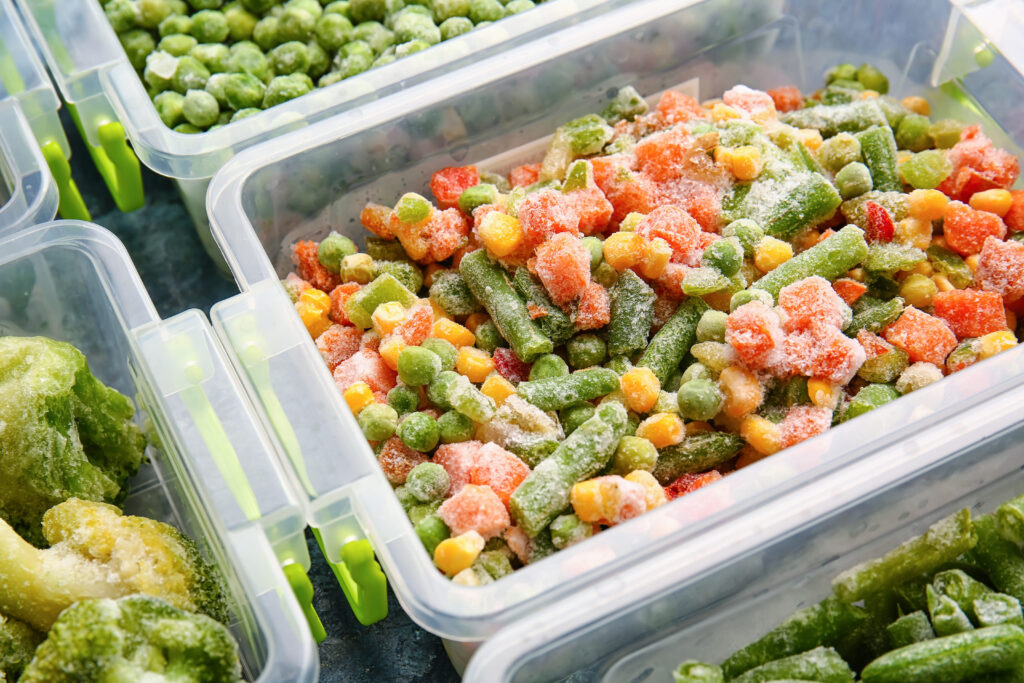
Frozen vegetables are a convenient and nutritious option for many households, but they can pose serious health risks if contaminated with bacteria such as Listeria.
In 2016, a Listeria outbreak linked to frozen vegetables caused multiple hospitalizations and one fatality. The outbreak was traced to products from CRF Frozen Foods, which were sold at major grocery chains across the United States.
Listeria is a particularly dangerous pathogen, as it can cause severe infections, especially in pregnant women, the elderly, and those with weakened immune systems. If the bacteria spread to the bloodstream, it can lead to septicemia and, in extreme cases, death.
Canned Vegetables
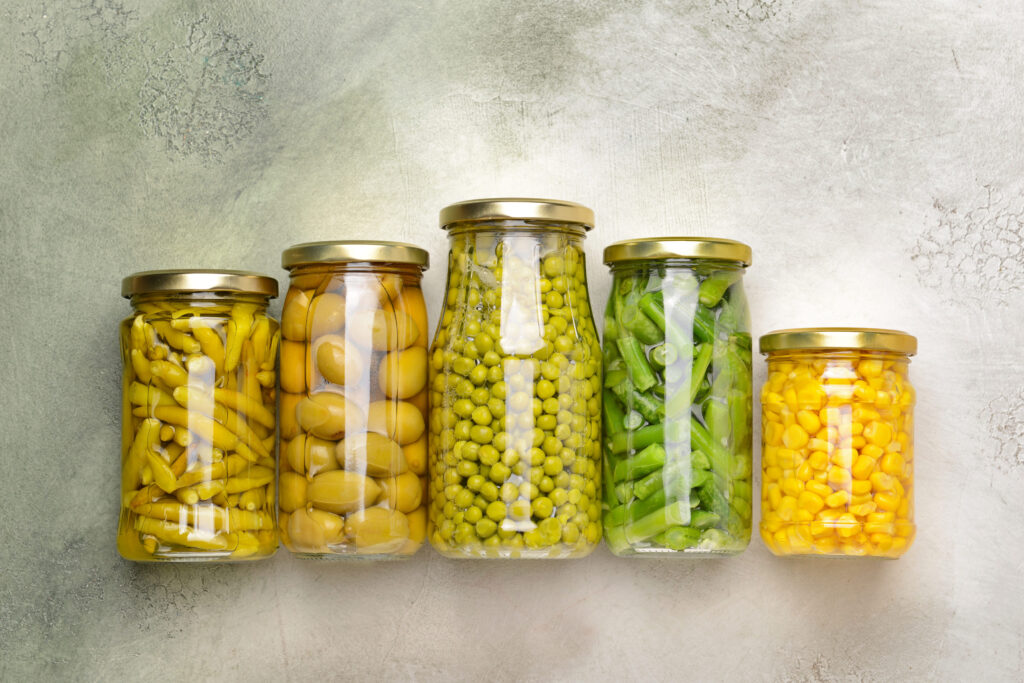
Canned vegetables are often seen as a convenient option for long-term food storage, but they can be deadly if not properly handled. In 2015, a woman named Linda Clarene Jackson was accused of poisoning her husband with canned vegetables, which led to his death.
The incident revealed the potential dangers of improperly canned food, which can harbor harmful bacteria or toxins. Canned vegetables must be sealed and stored correctly to avoid contamination. This case serves as a reminder that even the most ordinary food items can become deadly when mishandled.