Medical terms can sound cold and technical, but some are surprisingly vivid. Over time, doctors have used food names to describe the color, texture, or appearance of certain conditions. These names are memorable because they turn complex medical ideas into clear mental images
Some of these are true disorders, while others are signs, lesions, or pathologic patterns. Either way, the names stick. Here are ten well-known medical conditions and findings named after food.
Blueberry muffin rash

Blueberry muffin rash describes dark red, blue, or purple skin spots seen in some newborns. It is strongly linked to congenital rubella, though other conditions can cause a similar look. The name comes from the way the spots resemble berries baked into a muffin. Even though the term sounds light, it can point to serious problems that need urgent medical attention.
Port wine stain
A port wine stain is a red or purple birthmark caused by abnormal blood vessels near the skin. It gets its name from its deep wine like color. Some are harmless, but others may be linked to more serious conditions depending on where they appear. The term remains common because the color match is so clear.
Nutmeg liver

Nutmeg liver is a term for chronic liver congestion, usually caused by heart failure. When blood backs up into the liver, the organ develops a mottled appearance resembling grated nutmeg. The name describes what doctors see rather than what the patient feels. It is a memorable sign of how heart disease can damage the liver over time.
Bread and butter pericarditis
Bread-and-butter pericarditis is a descriptive term for fibrinous pericarditis, an inflammation of the sac around the heart. The inflamed surfaces look rough and layered, like buttered bread pulled apart. It can cause chest pain and a stethoscope-rubbing sound. The image is old, but it still helps students and doctors remember the condition.
Chocolate cyst
A chocolate cyst is an ovarian endometrioma caused by endometriosis. Repeated bleeding within the cyst forms a thick, brown material that resembles melted chocolate. These cysts can cause pelvic pain, painful periods, and fertility problems. The name may sound unusual, but it points to a painful and very real gynecologic condition.
Watermelon stomach
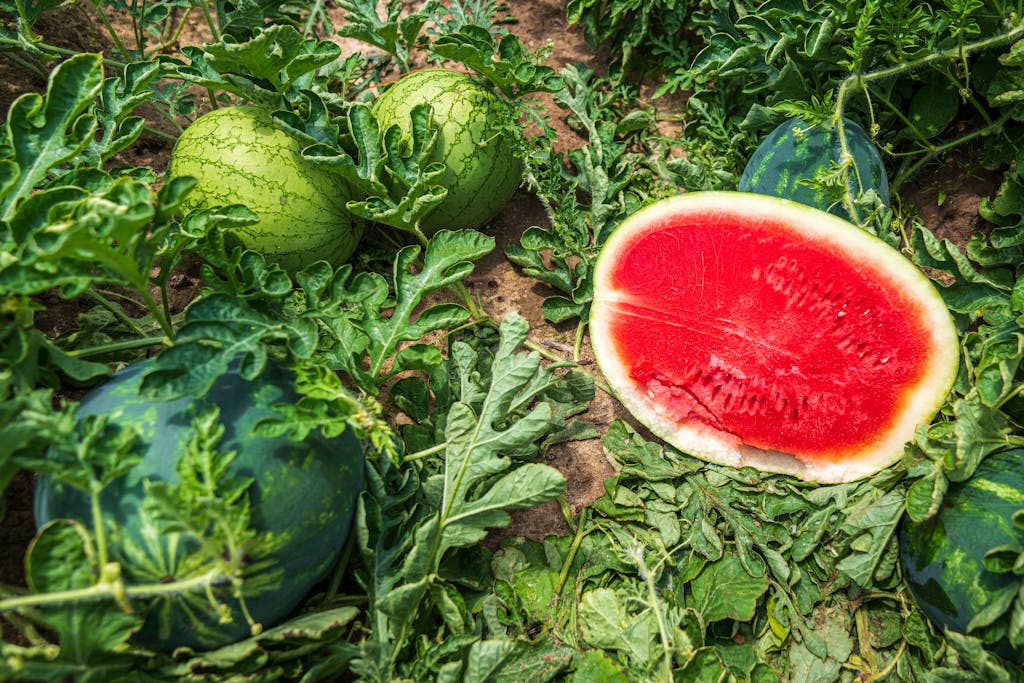
Watermelon stomach is another name for gastric antral vascular ectasia, or GAVE. It involves abnormal blood vessels in the stomach that can cause bleeding and anemia. The inside of the stomach shows red streaks that resemble the markings of a watermelon. It may sound playful, but it can lead to serious digestive problems if ignored.
Café au lait spots
Café au lait spots are flat, light-brown skin patches whose name means “coffee with milk.” One or two spots are usually harmless, but multiple spots can suggest an underlying genetic disorder such as neurofibromatosis type 1. The name comes directly from their color. It is one of the gentlest-sounding food-based medical terms, but it can carry important clinical meaning.
Cauliflower ear

Cauliflower ear happens after repeated trauma to the outer ear. Blood collects under the skin, damages the cartilage, and causes the ear to heal into a swollen, irregular shape. The result looks like a cauliflower, which gave the condition its name. It is common in contact sports and can become permanent without early treatment.
Strawberry gallbladder

Strawberry gallbladder is the nickname for gallbladder cholesterolosis. Cholesterol builds up on the gallbladder lining, creating a speckled appearance resembling the surface of a strawberry. In many cases, it is found by chance and causes no major harm. The name survives because the visual comparison is simple and exact.
Currant jelly sputum
Currant jelly sputum describes thick, dark red mucus sometimes seen in severe lung infections, especially Klebsiella pneumonia. The sputum looks like currant jelly because it contains mucus, blood, and inflammatory debris. It is a dramatic sign that the infection is serious. Few medical phrases are as graphic or as memorable.
Conclusion
Food named medical terms may sound strange, but they serve a clear purpose. They make difficult ideas easier to remember by linking disease patterns to familiar images. Some describe harmless marks, while others point to serious illness. That mix of vivid language and clinical meaning is exactly why these names have lasted so long.