Steam cleaners are a marvel of modern cleaning technology, providing an eco-friendly, chemical-free way to sanitize, disinfect, and refresh surfaces around your home. With the right tools, you can tackle everything from kitchen grime to bathroom mold. However, not all surfaces are suited to the intense heat and moisture of steam cleaning.
In fact, certain materials are highly susceptible to damage or discoloration when exposed to high-temperature steam. To prevent costly repairs and preserve the integrity of your home, here’s a list of nine surfaces that should never come in contact with your steam cleaner.
Unsealed Floors and Certain Types of Flooring

While steam cleaning can be great for sealed, durable floors, unsealed surfaces are at high risk. Steam can penetrate porous materials like unsealed hardwood, laminate, and unglazed tile, causing warping, swelling, and discoloration. Additionally, carpets should be cleaned with care, as excess moisture can promote mold and mildew growth. Always verify whether your flooring is sealed before using a steam cleaner.
Water-Based Painted Walls
Walls painted with water-based paints are vulnerable to heat exposure. Steam can cause the paint to separate from the surface or dry out, leading to peeling and cracking. To preserve the finish and avoid expensive touch-ups, refrain from using steam cleaners on painted walls. Instead, clean these surfaces with gentle, paint-friendly methods to maintain their color and integrity.
Natural Stone and Laminate Countertops

Marble, granite, and natural stone countertops can be easily damaged by steam. The intense heat can erode the stone’s surface, leading to cracks or discoloration. Laminate countertops are similarly vulnerable, as steam can cause the adhesive to break down, resulting in bubbling and peeling. Stick to mild cleaning methods specifically designed for stone or laminate surfaces to avoid any damage.
Polished Wood Furniture and Cabinets
Wooden furniture and cabinetry with a varnished or glossy finish should never be exposed to steam. High moisture levels can strip away the shine, leaving a dull, clouded appearance. Over time, excessive steam can even warp the wood or loosen joints. For optimal wood care, use dry cloths or wood-safe cleaning solutions and avoid exposing polished surfaces to any steam-based cleaning.
Cold Glass Windows
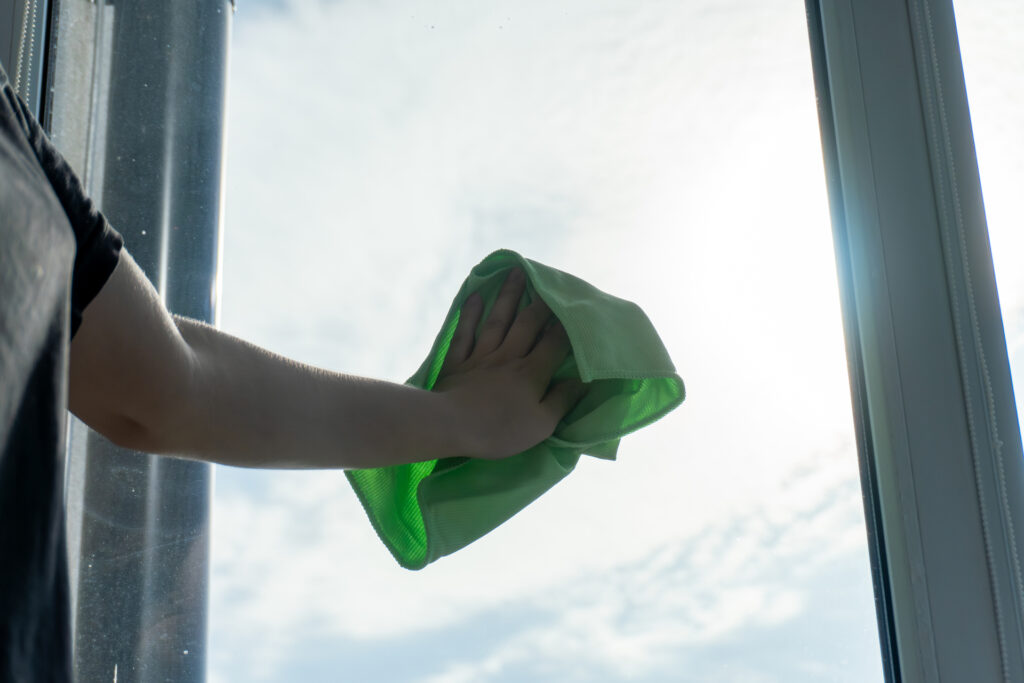
When it’s cold outside, your windows are already at risk of shattering due to rapid temperature changes. Exposing cold glass to the intense heat of a steam cleaner can cause it to crack or break, much like pouring hot water on an icy windshield. To avoid this, always ensure that the glass is at room temperature before steaming, and avoid using the steam cleaner on windows during the winter months.
Thin Plastic Items
While thicker plastics, such as children’s toys or durable kitchenware, may withstand steam cleaning well, thinner plastics are much more susceptible to heat damage. High temperatures can cause these items to warp, melt, or crack. To prevent ruining plastic items, always check their heat tolerance before using a steam cleaner. For delicate plastics, opt for alternative cleaning methods that don’t involve high temperatures.
Wallpaper

Steam cleaning can be an effective method for removing wallpaper, but it’s not ideal for routine cleaning. The heat can loosen the adhesive, making your wallpaper peel off, which could lead to costly reinstallation. If you’re simply trying to clean a surface, avoid using steam and instead use a damp cloth or a mild cleaning solution to maintain the wallpaper without causing damage.
Velvet and Velour Upholstery
Velvet and velour offer a plush, luxurious feel to any room. However, these delicate fabrics don’t fare well under high temperatures. Steam can distort the fabric’s texture, causing it to lose softness and even discolor over time. For fabric maintenance, use the manufacturer’s recommended cleaning methods rather than applying heat, which can damage the material’s weave and appearance.
Stucco and Brick Walls
Stucco and brick surfaces are porous and highly absorbent. Steam cleaning can cause the moisture to penetrate these surfaces, promoting the growth of mold and mildew. The high heat may also loosen or damage the mortar, weakening the wall’s structure over time. If you need to clean these surfaces, consider using a gentle scrub method that doesn’t involve steam, or consult a professional for advice.