Let’s be honest, how often do we hold onto things simply because they seem to still be “good enough”? It’s easy to convince ourselves that we can stretch the life of an item just a little bit longer, especially when it’s something small or seemingly inconsequential.
But the reality is, there are several household items that we use daily that can quickly lose their effectiveness, hygiene, or safety without us even realizing it. From your favorite cutting board to that sponge you’ve been using for weeks, many items need to be replaced far more often than we think.
Replacing these items on a regular schedule isn’t just about tidiness; it’s about protecting your health, comfort, and long-term safety. Some of the most commonly used objects in our homes are actually hiding bacteria, allergens, or simply wear down in ways that impact performance. Below, we’ll break down these items, provide practical reasons to stay on top of replacements, and offer expert-backed tips on when to swap them out for fresh versions.
Kitchen Sponges
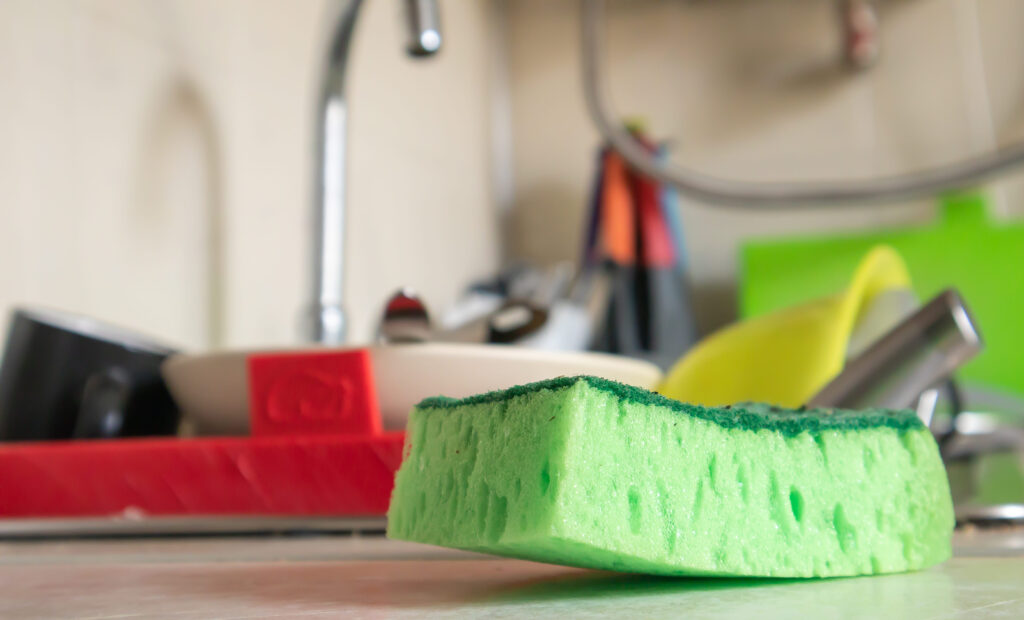
Most of us rely on kitchen sponges as the workhorses of our cleaning routines, but unfortunately, they have a very short lifespan when it comes to cleanliness and hygiene.
Even after a thorough washing, the damp sponge can still harbor germs and bacteria, making it an ideal breeding ground for illness-causing pathogens. The USDA recommends replacing kitchen sponges every 1 to 2 weeks. This is not just for sanitation; a worn-out sponge becomes less effective in scrubbing and cleaning dishes.
To keep your kitchen hygienic, toss that sponge when it starts to look worn, smell off, or fray. By replacing it regularly, you minimize the risk of contamination from your dishes to your countertops.
Plastic Food Containers
We’ve all been guilty of holding onto plastic food containers for much longer than we should. Over time, plastic can scratch, stain, or warp, especially when microwaved or subjected to repeated washes.
These imperfections can make it harder to clean the container thoroughly, and as a result, harmful bacteria may linger and transfer to your food. Additionally, scratched or damaged plastic can leach harmful chemicals into your food, which is especially concerning when the container is used for reheating.
Plastic food storage containers should be replaced as soon as they show signs of wear, including cracks, discoloration, or a loss of their ability to properly seal. Experts recommend replacing these containers every 12 to 18 months, depending on use, so keep an eye out for damage.
Toothbrushes
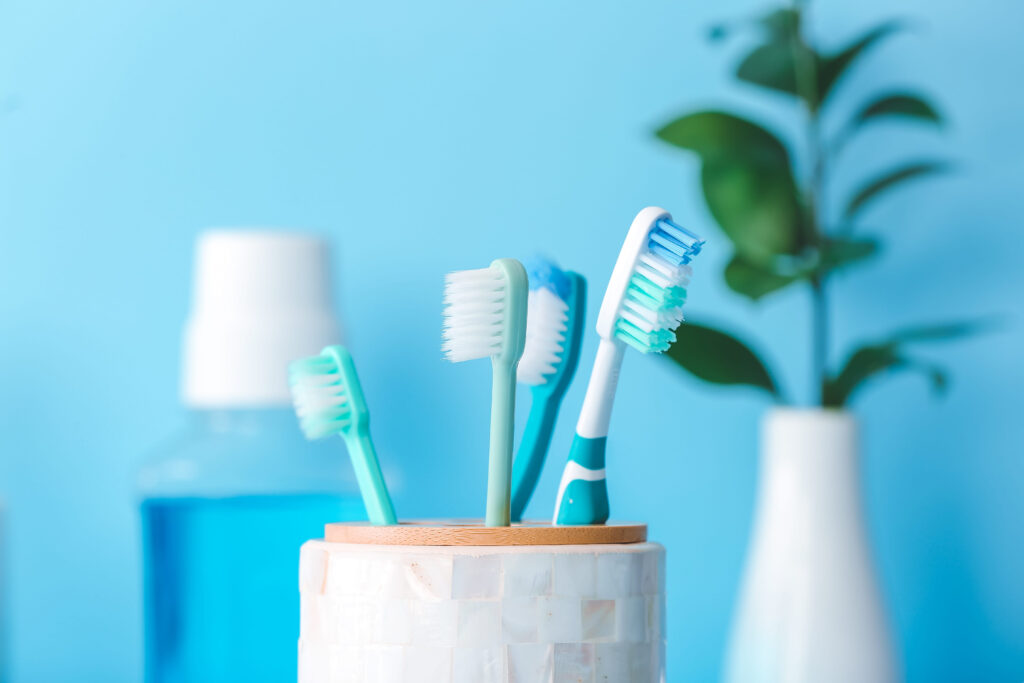
You may not realize it, but your toothbrush is working hard every day, and over time, its bristles begin to lose their effectiveness. According to the American Dental Association (ADA), toothbrushes should be replaced every three to four months to ensure optimal performance.
A toothbrush that has been used for too long will not clean your teeth as effectively, leading to plaque buildup, cavities, and even gum disease. The bristles become frayed, especially around the gumline, which reduces the ability to scrub away food particles and bacteria.
Additionally, if you’ve recently been sick, it’s recommended to replace your toothbrush to prevent reinfection. Keeping your toothbrush fresh and functional not only improves your oral health but also prevents bacterial buildup in the bristles.
Windshield Wiper Blades
Windshield wiper blades are essential for maintaining visibility while driving, but they are often neglected until we notice a problem, usually in the middle of a rainstorm.
Over time, the rubber on wiper blades deteriorates due to exposure to sunlight, heat, and road debris. Toyota recommends replacing wiper blades every six to 12 months, depending on the climate and how frequently they’re used. If the wipers are streaking, squeaking, or missing spots on the windshield, they are no longer doing their job effectively.
Don’t wait until you’re driving in a downpour to realize that your blades need replacing. Regular replacement ensures that your visibility remains clear in all conditions, keeping you safer on the road.
Fire Extinguishers
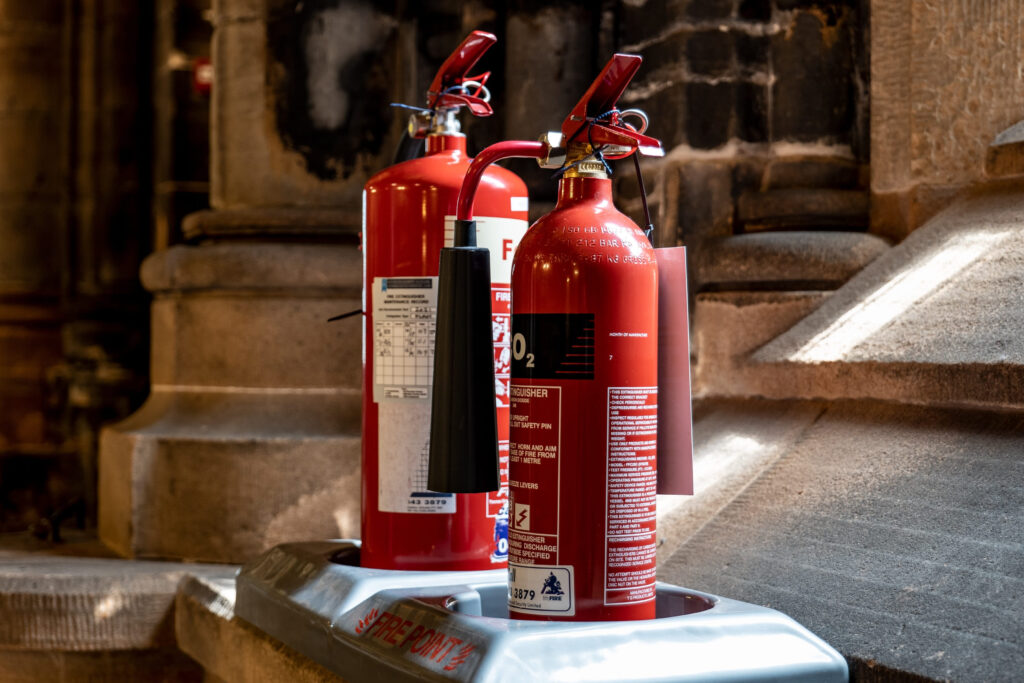
A fire extinguisher is a crucial item in any home, especially in high-risk areas like the kitchen or garage.
However, fire extinguishers have a shelf life, and many homeowners fail to replace or service them until it’s too late. According to First Alert, fire extinguishers generally last 10 to 12 years before their contents lose pressure or degrade, making them ineffective during an emergency.
If the extinguisher has been used even just once, it needs to be recharged or replaced. You should also inspect it regularly to ensure it’s still pressurized and ready for use. Replacing old fire extinguishers ensures you’re prepared for an emergency, without relying on equipment that might fail when you need it most.
Plastic Cutting Boards
Cutting boards are used multiple times a day, but their constant exposure to knives, food, and cleaning agents can cause them to harbor harmful bacteria.
Both plastic and wooden boards can accumulate cuts, grooves, and stains that trap bacteria, even if you wash them after every use. The USDA recommends replacing your cutting board when it shows significant wear or becomes difficult to clean properly.
Regularly replacing your cutting board helps prevent foodborne illness by ensuring no harmful pathogens remain embedded in cracks or grooves.
Pillows
It’s easy to forget about your pillow until you wake up with neck pain, but pillows, like mattresses, lose their effectiveness over time. The Sleep Foundation recommends replacing your pillow every one to two years to ensure proper support for your neck and head.
Over time, pillows accumulate dust mites, allergens, and oils from your skin, which can contribute to poor sleep quality and allergies. When your pillow starts losing its shape or feels flat, it’s time to get a new one to ensure you get the best possible rest.
Smoke Detector Batteries
Smoke detectors are essential for home safety, yet many homeowners fail to maintain them properly. The National Fire Protection Association (NFPA) recommends testing smoke detectors monthly and changing the batteries at least once a year.
The best time to change batteries is during daylight saving time, which serves as a yearly reminder. In addition to battery changes, the NFPA advises replacing the entire smoke detector every 10 years to ensure it works as effectively as possible.
Shower Curtains
Shower curtains, especially the plastic liners, are a breeding ground for mold and mildew. Kohler recommends replacing shower curtains every six months, or sooner if they show signs of mold buildup.
Even if you clean them regularly, over time, they absorb moisture and become susceptible to bacteria and mildew. Replacing shower curtains regularly helps keep the bathroom cleaner and the environment healthier.
Furnace Filters
Furnace filters play a crucial role in maintaining air quality, yet they are one of the most overlooked household items. The EPA recommends replacing furnace filters every 90 days to ensure that the HVAC system runs efficiently and doesn’t blow dust, allergens, or mold spores back into your home.
A clogged filter forces your heating system to work harder, leading to higher energy bills and potential damage. Regularly replacing your furnace filter keeps your home comfortable and energy-efficient. (EPA)
Toilet Brushes
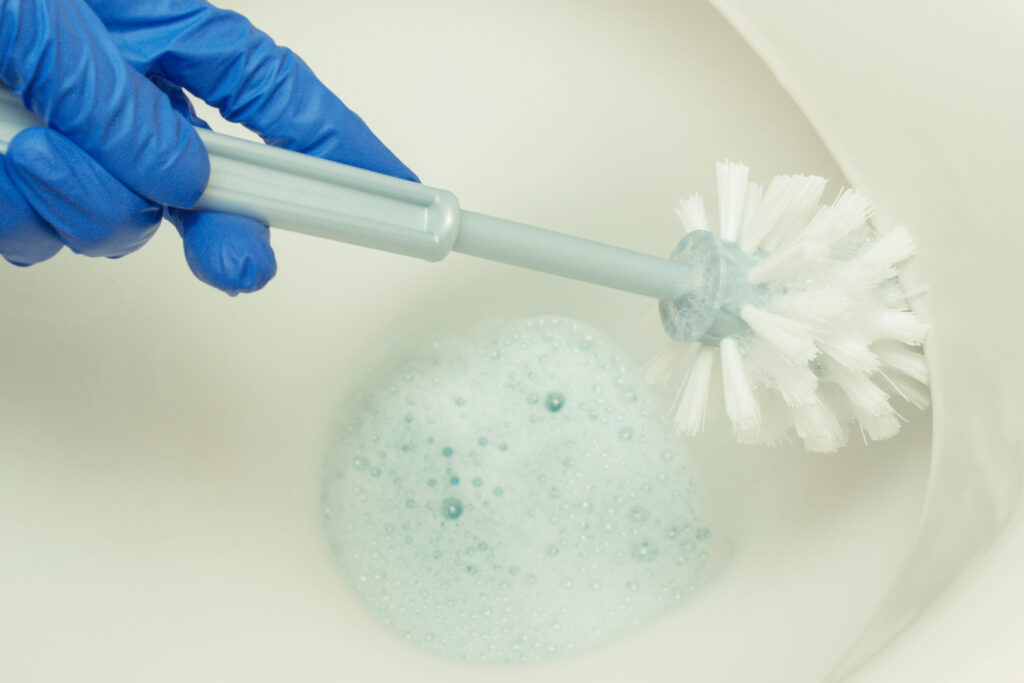
The toilet brush is often overlooked in the cleaning routine, but it plays a critical role in maintaining bathroom hygiene. Consumer Reports recommends replacing your toilet brush every six months, or sooner if the bristles are worn down or the brush starts to develop an odor.
Over time, toilet brushes can collect bacteria, and if not replaced, they can spread germs back onto the toilet. Regularly replacing your toilet brush ensures it performs properly and helps keep your bathroom sanitized.