Some inventions arrive with a bang, but the ones that truly change us tend to slip into daily life so smoothly that we stop noticing their power.
One day, they feel novel, and the next, they are woven into routines, habits, conversations, and even how we move through the world. The original article highlights ten devices that did exactly that, from smartphones and PCs to GPS units, smartwatches, home assistants, 3D printers, digital cameras, wireless earbuds, drones, and electric cars.
Electric Cars Changed the Meaning of Everyday Travel

Electric cars forced people to rethink transportation. Instead of fuel stops, engine noise, and tailpipe emissions, they introduced a driving experience built around battery range, quieter movement, and a cleaner image of mobility.
Their rise has pushed cities, manufacturers, and governments to rethink infrastructure, incentives, and what a normal car should look like in the years ahead. That is not a simple product shift, it is a cultural one.
The Smartphone Turned One Device Into an Entire Lifestyle
The smartphone did not just replace the old mobile phone. It swallowed a camera, a planner, a map, a music player, a wallet, and often a work desk too.
What makes it so powerful is not one feature, but the way it gathers communication, entertainment, navigation, and information into a single object that rarely leaves our side. That is why it no longer feels like a gadget at all; it feels like an extension of modern life.
GPS Took the Fear Out of Getting Lost

Getting from one place to another used to require planning, paper maps, and a fair amount of guesswork. GPS transformed that experience by making turn-by-turn navigation immediate, portable, and deeply precise, and later became even more seamless once it was folded into smartphones.
Research has also examined how GPS changes how people build mental maps of space, showing just how deeply this tool reaches into human behavior. It does not simply guide movement, it changes how we think about direction itself.
Personal Computers Put Power on the Ordinary Desk
Before the personal computer became common, advanced computing felt distant, expensive, and reserved for institutions.
Then the PC entered homes, schools, and offices, changing the scale of human productivity. Writing, designing, accounting, researching, and communicating all became faster and more flexible, and that ripple effect helped create remote work, digital business, and software-driven education. It is hard to think of another machine that made professional power feel so personal.
Smartwatches Made Health Tracking Feel Effortless
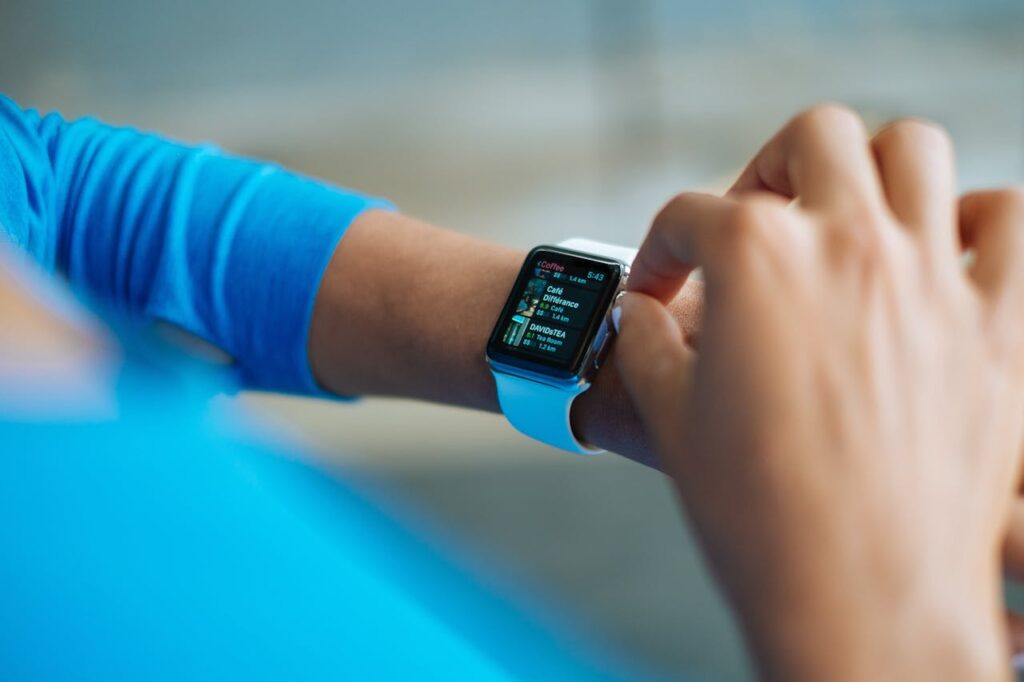
A wristwatch used to tell you the time and little else. A smartwatch can now track steps, sleep, heart rate, notifications, calls, workouts, and more, all without requiring much user attention.
Its genius lies in making monitoring feel light and continuous rather than clinical or disruptive. That quiet convenience is exactly why it became part of everyday wellness culture instead of remaining a niche tech toy.
Home Assistants Changed the Mood of the Modern House
Voice-controlled assistants reshaped the home by making technology feel conversational. Instead of tapping screens or walking from room to room, people can ask for music, reminders, shopping lists, temperature changes, and light control in a few spoken words.
That may sound small until you realize how many tiny frictions it removes from domestic life. A smart home is really a home where routine starts feeling lighter.
3D Printers Brought Small-Scale Manufacturing to Regular People
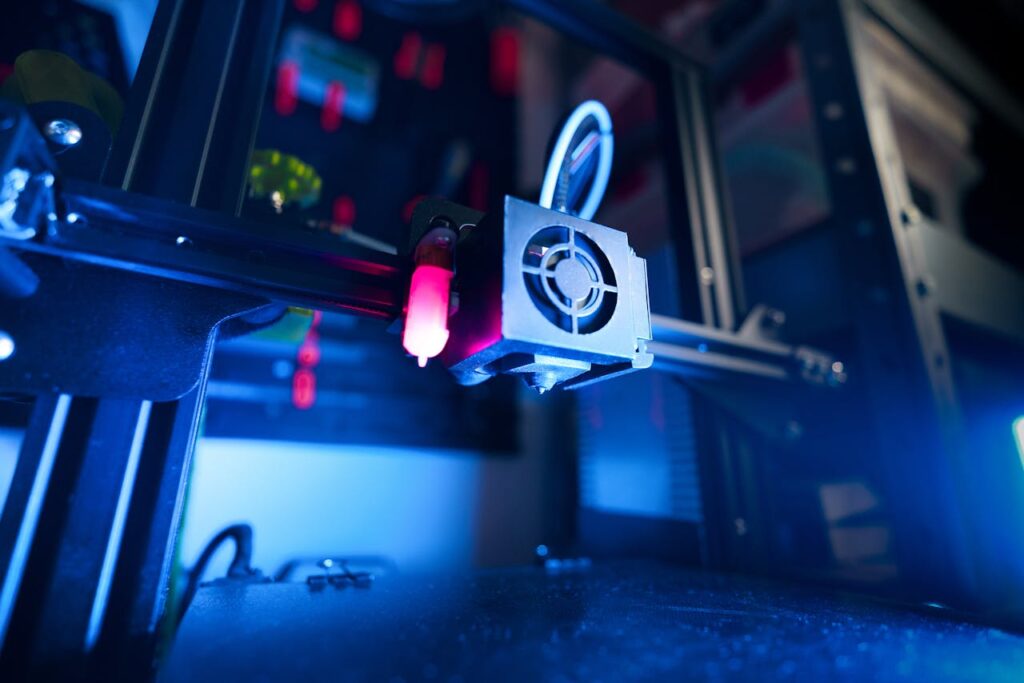
For years, manufacturing was the domain of factories, supply chains, and specialized equipment. Then 3D printing began to shrink the distance between an idea and a finished object by allowing people to create models, tools, parts, and prototypes layer by layer.
Its impact reaches far beyond hobby use, as it has influenced healthcare, design, automotive work, and aerospace innovation. When people can make custom objects on demand, the meaning of production starts to shift.
Digital Cameras Changed Memory Forever
The digital camera did more than replace film in photography. It made pictures instant, editable, shareable, and far less precious in the old sense, because users no longer had to worry about wasting exposures.
That one shift changed journalism, family memories, travel habits, social media culture, and the entire pace of visual communication. Once the world moved from waiting to seeing immediately, there was no real path back.