Your favorite beverages could be speeding up the aging process without you even realizing it. Some drinks may not only leave you feeling sluggish but also take a toll on your skin, making it look tired, dull, and prematurely aged.
Here’s a look at the top 10 culprits that could be aging your skin faster than you expect.
Coffee

While a cup of coffee might boost your energy, drinking too much can have the opposite effect on your skin. Caffeine is a diuretic, meaning it can lead to dehydration, which shows up as dry, flaky skin.
Additionally, if you’re sipping on coffee throughout the day without drinking enough water, your skin will lose its hydration, making it look older and dull.
Alcohol
Alcohol is one of the most noticeable drinks that can affect your appearance. It dehydrates your skin and causes inflammation, both of which contribute to a tired, puffy complexion. Chronic alcohol consumption can also worsen skin conditions like redness or rosacea, making the skin look irritated and aged.
Plus, alcohol disrupts sleep, which is crucial for skin regeneration, leaving you looking even more exhausted.
Sugary Sodas

Soda is the classic villain in the fight against youthful skin. The excessive sugar in soft drinks triggers a process called glycation, which damages the collagen and elastin in your skin.
These vital proteins help your skin stay firm and youthful, but when compromised, your complexion loses its elasticity, leading to wrinkles and sagging. Excess soda consumption also dehydrates your skin, making it appear dry and lackluster.
Energy Drinks
Energy drinks may give you a temporary burst of energy, but they’re packed with sugar, caffeine, and artificial ingredients that can wreak havoc on your skin.
These drinks can elevate your blood sugar levels, leading to inflammation and collagen breakdown. Over time, regular energy drink consumption can leave your skin looking stressed and prematurely aged.
Iced Tea with Sugar
Sweetened iced tea is another drink that can age your skin. While tea has some health benefits, the added sugar in most commercial iced teas can negate those positives.
High sugar intake triggers glycation, which breaks down collagen and leads to wrinkles and sagging skin. Opt for unsweetened iced tea to avoid these effects.
Flavored Waters with Artificial Sweeteners
Flavored waters might seem like a healthy alternative to soda, but many contain artificial sweeteners that can lead to inflammation.
While they may hydrate, the added chemicals can disrupt your metabolism and cause skin issues like breakouts and dullness. Stick to plain water or infuse it with natural ingredients like cucumber or lemon for a refreshing twist without the downsides.
Diet Sodas
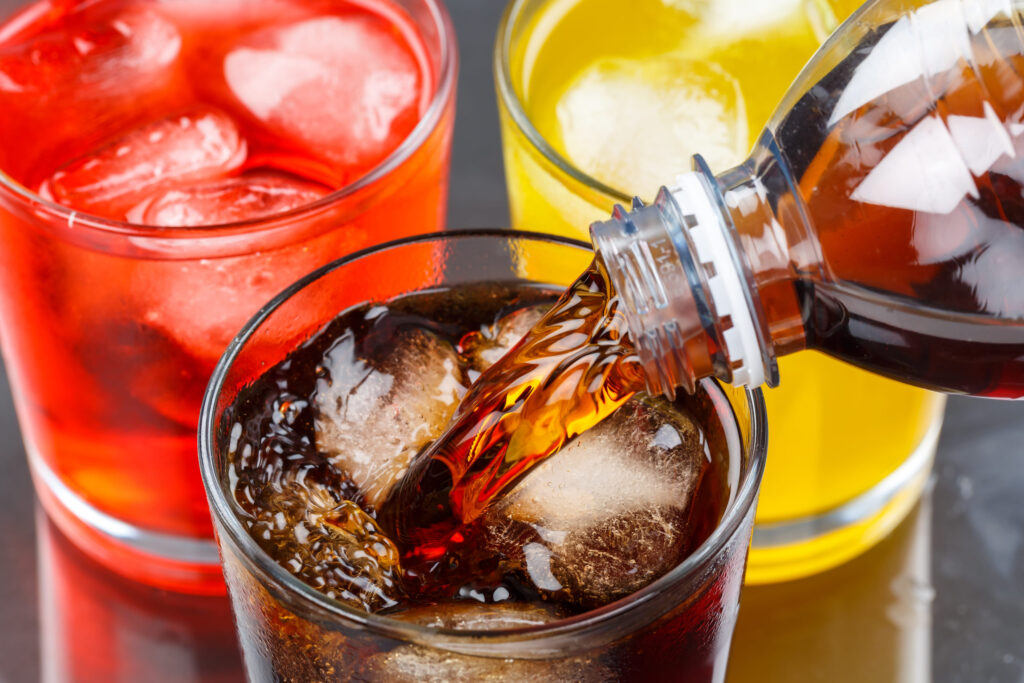
Diet sodas are often seen as the healthier option, but they can still harm your skin. The artificial sweeteners used in diet sodas may cause metabolic changes that contribute to inflammation and skin irritation.
Furthermore, the habit of reaching for a sweetened drink instead of water can lead to dehydration, leaving your skin looking dry and tired.
Sports Drinks
Sports drinks, though marketed as hydration aids, are often packed with sugar and artificial ingredients. The sugar content can spike blood sugar levels, leading to inflammation that damages the skin’s collagen and accelerates aging.
These drinks may hydrate you in the short term, but they’re not doing your skin any favors in the long run.
Milkshakes and Creamy Beverages
Milkshakes and other creamy beverages may taste indulgent, but they are often loaded with sugar, fat, and dairy. Dairy, in particular, can trigger inflammation and increase oil production, leading to clogged pores and breakouts.
The high sugar content accelerates the aging process by damaging collagen and elastin, making the skin appear more wrinkled and saggy.
Sweetened Fruit Juices
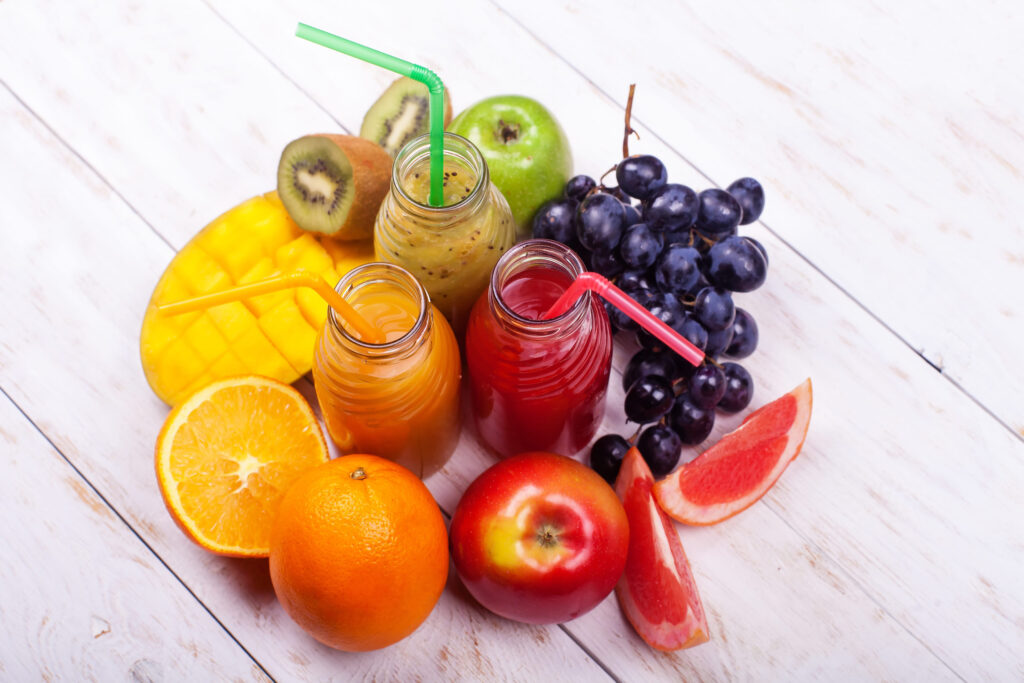
Fruit juice may seem healthy, but many commercial juices are loaded with added sugar. This excess sugar contributes to glycation, which damages the skin’s collagen and leads to premature aging.
Even though fruit juice offers some vitamins, it can’t replace the whole fruit’s fiber and antioxidants, which help protect the skin from aging.