Think you’re safe by leaving that leftover chicken on the counter or skipping refrigeration for your favorite yogurt? Think again. There are foods in your kitchen that can quickly turn dangerous if they’re not kept cold. In fact, you could be unknowingly risking your health every day, all because you’re not refrigerating the right foods. Let’s dive into the foods you should always keep in the fridge to avoid unpleasant surprises and ensure your meals are both safe and fresh.
Dairy Products
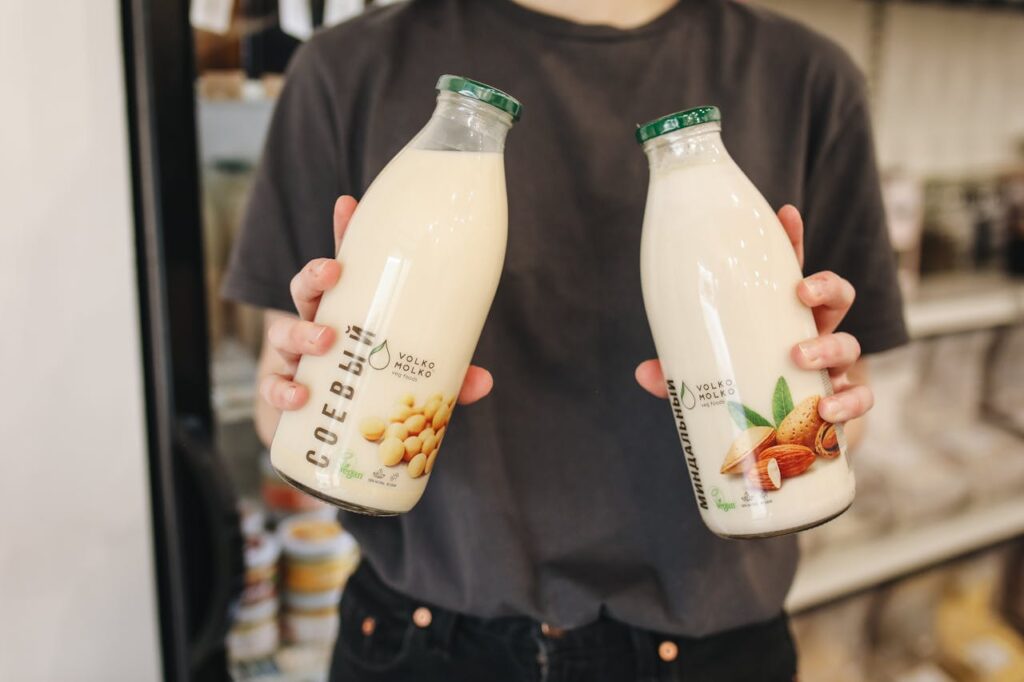
It’s easy to assume that dairy like milk, cream cheese, or yogurt, can survive outside the fridge for a bit, but that’s a risky move. Dairy is the perfect breeding ground for bacteria, and when left unrefrigerated, it doesn’t take long for dangerous microorganisms to take over. Keeping dairy products in the fridge not only prevents bacteria from thriving but also extends their shelf life, ensuring that your milk stays fresh and your yogurt doesn’t spoil before you finish it.
Leftovers
We all know the horror of seeing uneaten dinner sitting out for hours, but did you know leftovers should never be left at room temperature for more than two hours? If the temperature exceeds 90°F, leftovers should be refrigerated within one hour. Leftovers are a prime target for bacterial growth, so make sure to store them properly to avoid any foodborne illnesses.
Opened Condiments
Condiments like ketchup, mayonnaise, and mustard often stay fresh for longer than you think, thanks to their high salt or vinegar content. But once opened, they become more susceptible to bacterial growth, and their shelf life dramatically decreases. To keep these items fresh, place them in the fridge as soon as they’re opened to preserve their flavor, texture, and safety.
Eggs
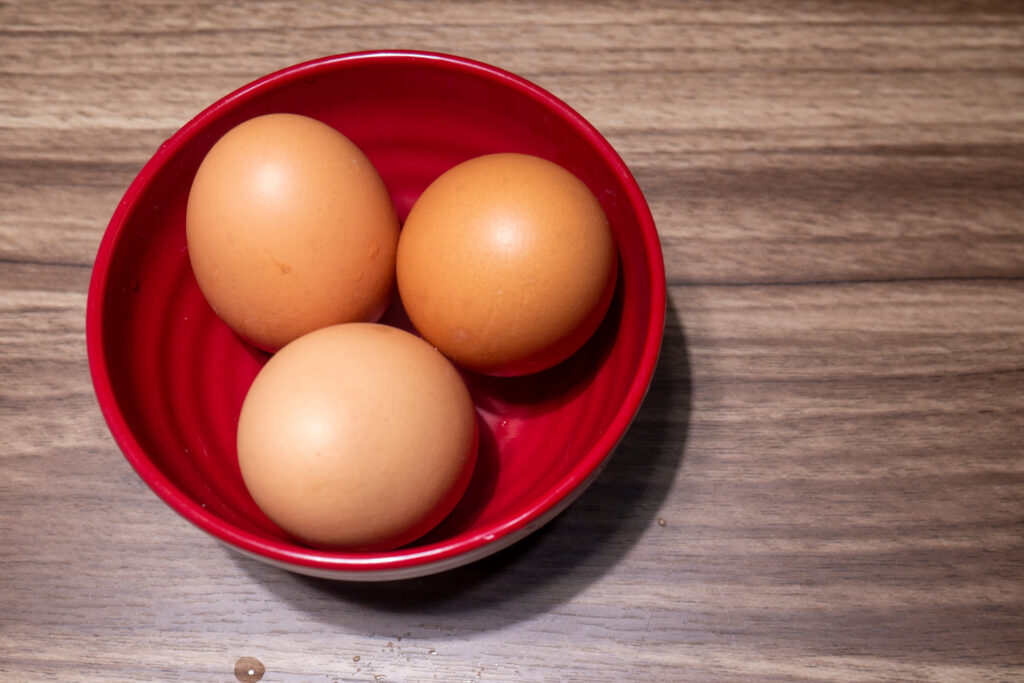
In some parts of the world, eggs are kept at room temperature, but in the U.S., eggs are washed before packaging, which removes their protective coating. Without this layer, eggs are much more vulnerable to bacteria like salmonella. To stay safe, always refrigerate eggs as soon as you bring them home. Eggs are cheap, nutritious, and versatile, but they’re also a food safety hazard if stored improperly.
Fresh Produce
Some fruits and vegetables, such as lettuce, berries, and broccoli, require refrigeration to stay crisp and fresh. Produce can quickly rot or mold if left at room temperature, especially when exposed to moisture. Storing them in the fridge helps preserve their texture and nutrition, allowing you to enjoy fresh fruits and veggies for longer.
Tofu and Pickled Foods
Tofu, kimchi, pickles, and sauerkraut are fermented or moist foods that need to be kept cold. Leaving these items out will accelerate spoilage, shortening their shelf life. Proper refrigeration ensures these foods retain their flavor, texture, and freshness. Tofu especially should be consumed quickly once opened, and pickled foods can last longer, but they still need to be chilled to stay safe.
Tortillas
Tortillas may seem like pantry items, but they are much more prone to staleness and bacterial growth if not refrigerated. Homemade or preservative-free tortillas are especially prone to spoilage when left out. By storing them in the fridge, you help keep them soft and fresh for much longer, making them ready for your next meal without the risk of spoilage.
Raw Meat, Poultry, and Seafood

Leaving raw meat or seafood out for longer than necessary is a direct invitation to foodborne illnesses. Raw animal products such as beef, chicken, and seafood are prone to bacterial growth when kept at room temperature. The cold temperature of the fridge slows bacteria’s growth, ensuring the meat stays safe to eat and fresh for a longer period. If you don’t plan to cook them soon, freeze them to preserve their quality and avoid food safety risks.
Hummus
Hummus is another food that’s easy to forget about, but it requires refrigeration to stay fresh. Made from chickpeas and tahini, hummus is perishable and can spoil quickly when left out. Keep it chilled to extend its shelf life, prevent bacterial growth, and maintain its creamy texture.
Natural Peanut Butter
Unlike its processed counterpart, natural peanut butter doesn’t contain preservatives to prevent the oils from separating and going rancid. If left at room temperature, natural peanut butter can develop an unpleasant texture and taste. Keep it refrigerated to maintain its rich, nutty flavor and smooth consistency.
Deli Meats
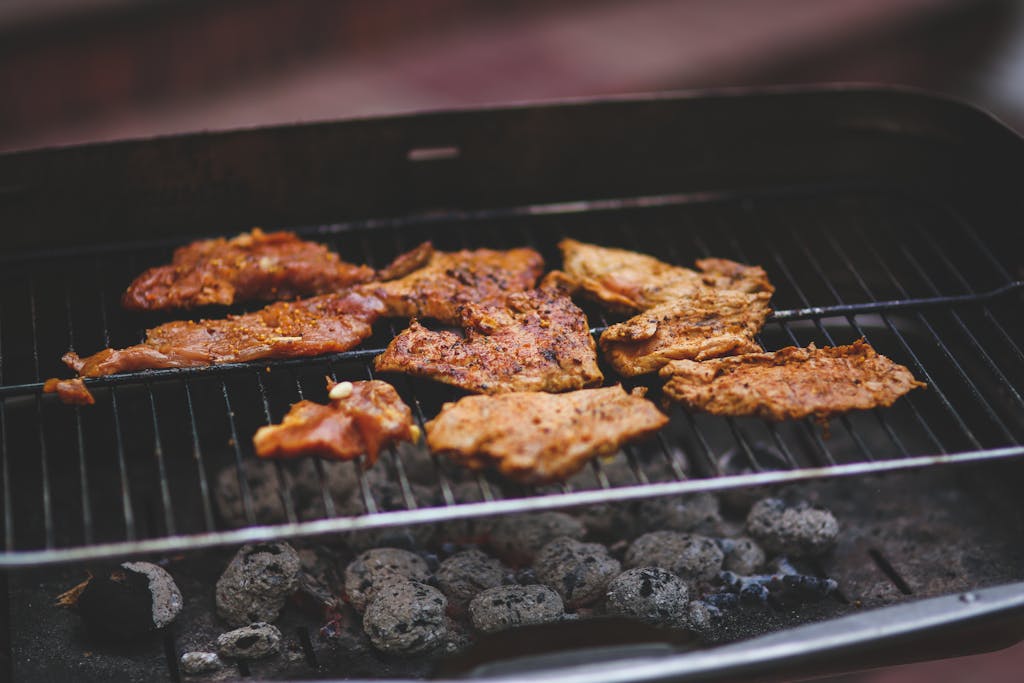
Deli meats are convenient, but they can pose a health risk if stored improperly. Once opened, deli meats can develop harmful bacteria, making refrigeration essential. For the freshest taste and safety, store opened deli meats in an airtight container in the fridge, and try to consume them within a few days.
Baked Goods With Fillings
Desserts or baked goods that contain dairy, eggs, or custard fillings should always be stored in the fridge. Items like cream pies, eclairs, and custard tarts can spoil quickly if left at room temperature, as the ingredients inside can foster bacterial growth. Keep them chilled to maintain their texture and prevent spoilage, especially if they’re filled with any perishable ingredients.
Citrus Fruits

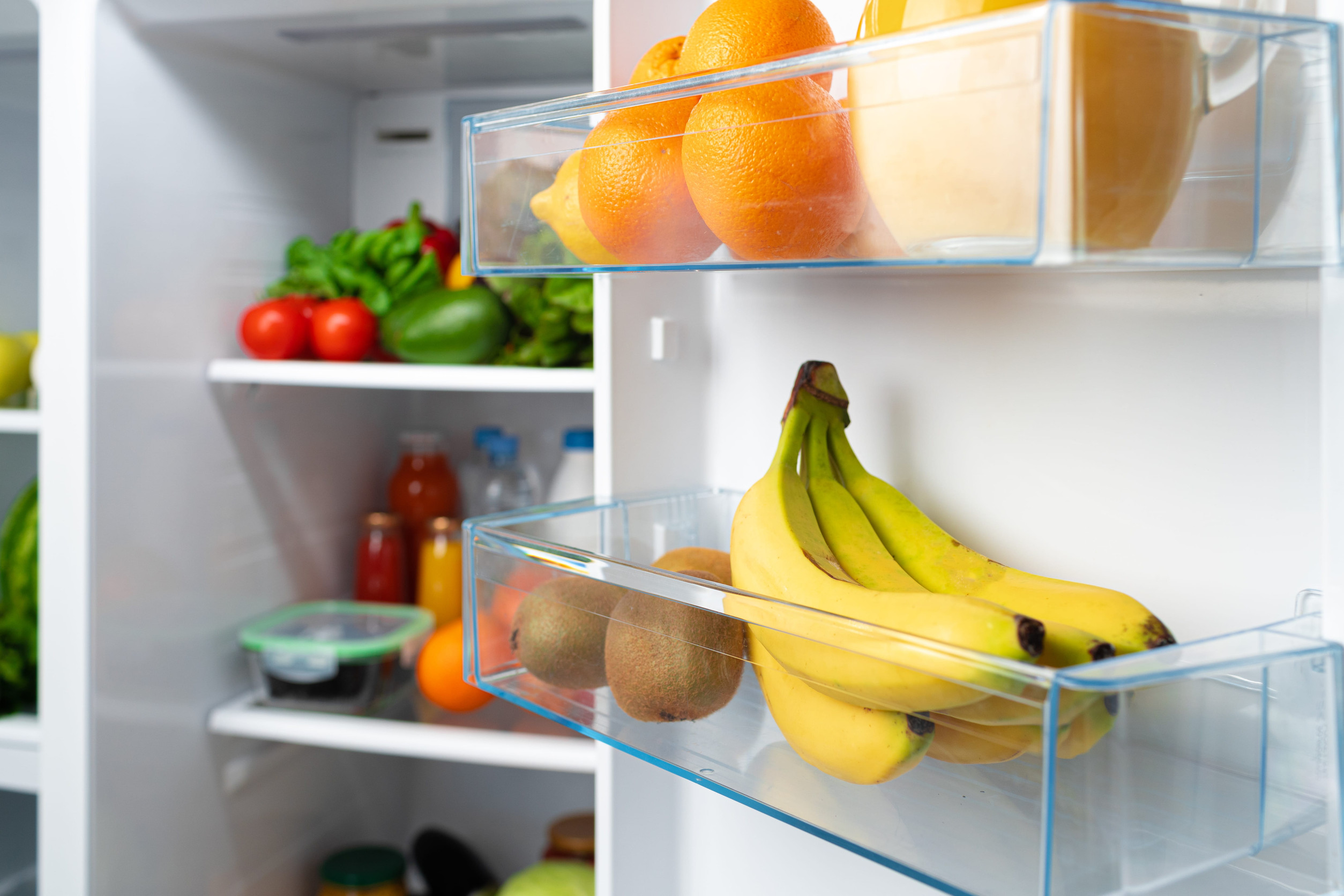
Though citrus fruits like lemons, limes, and oranges are often left at room temperature in grocery stores, they actually last longer in the fridge. Refrigerating citrus fruits helps prevent them from drying out and losing their juice. Keep them cold for longer-lasting freshness, so you can use them in your drinks, meals, and snacks whenever you need them.
Certain Flours
Some specialty flours, such as almond or coconut flour, are more prone to rancidity when stored improperly. These flours contain higher oil content than regular white flour, so they need to be kept cool to preserve their quality. Refrigerating them in airtight containers helps prevent spoilage and keeps your baking ingredients fresher longer.
Fresh Sauces
Homemade sauces, such as pasta sauce or fruit jams, can become a breeding ground for bacteria if left unrefrigerated. Without the preservatives that store-bought sauces often contain, homemade versions need refrigeration to maintain their consistency, flavor, and freshness. Chilling these sauces immediately after making them will prevent harmful bacteria from growing.