Protein is everywhere these days, talked about on every label, flaunted in workout routines, and tossed into every diet. But behind the hype lies a mess of myths that could be quietly sabotaging your health goals. It’s time to clear the air on these misconceptions, according to dietitians.
Protein is only for building muscle.
Protein is essential for muscle repair and growth, but it has many other roles. It supports tissue repair, hormone and enzyme production, immune function, and the maintenance of hair, nails, and skin. Protein isn’t just for gym-goers; everyone needs it.
Protein also helps you feel fuller for longer, which is why many weight-management strategies focus on it. The important takeaway is that protein is essential for overall health.
The next common myth involves kidney health and high-protein diets.
Another fear circulating around protein is that high-protein diets can damage your kidneys. While it’s true that those with kidney conditions should monitor their protein intake, healthy individuals have no need to worry. Your body is fully capable of handling higher levels of protein without negatively impacting kidney function.
The bottom line? For people with healthy kidneys, protein intake, whether high or low, is not something to fear.
Only animal foods count as complete protein.
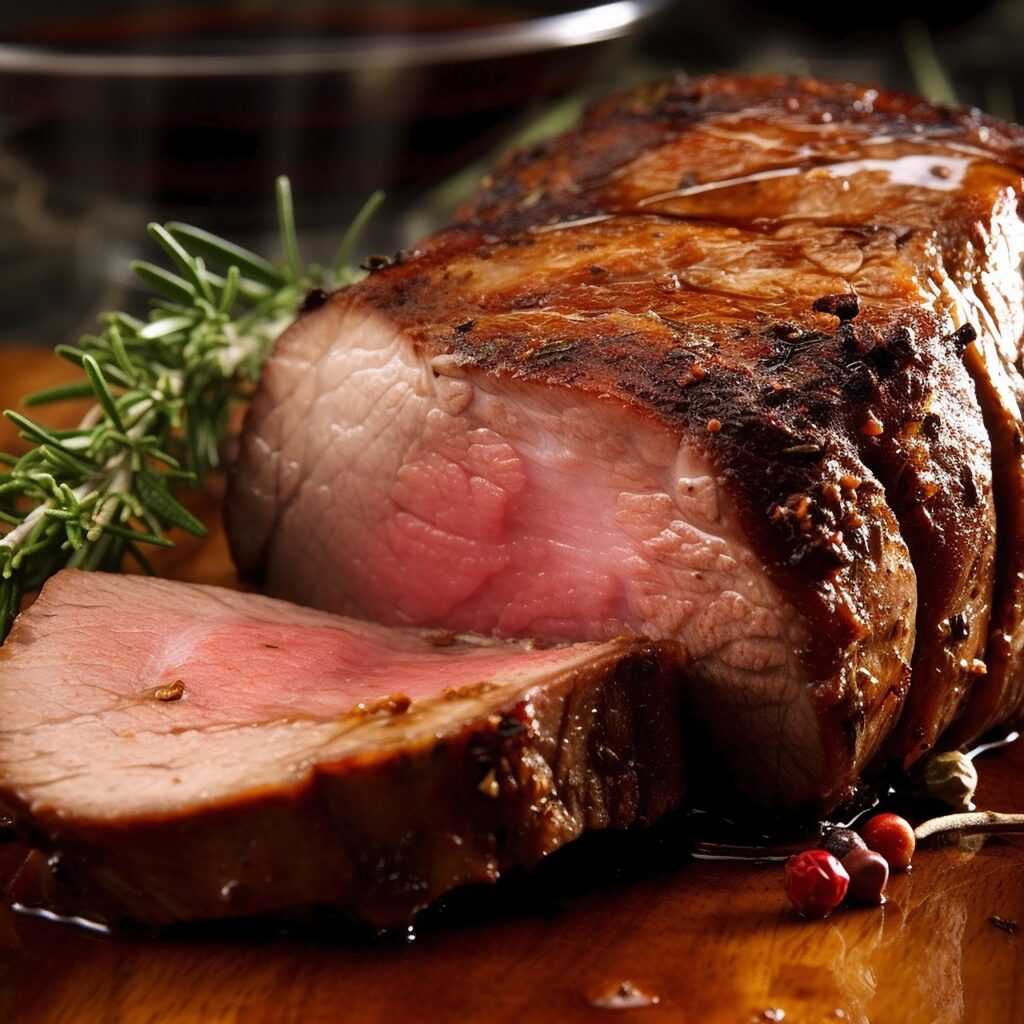
It’s often said that you can only get complete protein from animal products, but that’s simply not true. Yes, animal foods like meat, eggs, and dairy are complete proteins, but so are certain plant-based foods, such as quinoa, tofu, tempeh, and edamame. It’s all about variety and balance. Plant eaters can easily meet their protein needs by consuming a range of plant-based proteins throughout the day.
A thoughtfully planned plant-based diet can deliver all the essential amino acids your body needs.
More protein does not automatically mean more muscle.
Consuming more protein won’t automatically result in muscle growth. While protein is necessary for muscle repair and development, you also need resistance training. Building muscle requires exercise, protein, enough calories, and recovery.
If you’re looking to gain muscle, protein should be part of the equation, but not the entire equation. Weight training and adequate rest are just as essential.
Eating extra protein will not magically make you lean.
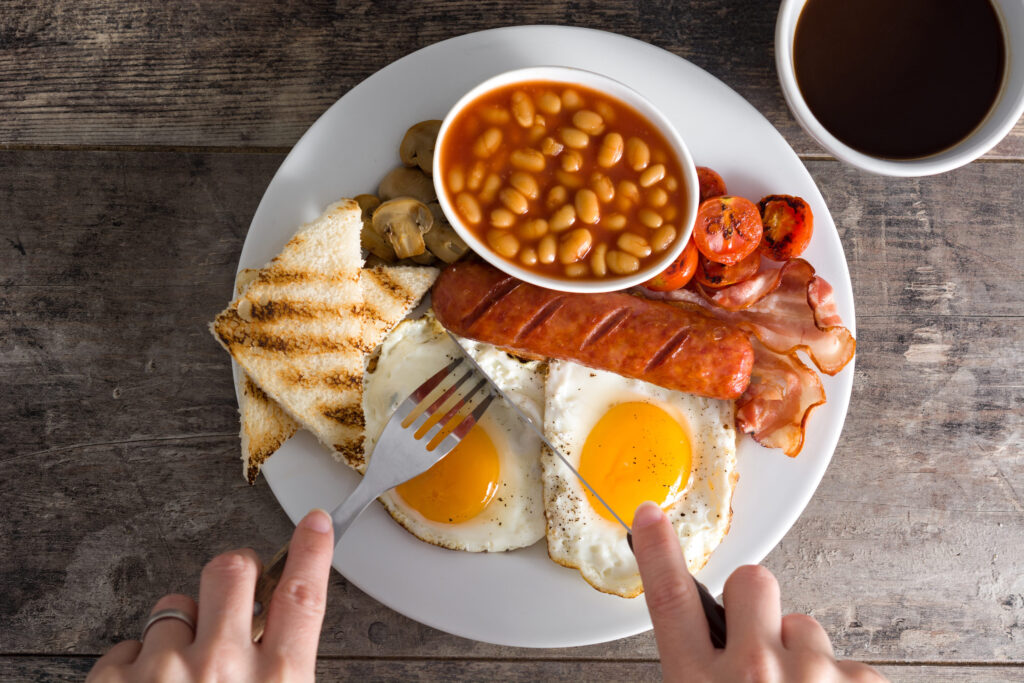
Protein is often touted as a “magic bullet” for fat loss, but it’s not a shortcut. While it does help you feel fuller and can support fat loss when part of a balanced diet, consuming too much protein can backfire. Extra protein adds calories, and if you’re consuming more than your body needs, those calories can lead to weight gain, not loss.
The key to maintaining a healthy body composition is a balanced approach that combines a sensible calorie intake with regular physical activity. Protein helps, but it’s not a free pass to a leaner body.
Most people do not need protein powder.
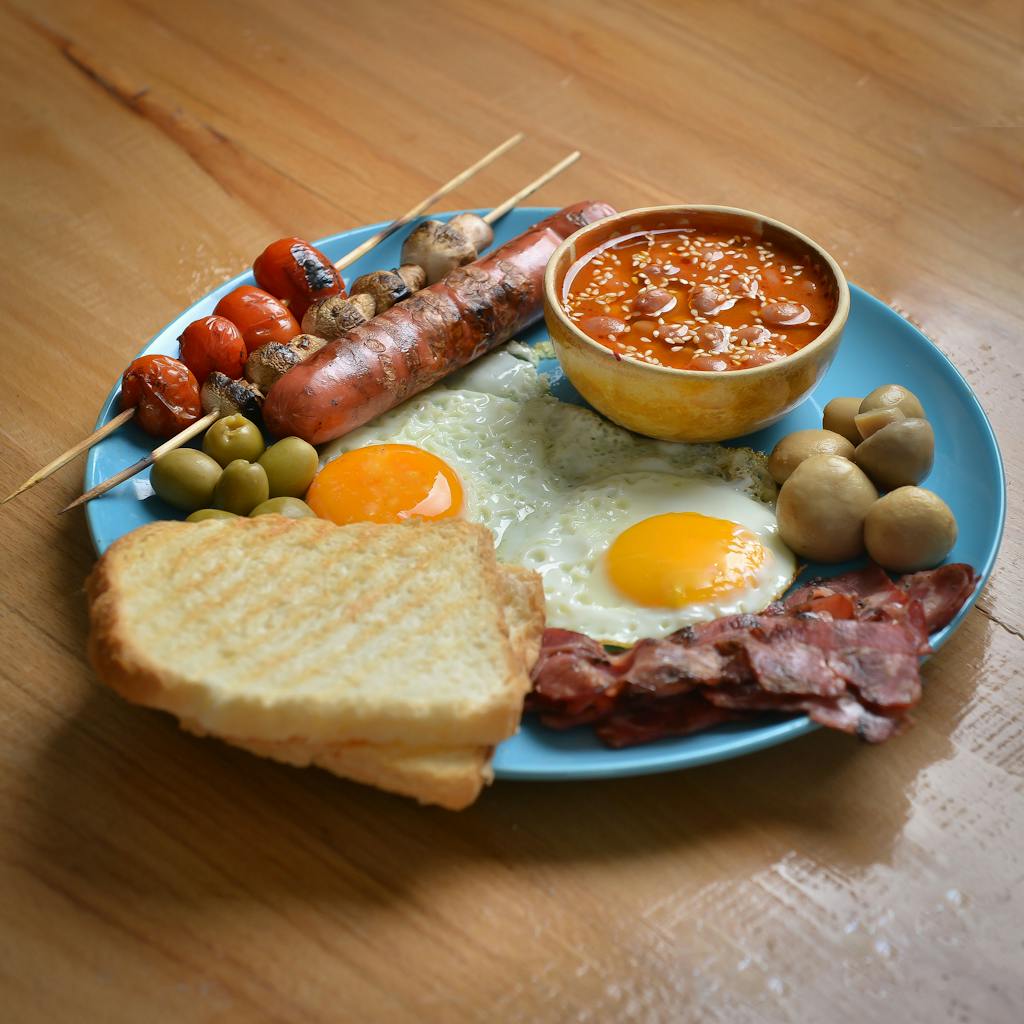
Protein powder has exploded in popularity, but the truth is, most people get more than enough protein from whole foods. If you’re eating a well-rounded diet, you don’t need to rely on protein powder to meet your needs. Of course, protein powder can be convenient for those with higher demands, such as athletes or those recovering from illness, but it’s not necessary for the average person.
Instead of reaching for the latest protein supplement, focus on eating a variety of whole foods that naturally provide the protein your body requires.
Conclusion
Protein deserves its place in your diet, but it’s important to separate fact from fiction. While it’s essential for various bodily functions, the myths surrounding protein often lead to unnecessary stress and confusion. The real key to a healthy diet is balance: eating enough of the right foods, focusing on a variety of sources, and considering your overall health needs.
Forget the extremes and the “quick-fix” protein tips. The smartest approach is simple, sustainable, and based on whole, nutrient-rich foods that serve your body’s needs without the hype.