Tomatoes can turn a garden into a success story, but small, seemingly harmless mistakes can quickly turn healthy plants into a disappointment. Most problems don’t start at harvest time; they begin much earlier, during planting, spacing, watering, and early care. These early missteps can quietly destroy your crop before the season even begins.
Starting Too Late Instead of Getting a Head Start Indoors

One of the easiest ways to sabotage your tomato season is to wait until the weather warms up to plant. While tomatoes love heat, they thrive best when started indoors before the last frost. Starting seedlings indoors gives you control over temperature, moisture, and light, which helps them develop strong roots and healthy stems. Without this early boost, you risk a slower growth cycle and weaker plants. By the time you move them outside, they may not be strong enough to produce a solid harvest.
Crowding Plants Until They Compete with Each Other
Planting tomatoes too close together might seem like a good way to maximize your garden space, but it’s a recipe for disaster. When tomato plants are too close, they compete for light, airflow, and nutrients, which stunts their growth. The overcrowded space also traps moisture around the plants, increasing the risk of disease. By giving each plant enough space to grow and breathe, you’ll have healthier, stronger plants that produce more fruit throughout the season.
Planting Too Early Because the Weather Looks Friendly
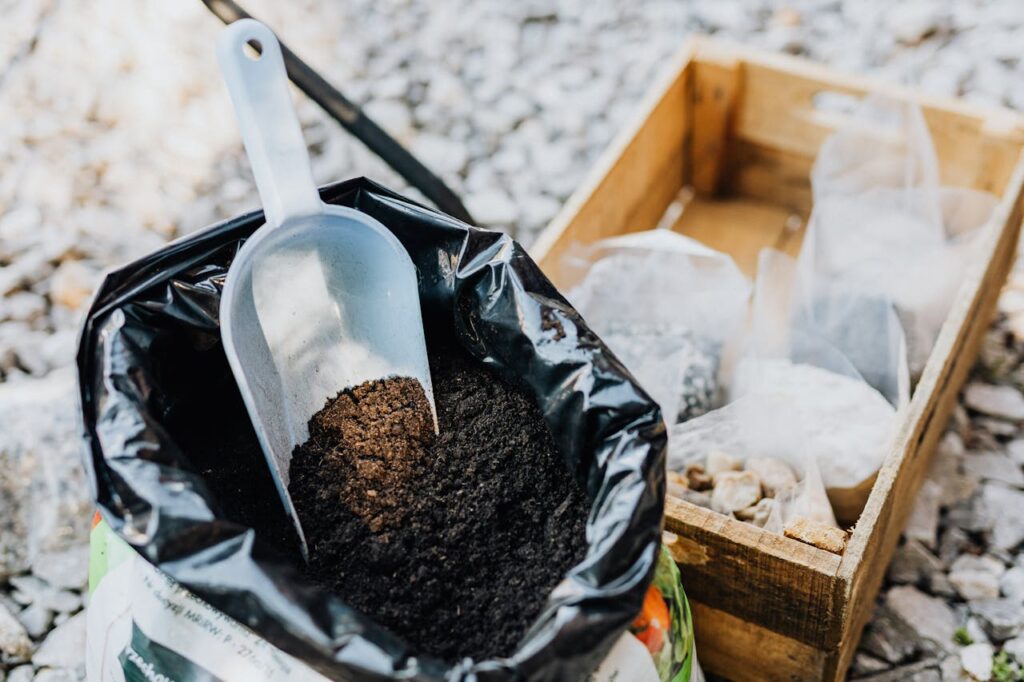
A few warm days might trick you into thinking it’s safe to plant tomatoes, but they are not frost-tolerant. Tomatoes do poorly in cold soil and can’t handle a surprise frost. Even if they survive, cold stress can slow down their growth, and they may never catch up. The best approach is to wait until the soil warms up and the risk of frost has passed. This gives your plants the best chance to establish themselves and start producing quickly.
Watering the Leaves Instead of the Roots

How you water your tomatoes matters just as much as how often you water them. A common mistake is spraying the entire plant, including the leaves, thinking that more moisture will help. However, tomatoes need water in the root zone, where the plant can actually absorb it. Watering at the roots promotes deeper, stronger root systems and reduces the chances of fungal diseases that thrive on damp leaves. Consistent watering at the right level makes a big difference in your plants’ overall health.
Using Poor Soil and Expecting Tomatoes to Power Through
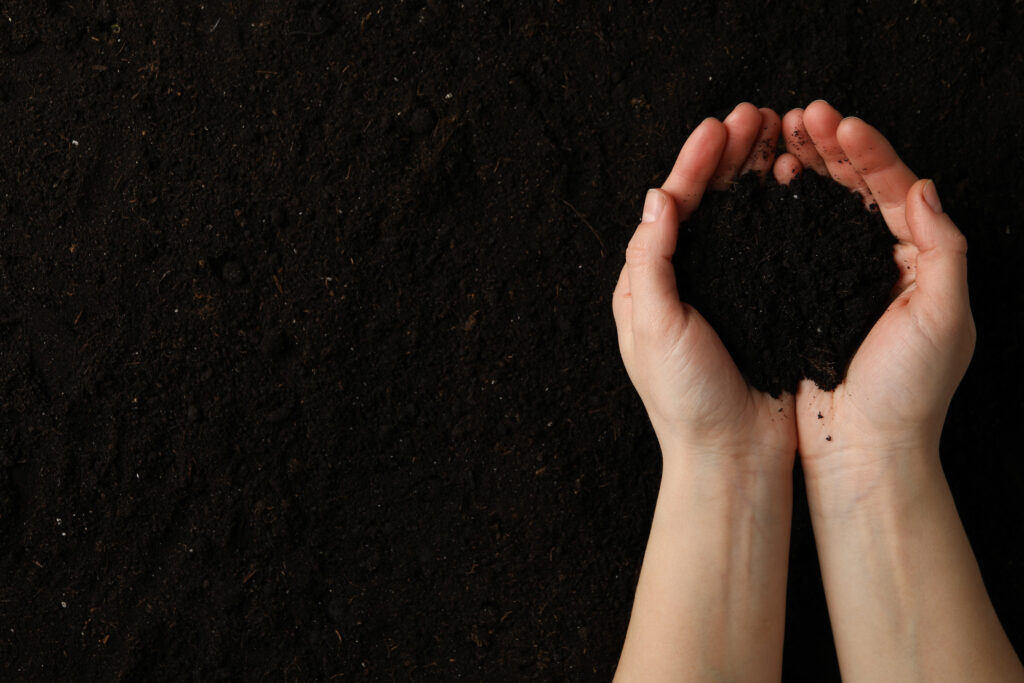
Tomatoes are heavy feeders and require rich, well-prepared soil to grow properly. Planting them in poor, compacted, or nutrient-depleted soil often leads to weak plants that struggle to thrive. If the soil doesn’t offer the right balance of nutrients and drainage, your tomato plants will suffer, producing less fruit. To grow a successful crop, prepare the soil well with compost and organic matter. Healthy soil is key to healthy plants.
Forgetting Support Until Plants Are Already Flopping Over
Tomato plants may look manageable early on, but as they grow, they quickly become heavy and need support. Waiting too long to add stakes, cages, or trellises means your plants are likely to fall over or break, and you risk damaging their stems or fruit. Providing early support ensures the plants stay upright and strong throughout the growing season. Strong support is particularly important for indeterminate varieties that continue to grow and produce fruit over a long period.
Ignoring Companion Planting and Missing an Easy Advantage
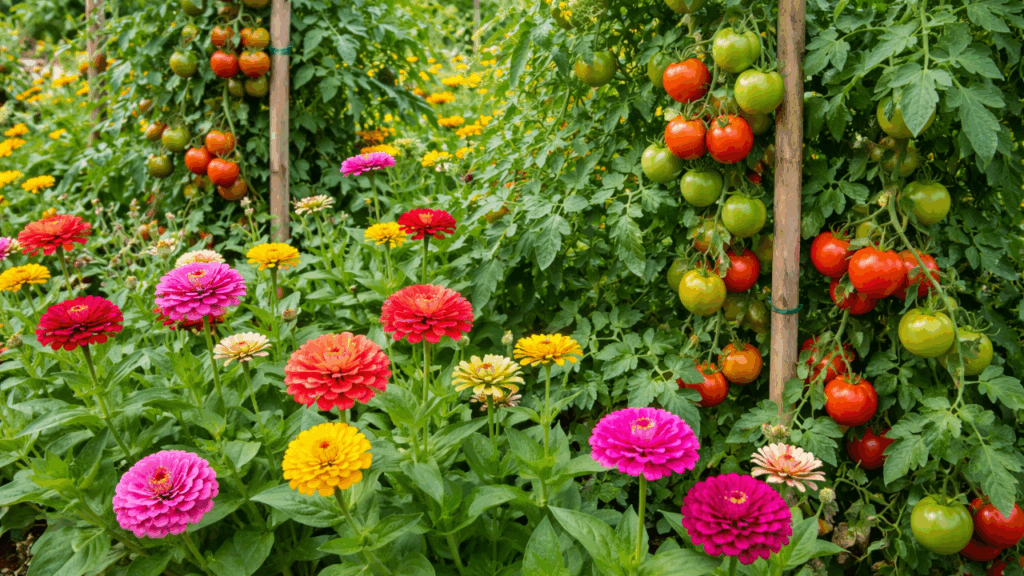
Many gardeners focus too much on the tomatoes themselves and overlook the benefits of companion planting. Planting tomatoes alongside beneficial companions, like basil, can help deter pests and improve growth. These plants work together to create a more balanced and productive garden. Skipping companion planting means you’re missing out on an easy advantage, and your plants could face more stress from pests and poor soil conditions. A little strategic planning can make your tomatoes thrive with minimal extra effort.
Conclusion
Tomato harvests don’t fail due to one major mistake; they falter from a series of small errors. Whether it’s planting too early, watering the wrong way, or crowding the plants, each of these decisions adds up. By avoiding these common mistakes and giving your tomatoes the care they need from the start, you can set yourself up for a bountiful, healthy harvest. Make the right choices now, and you’ll reap the rewards all summer long.