Our homes are meant to be sanctuaries, places where we can relax, unwind, and feel safe from the dangers of the outside world. But surprisingly, many everyday household items that we trust for convenience and cleanliness can carry deadly risks when used improperly.
While we may assume the dangers in our home are easy to spot, many of the most dangerous items are the ones we least suspect. Whether it’s a harmless-looking cleaning product, a kitchen tool, or even something as mundane as toothpaste, these seemingly benign household items can pose serious health risks.
Let’s take a deeper dive into 10 everyday items that could unexpectedly turn deadly, and why we need to take extra precautions in how we handle them.
Bleach
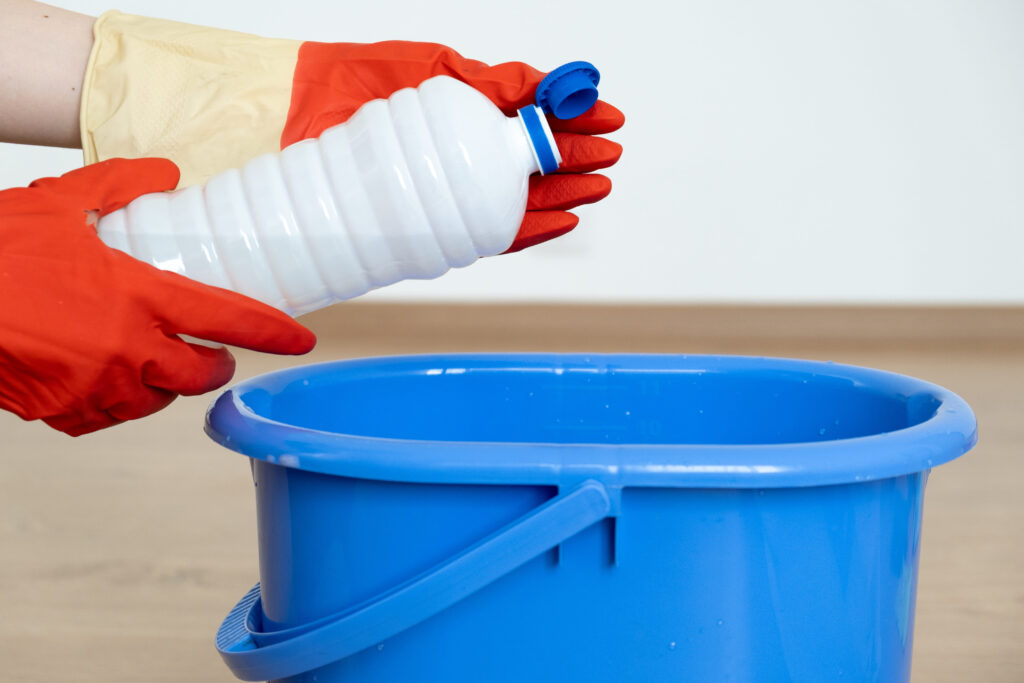
Bleach is often the go-to cleaner for homes across the world. Its strong disinfecting properties make it an essential part of our cleaning arsenal, helping to remove tough stains and bacteria.
However, bleach is not as harmless as it seems. When mixed with other household cleaners, especially those containing ammonia or acids, bleach can release toxic gases, such as chloramine and chlorine gas. These gases are not only highly irritating to the eyes, throat, and lungs but can also be fatal if inhaled in high quantities. The effects can be even more severe if the gases are allowed to accumulate in a confined space.
While bleach is effective at disinfecting, its potential to cause serious damage is a major concern. To avoid accidental exposure, always use bleach in a well-ventilated area and never mix it with any other cleaning products. Additionally, store bleach safely out of reach of children and pets to prevent accidental ingestion or contact.
Toothpaste
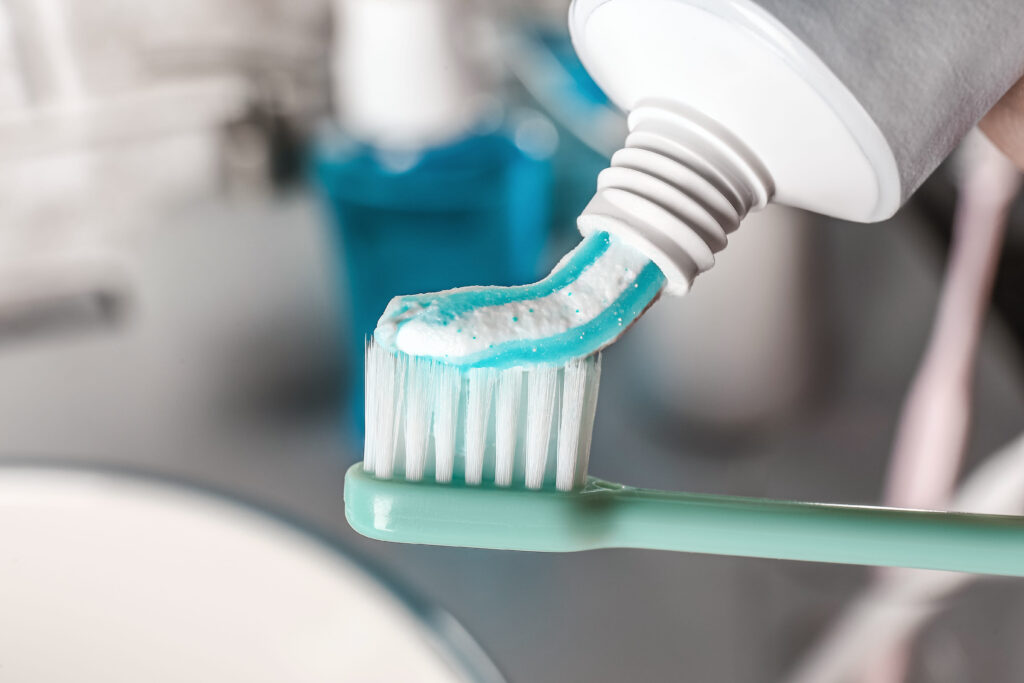
Toothpaste is a daily necessity in most households, used to maintain oral hygiene and protect against cavities. However, what many people don’t realize is that most toothpaste contains fluoride, a compound that, in excess, can be toxic. The FDA mandates that toothpaste tubes carry a poison warning label, a caution that is often overlooked because we associate toothpaste with health and cleanliness. Swallowing large quantities of fluoride toothpaste, especially by children, can lead to fluoride toxicity, causing symptoms like nausea, vomiting, and abdominal pain.
In extreme cases, fluoride poisoning can result in death. Even if it’s not ingested in large amounts, chronic overuse of fluoride toothpaste can cause dental fluorosis, a condition that weakens and stains tooth enamel. Although fluoride is beneficial for oral health in small amounts, it’s essential to monitor how much toothpaste is being used, especially with children. Always encourage children to use only a pea-sized amount and be cautious of accidental swallowing.
Acetaminophen
Acetaminophen, sold under brands like Tylenol and found in many over-the-counter pain medications, is one of the most commonly used drugs in the world. For many, it’s the first choice for relieving headaches, muscle pain, and even fever.
However, its widespread use comes with a hidden danger. Overdosing on acetaminophen can lead to severe liver damage and even liver failure. Each year, thousands of people are hospitalized due to acetaminophen overdose, making it one of the leading causes of acute liver failure in the United States. The issue arises when people unknowingly take multiple medications that contain acetaminophen, exceeding the safe daily dosage. The maximum recommended dose for a healthy adult is 3,000 mg per day, yet many people take much more, either by accident or in an attempt to relieve persistent pain.
The risk of overdose is particularly high for those who combine acetaminophen with alcohol, which amplifies the liver-damaging effects. It’s crucial to carefully read medication labels, avoid combining drugs that contain acetaminophen, and seek immediate medical help if an overdose is suspected.
Mothballs
Mothballs are often used to protect clothing from moths and other pests, especially in storage areas like closets and attics. While they are effective at keeping insects away, mothballs contain toxic chemicals such as naphthalene or paradichlorobenzene, both of which are harmful to human health. These chemicals release a toxic gas when exposed to air, which can cause serious respiratory problems if inhaled over time. Children are particularly at risk because they tend to explore and put objects in their mouths, making mothballs a dangerous item in any home with young ones.
Exposure to the fumes can lead to nausea, headaches, and even more serious conditions like organ failure. Ingesting mothballs is even more dangerous, and it can cause jaundice, a condition that causes the skin to turn yellow and can result in liver damage or death. The use of mothballs in the home should be avoided, and alternative pest control methods, like cedar blocks or lavender sachets, should be considered for safer, non-toxic protection.
Dryer Lint
While dryer lint might seem harmless, it’s actually one of the leading causes of house fires in the United States. According to the U.S. Consumer Product Safety Commission, over 15,000 dryer-related fires are reported annually, causing billions of dollars in property damage and hundreds of injuries. Lint, made of tiny fibers from your clothes, easily accumulates in the dryer vent, obstructing airflow and causing the appliance to overheat. When airflow is restricted, the heat builds up, creating the perfect conditions for a fire to start.
To make matters worse, newer homes, which often place the laundry room in the center of the house, have longer venting systems that are more prone to lint buildup. If your clothes are still damp after a full cycle, it may indicate a clogged vent, and you should clean it immediately. Regularly inspecting and cleaning your dryer vent is one of the easiest ways to prevent a dangerous home fire.
Lead Paint
Lead-based paint was banned in 1978 due to its harmful effects, especially on children. However, homes built before the ban may still have lead-based paint, which can deteriorate over time, releasing harmful dust and chips. Lead poisoning can occur when these particles are inhaled or ingested, and young children are particularly vulnerable.
Lead exposure can have devastating effects on a child’s development, causing cognitive impairments, behavioral issues, and even death in severe cases. The danger increases when the paint is located in high-traffic areas, such as windowsills, doors, and stairs, where children are more likely to come into contact with it.
Even though lead exposure is largely preventable, millions of homes still contain lead paint, and the risk is far from over. If you live in an older home, it’s critical to have your property tested for lead and have it removed by a licensed professional. Never attempt to remove lead-based paint yourself, as improper handling can make the problem worse.
Extension Cords
Extension cords are essential for powering household appliances and electronics that are not near an outlet. However, they are also responsible for thousands of home fires every year. Each year, approximately 3,300 fires are caused by extension cords, leading to numerous injuries and fatalities.
The danger lies in the overuse and misuse of these cords. People often overload them, leaving them plugged in for too long, or use them in wet conditions, all of which increase the risk of sparks, overheating, and fire.
In addition, damaged cords with exposed wires can cause electric shocks, short circuits, and fires. To minimize the risk of fire, use extension cords only temporarily, never overload them, and regularly check for signs of wear or damage. If a cord appears frayed, replace it immediately.
Furniture Polish
Furniture polish is used by many to keep their wood furniture looking shiny and new. However, it contains chemicals, such as hydrocarbons, that can be harmful if inhaled or ingested. Furniture polish fumes can irritate the lungs and eyes, and prolonged exposure can lead to serious health issues.
If swallowed, it can cause poisoning, resulting in nausea, dizziness, and in some cases, organ damage. The toxic substances in furniture polish can also cause severe skin irritation if they come into contact with the skin. Children and pets are especially vulnerable to these chemicals, as they may be drawn to the polish’s sweet scent or come into contact with freshly polished surfaces. If you need to polish furniture, opt for natural alternatives like olive oil and vinegar, which are safer and free from harmful chemicals.
Nonstick Cookware
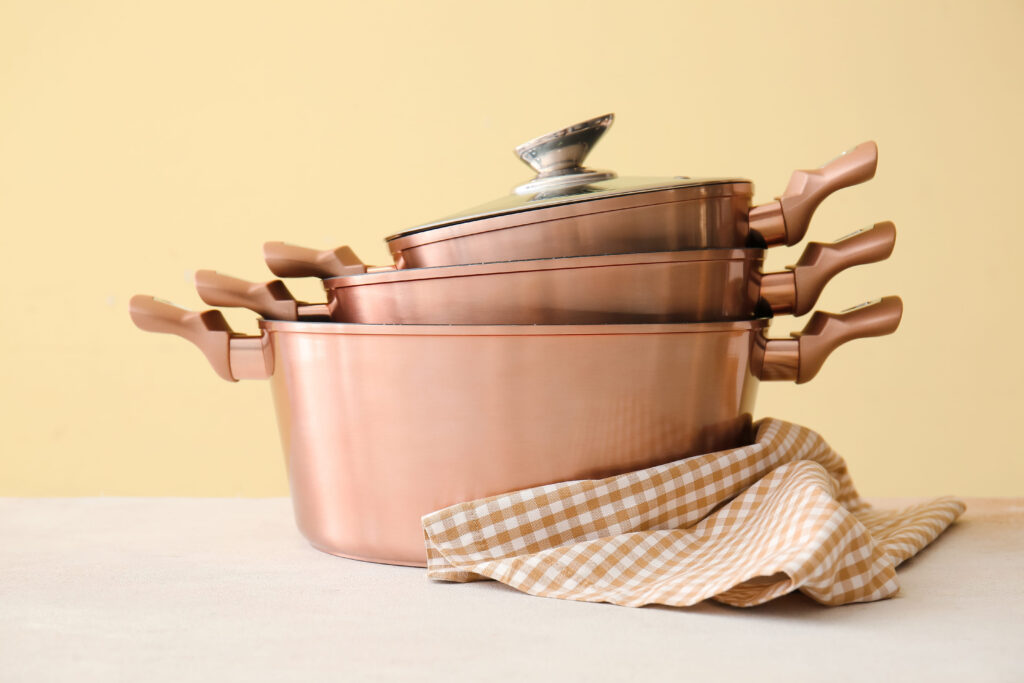
Nonstick cookware is a staple in many kitchens due to its ease of use and convenience. However, when heated to high temperatures, these pans can release harmful fumes. Nonstick cookware coated with Teflon, in particular, releases perfluorooctanoic acid (PFOA) when heated to over 500°F (260°C). This chemical has been linked to various health issues, including cancer, liver disease, and developmental problems. The fumes emitted from overheated nonstick cookware can cause flu-like symptoms, such as fever, chills, and headache.
In extreme cases, exposure to these fumes can cause permanent lung damage. To avoid these risks, it’s important to never heat nonstick cookware on high heat and always use it in a well-ventilated area. If the coating begins to deteriorate or chip, replace the pan immediately to prevent the release of toxic substances.
Pressure Washers
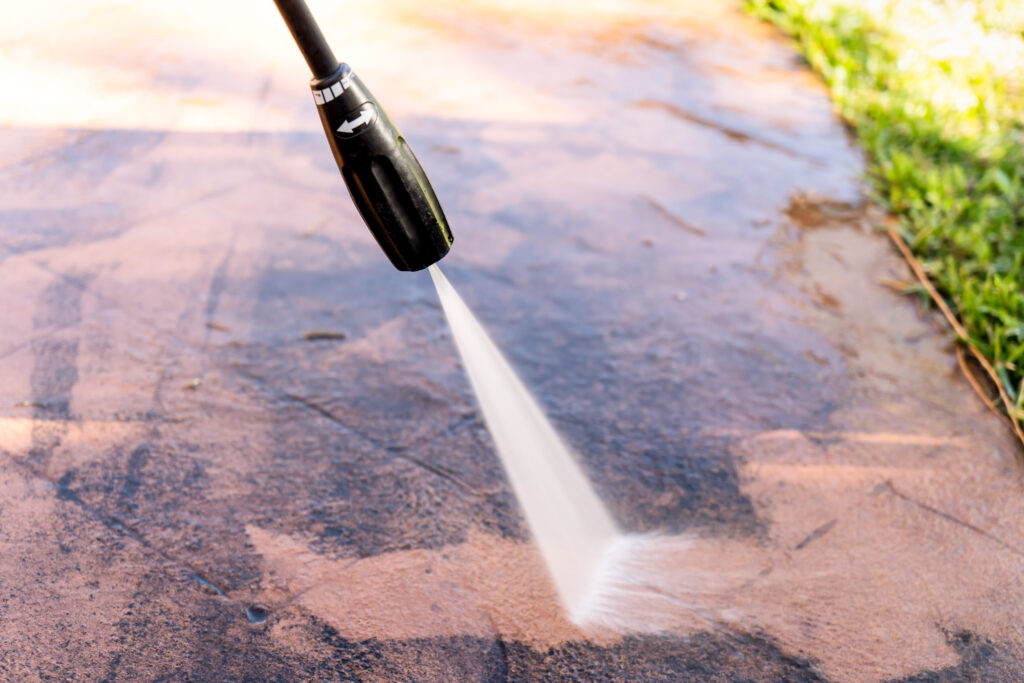
Pressure washers are incredibly powerful tools that can clean stubborn dirt and grime from outdoor surfaces. However, their intense water pressure can cause severe injury if misused. The water stream can cut through skin, causing deep tissue damage and internal injuries. If the pressure washer nozzle is directed at the body, it can cause painful cuts, infections, and in some cases, bleeding.
The force of the water is so strong that even a seemingly minor injury can become life-threatening if left untreated. Always use pressure washers with caution, wear protective gear, and ensure that the spray is directed away from your body. Never point the nozzle at yourself or others, and always follow all safety instructions when operating the equipment.