In a world where everything is connected, it’s increasingly difficult to distinguish between what’s genuinely private and what’s not. Many of us carry personal devices, use home gadgets, and even wear devices that track our movements, habits, and personal data. While we often think of smart devices like phones and laptops as the primary surveillance tools, it’s much more widespread than that. Surprising everyday items, from toothbrushes to smartwatches, can be used to spy on us without us even realizing it. Below, we delve into ten such objects you may not know are secretly watching and listening.
Robot Vacuums
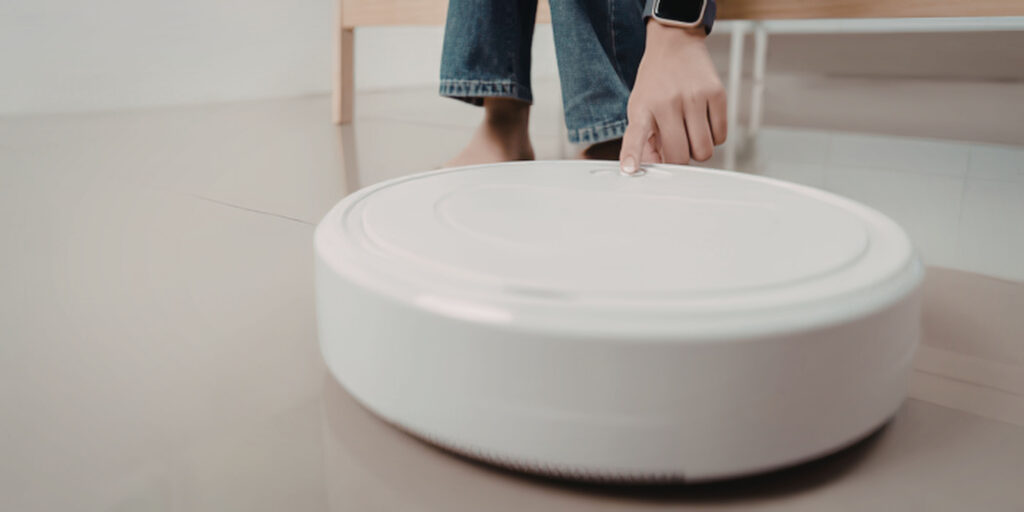
Robot vacuums like the Roomba iRobot i7+ are more than just handy household helpers. These seemingly harmless devices are equipped with advanced mapping technology that creates detailed floor plans of your home. While the purpose of this mapping is to help the vacuum navigate, it also allows for the collection and sharing of your home’s layout with other devices. This data is often shared with manufacturers and third-party companies, and while companies like iRobot claim it’s for functionality improvements or integration with smart assistants, it’s hard not to consider the privacy implications.
The Dongguan Diqee 360, a Chinese-made robot vacuum, goes even further, with built-in cameras and Wi-Fi connectivity, allowing the vacuum to record footage of your home. Worse, these cameras can be accessed remotely by hackers, turning what was once a helpful household appliance into a spy device. With robots cleaning our homes and sharing data, it’s clear that they can be turned into effective surveillance tools.
Cars

Modern vehicles are far more advanced than ever before, and with that innovation comes the ability to track and collect data about their drivers. Most vehicles on the road today are equipped with Event Data Recorders (EDRs) that monitor things like speed, location, and even the route you typically take. This information is sent back to automakers for analysis, often to improve safety features and vehicle performance.
However, this data collection goes beyond improving car safety; it can also be used by law enforcement and other entities to track your movements. Additionally, many car manufacturers retain this data for an undisclosed period, leaving car owners unaware of the extensive surveillance occurring in the background. The fact that this information is stored remotely without clear consent or full transparency raises significant privacy concerns.
Headphones
Headphones are designed to help us enjoy music, podcasts, and other forms of audio, but they also come with the potential for much more. Since they function similarly to microphones, it’s entirely possible for headphones to be repurposed for surveillance. When plugged into a device, headphones can function as microphones, secretly picking up conversations around you.
Researchers at Ben Gurion University demonstrated how malware can turn headphones into surveillance microphones. The malware, dubbed Speake(a)r, hijacks the headphone jacks of computers and other devices to listen in on conversations without the user’s knowledge. This transformation from a simple audio accessory to a surveillance tool shows just how vulnerable we are to covert spying, especially when devices are connected to the internet.
Toothbrushes
Toothbrushes are evolving from simple hygiene tools to smart devices that track your brushing habits. Smart toothbrushes, like those from Oral-B and Kolibree, use Bluetooth to connect to mobile apps. These toothbrushes collect data on the user’s brushing frequency, duration, and techniques, providing feedback to improve oral hygiene.
While this technology can benefit users by offering personalized dental care suggestions, it also poses privacy risks. The data collected can be sent to dental professionals or even advertisers, potentially sharing details about your personal habits and routines without your full consent. Moreover, the rise of connected devices raises questions about the security of this data and whether it’s being exploited for marketing purposes.
Alexa
Amazon’s Alexa is one of the most popular voice-activated assistants on the market. However, Alexa’s convenience comes at the cost of privacy. While Amazon claims that Alexa is designed to improve the user experience by understanding commands, it turns out that human workers listen to these voice recordings to train the system. These workers are tasked with reviewing and transcribing users’ voice commands, and this process has raised concerns about sensitive information being inadvertently recorded and accessed.
There have been reports that private conversations, including sensitive financial details and personal exchanges, have been captured by Alexa. Some recordings have even been heard by reviewers when Alexa was supposed to be turned off. Despite Amazon’s assurances that this data is anonymized, the potential for surveillance and misuse is significant, particularly given the volume of personal information Alexa has access to.
LED Lights

LED lights in public spaces are now more than just a source of illumination; they can also serve as surveillance tools. A striking example of this is the 171 LED lights at Terminal B of Newark Liberty International Airport. These lights are rigged with sensors and video cameras to monitor passengers. The collected data includes details about your movements, license plates, and even potential threats.
While this data is used for security and monitoring purposes, it highlights the growing trend of ubiquitous surveillance. These systems could potentially be used to track individuals beyond just monitoring lines or suspicious activity, creating privacy risks for anyone in the vicinity.
Home Security Cameras
Home security cameras have become a staple in modern households, offering protection against burglaries and break-ins. However, these devices, often connected to cloud services, pose new privacy risks.
Many of these cameras can secretly record audio and video, which is then uploaded to the cloud for safekeeping. This footage could be accessed by hackers or even shared with law enforcement agencies without your consent.
In particular, devices like Amazon’s Ring have faced scrutiny after it was revealed that some videos were accessed by employees for training purposes. These incidents have led to fears that home security cameras might be spying on us more than we realize, recording intimate moments and private conversations when we believe we’re alone.
Smart Toys
Smart toys are marketed as interactive and educational playthings, but they come with hidden dangers. Many of these toys are equipped with microphones and cameras, allowing them to record children’s conversations and transmit them to third-party servers.
In 2016, the My Friend Cayla doll was found to secretly send data to external companies. This toy was capable of recording children’s conversations and transmitting them to distant servers, where the data could be accessed.
Additionally, researchers have found security flaws in other toys, like the Smart Toy Bear, making them vulnerable to hacking. This raises serious concerns about children’s privacy, as hackers can exploit these vulnerabilities to listen in on kids or track their whereabouts, using data from GPS-enabled toys.
Computer Mice
While most people think about spyware on their computers, few consider the potential of computer peripherals, such as mice, to collect data. In Singapore, a case was reported where employers used specially modified computer mice to spy on their employees.
These “spy mice” contained microphones and SIM cards, enabling employers to listen to conversations in real time. The microphone would activate when called, recording everything within range and transmitting the data back to the employer.
While this incident involved a specific form of workplace surveillance, it serves as a reminder that many of our seemingly harmless gadgets can be repurposed for spying.
Smartwatches and Fitness Trackers
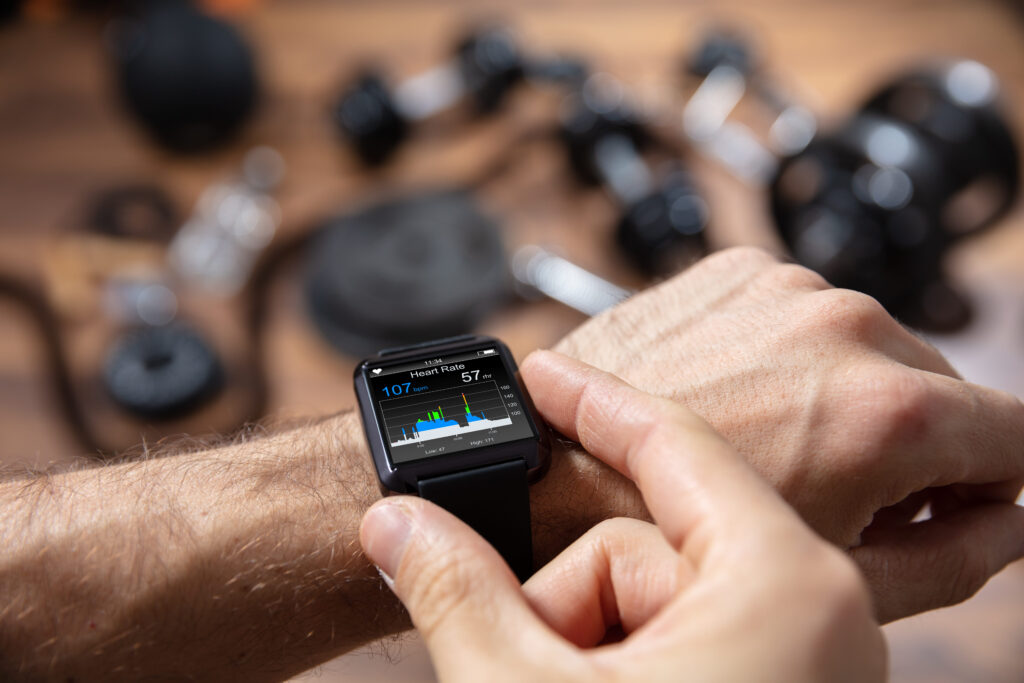
Smartwatches and fitness trackers are increasingly used to monitor everything from our heart rate to the number of steps we take each day. While they help users track their fitness goals, these devices also gather sensitive information.
In addition to health data, they can track location, monitor hand movements, and even record biometric data such as your heart rate variability. The wearable tech can even monitor your typing patterns and detect sensitive data, such as ATM PINs and passwords.
While these devices are marketed as tools to improve personal wellness, they also pose a privacy risk. The data collected by wearables can reveal personal details that could be used for targeted advertising or, worse, be hacked and sold. With wearables becoming more sophisticated, the potential for surveillance grows.
Conclusion
From the toothbrush you use to the smartwatch on your wrist, it’s clear that privacy is at risk in ways we may not have fully understood. The technology embedded in everyday objects constantly collects, stores, and transmits data about our actions, habits, and personal details. While many of these devices are designed to enhance our lives, they also open the door to surveillance and data exploitation. As consumers, it is vital to stay informed about the privacy implications of the devices we use and to take proactive steps to protect our personal information. The more aware we are, the better equipped we become to navigate a world where privacy is increasingly compromised.