Mistakes in the kitchen are common, and even seasoned cooks sometimes overlook important details. Whether it’s a small oversight or a long-standing bad habit, incorrect cooking techniques or food storage practices can lead to unsatisfactory meals, wasted ingredients, or worse, foodborne illnesses.
Fortunately, a few simple changes can make a huge difference in how your food tastes and how long it lasts. Here’s a deeper dive into some common cooking and food storage mistakes and how you can easily correct them.
Roasting Potatoes Without Par‑Boiling First
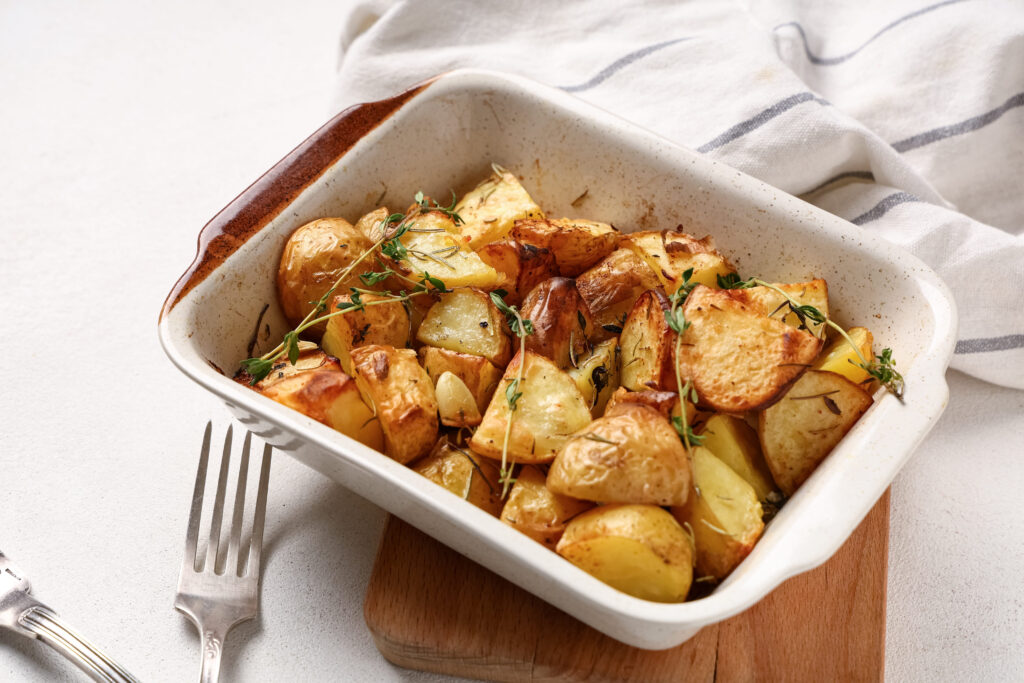
Roasting potatoes may seem straightforward, but if you skip the essential step of par-boiling them, you’re missing out on the crispy exterior and fluffy interior that everyone loves. When you roast potatoes without first softening them in boiling water, you end up with uneven textures, crispy on the outside but dense or hard on the inside.
Par-boiling potatoes before roasting roughens the surface, making it easier to achieve a crispy, golden texture while keeping the insides tender. Par-boiling also gives you a head start, allowing the potatoes to cook more evenly.
To achieve the perfect balance of crispiness and fluffiness, simply give your potatoes a quick boil before baking. This step doesn’t take long, but it ensures that your roasted potatoes have that irresistible texture everyone craves. Plus, you’ll be able to season them more evenly, giving them an extra burst of flavor.
Storing Tomatoes and Garlic in the Refrigerator
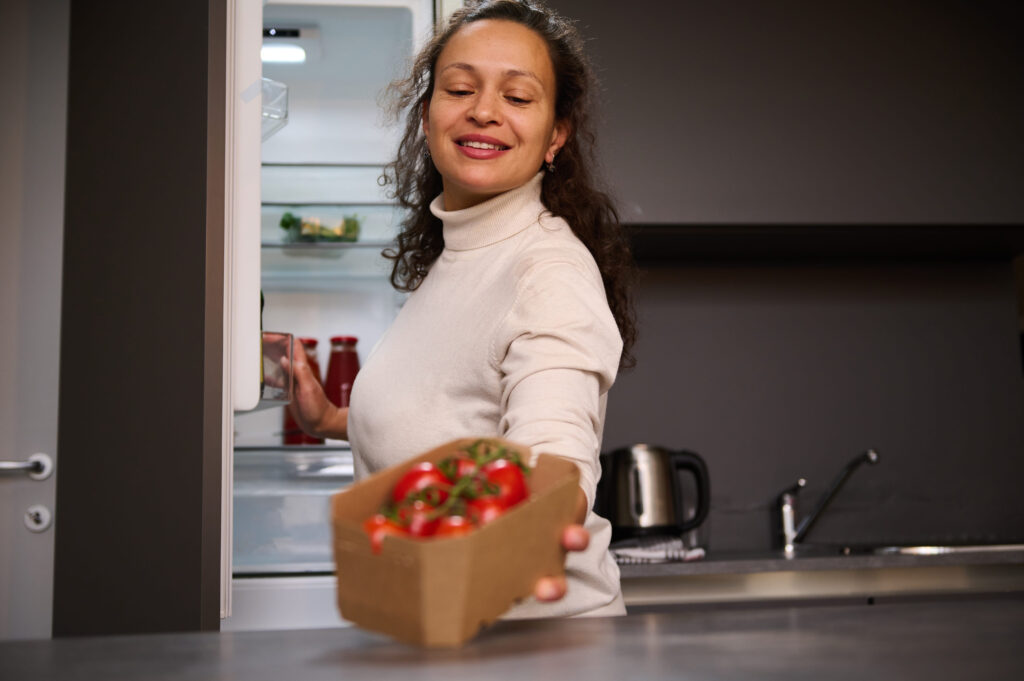
Many people instinctively store tomatoes and garlic in the fridge, thinking that cooler temperatures will keep them fresh longer. However, the fridge does more harm than good with these items. Cold temperatures can cause tomatoes to lose their natural sweetness and flavor, turning them mealy and mushy.
Similarly, garlic, when refrigerated, can start to sprout or lose its pungency, leaving it bland when used in cooking. Tomatoes, especially, should be stored in a cool, dry place, not chilled, to preserve their flavor and texture.
Instead, store tomatoes on your countertop away from direct sunlight. Place them stem-side down, which helps them ripen more evenly. Similarly, store garlic in a well-ventilated area, preferably in a garlic keeper or a mesh bag, to ensure it stays dry and flavorful. This simple shift in storage habits can make a significant difference in how your ingredients perform in cooking.
Frying Bacon on the Stovetop
Frying bacon on the stovetop is a common practice, but it can be messy and frustrating. Grease splatters everywhere, and sometimes the bacon cooks unevenly. You can end up with some pieces overcooked and others underdone.
Fortunately, there’s an easy way to cook bacon that’s cleaner and produces more consistent results. Baking bacon in the oven eliminates the mess and ensures even cooking.
Preheat your oven to 400°F (200°C) and line a baking sheet with parchment paper or aluminum foil. Arrange the bacon in a single layer on the sheet, then bake for 15-20 minutes, depending on how crispy you like your bacon. This method produces perfectly crispy bacon without the hassle of flipping or dealing with splattering grease. Plus, your kitchen stays cleaner, and you can easily cook a larger batch at once.
Straining Away Pasta Water
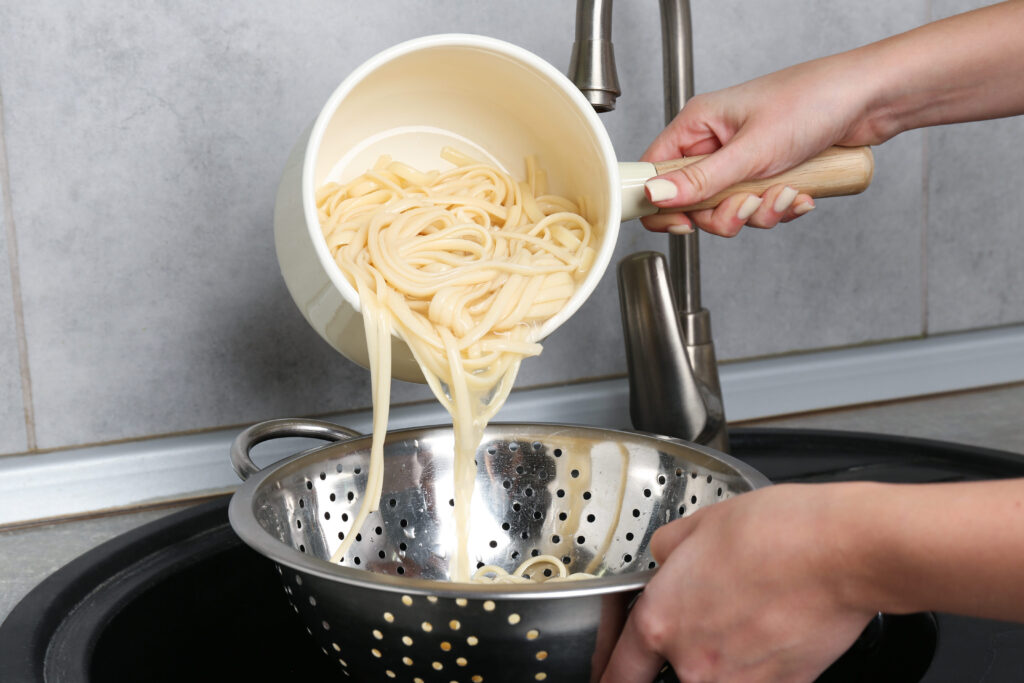
One of the most common mistakes people make when cooking pasta is tossing away the water in which it was cooked. That starchy pasta water is packed with flavor and can be used to enhance your sauce, helping it adhere to the noodles more effectively. Many home cooks miss out on this simple trick, but chefs rely on it to improve the consistency and richness of their pasta dishes.
Before you drain your pasta, scoop out a cup or two of the cooking water and set it aside. This water can be added to your sauce later to help loosen it up and create a smoother texture. Not only will it make your sauce more flavorful, but it will also allow it to cling better to the pasta, creating a better overall dish.
Mincing Garlic by Hand
Mincing garlic is a common task in the kitchen, but most people do it in a way that doesn’t bring out the full flavor of the garlic. When you chop garlic by hand, the resulting texture doesn’t release as many of the oils and juices that give garlic its characteristic flavor. To get the most out of your garlic, use a chef’s knife to smash the cloves against the side of the blade before mincing. This technique helps to release more of the natural oils and juices, intensifying the garlic’s flavor.
Smashing the garlic first breaks open the cells inside the clove, releasing all the potent oils that give garlic its strong taste. This makes a big difference, especially in dishes where garlic is the star ingredient. By taking the extra step to smash and mince your garlic, you’ll notice a deeper, more flavorful result in your cooking.
Storing Cut Lemons Improperly
Lemons are a kitchen staple, but after cutting them, many people fail to store them properly. When exposed to air, cut lemons dry out quickly, losing their juiciness and flavor. This can be especially frustrating when you only need a small amount of lemon juice for a recipe but don’t want to waste the rest of the lemon.
To keep your cut lemons fresh, wrap them tightly in plastic wrap or place them in an airtight container. This helps preserve their moisture and keeps them juicy for longer. If you have leftover lemon juice, consider squeezing it into an ice cube tray and freezing it for later use. You’ll always have fresh lemon juice on hand whenever you need it.
Freezing Eggs Incorrectly
Eggs are one of those ingredients that often get overlooked when it comes to freezing, but with the right technique, eggs can be stored for much longer than you might think. Freezing eggs can be a convenient way to preserve them for later use, but it’s important to know how to do it properly.
Cracking eggs and freezing them in their shells can cause them to break and lose their texture. Instead, crack the eggs into a bowl, whisk them together, and then freeze them in ice cube trays or silicone molds.
Once frozen, transfer the egg cubes to a plastic bag or an airtight container. This method allows you to pull out just the number of eggs you need for a recipe, making it much more convenient than buying eggs in bulk and hoping they don’t go bad. Freezing eggs this way ensures they retain their flavor and texture when thawed.
Refrigerating Hot Foods Immediately
It’s tempting to put a hot dish straight into the fridge, especially if you’re trying to save time. However, placing hot food directly into the fridge raises the fridge’s temperature, creating a breeding ground for bacteria. This can lead to foodborne illness if the food isn’t properly cooled before storage.
To avoid this, let your hot food cool at room temperature for a short time before putting it in the fridge. If you’re in a hurry, divide the food into smaller portions to help it cool faster. Once it’s reached a safe temperature, place it in the fridge. This simple step can help keep your food safe and extend its shelf life.
Storing Raw Meats Above Other Foods
When organizing your fridge, be mindful of how you store raw meats. Storing them above ready-to-eat items, such as fruits and vegetables, can lead to cross-contamination if raw meat leaks or drips. This is especially dangerous because bacteria from raw meat can contaminate other foods, leading to foodborne illness.
To keep your food safe, store raw meats on the bottom shelf of your refrigerator, in a tray or container to catch any drips. This ensures that any bacteria present won’t come into contact with other foods in the fridge. It’s a small change, but it can make a big difference in preventing contamination.
Cooking Eggs at Too High a Heat
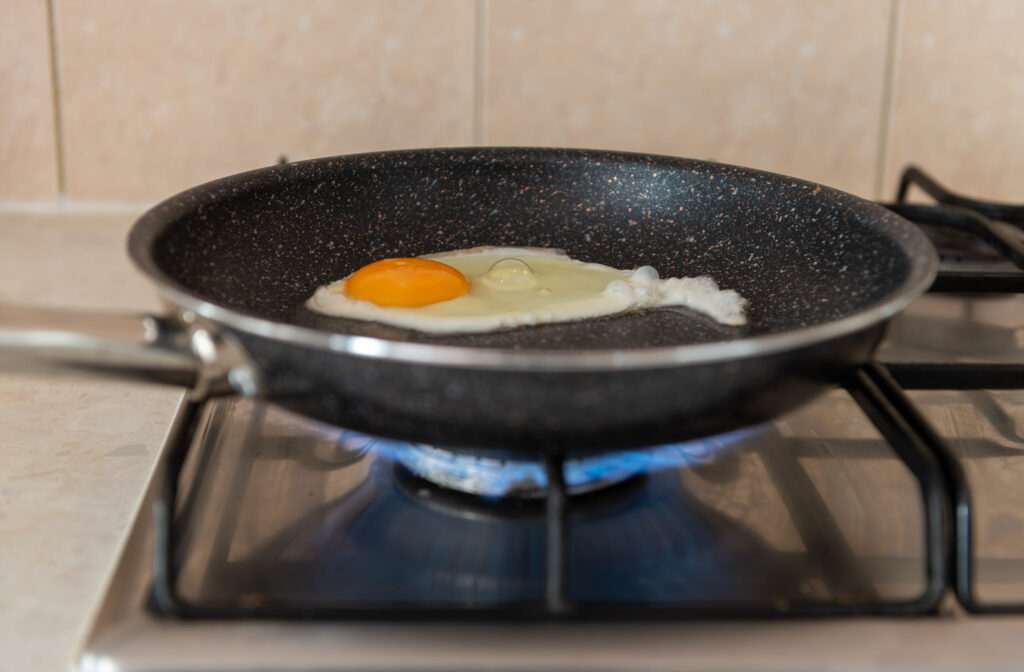
Scrambling eggs is one of the simplest tasks in the kitchen, yet many people end up with tough, rubbery eggs when they cook them at too high a heat. High heat causes the proteins in the eggs to tighten quickly, resulting in a dry, chewy texture. If you want creamy, soft scrambled eggs, the key is cooking them slowly and gently. Low to medium heat gives you more control over the cooking process, allowing the eggs to cook evenly without becoming overcooked.
To achieve the best texture, cook your scrambled eggs slowly, stirring constantly to prevent them from sitting too long in one spot. A little patience goes a long way here. Scrambled eggs are all about consistency, not speed. With the right technique, you can enjoy fluffy, creamy, delicious eggs every time.