Your home is your sanctuary, but it’s more fragile than you think. Everyday habits can cause costly damage and repairs. From misplaced furniture to overlooked maintenance, harmless actions can slowly harm your home. This article explores common mistakes and simple fixes that prevent expensive repairs.
Not Insulating Your Attic
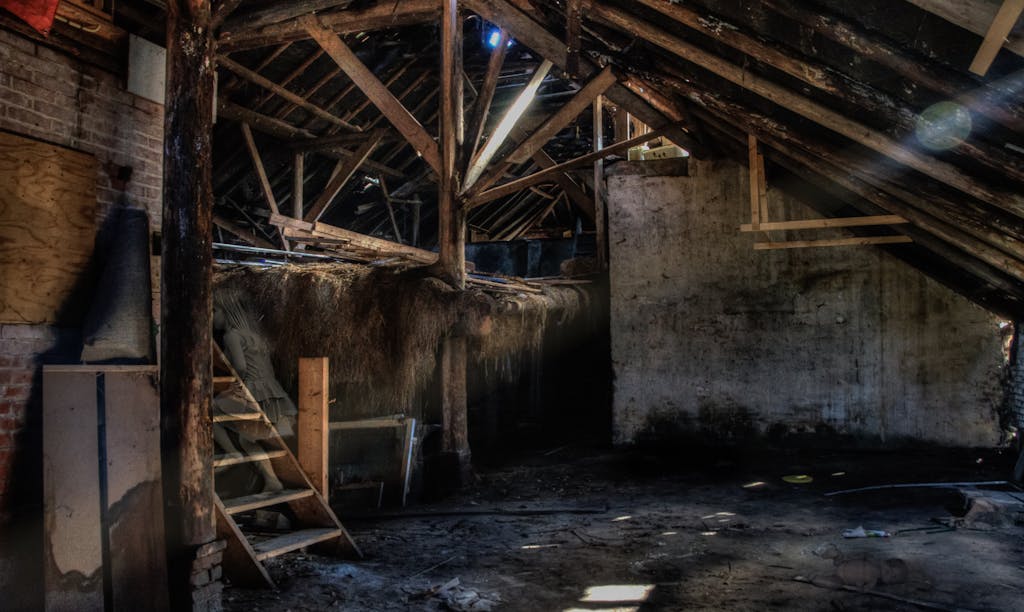
An uninsulated attic is a major source of energy loss. In winter, cold air enters, making your heating work harder and raising your bill. In summer, cool air escapes, forcing your AC to run longer. This wastes energy and can cause structural problems.
Solution
If your home is in a cold region, adding insulation to your attic can be a cost-effective and straightforward DIY task. Be sure to check for ventilation and avoid blocking the soffit vents. If you’re in a warmer climate, proper insulation can keep cool air in, reducing your electricity costs significantly.
Ignoring Plumbing Issues
A leaky faucet might seem like a minor issue, but if ignored, it can result in considerable water damage. Even a slow drip can waste gallons of water over time, leading to a high water bill. Additionally, undetected leaks behind walls can cause hidden mold growth, leading to severe health risks and costly repairs.
Solution
Fix leaks immediately and consider hiring a professional plumber to inspect your home regularly. A quick response can save you thousands in water damage and mold remediation.
Not Using Proper Wall Support for Hanging Objects
When you’re hanging artwork or shelves, failing to find the studs behind the drywall could lead to costly mistakes. A picture falling from the wall not only ruins the item but can also cause damage to your walls and potentially harm someone nearby.
Solution
Use a stud finder to locate the studs behind your drywall before hammering nails into the wall. For heavier items like shelves, always use anchors that are appropriate for the weight.
Letting Vines Grow on Your Exterior Walls
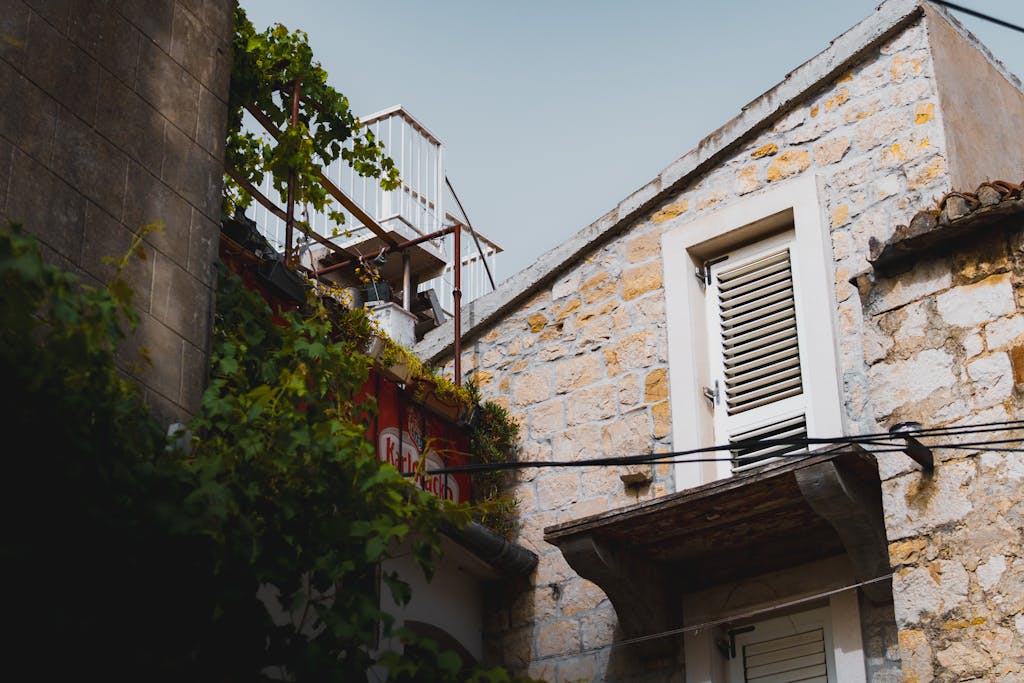
Vines may seem charming when they climb up your house’s exterior, but they can wreak havoc on your home’s structure. Many vines, like Boston Ivy, can pry apart bricks and shingles, allowing moisture to seep into your home and cause mold growth. In severe cases, the weight of the vines can even lead to roof collapse.
Solution
Keep vines trimmed and well-maintained, or opt for a trellis to direct their growth away from your house. Regular inspections can also help prevent potential damage before it becomes too costly to fix.
Neglecting to Clean Your HVAC System
A dirty HVAC system is more than just an inconvenience; it can lead to poor air quality and skyrocketing energy bills. Dust, dirt, and debris clogging up your HVAC filters can cause your system to work harder, reducing its efficiency and increasing wear and tear.
Solution
Clean or replace your HVAC filters regularly. Ensure that vents and ducts are free from dust and debris, and have your system serviced by a professional at least once a year.
Failing to Maintain Your Roof
Your roof is your home’s first line of defense against the elements. Failing to inspect and maintain it can lead to severe problems, such as water leaks, mold, and structural damage. If shingles are missing or curling, it can expose your home to the risk of water damage.
Solution
Regularly check your roof for damage, especially after storms. Clean gutters, remove debris, and replace any damaged shingles promptly. If you spot any significant issues, consider hiring a roofing contractor for a full inspection.
Overloading Your Circuit Breaker
Plugging too many appliances into a single outlet can overload your electrical circuit, posing a serious fire risk. Over time, this strain can cause electrical fires, damage to your appliances, and higher energy consumption.
Solution
Avoid using power strips for large appliances, and try to spread the load across different circuits in your home. If you frequently blow fuses or trip circuit breakers, it’s time to call an electrician for an upgrade.
Letting Pests Move In

Termites, rodents, and insects might seem harmless, but they can cause significant damage to your home. Termites, for example, can consume wood and cause structural issues, while rodents can chew through electrical wires and contaminate your food.
Solution
Regularly inspect your home for signs of pests and take preventative measures, like sealing cracks and installing barriers. If you notice any signs of infestation, address the issue immediately with traps or professional pest control services.
Not Sealing Gaps and Cracks
Small cracks around your windows, doors, and baseboards may seem insignificant, but they are often the source of air leaks and can cause your heating or cooling system to work harder. Over time, these small gaps can lead to higher energy bills.
Solution
Seal gaps around your home using caulk or weather stripping to improve insulation. This simple fix can lead to long-term savings on your utility bills and keep your home more comfortable year-round.
Forgetting to Maintain Your Fireplace
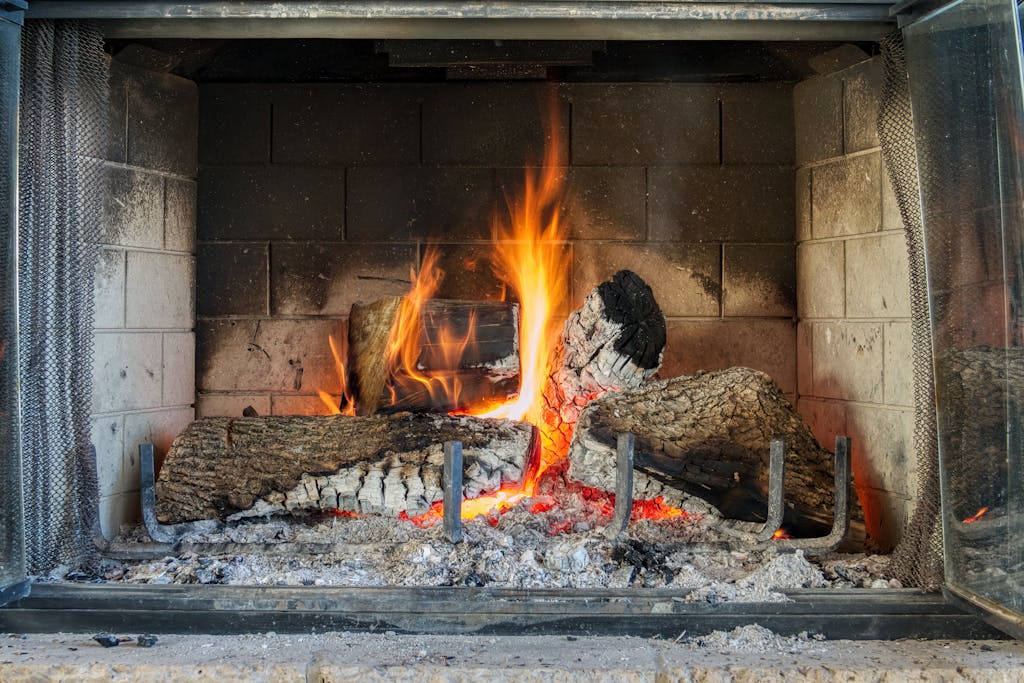
While a cozy fire can be a perfect way to spend a cold evening, an uncleaned fireplace can cause hazardous situations. Creosote buildup inside the chimney can catch fire, putting your entire house at risk.
Solution
Clean your chimney and fireplace annually to prevent the buildup of harmful substances. Hire a professional chimney sweep to ensure everything is in proper working order.
Conclusion
In the hustle and bustle of daily life, it’s easy to overlook small details that could be damaging your home. However, taking proactive steps to prevent problems can save you both time and money. By maintaining your home, staying on top of repairs, and addressing issues early, you can avoid major headaches down the road. A little attention to detail goes a long way in ensuring that your home remains a safe, comfortable, and valuable asset for years to come.