Keeping your microwave clean is one of those kitchen chores that never seem to finish. Even when you think you’ve wiped away every spill and scrubbed every corner, stubborn stains, lingering odors, and hard‑to‑reach grime can still make your efforts look half‑done. A dirty microwave not only diminishes the look of your kitchen but also affects the quality of your food and the longevity of your appliance. If you’ve been neglecting to clean your microwave properly, don’t worry,this guide will ensure your next cleaning session leaves your appliance sparkling and smelling fresh.
You Ignore the Exterior

It’s easy to focus on the inside of your microwave and forget that the exterior gets just as much use and grime. Dirty handles, smudged buttons, and dust can accumulate quickly. Don’t neglect the outside of your microwave. Use a soft cloth, some mild dish soap, and warm water to wipe down all exterior surfaces, including the control panel and handle. This will leave your appliance looking fresh, shiny, and free from fingerprints and other buildup. Don’t forget to check the top of the microwave, too, where grease and dust can accumulate unnoticed.
You Still Don’t Steam Before Wiping
Starting the cleaning process without steaming your microwave is one of the biggest mistakes you can make. Many people dive straight into scrubbing cold surfaces, but this just spreads the grime. Instead, fill a microwave‑safe bowl with water and a splash of white vinegar or a few lemon slices. Heat it for several minutes until the interior is filled with steam, then let it sit for another quarter hour. The steam softens even the most stubborn messes, making your job a whole lot easier. This simple step means you won’t have to scrub as hard, and you’ll be left with a clean, fresh-smelling microwave.
You Don’t Cover Your Food
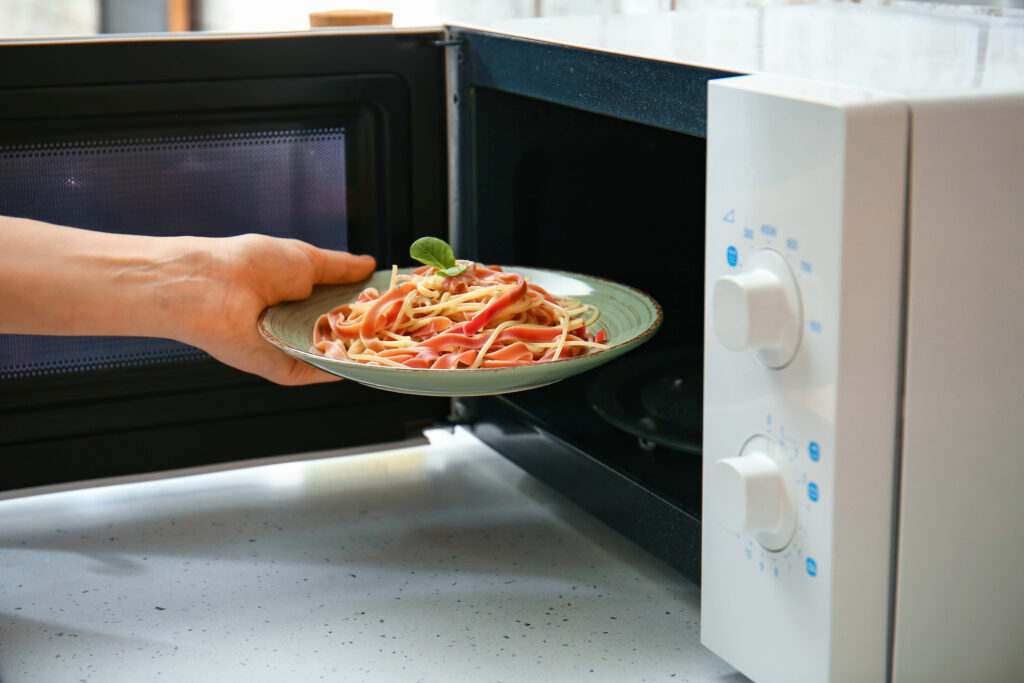
One of the biggest reasons microwaves get dirty is splattering from uncovered food during cooking. While it may seem like an extra step, covering your food when microwaving is a game‑changer. Always use a microwave‑safe cover or microwave‑safe paper towel to contain splatters, prevent sauces from splashing, and ensure even heating. By getting into the habit of covering your food, you’ll minimize messes and prevent the need for regular deep cleanings.
You Skip Spot‑Spraying the Tough Stuff
Many people make the mistake of grabbing a cloth and wiping down the microwave, only to find that old splatters remain. Heavy spills, such as sauces and sticky food residue, need targeted treatment. Before you start wiping down the walls, spray tough spots with a mixture of equal parts vinegar and water. Let it sit for a few minutes to break down the grease and food particles. Then wipe the spot away with a microfiber cloth. This method will help you avoid smearing the grime around and ensure a thorough clean.
You removed the Turntable Too Late.
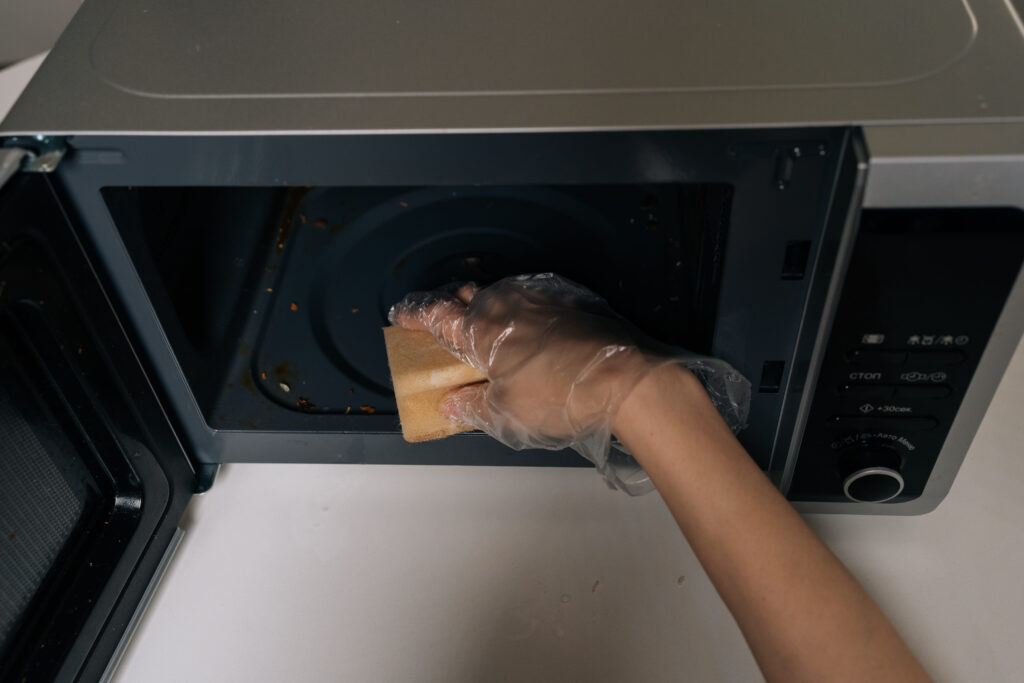
You may think cleaning your microwave without removing the turntable is a time-saver, but it’s actually a mistake that leads to unnecessary mess. The turntable collects crumbs, grease, and other debris that can be difficult to clean once it’s embedded under the glass. Instead, take the turntable out right at the start of your cleaning session. Wash it with warm soapy water, dry it thoroughly, and set it aside. You’ll save time during your cleanup and prevent food residue from sticking to the surface when you put it back.
You forgot to clean the Filter.
If your microwave has an exhaust fan or grease filter, it’s essential to clean it regularly. Many people overlook this part, and over time, the filter becomes clogged with grease and food particles. If your microwave has a charcoal filter, check the user manual for guidelines on how often to clean or replace it. For grease filters, remove them from the appliance, soak them in hot soapy water (adding a bit of baking soda to cut through the grease), and scrub if necessary. Once cleaned, rinse thoroughly and allow it to dry completely before reattaching it. A clean filter will improve the microwave’s efficiency and prevent the buildup of stubborn grease.
You Overlook Routine Spot Cleaning
Waiting until the microwave is caked with food residue is the perfect way to make cleaning feel like a huge chore. Instead of letting spills sit, clean them up right away. Every time you use your microwave, give it a quick wipe down to catch spills and crumbs before they dry and harden. A damp microfiber cloth can easily handle the job. By cleaning small messes as they happen, your next deep clean will be faster and require less effort.
You Ignore Cooking Times and Power Levels
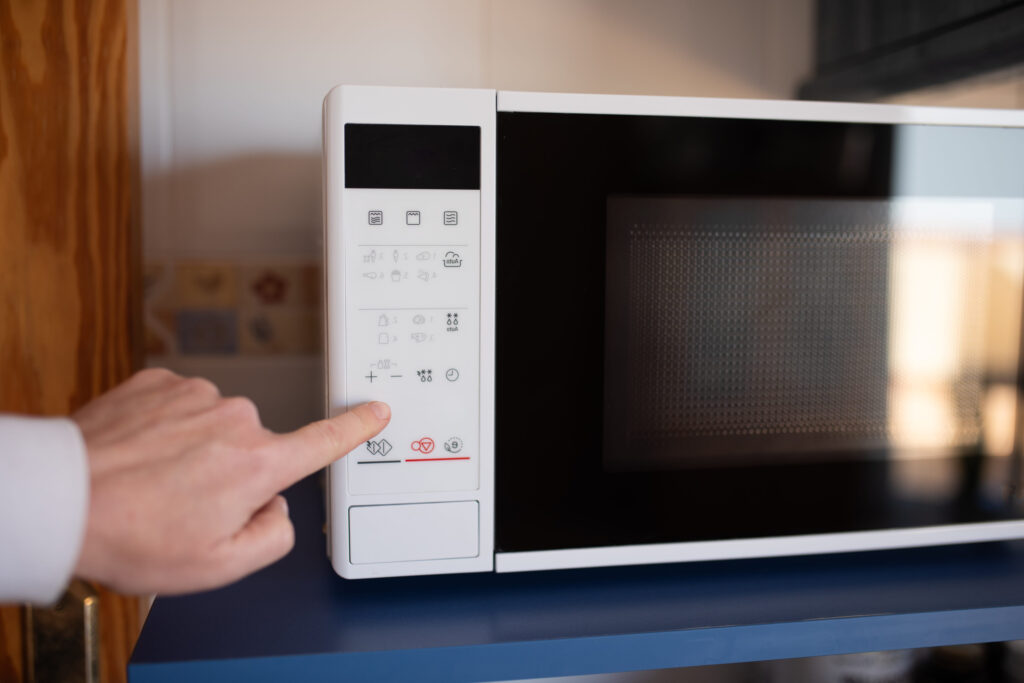
One way to keep your microwave cleaner is by paying attention to the cooking time and power settings. Overcooking food not only dries it out but can lead to baked‑on messes that are a headache to clean. Reduce the power setting for saucy or liquid dishes to prevent splatters, and always follow the recommended cooking times. This small step will minimize cooking accidents, ensure more even heating, and save you from extra scrubbing.
Conclusion
Cleaning your microwave may not be the most exciting task, but by following these steps and establishing good habits, it becomes quick and easy. Remember, routine care is key. Steaming before cleaning, spot‑spraying tough messes, removing the turntable early, and covering your food all help keep your microwave in top shape. When you make a habit of these small steps, you’ll reduce the time spent on cleaning while extending the life of your appliance. After all, a well‑maintained microwave means less effort down the line, and you’ll enjoy a cleaner, fresher kitchen without the hassle.