Anxiety is a complex emotional and psychological experience that affects millions of people worldwide. While the causes of anxiety may vary from person to person, understanding these triggers is the first step toward finding effective solutions. In this article, we will explore the most common causes of anxiety and provide insights into how these factors contribute to anxiety disorders. By identifying the underlying causes, we can take steps to address them and work towards living a life free from excessive worry.
Neurochemical Imbalance in the Brain
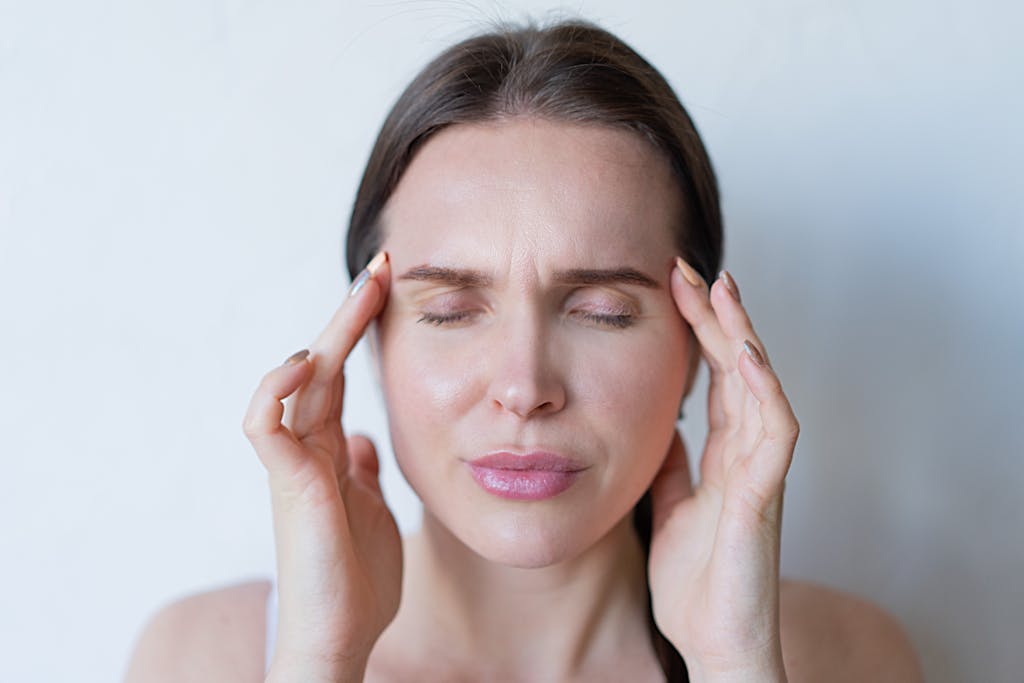
Anxiety is deeply rooted in the brain’s biochemistry. Neurotransmitters such as serotonin, dopamine, and GABA play crucial roles in regulating mood and emotions. (Radwan et al., 2019, pp. 42-51) When these neurotransmitters become unbalanced, it can lead to anxiety symptoms. For example, low levels of serotonin can contribute to feelings of unease and panic. Additionally, the brain’s fight-or-flight response may become overstimulated, causing anxiety to spiral out of control.
To manage anxiety caused by neurochemical imbalances, medical interventions such as therapy and medication are often necessary. Cognitive behavioral therapy (CBT) can help individuals develop strategies to manage their anxiety, while medication can address the underlying biochemical imbalances.
Poor Diet and Lifestyle Choices
The foods we eat directly affect the brain’s ability to function optimally. A diet high in processed and refined foods can contribute to anxiety by depriving the brain of essential nutrients needed to produce mood-regulating neurotransmitters. Additionally, high sugar and caffeine consumption can exacerbate anxiety symptoms by causing blood sugar fluctuations and overstimulating the nervous system.
To improve mental health, it’s essential to prioritize a well-balanced diet rich in nutrients like omega-3 fatty acids, vitamins B6 and D, and magnesium. Regularly eating whole foods such as fruits, vegetables, and lean proteins can help stabilize mood and reduce anxiety.
Lack of Physical Activity

Sedentary behavior has been linked to various mental health disorders, including anxiety. Physical activity is essential for releasing endorphins, the body’s natural “feel-good” chemicals, which can help reduce feelings of anxiety. Regular exercise also reduces the production of stress hormones, such as cortisol, and promotes better sleep.
Incorporating physical activity into daily routines, such as walking, swimming, or yoga, can significantly reduce anxiety. Even light exercise can trigger positive changes in the brain, leading to better emotional regulation.
Genetic Predisposition
Anxiety can run in families, suggesting a genetic component. While anxiety is not directly inherited like eye color, individuals may inherit a genetic predisposition to develop anxiety disorders. Research shows that people with first-degree relatives who suffer from anxiety are more likely to develop anxiety themselves.
If anxiety runs in your family, it’s crucial to monitor any signs or symptoms early. Genetics do not determine fate; adopting healthy coping mechanisms, seeking therapy, and, if necessary, using medication can help prevent anxiety from affecting your daily life.
Environmental Factors and Stress
Environmental stressors, such as significant life changes, work pressures, or family dynamics, can trigger or worsen anxiety. Major life events like moving to a new home, changing jobs, or experiencing the death of a loved one can all contribute to heightened stress and anxiety. Chronic stress from ongoing situations such as financial struggles or unhealthy relationships can create a persistent sense of worry.
Reducing environmental stressors can help alleviate anxiety. For example, creating a peaceful home environment, setting boundaries at work, and engaging in stress-reducing activities like meditation can contribute to emotional stability.
Trauma and Learned Responses
Past trauma or negative life experiences can leave a lasting impact on mental health. Individuals who have experienced trauma may develop anxiety as a learned response to fear. For example, someone who was in an abusive relationship may become anxious in new relationships, even if there is no immediate danger. Similarly, people who have experienced a car accident may develop driving-related anxiety.
Addressing trauma through therapy, such as trauma-focused cognitive behavioral therapy (TF-CBT), can help individuals process their experiences and heal. Exposure therapy, where individuals gradually confront their fears in a safe environment, can also be effective.
Chronic Health Conditions

Sometimes, anxiety can be linked to medical or psychological conditions. Certain chronic health conditions, such as thyroid disorders, heart disease, or diabetes, can contribute to feelings of anxiety. In some cases, anxiety may be a direct symptom of the underlying condition. Additionally, medical treatments or medications can cause anxiety as a side effect.
If anxiety develops suddenly or worsens without clear psychological triggers, it’s essential to consult a healthcare professional to rule out any underlying medical conditions. Addressing the root cause can help alleviate anxiety symptoms.
Excessive Focus on the Past or Future
Constantly worrying about past mistakes or imagining worst-case scenarios for the future can fuel anxiety. Living in the past or future prevents individuals from being present and enjoying the current moment. This past- and future-oriented thinking can create a never-ending cycle of worry, making it difficult to relax.
Practicing mindfulness and grounding techniques can help individuals break free from the cycle of worry. Learning to focus on the present moment and accepting uncertainty can significantly reduce anxiety.
Social and Cultural Influences
Cultural norms and social pressures can also contribute to anxiety. Societal expectations, such as the pressure to achieve certain career milestones or maintain a specific appearance, can create feelings of inadequacy or fear of failure. Social anxiety, the fear of being judged or rejected in social situations, is another common form of anxiety.
Building self-confidence and challenging societal expectations can help alleviate anxiety related to social and cultural pressures. Supportive relationships and therapy can also help individuals navigate social challenges.
Being Human

Anxiety is part of the human experience. It serves as an alert system that helps us respond to potential dangers. In healthy amounts, anxiety can be motivating, pushing us to perform well and avoid risks. However, when anxiety becomes overwhelming or chronic, it can impair daily functioning and lead to emotional distress.
Understanding that anxiety is a natural, albeit uncomfortable, response to stress can help individuals accept and manage their anxiety. By recognizing its role and practicing stress management techniques, it becomes easier to reduce anxiety’s impact on everyday life.
Conclusion
Anxiety has many causes, ranging from neurochemical imbalances to environmental stressors and learned behaviors. By understanding the various factors that contribute to anxiety, we can develop tailored strategies to manage and reduce its impact. Whether through lifestyle changes, therapy, or medical intervention, overcoming anxiety is possible. Identifying the root causes of anxiety is the first step in regaining control and living a more peaceful life.