Agriculture is full of misconceptions about food production and its complexities. As we explore facts versus myths in farming, it’s important to address common myths that shape public understanding. Let’s uncover these misunderstandings and reveal the truth.
Organic Farming is Always Better for the Environment

Organic farming has benefits, but it is not always better for the environment than conventional farming. It can require more land for the same yield, potentially increasing deforestation, and some methods, like tilling, can cause soil erosion. The environmental impact of any farming method depends on land use, resources, and biodiversity, not just labeling.
GMOs are Unhealthy and Harmful
Genetically Modified Organisms (GMOs) undergo rigorous testing and regulation before being approved for human consumption. Extensive scientific research has shown that GMOs are as safe to eat as conventional crops. In fact, GMOs can play a significant role in enhancing food security by creating crops resistant to pests, diseases, and environmental stress, contributing to more sustainable agricultural practices.
Pesticides are Poisonous to Consumers
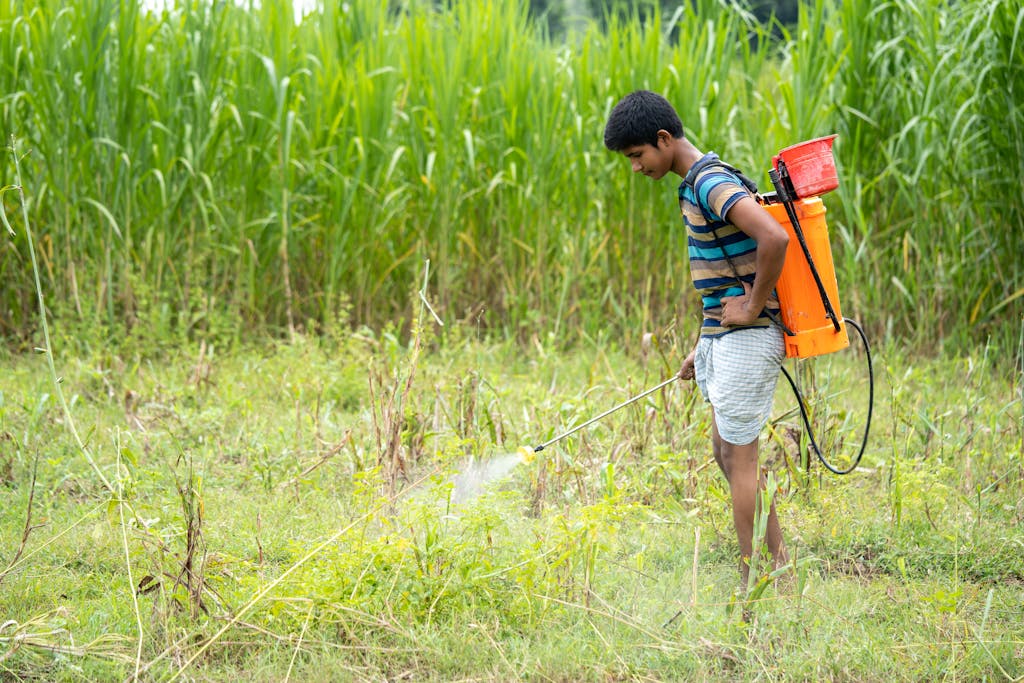
Pesticides, when used in accordance with regulations, pose minimal risk to consumers. The pesticide residues found on food are well below levels that could cause harm. Agricultural and health authorities, including the U.S. Environmental Protection Agency (EPA), continuously monitor and regulate pesticide use to ensure food safety. Proper application and adherence to safety standards ensure that pesticides do not endanger public health.
Large-Scale Agriculture is Unsustainable
Large farms often have the financial resources to invest in advanced technologies and sustainable practices. In fact, many large-scale agricultural operations implement practices like precision farming, which minimizes waste and optimizes resource use. Sustainability is not solely determined by farm size, but by the methods and innovations employed.
Local Food is Always More Sustainable
The sustainability of food is not as simple as its origin. While local food can have a lower carbon footprint due to reduced transportation, the environmental impact of growing practices is far more important. In some cases, food imported from other regions or countries might have a smaller carbon footprint when grown with more efficient agricultural practices. Sustainability hinges on farming methods, not just proximity.
Natural Fertilizers are Always Better
While natural fertilizers, such as manure, are often viewed as more eco-friendly, they come with their own set of challenges. Some natural fertilizers can contribute to water pollution and require more resources to produce than synthetic alternatives. The effectiveness and environmental impact of any fertilizer, whether synthetic or natural, depend on how it is used and managed.
Agriculture is the Primary Cause of Deforestation
Although agriculture does contribute to deforestation, it is not the only culprit. Urban development, infrastructure projects, and logging are significant drivers of deforestation as well. Agriculture, particularly for commodities like soy and palm oil, can certainly exacerbate the problem, but broader economic and social factors also play a key role in forest destruction.
Modern Farming Techniques Are Destroying Soil Quality
Modern farming techniques, including conservation tillage and crop rotation, often focus on improving soil health. Practices such as no-till farming and precision agriculture reduce soil erosion and promote soil fertility. Modern agriculture is increasingly focused on sustainability, with many innovations geared toward preserving and even enhancing soil quality.
All Farmers are Rich
Contrary to the popular belief that farmers are wealthy, many face significant financial challenges. The cost of equipment, labor, and the unpredictability of weather can create financial instability. Additionally, many farmers work with slim profit margins and rely on subsidies or government support to remain afloat. The stereotype of the rich farmer is not an accurate representation of the industry.
Only Chemical Fertilizers Lead to Algal Blooms
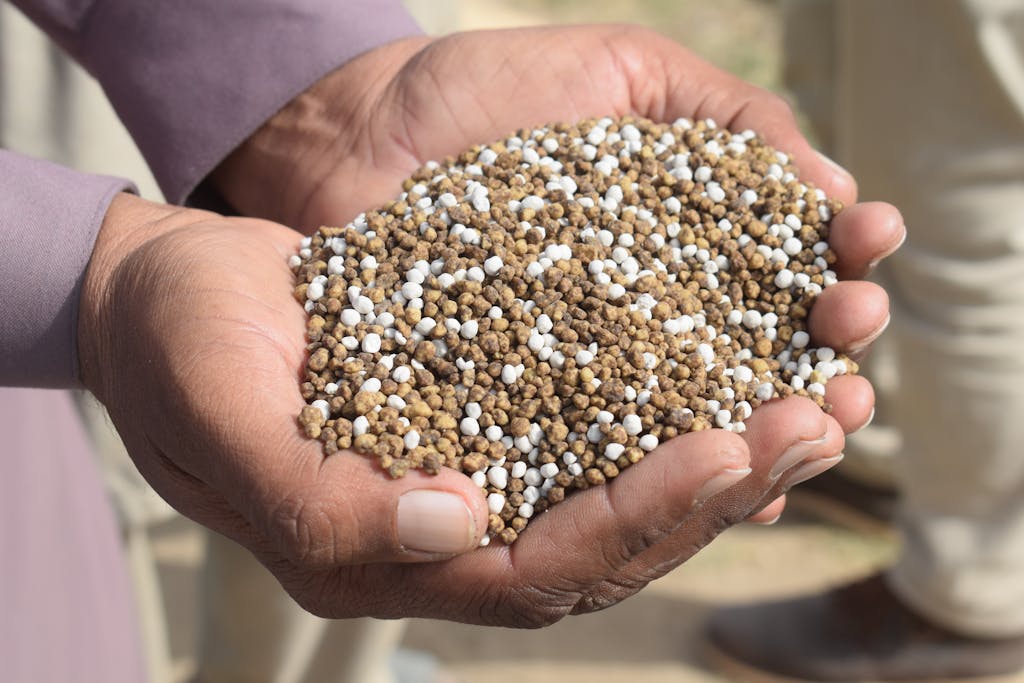
Algal blooms, which can harm water quality, can be caused by nutrient runoff from both synthetic and natural fertilizers, including manure. The key to preventing these blooms is proper nutrient management, regardless of the type of fertilizer used. Effective management practices can help minimize the negative impacts of fertilizer use on water bodies.
Vertical Farming Will Replace Traditional Agriculture
Vertical farming offers exciting possibilities for growing food in urban environments, but it is unlikely to replace traditional farming methods entirely. Vertical farming is best suited for high-value crops like herbs and greens, while staple crops like grains and root vegetables are still more efficiently grown on large-scale, open farms. Traditional agriculture will remain essential for feeding the global population.
All Food Additives are Bad

Food additives are carefully tested for safety and are typically used to enhance the quality, taste, and shelf life of food products. Additives like preservatives, colors, and flavorings are regulated by food safety authorities to ensure they are safe for consumption. In some cases, food additives can even improve the nutritional content of foods, making them more beneficial than harmful.
Organic Food is Nutrient-Rich Compared to Conventional Food
The nutrient content of organic and conventional foods is virtually the same, according to numerous studies. While organic food is often grown without synthetic pesticides and fertilizers, the nutrient differences are minimal. The choice between organic and conventional food should be based on personal preferences, such as farming practices or environmental concerns, rather than perceived nutritional superiority.
No-Till Farming is Always Better
No-till farming has been praised for its ability to reduce soil erosion and improve soil structure. However, it is not suitable for all soils or conditions. In some instances, no-till farming can lead to problems such as soil compaction or the buildup of disease pathogens. Like any farming practice, no-till must be carefully managed to prevent unintended negative consequences.
Agricultural Myths Stunt Progress
Agricultural myths often create roadblocks to innovation and progress in the farming industry. Dispelling these myths is essential for fostering a more informed understanding of agricultural practices and encouraging the adoption of sustainable, effective farming techniques. By debunking these myths, we can move towards more rational discourse and better solutions for the challenges facing the agricultural sector.
Conclusion
Debunking these agricultural myths is vital for a more informed and realistic view of food production. Each farming method, whether organic, conventional, or GMO-based, has its pros and cons, and it’s important to evaluate them based on specific outcomes, not misconceptions. As we continue to challenge these myths, we create space for innovation and sustainability in agriculture that can address the global challenges of food security and environmental conservation.
By dispelling myths and focusing on data-driven decisions, we pave the way for a healthier and more sustainable agricultural future.