A well-stocked pantry is the backbone of any kitchen, but not all pantry staples can last forever. Over time, many commonly stored foods can lose their freshness, flavor, or even become unsafe to consume. It’s important to understand the shelf life of certain foods to maintain a healthy, efficient kitchen and avoid unpleasant surprises.
Here, we’ll explore which pantry items should not be stored for too long and the best practices for keeping them safe and high-quality.
Canned Goods
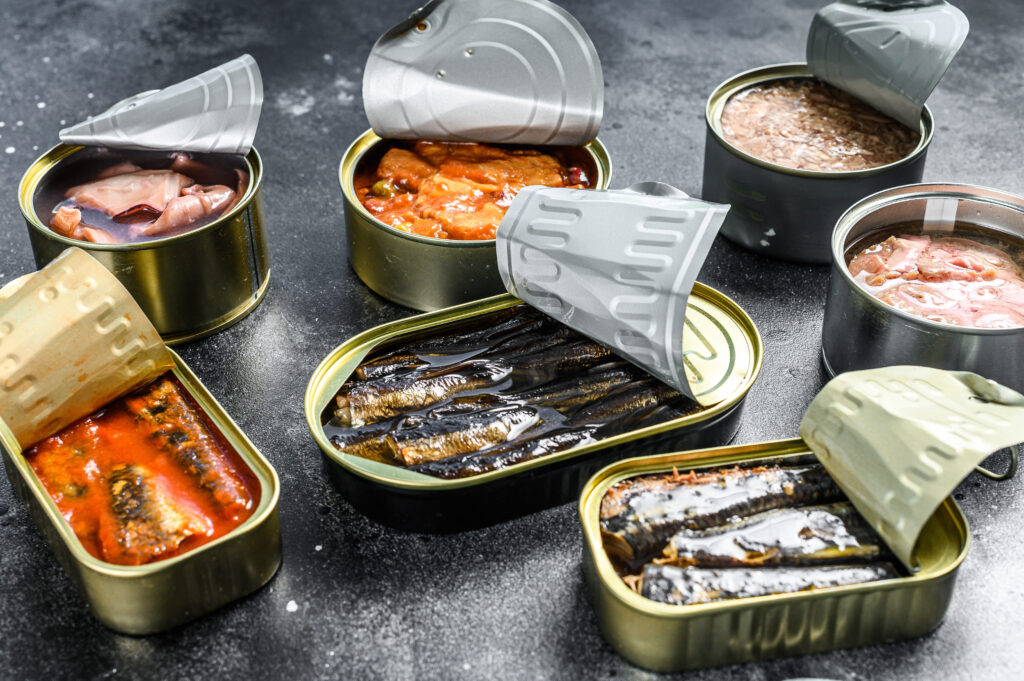
Canned foods are designed to last for long periods, sometimes even years, making them an ideal pantry staple. However, over time, the quality of canned foods can deteriorate. While the cans themselves might remain intact, the food inside can lose flavor, texture, and nutritional value. It’s essential to use canned goods before their “best by” dates, which usually range from 1 to 5 years depending on the type of food inside. Once opened, canned food should be consumed within 3-4 days and transferred to a separate container for storage in the fridge.
Canned goods, especially if they show any signs of damage such as bulging, rusting, or leakage, should be discarded immediately, as this can indicate contamination, including a risk of botulism. Even without visible signs, if a can has passed its expiration date, it may no longer provide the same level of taste or nutritional benefit, so it’s better to use it promptly.
Dry Pasta
Dry pasta is often bought in bulk and stored for long periods, thanks to its extended shelf life. However, just because it can last for a while doesn’t mean it will always be in peak condition. Over time, pasta can lose its texture and flavor. While white pasta can last up to 2 years, whole wheat pasta, due to its higher oil content, has a much shorter shelf life. When stored improperly, pasta can absorb moisture from the air, leading to a soft, sticky texture or even mold growth.
If pasta begins to look off-color or sticky, it’s best to discard it. Furthermore, pasta that has lost its fresh, neutral smell or takes on a musty scent is likely no longer good to eat.
Flour
Flour is an essential pantry ingredient for bakers, but it’s crucial to monitor its shelf life. Most types of flour can last for 6 months to a year when stored in a cool, dry place, but this depends on the type of flour. White flour, with a lower fat content, lasts longer than whole wheat flour, which has a higher oil content that can lead to rancidity.
When flour goes bad, it may develop a musty or sour odor, indicating that it’s time to toss it. Additionally, the presence of small pests, such as weevils or eggs, inside the flour package indicates it should be discarded immediately. To keep your flour as fresh as possible, store it in an airtight container and avoid exposure to light and heat.
Rice
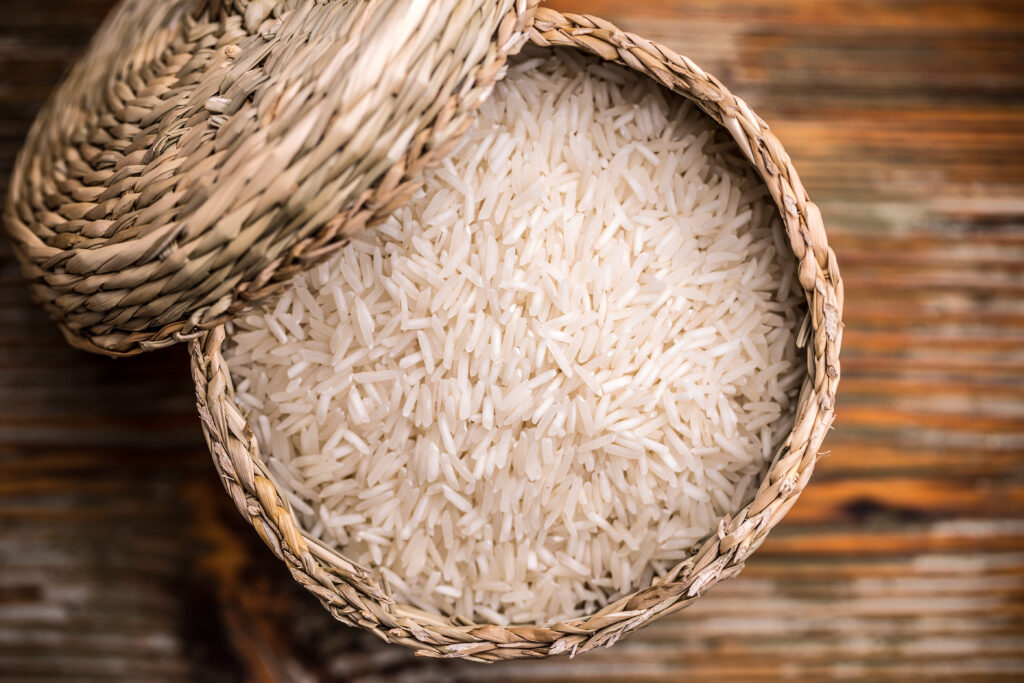
Rice is another pantry staple that has a long shelf life, but that shelf life varies depending on the type of rice. White rice can last for up to 5 years when stored properly, but brown rice, due to its oil-rich bran layer, has a shelf life of only about 6 months to a year. Over time, rice can lose its flavor, and improperly stored rice can even develop a rancid odor as its oils degrade.
To prevent these issues, store rice in an airtight container and keep it in a cool, dry place. Brown rice, in particular, should be refrigerated or frozen to extend its shelf life, as it’s more prone to spoilage.
Sugar
Sugar is often seen as a pantry item that can last indefinitely, and technically, it doesn’t expire. However, sugar can become clumpy and hard over time, especially if exposed to humidity or moisture. While this doesn’t make it unsafe to consume, it can make it more difficult to use in recipes, especially in baked goods that require precise measurements.
If sugar hardens, you can soften it by adding a few slices of bread or an apple to the container for a few days to restore some moisture. Always store sugar in an airtight container and keep it in a cool, dry place to prevent moisture from causing clumping.
Spices
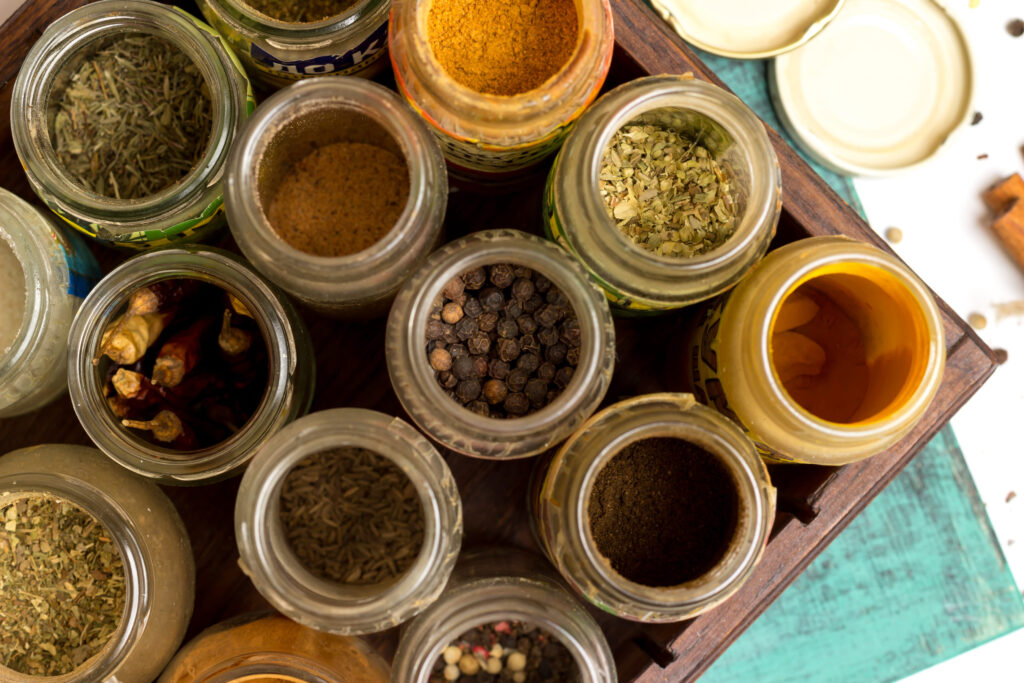
Spices and dried herbs are essential for enhancing the flavor of your meals, but like other pantry staples, they lose their potency over time. Spices typically last 1 to 3 years, while dried herbs tend to lose flavor even more quickly. After this time, they can become stale or musty, or fail to deliver the desired flavor profile in dishes.
To maintain their potency, store spices in tightly sealed containers and keep them in a cool, dark place. Regularly check your spices to ensure they are still providing the intended flavor, and replace those that no longer contribute effectively to your cooking.
Cooking Oils
Cooking oils such as olive oil, vegetable oil, and canola oil have a relatively short shelf life compared to other pantry items. They can last for 1 to 2 years, but once opened, their shelf life reduces dramatically. Over time, oils can go rancid, developing a bitter taste and unpleasant odor. This can significantly affect the flavor of dishes you prepare with them.
To prevent oils from going bad too quickly, store them in dark glass bottles away from heat and light. Some oils, such as flaxseed oil, should be refrigerated to prolong freshness. If an oil smells sour or bitter, discard it and replace it with a fresh bottle.
Cereal
Cereal is a common pantry item, but even though it often has a long shelf life, it doesn’t stay fresh forever. Once the box is opened, the cereal begins to lose its crispness and can eventually become stale. Most breakfast cereals last around 6 months to a year, but once opened, they should be consumed within a few months for the best texture and flavor.
When cereal loses its crunch or develops a strange, off flavor, it’s a sign it’s gone stale and should be thrown away. Storing cereal in airtight containers can help extend its freshness after opening.
Baking Powder & Baking Soda
Baking powder and baking soda are crucial for many baking recipes, but they don’t last forever. While they may not spoil in a traditional sense, their effectiveness fades over time. When these leavening agents lose their potency, they won’t provide the necessary lift, leading to flat, dense cakes and cookies.
Before using old baking powder or baking soda, perform a simple test: Add a teaspoon of baking powder to hot water or a teaspoon of baking soda to vinegar. If it bubbles vigorously, it’s still good to use; if not, it’s time to replace it.
Peanut Butter

Peanut butter is a pantry staple, but its shelf life varies depending on the type. Conventional peanut butter can last for 6 to 12 months, but natural peanut butter, which lacks preservatives, can go bad much sooner. Even if the jar is unopened, natural peanut butter can spoil if stored improperly.
Peanut butter that has developed an off or sour taste, or has an unusual separation of oils that doesn’t mix back in properly, is no longer good for consumption. Store peanut butter in a cool, dry place, and refrigerate natural peanut butter to extend its freshness.