Most homes make a variety of sounds every day, from the hum of appliances to the settling creaks as materials respond to temperature and humidity changes. Many of these noises are completely normal. What becomes concerning is when the sounds change, persist, or start suddenly without an obvious cause. The problem is that unusual noises often signal problems that can grow into costly repairs, safety hazards, or major system failures if left unaddressed. In this article, we explore six key household noises you should never overlook, explain what they might mean, and offer guidance on what to do when they occur.
Loud Banging or Booming Sounds

One of the most alarming sounds you might hear in your home is a loud banging or booming. This kind of noise almost always signals a mechanical problem. In plumbing systems, for example, a loud bang when water is turned off can indicate water hammer, in which high-pressure water suddenly stops or changes direction and slams into the pipe walls, producing loud impacts. Over time, this can loosen joints or even crack pipes. Within heating and cooling systems, similar noises may come from loose or failing parts inside the unit. When a metal part shifts or hits another component during operation, this creates metallic bangs that are not part of normal system noise. These sounds should be investigated promptly because they often precede more expensive and disruptive failures.
Water Sounds from Walls or Floors
Another set of noises homeowners frequently mistake for harmless background noise is water-related sounds coming from within walls or floors when no fixtures are in use. The sound of running water or persistent dripping might initially seem like a minor annoyance, but it can be the only hint you get of a hidden leak. A leak inside a wall or under a floor can quickly lead to water damage, mold growth, peeling paint, and compromised structural materials. If you hear water sounds when taps and appliances are definitely turned off, investigate immediately. Look for signs such as unexplained increases in your water bill, damp or discolored spots on walls or ceilings, and musty odors that could indicate excess moisture.
Buzzing or Humming from Electrical Outlets
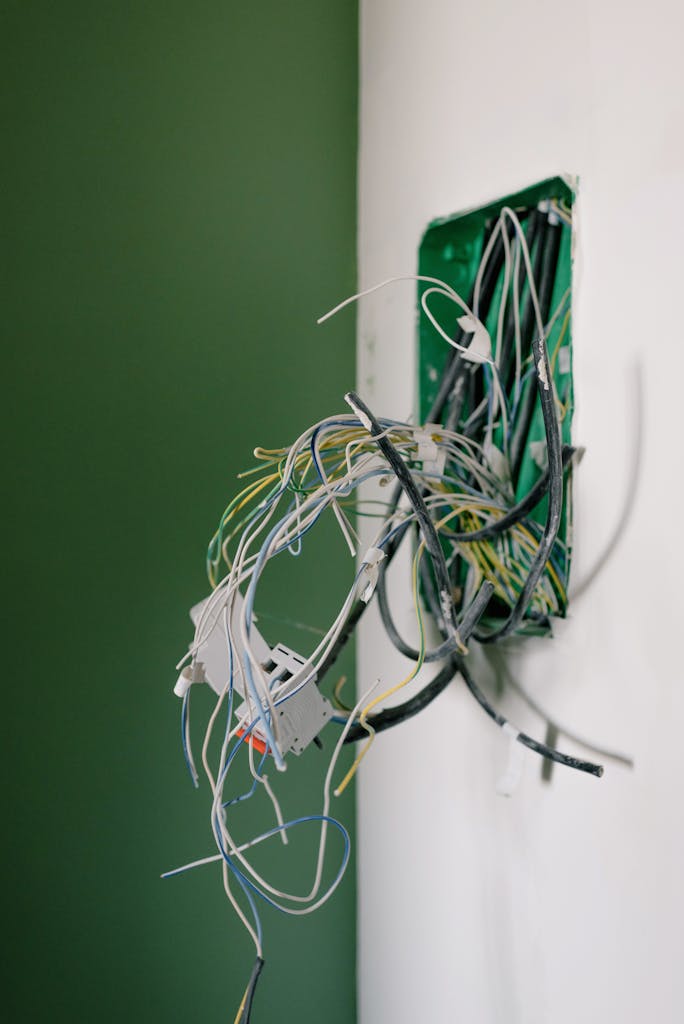
Persistent buzzing or humming noises, especially those you hear near electrical outlets, switches, or panels, should never be dismissed. While a slight buzz from some appliances might be normal, a low-frequency vibration from an outlet or wall switch often points to defective or loose wiring. In electrical systems, loose connections can cause arcing, which generates heat and noise and significantly increases the risk of an electrical fire. In some cases, buzzing might also come from overloaded circuits or failing electrical components in appliances. Whenever you notice this type of sound, it is advisable to switch off the affected circuit and consult a licensed electrician without delay.
Whistling or Hissing Noises
Whistling or hissing sounds are often easier to ignore because they can originate from air movement. But these noises can also indicate trouble. When hissing comes from around windows or doors, it usually means there are gaps or broken seals allowing air leaks, which not only cause drafts but also increase energy costs as your heating and cooling systems work harder. Hissing can also come from mechanical systems, such as a heating or cooling unit forcing air through a blocked or restricted component, or even from a leaking HVAC refrigerant line. In some situations, hissing around gas appliances may indicate a gas leak, a severe safety concern that requires immediate evacuation and professional intervention.
Scratching or Scampering Sounds Inside Walls
Noise coming from inside your walls, ceilings, or attic that resembles scratching, scampering, or knocking ought to catch your attention. These sounds are often caused by unwanted guests. Rodents, squirrels, raccoons, and even bees can establish nests within wall cavities or roof spaces. While a small critter might seem like a minor issue, animals inside walls can chew through insulation, wiring, and structural materials. Rodents gnawing on wiring can cause short circuits or electrical failures, and dead animals left inside walls can lead to foul odors that are difficult and expensive to remove.
Unusual Noises from Major Appliances
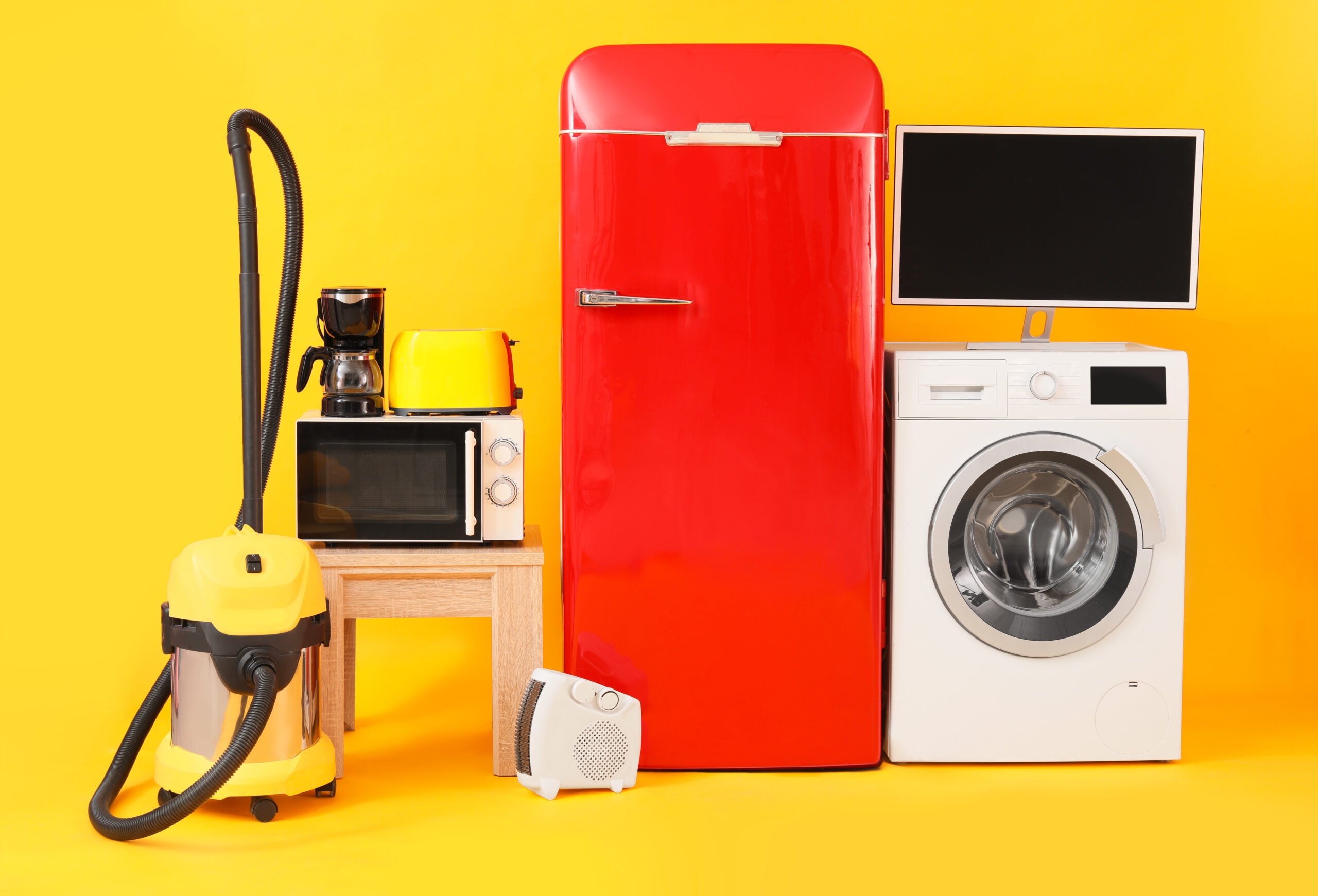
Finally, unusual noises from motors and major appliances should prompt concern, especially if they are new and different from the typical sounds you expect. Appliances like refrigerators, washing machines, dryers, fans, and HVAC systems normally emit a soft, familiar hum. When these devices start making loud whines, grinding noises, or metallic sounds, it may indicate that a part is worn, misaligned, or failing entirely. Ignoring these motor noises can lead to a complete breakdown and a costly replacement, whereas diagnosing and fixing the issue at the first sign can often involve a simple part change or tune-up.
Conclusion
In summary, unusual household noises may be bothersome, but they can signal underlying issues that deserve your attention. Listening to your home and responding thoughtfully to these warning signs helps protect your property and avoid unwelcome surprises. If you hear persistent, loud, or unfamiliar sounds that do not match your home’s usual rhythm, thoroughly investigate the cause and involve the appropriate professionals. This simple habit of vigilance not only preserves the value of your home but also ensures a safer, more comfortable living environment.