Social media does not sit quietly in the background of teenage life. It follows teens into bedrooms, classrooms, lunch tables, weekends, private worries, friendships, crushes, arguments, and moments of boredom. For many teenagers, the phone is no longer just a device. It has become a social mirror, a stage, a diary, a news source, a popularity meter, and sometimes a pressure cooker.
The scale alone tells us why this subject matters. CDC data from the 2023 Youth Risk Behavior Survey found that 77% of U.S. high school students used social media at least several times a day, with girls reporting more frequent use than boys. The same CDC report linked frequent social media use with higher levels of bullying victimization, persistent sadness or hopelessness, and some suicide risk indicators, although it also notes that these findings do not prove direct cause and effect.
Social Media Changes Teenage Communication
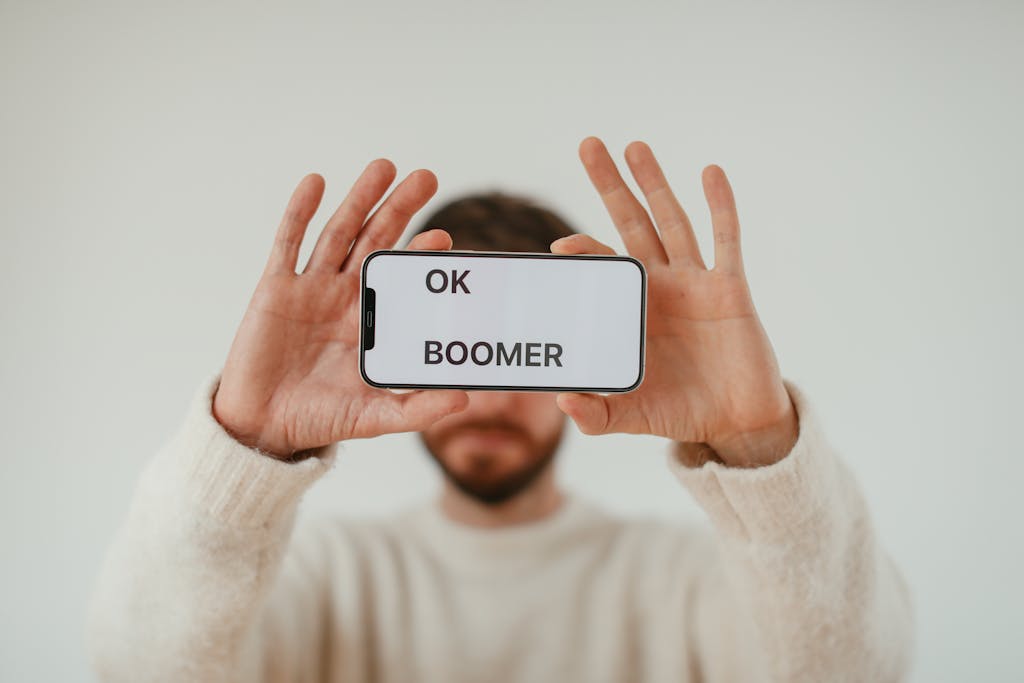
Teenagers are still learning how to read tone, facial expressions, silence, disappointment, humor, discomfort, and emotional risk. In-person communication teaches these skills through tiny real-life moments: a pause before answering, a nervous laugh, a friend’s hurt expression, a teacher’s concern, or the courage it takes to say, “That bothered me.”
Social media changes that learning environment. A teen can type a message, delete it, rewrite it, send a meme instead of an honest reply, avoid eye contact, or leave someone on read. This makes communication feel safer in the moment, but it can also reduce practice with direct conversation. When a hard conversation happens through a screen, teens miss the human signals that help build empathy.
We see this especially in conflict. A disagreement that might soften in person can turn sharp online because there is less immediate emotional feedback. A sarcastic comment may feel funny to the sender and humiliating to the receiver. A private argument can become public when screenshots spread. A teenager who is still learning emotional control may suddenly have an audience, a record, and a reaction cycle that rewards drama.
Teen Anxiety
Social media can increase anxiety because it keeps teens in a state of constant social awareness. They may wonder who viewed their story, why someone did not reply, why a group photo did not include them, why a friend suddenly changed tone, or why a post did not get enough likes. These small moments can feel huge during adolescence because peer approval carries real emotional weight.
Teen anxiety is also fueled by uncertainty. Online spaces create endless room for interpretation. A delayed reply can feel like rejection. A short answer can feel cold. A friend posting with someone else can feel like a replacement. Teens may know, logically, that these moments do not always mean something serious, but emotionally, the mind often fills the silence with the worst possible story.
Pew Research Center found in 2025 that 45% of teens said they spend too much time on social media, up from 36% in 2022. Pew also found that 45% of teens said social media hurts the amount of sleep they get, and 40% said it hurts their productivity. These numbers matter because anxiety often grows when sleep, focus, and daily routines begin to weaken.
Teen Depression

Social media does not affect every teenager the same way, but heavy or frequent use can become part of a larger depression pattern. A teen who already feels lonely may scroll through polished photos and feel even more isolated. A teen with low confidence may compare their normal life to someone else’s edited highlight reel. A teen who feels left out may keep checking the same apps that are making them feel worse.
The U.S. Surgeon General’s advisory on social media and youth mental health states that up to 95% of young people ages 13 to 17 report using a social media platform, with more than one-third saying they use social media “almost constantly.” The advisory also notes that social media can provide benefits, but current evidence shows enough concern that we cannot conclude social media is sufficiently safe for children and adolescents.
Depression risk is not only about seeing sad content. It can come from the emotional pattern around the app: checking, comparing, feeling worse, checking again, sleeping less, withdrawing from offline life, and slowly losing interest in things that once felt meaningful. That loop can become quiet and hard for parents to notice because the teen may look busy rather than distressed.
Social Media and Self-Esteem
Teen self-esteem is still under construction. Adolescence is when young people ask, “Who am I?” and “Where do I fit?” Social media answers those questions in a very public, measurable, and often unfair way. Likes, comments, follows, views, saves, shares, streaks, reactions, and reposts can start to feel like proof of personal value.
This is dangerous because the numbers are unstable. A post that performs well can create a temporary emotional high. A post that receives little attention can feel like embarrassment. A teen may begin adjusting their personality, appearance, jokes, opinions, and even friendships around what gets the best response online.
Pew’s 2025 survey found that teen girls were more likely than boys to say social media hurt their mental health, confidence, and sleep. Girls were more likely to say social media hurt their confidence at 20% compared with 10% of boys, and they were more likely to say it hurt their sleep at 50% compared with 40% of boys.
Body Image Pressure and the Edited Self

Body image is one of the clearest ways social media affects teenagers. Filters, lighting, posing, editing apps, gym content, beauty routines, “what I eat in a day” videos, glow-up posts, and influencer marketing can make ordinary teenage bodies feel wrong. The pressure is not limited to girls. Boys may compare themselves to extreme fitness content, height jokes, jawline trends, luxury lifestyles, or hyper-masculine performance online.
The problem is that teens often compare their raw selves to someone else’s produced image. They see the final photo, not the thirty deleted ones. They see the vacation, not the debt. They see the body, not the lighting. They see the confidence, not the insecurity behind it.
Over time, the teen may begin treating themselves as a brand. Every photo becomes a test. Every outfit becomes content. Every normal flaw becomes something to hide. This can weaken self-worth because identity becomes tied to presentation instead of character, skill, kindness, courage, humor, learning, or real connection.
Cyberbullying and Online Cruelty
Cyberbullying can feel more relentless than traditional bullying because it does not always end when school ends. A cruel message can arrive at midnight. A rumor can spread through group chats before a teen wakes up. A humiliating post can be screenshotted and shared beyond the original platform. The audience can be larger, faster, and harder to control.
CDC research found that frequent social media users were more likely to report being bullied at school and electronically bullied compared with less frequent users. The same report found associations between frequent social media use and persistent sadness or hopelessness, as well as having seriously considered attempting suicide and having made a suicide plan.
Online cruelty often hides behind distance. Teens may say things in comments, DMs, anonymous apps, or group chats that they would struggle to say face-to-face. The screen lowers empathy because the sender does not immediately see the damage. For the teen receiving it, though, the damage can feel deeply personal and impossible to escape.
Social Comparison and the Fear of Falling Behind
Social comparison is not new, but social media makes it constant. Teenagers compare looks, popularity, relationships, clothes, parties, grades, talents, money, vacations, bodies, hobbies, and even emotional states. Someone always seems happier, prettier, richer, funnier, more loved, more productive, or more successful.
This can create a quiet belief that everyone else is living better. A teen may sit at home on a normal evening and feel as if they are failing because other people are posting from concerts, restaurants, sleepovers, gyms, trips, or parties. The comparison becomes unfair because social media shows selected moments, not full lives.
We should pay attention to the emotional residue after scrolling. If a teen regularly leaves an app feeling ugly, behind, unwanted, angry, anxious, or empty, the platform is not functioning as harmless entertainment. It is shaping the teen’s inner story.
Sleep Loss and Nighttime Scrolling
Sleep is one of the strongest links between social media and teen well-being. Teens need sleep for memory, emotional control, learning, growth, immune function, and mood stability. Yet social media is designed to be hard to stop. One video leads to another. One notification wakes curiosity. One message pulls a teen back into a conversation.
The American Academy of Pediatrics notes that adolescents ages 14 to 17 need 8 to 10 hours of sleep per night and that phone alerts, bedtime technology use, and social media checking can interfere with sleep quality. The AAP recommends routines such as charging phones away from the bed, silencing notifications, and avoiding social media during the hour before bedtime.
Sleep loss can make every other problem worse. A tired teen is more reactive, less focused, more likely to misread social cues, more vulnerable to anxiety, and less able to handle conflict. When social media steals sleep, it does not just steal rest. It weakens the emotional foundation teens need for the next day.
Attention, Grades, and Productivity
Social media trains the brain to expect quick novelty. Short videos, fast edits, notifications, comments, and infinite feeds can make slow tasks feel harder. Homework, reading, studying, writing, practice, and deep thinking require sustained attention. Social media rewards divided attention.
Many teens believe they can multitask well, but switching between homework and social media has a cost. The mind must keep re-entering the task. A five-second check can turn into fifteen minutes. Even when the phone is face down, the possibility of a notification can pull attention away.
Pew found that 40% of teens said social media hurt their productivity, and 22% said it hurt their grades. The largest shares of teens still described social media’s effect on grades and mental health as neutral, which matters because many teens may not recognize harm until routines have already slipped.
Practical Rules That Actually Work
Healthy rules should be clear, consistent, and realistic. A total ban may work for some families or younger teens, but many older teens need coaching, not only control. The goal is to help them build internal judgment before adulthood.
Strong household rules may include no phones during meals, no phones in bedrooms overnight, no social media during homework blocks, private accounts by default, no sharing location with casual friends, no accepting strangers without discussion, and no posting when angry, pressured, or emotionally overwhelmed.
The strictest rule is often the sleep rule. Phones should be charged outside the bedroom or at least across the room with notifications silenced. A one-hour social media break before bed gives the brain time to slow down. This one change can improve mood, school focus, morning energy, and family conflict faster than many complicated plans.
Social Media, Mental Health Information, and Misinformation
Many teens search for mental health information online because it feels private and fast. This can be helpful when credible voices reduce shame and encourage support. It can also be risky when influencers oversimplify diagnoses, romanticize suffering, promote harmful coping strategies, or make normal emotions sound like disorders.
Pew found that 34% of teens at least sometimes get mental health information on social media, and among those teens, 63% said it is an important source of mental health information. This creates a major responsibility for parents, schools, clinicians, and platforms because teens are not only watching entertainment. They sometimes use social media to understand their pain.