One of the challenges faced by hydroponic growers is providing the necessary nutrients for plant growth. While synthetic nutrients are commonly used in hydroponics, organic nutrients can also be used to achieve optimal plant growth and health.
In this article, we will explore how to use organic nutrients in hydroponics and their benefits. We will discuss the types of organic nutrients available, how to prepare and use them, and the best practices for incorporating them into your hydroponic system. Whether you are a seasoned hydroponic grower or just starting, this guide will provide you with the knowledge you need to successfully use organic nutrients in your hydroponic system.

If you are interested in How to Use Organic Nutrients in Hydroponics, of course, you also be interested in indoor hydroponic systems to help you easily start growing plants and grow tomatoes all year round. Our top articles: Our Picks for the 5 Grow Tent Kits, Picks for the 5 Aeroponics Systems, Our Picks for the 5 Hydroponic Bucket Systems with Buyer’s Guides, and Our Picks for the 5 best indoor vertical Garden, and Led Grow Lights for an indoor plant, and The Best Hydroponic Tower for Indoor Garden.

Img: Homemade phosphorus fertilizer banana peels, fresh compost. egg shells, bone meal, wood ash
Is It Possible to Build a Completely Organic Hydroponics System?
Organic hydroponic systems are becoming increasingly popular, but they come with some unique challenges. While many people are beginning to explore the potential of these systems, one question stays at the top of everyone’s mind – is it possible to have a 100% organic hydroponic system?
The answer is yes, it is possible. However, you won’t be able to use most man-made fertilizers or pesticides that are often used in non-organic systems. This means that your system will be more susceptible to algae and bacterial problems.
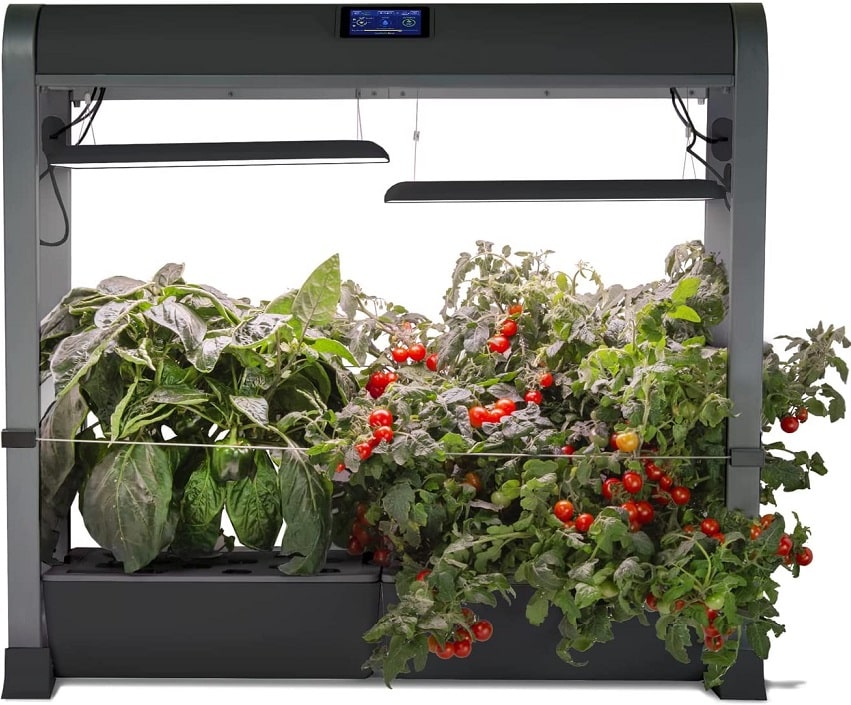
Nevertheless, with proper management and creativity, it can be done! Plus, certified organic produce from an organic hydroponic system can help you gain market share in today’s highly competitive global marketplace. Organic certifications prove your product to have been grown without any synthetic additives or chemicals, so consumers know they are getting the absolute highest quality products available.
The key to a successful organic hydroponic system is to provide the necessary nutrients to the plants in a form that is easily accessible to them. In addition to organic nutrients, organic hydroponic systems also utilize natural pest control measures such as beneficial insects, neem oil, and garlic sprays, rather than synthetic pesticides.
By using organic inputs in a hydroponic system, growers can produce healthy and high-quality crops while minimizing their environmental impact. However, it is important to note that building and maintaining an organic hydroponic system requires careful planning and attention to detail. Growers must ensure that the system is properly balanced and that the plants receive the nutrients they need to thrive.
What are Organic Fertilizers for Hydroponics?
Organic fertilizers for hydroponics are natural and organic materials that are used to provide essential nutrients to plants in a hydroponic system. These organic fertilizers can be derived from plant, animal, or mineral sources and are often preferred by growers because they are free of synthetic chemicals and pesticides.

- Easy to use aeroponic system for your home
- Fan - Grow Lettuce, Herbs, Veggies & Fruits
- Grow smart & eat healthy, 20 gallon water reservoir Grow Tent, LED Grow Lights
Some common organic fertilizers for hydroponics include:
- Compost tea: Is made by steeping compost in water and aerating it to encourage the growth of beneficial microorganisms. It is rich in nutrients such as nitrogen, phosphorus, and potassium, which are essential for plant growth.
- Worm castings: These are the waste produced by earthworms and are an excellent source of nutrients for plants. They are rich in beneficial microorganisms and nutrients such as nitrogen, phosphorus, and potassium.
- Seaweed extract: It is derived from seaweed and is rich in micronutrients such as iron, zinc, and manganese, as well as plant hormones that promote plant growth.
- Fish emulsion: Is made by breaking down fish waste and is a rich source of nitrogen, phosphorus, and potassium.
- Bat guano: Is the droppings of bats and is rich in nutrients such as nitrogen, phosphorus, and potassium.
Organic fertilizers for hydroponics can be used alone or in combination with each other to provide a complete range of nutrients to plants in a hydroponic system. They are often used in conjunction with natural pest control measures to create a completely organic and sustainable hydroponic system.

Img: The Phosphorus Cycle in nature detailed scheme
Why are Most Hydroponic Nutrients Not Organic?
The big half of hydroponics nutrients are not organic because synthetic nutrients are easier to formulate and provide more precise control over the nutrient solution. Synthetic nutrients are formulated to contain precise amounts of essential nutrients such as nitrogen, phosphorus, and potassium, which are necessary for plant growth. These nutrients are in a form that is readily available to plants, which can result in faster growth and higher yields.
Synthetic nutrients also have a longer shelf life and are less likely to contain harmful microorganisms than organic nutrients, which can be a concern in hydroponic systems where water is recirculated.
Another reason why most hydroponic nutrients are not organic is that they are often cheaper and more widely available than organic alternatives. The demand for hydroponic nutrients has increased in recent years, and synthetic nutrients have become the norm in the hydroponic industry.
However, there is a growing interest in organic hydroponics, and there are now more organic hydroponic nutrient options available. Organic hydroponic nutrients are derived from natural sources and are free of synthetic chemicals and pesticides, making them a more sustainable and environmentally friendly option. While they may be more expensive and require more attention to detail, organic hydroponic nutrients can produce high-quality crops that are free of harmful chemicals.
How do Plants Absorb Synthetic Nutrients?
Having organic plants is a great way to ensure that you and your family are consuming natural and healthy products. But it can be difficult to control the absorption of synthetic chemicals in hydroponic plants. Although they have their roots in liquid nutrient solutions, some chemicals can still find their way into the plants, either through air or water contact.
The best way to prevent any synthetic chemicals from entering your hydroponic system is to avoid using them altogether. This means carefully selecting all materials which come into contact with the plants and keeping an eye on the air quality of your growing location.
For example, if you’re cultivating indoors, you should use an appropriate ventilation system. And if you’re farming outdoors, choose a rural area away from polluting sources such as highways or factories. Ultimately, it will be up to you to make sure that your hydroponic environment has as clean air as possible for your plants to absorb only what is necessary for their growth.
While synthetic nutrients are effective in promoting plant growth, they can also have drawbacks. Overuse of synthetic nutrients can lead to a buildup of salts in the root zone, which can be harmful to plants. Additionally, synthetic nutrients do not contain the microorganisms and other beneficial compounds found in natural sources, which can have a negative impact on the overall health of the plant and the ecosystem in which it is grown.
Advantages of Using Organic Nutrients in Hydroponics
- Sustainability: Organic nutrients are derived from natural and renewable sources, making them a more sustainable option than synthetic nutrients. Using organic nutrients in hydroponics can help reduce the environmental impact of hydroponic systems.
- Healthier plants: Organic nutrients can promote healthier plants by providing a range of micronutrients that are not found in synthetic nutrients. They can also encourage the growth of beneficial microorganisms in the root zone, which can improve plant health and resistance to pests and diseases.
- Better flavor and aroma: Plants grown with organic nutrients often have a better flavor and aroma than those grown with synthetic nutrients. This is because organic nutrients can improve the nutrient uptake and metabolic processes of plants, resulting in higher-quality crops.
- Reduced chemical exposure: Organic nutrients are free of synthetic chemicals and pesticides, reducing the risk of exposure to harmful substances for growers and consumers.
- Improved soil health: Organic nutrients can improve the health of the soil in hydroponic systems by promoting the growth of beneficial microorganisms and improving soil structure.
- Better for the environment: Organic nutrients are less likely to leach into groundwater or other natural water sources than synthetic nutrients, reducing the risk of pollution and environmental damage.
What are the Difficulties with Organic Hydroponic Nutrients?
While organic hydroponic nutrients have many benefits, they can also present some challenges for growers. Some of the difficulties with organic hydroponic nutrients include:
Difficulties List
- Cost: They can be more expensive than synthetic nutrients. The cost of sourcing and processing natural ingredients can be higher than the cost of manufacturing synthetic nutrients, which can make organic hydroponic nutrients less accessible for some growers.
- Availability: They may be less widely available than synthetic nutrients, particularly in certain regions. This can make it difficult for growers to source the nutrients they need, especially if they are growing a diverse range of crops that have different nutrient requirements.
- Variability: They can be more variable in their nutrient content than synthetic nutrients. This is because natural ingredients can vary in their nutrient content depending on factors such as soil quality, climate, and harvesting methods. This can make it challenging to achieve consistent nutrient levels in the hydroponic system, which can impact plant growth and yield.
- Microbial contamination: They can be more prone to microbial contamination than synthetic nutrients. This is because natural ingredients may contain microorganisms that can proliferate in the hydroponic system, leading to disease or nutrient imbalances. Maintaining proper sanitation and hygiene practices in the hydroponic system is crucial to avoid contamination.
- pH balancing: Organic hydroponic nutrients can be more difficult to balance pH levels than synthetic nutrients. This is because natural ingredients can have different pH levels, which can impact the overall pH of the nutrient solution. Balancing the pH levels of the nutrient solution is critical to ensure that plants can absorb the nutrients they need.
Short summery Difficulties with Organic Hydroponic Nutrients
Overall, while organic hydroponic nutrients can provide many benefits, they require more attention to detail and careful management than synthetic nutrients. Growers need to be mindful of these challenges and work to address them through proper management practices, nutrient testing, and ongoing monitoring of plant growth and health.

Organic Nutrients VS Synthetic Nutrients
| Feature | Organic Nutrients | Synthetic Nutrients |
| Cost | Higher | Lower |
| Availability | May be less widely available | Widely available |
| Nutrient Content | Can vary based on natural factors | Consistent |
| Microbial Contamination | More prone to contamination | Less prone to contamination |
| pH Balancing | More difficult to balance | Easier to balance |
| Sustainability | More sustainable | Less sustainable |
| Plant Health | Promotes overall plant health | Can lead to salt buildup and nutrient imbalances |
| Flavor/Aroma | Better quality | Less impactful |
| Environmental Impact | Less likely to leach into groundwater | More likely to leach into groundwater |
Please note that the information presented in this table is general and may not apply to all specific organic and synthetic nutrients on the market. The performance of any nutrient source will depend on the specific product and growing conditions.
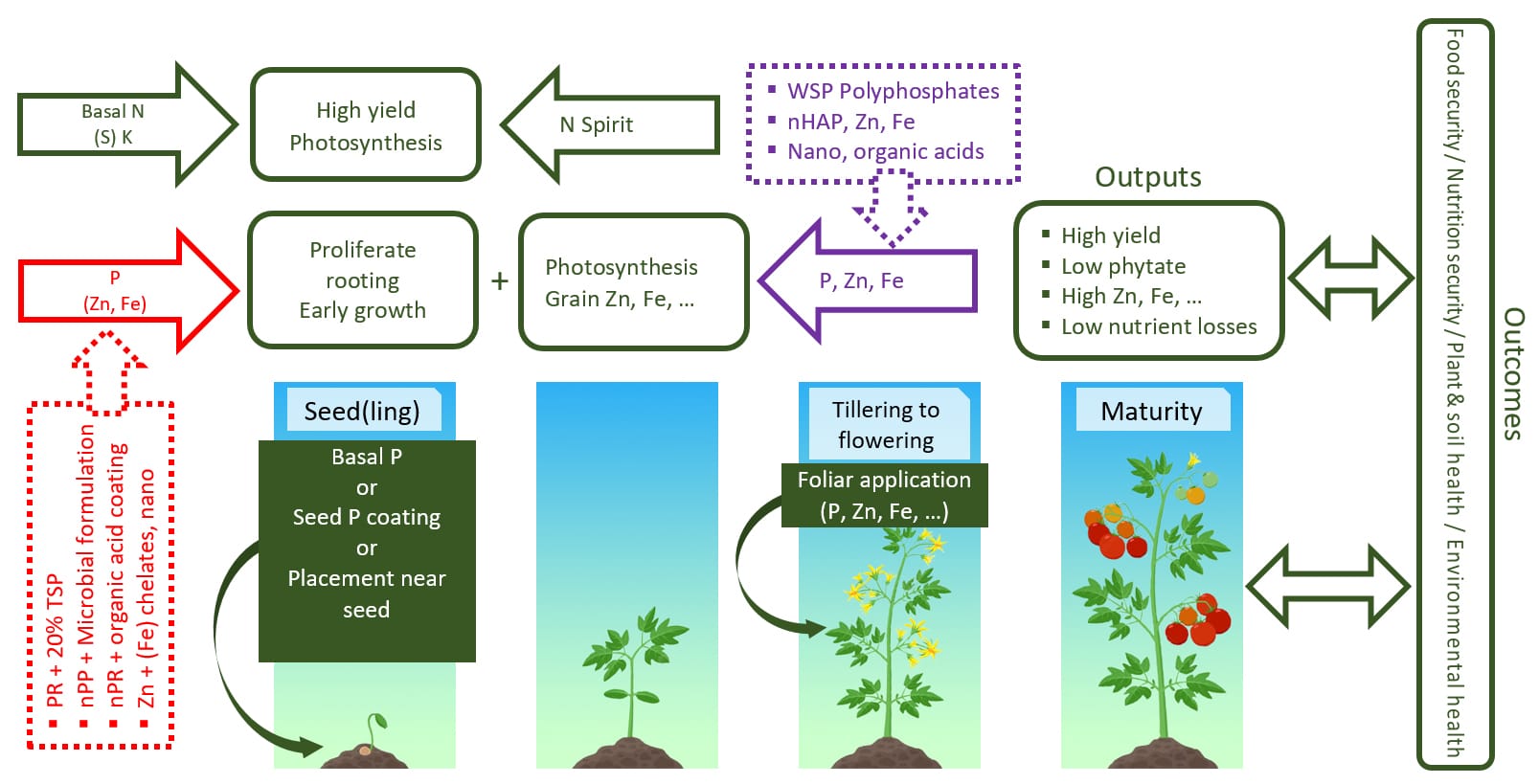
Img: detailed scheme of chemical elements of the phosphorus cycle in nature
Best Types of Organic Nutrients for Hydroponics Growing
Choosing the right type of organic nutrient for your hydroponic system will depend on the specific needs of your plants and the nutrient content of the soil. Experimenting with different types of organic nutrients can help you find the best option for your hydroponic growing needs. Below we will explore some of the best types of organic nutrients for hydroponic growing.
Manure-Based Nutrients
Manure-based organic nutrients are derived from animal waste, such as a cow or horse manure, and can be used in a variety of forms, such as compost tea and worm castings. These types of nutrients are rich in organic matter and provide a diverse range of micronutrients and beneficial microorganisms to plants.
Compost tea is made by steeping compost in water and allowing the nutrients to leach out. It can be used as a foliar spray or added directly to the hydroponic system to improve plant growth and nutrient uptake. Worm castings are produced by earthworms and are a rich source of plant nutrients, including nitrogen, phosphorus, and potassium.
Fish Meal
Fish meal is a popular organic nutrient made from ground-up fish. It is high in nitrogen, phosphorus, and micronutrients and provides a quick source of nutrients to plants. Fish meal can be added directly to the hydroponic system or used to make a nutrient tea. Nutrient teas are made by steeping organic matter in water to extract the nutrients, which can then be added to the hydroponic system.
Gypsum-Based Nutrients
Gypsum-based organic nutrients, such as calcium sulfate, are commonly used to provide plants with a source of calcium and sulfur. These nutrients are particularly important for plants during the early stages of growth and can improve overall plant health and vigor. Gypsum-based nutrients can be added directly to the hydroponic system or used to make a nutrient tea.
Bone Meal
Bone meal is a popular organic nutrient made by grinding up animal bones. It is high in phosphorus and calcium and provides a slow-release source of nutrients to plants. Bone meal can be added directly to the hydroponic system or used to make a nutrient tea. Nutrient teas made from bone meals are particularly effective at promoting healthy root development.
Guano
Guano is an organic nutrient made from bird or bat droppings. It is high in nitrogen, phosphorus, and micronutrients and provides a quick source of nutrients to plants. Guano can be added directly to the hydroponic system or used to make a nutrient tea. Nutrient teas made from guano are particularly effective at promoting plant growth and yield.
How to Use Hydroponic Nutrients?
The simplest and most organic way to achieve a nutrient solution is with aquaponics. Aquaponic water is naturally rich in fish waste and balanced out by bacteria, which makes it a great source of organic fertilizer. However, if you do not have an aquaponics system then there are alternative approaches such as breaking down other organic wastes to obtain a similar balance of nutrients.
When looking for nutrients for hydroponics, it is important to read the ingredient label first and make sure they list organic ingredients only. Commercially bought nutrients or homegrown options are available depending on your preference.
Making your own nutrient at home is a simple process whereby you unlock vital elements from compost, worm castings, or bat guano from organic sources into liquid extracts ready for diluting with water into an effective mix for hydroponic use.
Regardless of what method you choose to ensure proper nutrient levels for hydroponics – be sure to maintain regular testing and elemental analysis to ensure correct balance of nutrients so that maximum growing efficiency can be achieved in the setup at hand.
BONUS: Homemade Nutrient Solutions DIY
Making your own nutrient solution for hydroponics can be a cost-effective and satisfying way to ensure your plants are getting the nutrients they need to thrive. While there are many commercial nutrient solutions available, making your own allows you to control the quality and composition of the solution.
Here is a DIY homemade general-purpose nutrient solution recipe:
- 1 tablespoon of calcium nitrate
- 1 tablespoon of magnesium sulfate (Epsom salt)
- 1 tablespoon of potassium nitrate
- 1 tablespoon of monopotassium phosphate
- 1 tablespoon of potassium sulfate
- 1 tablespoon of iron chelate
Mix all of the ingredients in 1 gallon of water until they are fully dissolved. This solution provides a general mix of macronutrients and micronutrients that can be used for a variety of plants.
When making your own nutrient solution, it is important to monitor the pH levels and adjust as needed. The pH of the nutrient solution should be between 5.5 and 6.5 for most hydroponic plants. Also, be sure to follow proper safety procedures when handling and mixing chemicals. By making your own nutrient solution, you can save money and customize the solution to meet the specific needs of your plants.
Commercial Organic Fertilizers
While making your own nutrient solution for hydroponics can be a great option, there are also many commercial organic fertilizers available on the market. These fertilizers have been specifically formulated for hydroponic use and are made from natural and organic sources. Here are some examples of commercial organic fertilizers for hydroponics:
- General Hydroponics Flora Series: It is a popular choice among hydroponic growers. It is a three-part system that provides a balanced mix of macronutrients and micronutrients. The Flora Series is made from natural and organic sources, including seaweed extracts and mineral salts.
- Botanicare Pure Blend Pro: Is another popular commercial organic fertilizer for hydroponics. It is made from natural and organic sources, including fish meal, kelp meal, and rock phosphate. The Pure Blend Pro is designed to provide a balanced mix of macronutrients and micronutrients.
- Fox Farm Tiger Bloom: Is a high-phosphorus fertilizer that is designed to promote flowering and fruiting in hydroponic plants. It is made from natural and organic sources, including bone meal and bat guano. The Tiger Bloom also contains a blend of micronutrients that are essential for plant growth.
- Earth Juice Bloom: Is a liquid fertilizer that is specifically designed for the flowering stage of hydroponic plants. It is made from natural and organic sources, including bat guano, bone meal, and kelp meal. The Earth Juice Bloom also contains a blend of micronutrients that are essential for plant growth.
When choosing a commercial organic fertilizer for hydroponics, it is important to read the labels and understand the composition of the fertilizer. Look for fertilizers that are made from natural and organic sources, and avoid those that contain synthetic chemicals or additives. Also, be sure to follow the recommended dosage and application instructions for best results.
Frequently Asked Questions
Are organic nutrients better for hydroponics than synthetic nutrients?
It depends on your specific goals and growing conditions. Organic nutrients can offer some benefits such as better flavor and aroma in crops and a more sustainable approach to farming. However, synthetic nutrients may provide more precise control over nutrient ratios and can be easier to use. It is important to consider both options and choose what works best for your specific needs.
Can I use regular compost as a hydroponic nutrient?
No, regular compost is not recommended for use in hydroponics as it can clog the system and potentially cause nutrient imbalances. Instead, it is recommended to use compost teas or other specifically formulated organic hydroponic nutrients.
Are organic hydroponic nutrients more expensive than synthetic nutrients?
In general, organic hydroponic nutrients can be more expensive than synthetic nutrients due to the cost of sourcing and processing natural ingredients. However, the cost can vary depending on the specific product and brand.
Can organic nutrients cause clogs in hydroponic systems?
Yes, some organic nutrients, particularly those that are not properly filtered or processed, can cause clogs in hydroponic systems. It is important to choose high-quality organic nutrients that are designed specifically for hydroponic use and follow recommended application guidelines.
Can I use organic nutrients in all types of hydroponic systems?
Yes, organic nutrients can be used in various types of hydroponic systems, including drip systems, NFT systems, deep water cultures, and more. However, it is important to choose nutrients that are compatible with your specific system and follow recommended application guidelines.