Landscaping can transform your outdoor space into a beautiful, functional, and relaxing environment, but it’s easy to make costly mistakes if you’re not careful. Whether you’re a seasoned gardener or a beginner, certain common errors can undermine your hard work and investments. In this article, we’ll dive into the 8 landscaping mistakes that could ruin your yard and how you can avoid them.
Overplanting Without Considering Growth
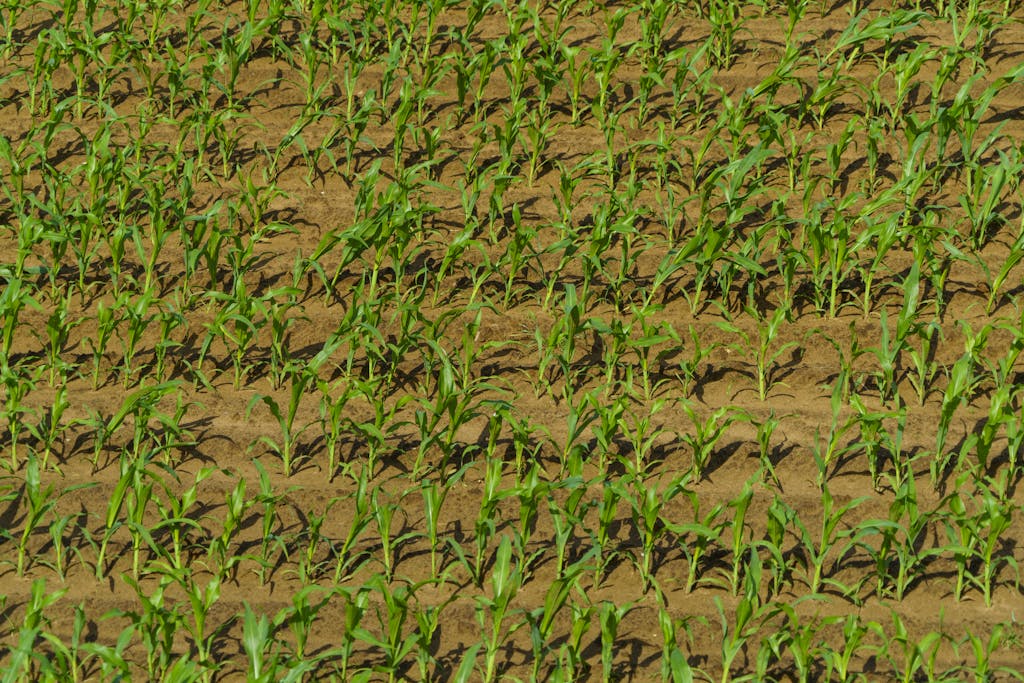
It’s tempting to fill your garden with lots of plants, but overplanting is a mistake many people make. Plants may look good at first, but as they grow, they could crowd one another out, leading to unhealthy growth and a messy appearance. Some plants may need more space than others, and if you don’t account for their future size, your yard could quickly become overgrown.
Solution: Always research the mature size of each plant before planting it. Make sure there’s enough space between plants to allow them to grow and thrive. Plan your garden with future growth in mind, so it remains balanced and neat.
Ignoring Soil Health
Healthy soil is the foundation of a thriving garden, yet many people ignore it, thinking that all soil is created equal. Poor soil quality can result in weak plants, stunted growth, or even complete plant failure. Not checking your soil’s pH or nutrient levels is one of the biggest mistakes you can make.
Solution: Before planting, test your soil to determine its pH and nutrient content. Add organic matter, compost, or soil amendments to improve soil health. Healthy soil will lead to healthier plants, requiring less maintenance in the long run.
Choosing the Wrong Plants for Your Climate
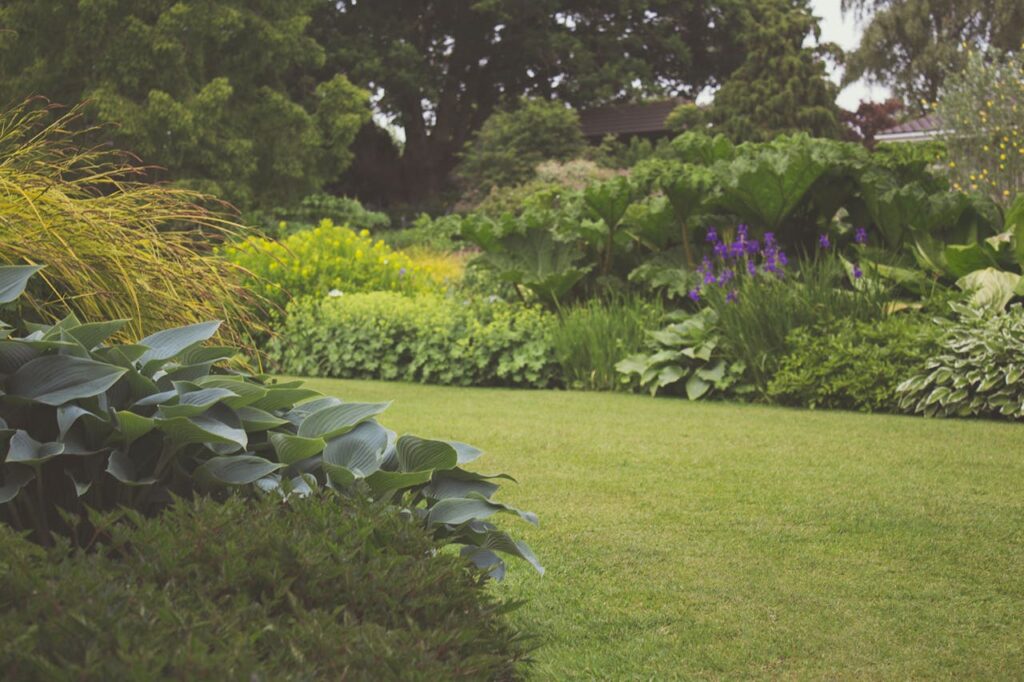
Plants are specific about the environment in which they thrive. Selecting plants that aren’t suited to your climate, or the specific conditions of your garden, is a surefire way to create disappointment. Whether you pick tropical plants for a cold climate or water-hungry species for a dry region, it will affect their health and longevity.
Solution: Always choose plants that are native or well-suited to your climate. They will require less water, fewer pesticides, and be more resistant to local pests. Consult local gardening resources or a landscaping expert to select the right plants for your area.
Overwatering Your Plants

Overwatering is a common mistake that can lead to root rot, disease, and ultimately, plant death. While it’s important to keep your plants hydrated, too much water can suffocate their roots and drown them. Many gardeners tend to overestimate their plants’ water needs, thinking that more is better.
Solution: Be mindful of how much water each plant requires. Consider installing a drip irrigation system or using soaker hoses to deliver water directly to the roots, reducing waste. Always check the soil’s moisture level before watering to avoid overwatering.
Not Planning for Drainage
Water pooling in your yard can damage plants and create an unsightly mess. Poor drainage can lead to waterlogged soil, which encourages fungal growth, attracts pests, and harms your plants. Ensuring your yard has adequate drainage is critical to maintaining a healthy landscape.
Solution: Evaluate the yard’s slopes and layout before planting. If water tends to accumulate in certain areas, consider installing drainage solutions such as French drains or grading the yard to ensure water flows away from your plants.
Neglecting to Mulch
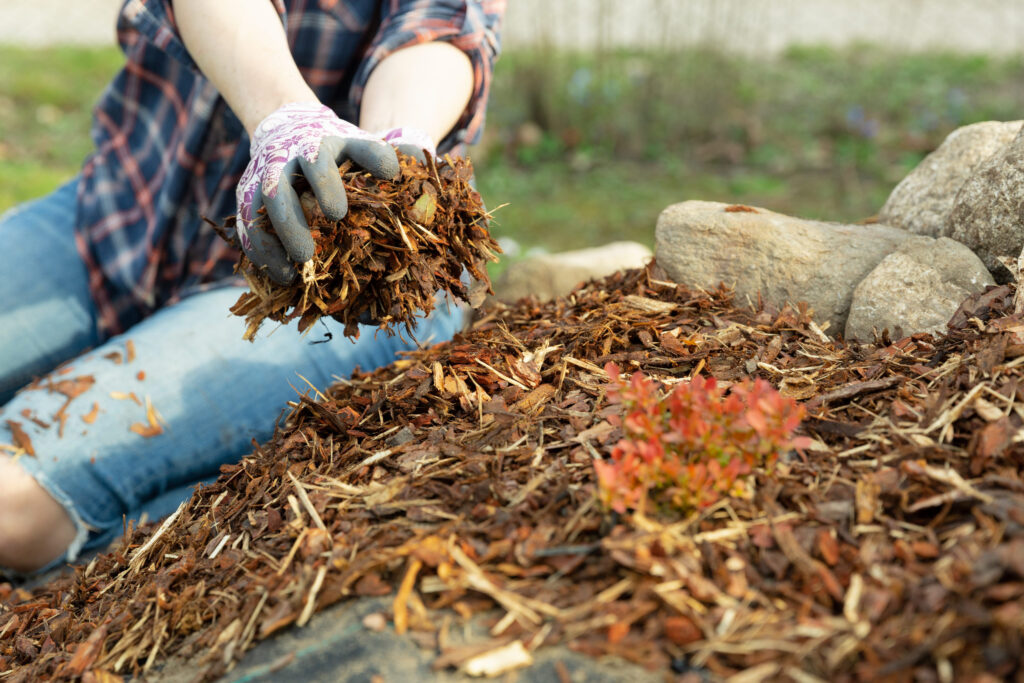
Mulch is a simple yet essential element of a healthy garden. It helps retain soil moisture, suppresses weeds, and insulates plant roots during extreme temperatures. However, many homeowners forget or skip mulching altogether, leading to dry soil and weed invasion.
Solution: Apply a 2-4 inch layer of organic mulch around your plants. Be sure to leave a gap around the base of the plant stems to prevent rot. Mulching will reduce your garden maintenance and improve the overall health of your plants.
Failing to Maintain Your Landscape
Landscaping isn’t a one-time project; it’s an ongoing process. Skipping maintenance tasks such as pruning, weeding, and trimming can lead to overgrown bushes, dead plants, and a cluttered yard. If you neglect your garden, it will quickly lose its charm.
Solution: Schedule regular maintenance for your garden. Trim overgrown plants, remove dead foliage, and keep weeds under control. A little care each week will keep your garden looking its best throughout the year.
Misjudging Your Hardscape Elements
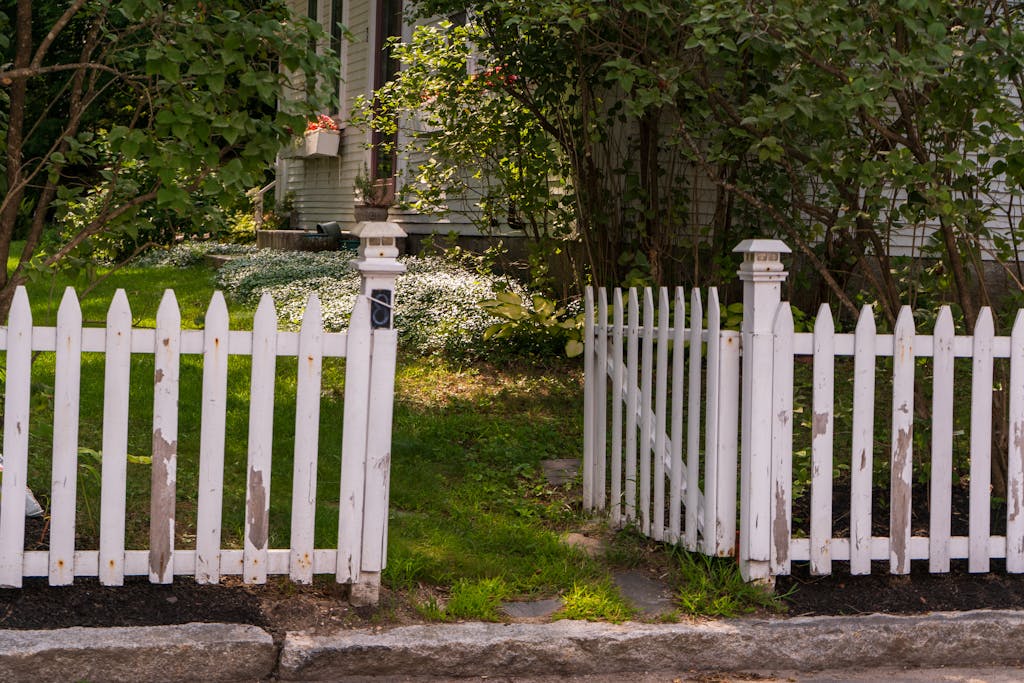
Hardscaping elements like patios, pathways, and retaining walls are important parts of landscaping. However, placing them incorrectly can create an unbalanced or awkward design. For example, oversized patios can make small yards look cramped, and poorly placed paths can disrupt the flow of your garden.
Solution: Be strategic when planning your hardscape elements. Consider the overall layout of your garden and ensure that paths, patios, and walls complement the space, rather than overpower it. Use a design that makes your garden feel spacious and cohesive.
Conclusion
Landscaping is an art that requires careful planning, attention to detail, and ongoing care. By avoiding these 8 common landscaping mistakes, you’ll be able to create a beautiful, functional garden that thrives year after year. Remember, gardening is a journey, so don’t be afraid to learn from your mistakes and adjust your approach over time. With the right knowledge and practices, your outdoor space will become the serene retreat you’ve always dreamed of.