When you’re trying to enjoy a peaceful evening outside, the last thing you want is a cloud of bugs swarming around your lights. That’s where the idea of “yellow bug lights” comes in. You’ve probably heard that yellow outdoor lights somehow keep bugs away. The truth is more complicated. Yellow lights don’t repel insects in the way repellents do, but they do change how many insects end up near your porch or patio. Here are seven detailed reasons why yellow lights don’t magically banish bugs, why they seem to help anyway, and what you should really know before choosing outdoor lighting.
Yellow Lights Don’t Repel Bugs Like Repellents
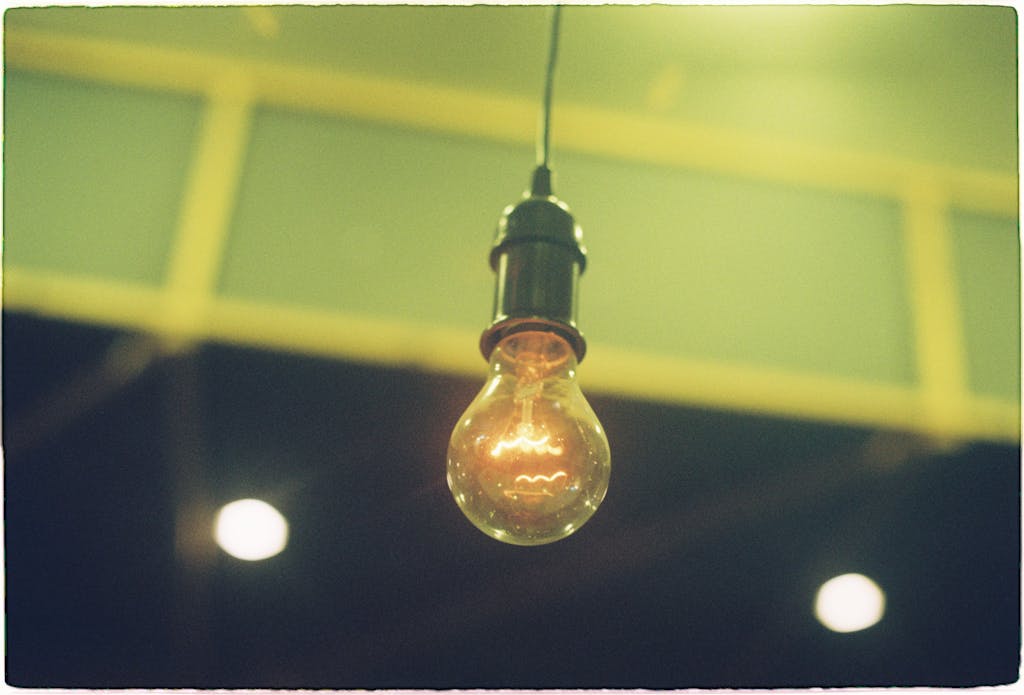
A common belief is that yellow bulbs actively repel insects, but that’s misleading. Yellow light doesn’t act like a bug repellent that insects avoid. Instead, many insects simply fail to notice or respond strongly to yellow wavelengths the way they do to other light types. This reduced visibility can result in fewer insects near the light, but it’s not a true repellent effect. In other words, bugs aren’t being pushed away by yellow light; they’re often just less attracted to it than to other light spectrums. This difference in attraction might feel like the insects are being kept away, but it’s really a matter of visibility and sensory response, not active avoidance.
Many Insects Are Attracted to Short-Wavelength Light
Most flying insects are highly responsive to short wavelengths in the light spectrum, especially blue and ultraviolet (UV) wavelengths. These shorter wavelengths are more visible and stimulating to insect visual systems and can mimic the appearance of natural light cues, such as moonlight. Yellow lights emit wavelengths at the longer end of the visible spectrum, beyond the range that most insects find appealing. As a result, these insects tend not to be drawn toward those lights as strongly as they would be to bulbs that emit more blue or UV light. It’s this difference in the way insects perceive light that underlies the assumption that yellow bulbs “keep bugs away.”
Bugs Aren’t Trying To Navigate Toward Light
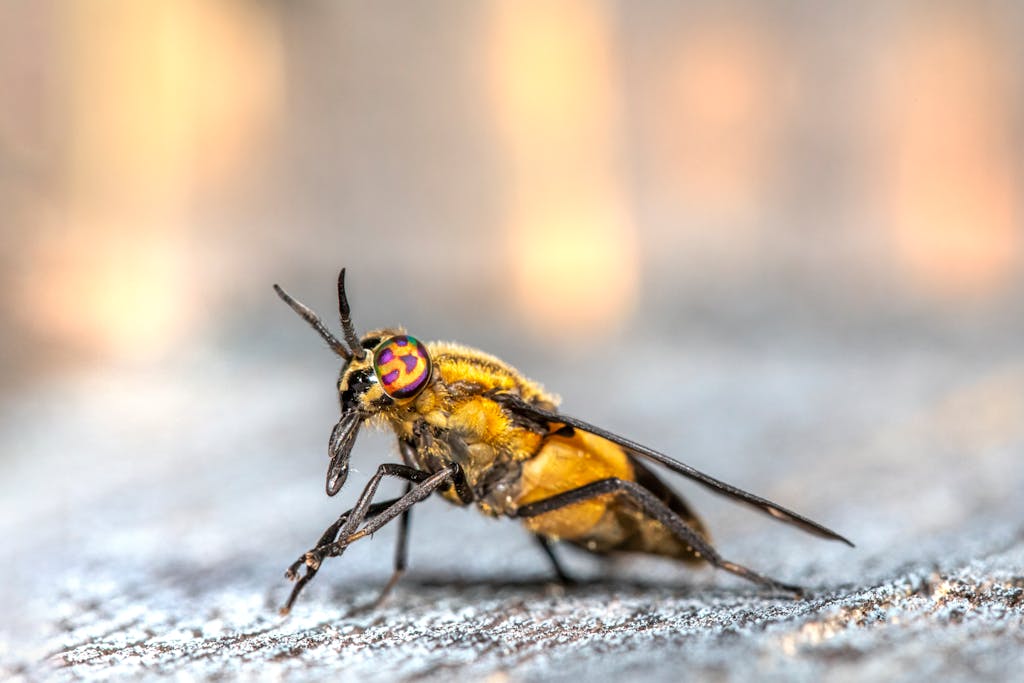
The idea that insects intentionally fly toward light because they like it isn’t quite accurate. Research shows that insects can use light sources as a navigational cue, especially nocturnal species that evolved to orient themselves using the moon and stars. This behavior, called the dorsal light response, is why many insects circle around or approach light sources that resemble the spectral qualities of celestial light. Because yellow lights don’t match those cooler wavelengths, insects don’t rely on them as a navigation reference. But the lack of attraction doesn’t mean they’re being told to stay away. They’re simply not receiving a strong signal that the light is useful for orientation, so they’re less likely to converge around it.
Yellow Lights Still Attract Some Insects
While it’s true that fewer insects are drawn to yellow light compared with white or blue light, it’s not an absolute barrier. Some insects, including beetles and certain moth species, still respond to warm-colored lighting because their visual systems can detect those wavelengths too. The reduction in insect attraction varies with species, local ecology, and the specific wavelength mix of your lighting. In practice, this means yellow lights will reduce insect presence but won’t stop all bugs from appearing.
Color Temperature Matters More Than Color Name
When you shop for “yellow bug lights,” you’ll often see numbers like 2000 Kelvin on the packaging. This refers to color temperature, which affects how light appears to the human eye and to insects. Lower color temperatures, those closer to the reddish, amber end of the spectrum, emit light that insects generally respond to less. Warm white LEDs with lower color temperatures also lack ultraviolet output. Because UV and short-wavelength blue light attract the most bugs, choosing bulbs with warm color temperatures helps reduce bug attraction compared with cool white bulbs that emit more energetic wavelengths.
LED Options Still Aren’t Perfect
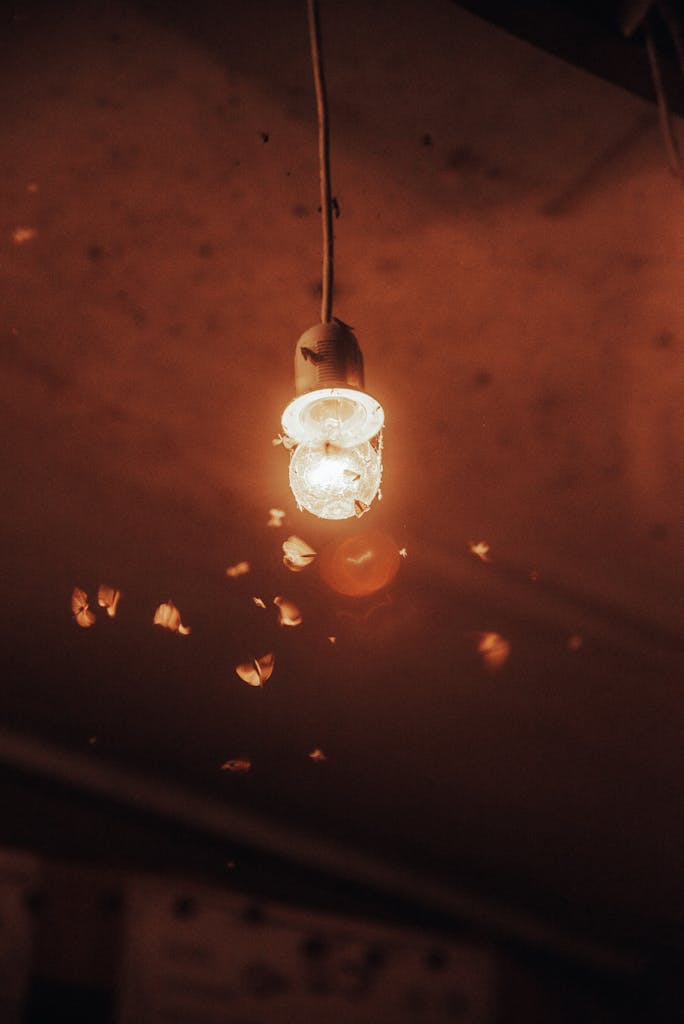
Many people switch to yellow LED “bug lights” because they promise outdoor lighting with fewer insects fluttering around them. LEDs are more energy-efficient and emit less heat than incandescent bulbs, which can attract heat-sensitive insects. But not all LEDs are created equal. Some yellow LEDs are filtered to emit very little blue or UV light, which tends to attract fewer insects. However, even when insects are less drawn to these bulbs, they are not universally ignored, and different species react differently. So while warm yellow LEDs generally outperform traditional bulbs at minimizing insect attraction, they shouldn’t be marketed as a bug-proof solution.
Red Light Attracts Even Fewer Bugs, But Isn’t Practical
Interestingly, scientific investigations show that even longer wavelengths, such as red light, attract fewer insects than shorter wavelengths, such as yellow or amber light. The downside is that red light is dimmer and less useful for illuminating outdoor spaces in a way that humans need. For practical purposes, most outdoor lighting decisions balance human visibility with insect attraction. Yellow and amber bulbs strike that balance reasonably well, offering a light humans can use while being less inviting to insects than standard cool-white bulbs.
Choosing Outdoor Lighting That Actually Reduces Bugs
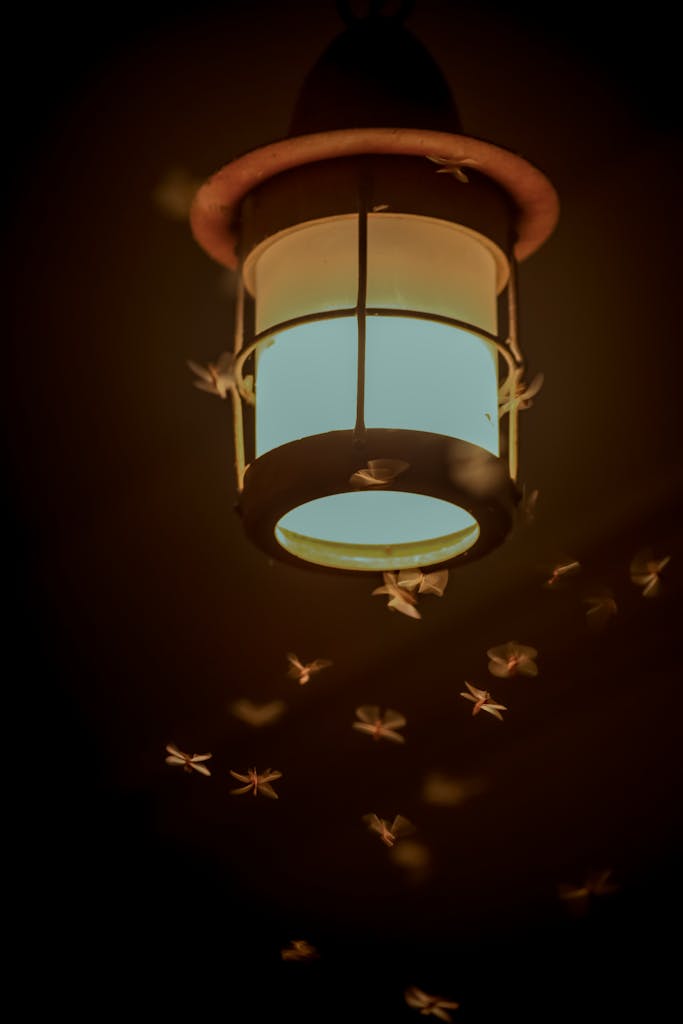
All of this boils down to one simple principle: insects are most responsive to certain parts of the light spectrum, especially blue and ultraviolet wavelengths. By choosing lighting that emits fewer of these wavelengths, you can reduce the number of bugs drawn to your outdoor spaces. Warm-colored lightbulbs, such as yellow or amber LEDs with lower color temperatures, are typically better choices than cool white or UV-rich bulbs when your goal is fewer insects near your lights. High-quality warm LED bulbs help by emitting less of the invisible light that attracts bugs and also use energy more efficiently.
Another factor worth considering is how much light you use and where it is directed. Excessive brightness and poorly shielded fixtures scatter light in all directions, making your outdoor area more visible to insects. Using focused lighting and dimmers, and reducing unnecessary exterior lighting can make your outdoor spaces more insect-friendly without sacrificing functionality.
Conclusion
Yellow bulbs don’t “keep insects away” in the repellent sense. They simply emit light that many insects find less attractive or less visible. This means fewer bugs may gather around them than around bulbs that produce short-wavelength, high-UV light. But insects exhibit diverse behaviors, and what works to reduce attraction in one situation might not work in another. Understanding the science of light and insect perception helps you choose outdoor lighting that creates a comfortable environment without inviting every flying pest in the neighborhood. Using warm-colored LEDs, minimizing UV output, and controlling where and how your lights shine lets you enjoy evenings outside with fewer unwelcome visitors.