Camping looks dreamy when you picture the fire, the stars, the grilled food, and that calm morning air. Then reality shows up with a flat air mattress, a dead flashlight, wet socks, cold coffee, and one person asking why nobody packed toilet paper. A good camping trip does not happen because you “love nature.” It happens because you packed smart before nature started testing your patience.
This camping essentials checklist focuses on the items people miss until the exact moment they need them. It pulls the main categories from a standard camping supplies checklist, including campsite gear, lighting, clothing, kitchen tools, toiletries, safety supplies, and beginner camping tips.
A Tent
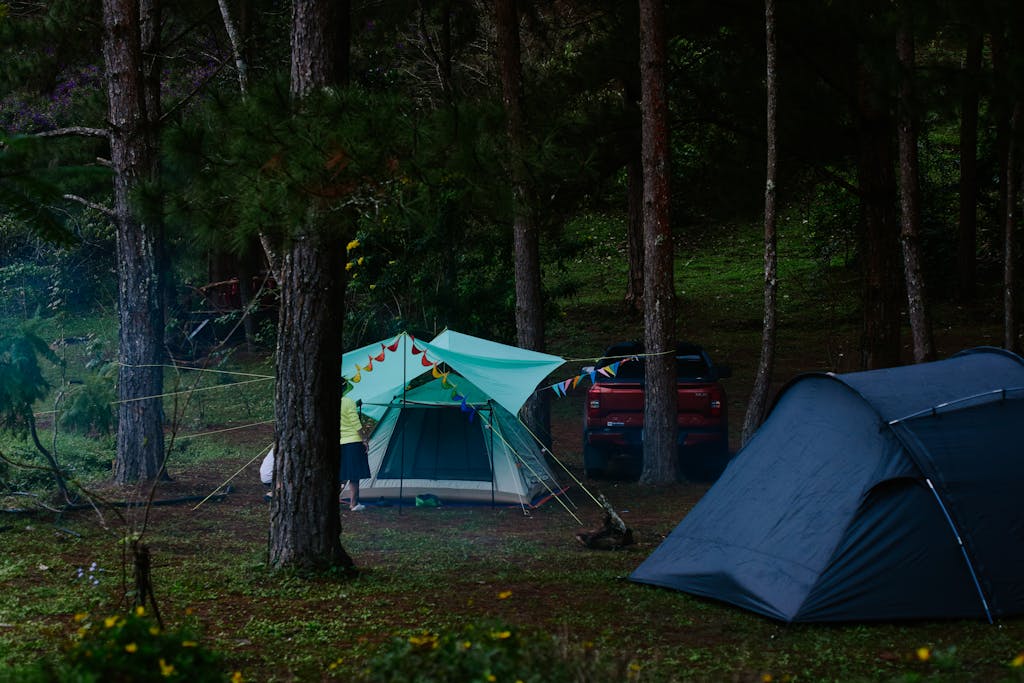
Your tent is not just a place to sleep. It is your bedroom, changing room, weather shield, privacy wall, and emergency retreat when bugs start acting as they paid for the campsite too. Pack a tent that fits your group comfortably, plus extra stakes, a ground tarp, and a small mat outside the entrance. A tent that is too small or poorly secured can turn a relaxing trip into a cramped, damp, miserable night. Set it up once at home before the trip so you don’t have to fight poles in the dark.
Sleeping Gear
A sleeping bag is not enough if the ground is cold, rocky, or uneven. Bring a sleeping pad, an air mattress, a pillow, and an extra blanket if the weather may dip at night. Many beginners underestimate how quickly comfort disappears after midnight. Your back feels every stone. Your feet get cold. Your mood drops before breakfast. Good sleep gear helps you wake up ready to hike, cook, and explore, instead of counting the hours until you can go home.
Poor Lighting
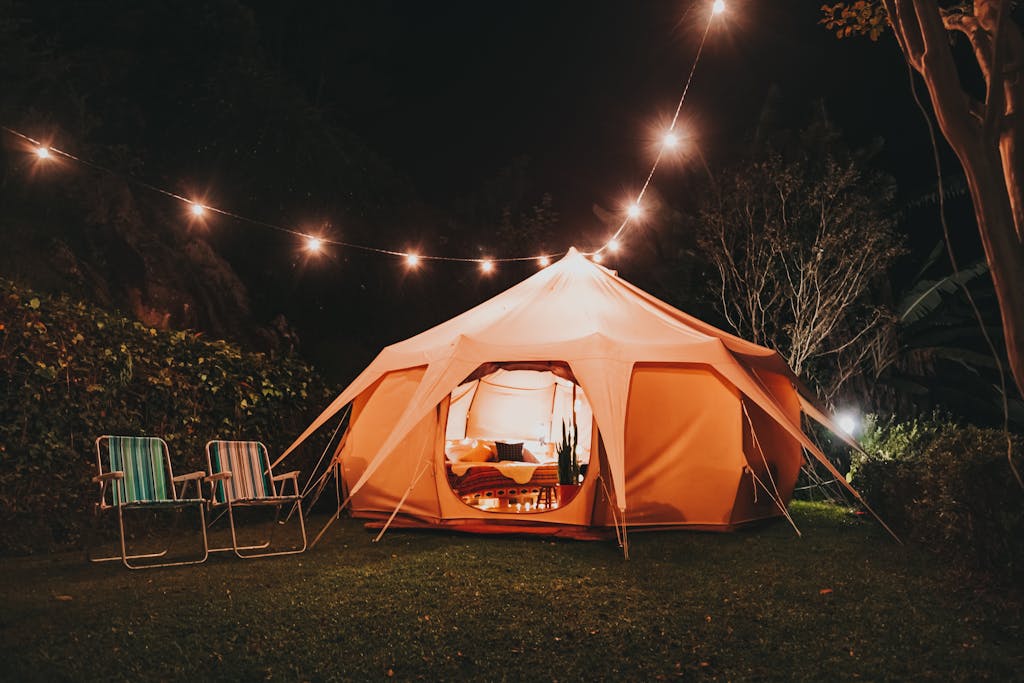
Darkness changes everything outdoors. A short walk to the restroom, a search for snacks, or a late-night tent repair becomes harder without proper lighting. Pack a lantern for the campsite, headlamps for hands-free movement, flashlights for backup, and extra batteries or a charged power bank. A headlamp is especially useful because it lets you cook, clean, carry items, or help someone without holding a light in your mouth like a confused mechanic.
Wrong Clothing
Camping clothes should work harder than regular weekend outfits. Pack layers, quick-dry shirts, warm socks, long pants, rain protection, a fleece or sweater, and sturdy shoes. Cotton can become uncomfortable when wet, so moisture-wicking fabrics are better for active trips. Long sleeves and long pants can also help reduce sun exposure and insect bites. The goal is not to look fashionable beside a campfire. The goal is to stay dry, warm, protected, and ready when the weather changes its mind.
A Weak Camp Kitchen
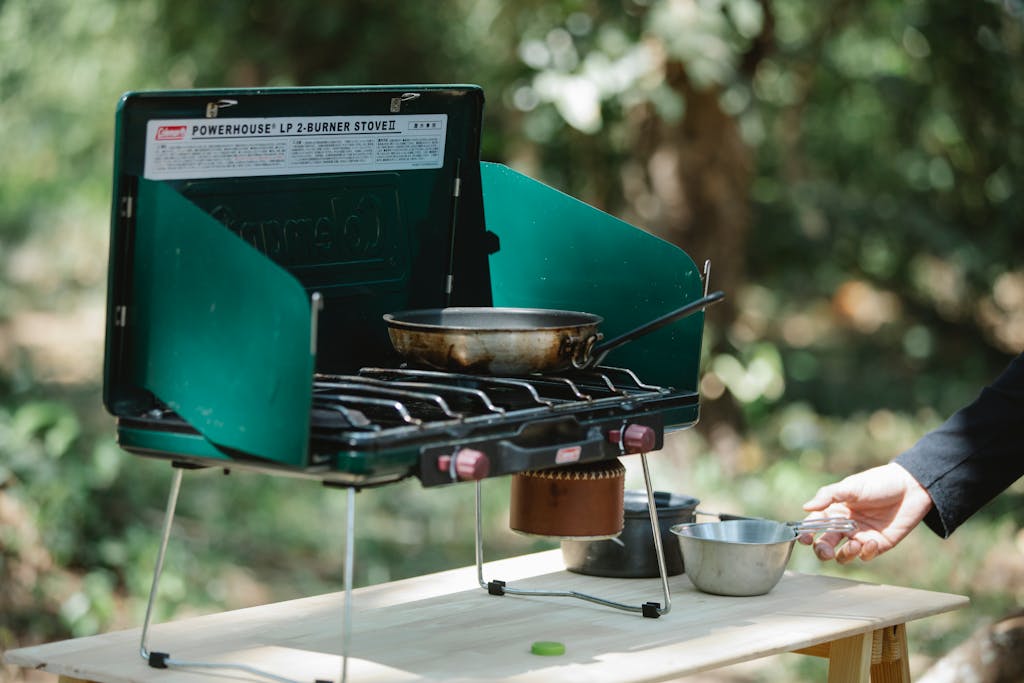
Food tastes better outdoors, but only when you can actually cook it. Bring a camp stove, fuel, a lighter, pots, pans, a cutting board, a knife, plates, utensils, mugs, water bottles, a cooler, trash bags, and food storage containers. Do not rely only on firewood, because rain, campsite rules, or fire bans can wreck that plan. Pack simple meals that cook quickly. Hungry campers become dramatic campers, and nobody wants a peaceful forest trip to turn into a debate over cold beans.
Water
Water is one of the easiest things to underestimate. You need it for drinking, cooking, washing hands, rinsing dishes, brushing teeth, and sometimes cooling down. Bring more than you think you need, especially if the campsite has limited access to clean water. Large water jugs, reusable bottles, and a backup purifier can save the trip. Even a short camping weekend gets uncomfortable fast when people start rationing water like they are in a survival movie.
Toiletries
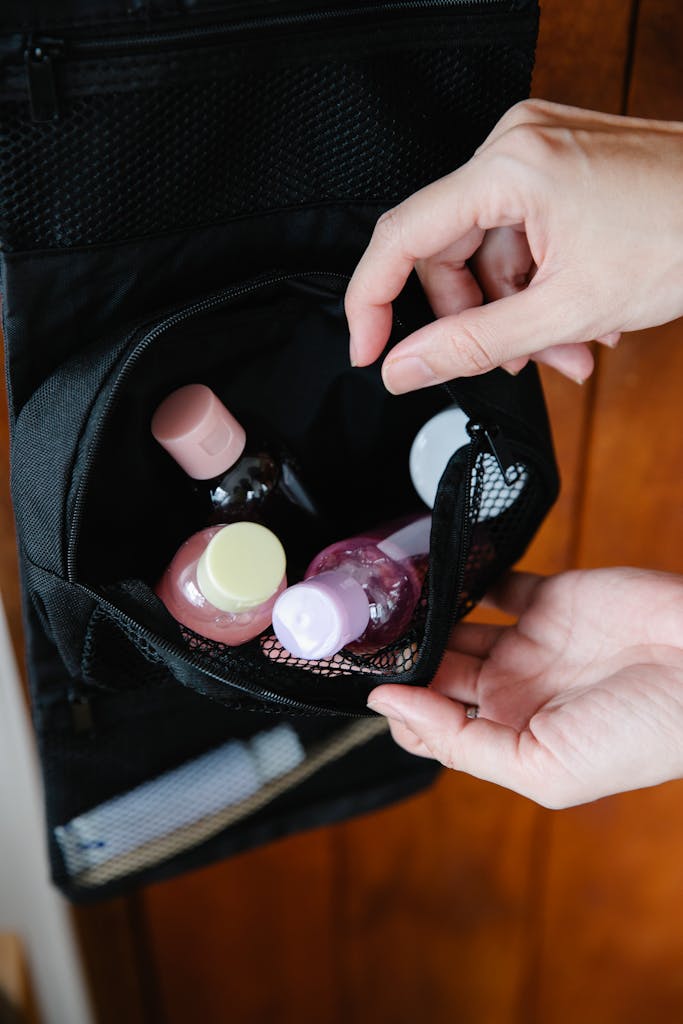
Toiletries do not feel exciting, but they become unforgettable when missing. Pack sunscreen, toothbrush, toothpaste, soap, toilet paper, hand sanitizer, wipes, deodorant, lip balm, insect repellent, quick-dry towel, and any prescription medication. Use simple, low-scent products whenever possible, as strong fragrances can attract insects and wildlife. A clean camper is a happier camper. A prepared camper is the one everyone quietly thanks when the restroom runs out of paper.
First Aid Kit
A camping trip does not need a major accident to become stressful. A blister, a small cut, a headache, stomach upset, an allergy flare-up, or sunburn can ruin the mood. Pack a first aid kit with bandages, antiseptic wipes, pain relievers, allergy medication, blister pads, tweezers, medical tape, and any personal health items. Add duct tape, a multitool, safety pins, and a whistle for practical emergencies. You may not need them, but when you do, nothing else can replace them.
Food Storage
Food storage matters more than many beginners realize. Snacks left open, food kept near the tent, or trash forgotten overnight can attract animals. Use sealed containers, coolers, and campsite-approved storage methods. In areas with bears or other wildlife, follow local rules and use bear-safe containers when required. Keep food away from your sleeping area. Nature is beautiful, but it does not need an invitation to inspect your chips at 2 a.m.
Fun Gear
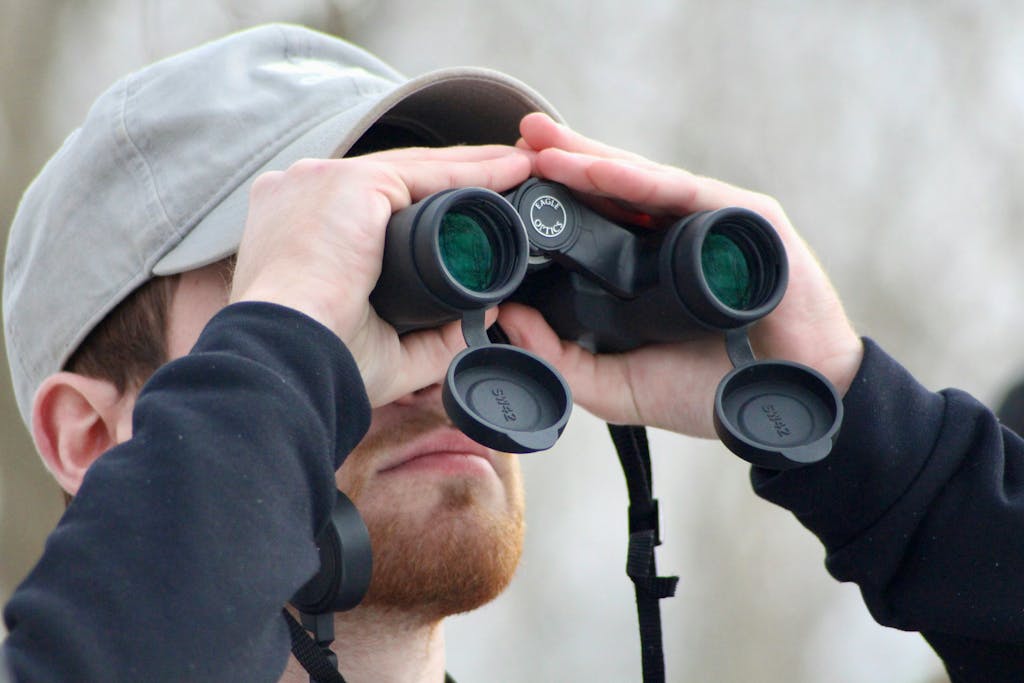
Camping is not only about survival. Bring simple fun items that match your group, such as cards, a ball, binoculars, books, a camera, a field guide, a hammock, fishing gear, or hiking poles. These extras fill slow afternoons and make the trip feel memorable instead of empty. Phones may lose signal, batteries may die, and streaming is rarely the point. The best camping entertainment is often simple, shared, and easy to pack.
Conclusion
Camping rewards people who prepare before the excitement takes over. A strong tent, warm sleep setup, reliable lighting, smart clothing, safe food storage, clean water, toiletries, and emergency supplies can make the difference between a trip people remember fondly and one they complain about for years. You do not need to pack your entire house. You need to pack the items that protect comfort, safety, food, sleep, and common sense. Get those right, and the outdoors feels less like a test and more like the escape you actually planned.