Flowers can make a yard look polished, cheerful, and expensive without a full landscape makeover. Still, popularity does not always mean “perfect for your garden.” Some blooms need more sun than your yard gets, some attract pests, and others look stunning for only a short season before fading like a forgotten bouquet on the kitchen counter. Before you copy what everyone else is planting, it helps to know what each flower really brings to the table.
Here are the popular flowers worth knowing, along with a few small warnings gardeners should consider before planting them.
Rose
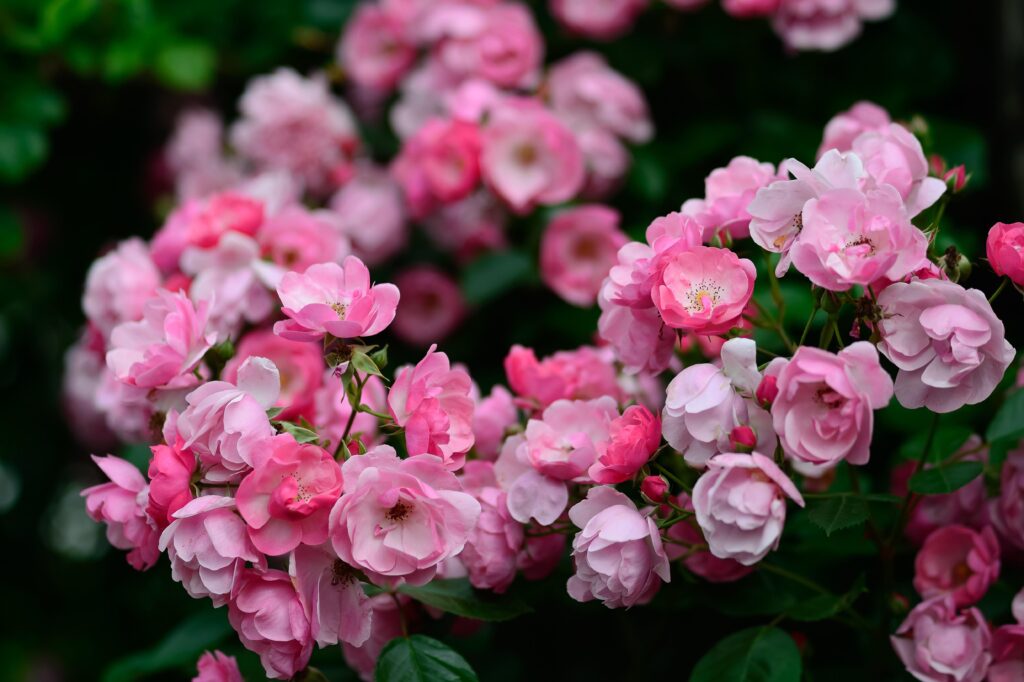
Roses are loved for good reason. They look romantic, classic, and expensive, especially in borders, arches, and cut arrangements. The problem is that roses can be needy. wide varieties want strong sunlight, regular pruning, and good airflow to avoid disease. Choose them if you enjoy hands-on gardening, not if you want a plant you can ignore all summer.
Marigold
Marigolds are cheerful, affordable, and useful in vegetable gardens because many gardeners use them to help discourage pests. They bloom for a long time and bring strong orange, yellow, and gold colors. The downside is their scent. Some people find it too sharp, and they can look tired if you do not deadhead them often.
Hydrangea
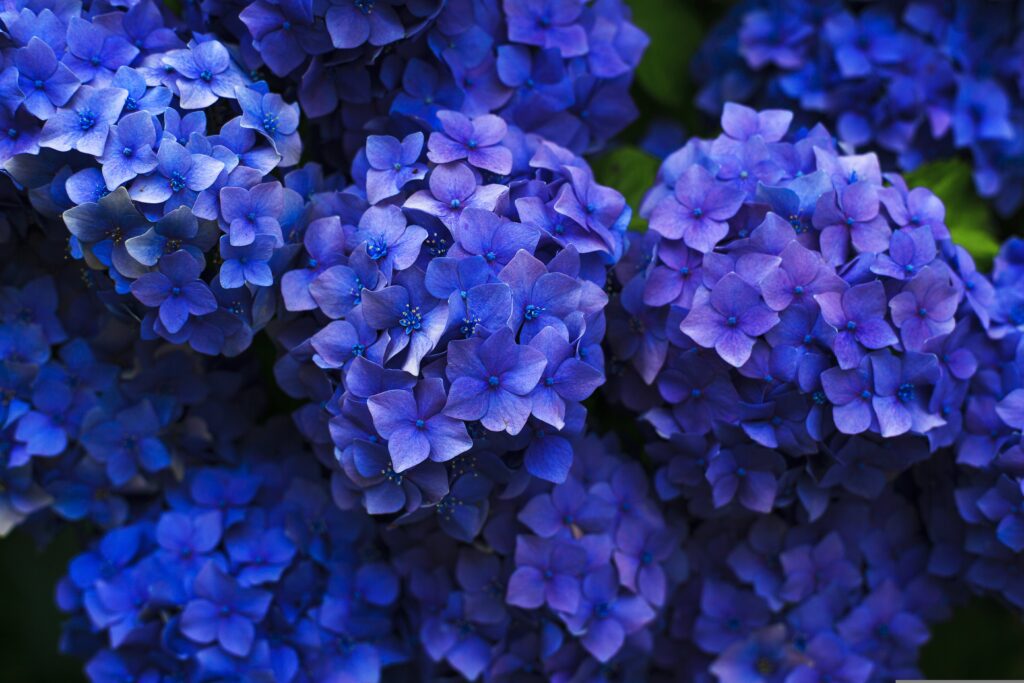
Hydrangeas can turn a plain yard into a magazine-worthy space with big, cloud-like flower heads. They are especially loved in front gardens and cottage-style landscapes. Still, they can sulk in harsh sun or dry soil. If your yard gets hot afternoon light, hydrangeas may wilt dramatically, leaving you feeling like you failed them by lunchtime.
Alstroemeria
Alstroemeria, also called Peruvian lily, is a favorite in bouquets because it lasts beautifully in a vase. It brings soft color and a polished florist-shop look. The catch is that it may not thrive everywhere outdoors. In colder areas, gardeners may need extra protection or containers, so it is not always the easiest choice for casual planting.
Sunflower
Sunflowers bring instant joy. They are tall, bold, and perfect for gardeners who want drama without a complicated design plan. However, they can become messy once the seed heads mature. Birds love them, which is wonderful, but fallen seeds and tall stalks can create cleanup work. Plant them where height and mess will not annoy you.
Daisy

Daisies are simple, bright, and friendly-looking. They fit almost any garden style, from wildflower patches to neat borders. Yet their casual charm can become a problem if they spread more than expected. Some daisy types can look weedy when left unmanaged. They work best when you want a relaxed, natural garden rather than a perfectly formal one.
Geranium
Geraniums are container garden classics. They look great in porch pots, balcony boxes, and sunny patios. Their colors are bold, and they usually do not demand expert care. Still, they may struggle in extreme heat or with poor watering. Let them dry out too much, and they can quickly shift from charming to crispy.
Snapdragon
Snapdragons add height and playful texture to flower beds. Their upright blooms are excellent for adding structure without using shrubs. The warning is that they prefer cooler weather. In very hot climates, they may fade faster than expected. They are best for spring color, early summer displays, or regions where cool evenings keep them happy.
Lily
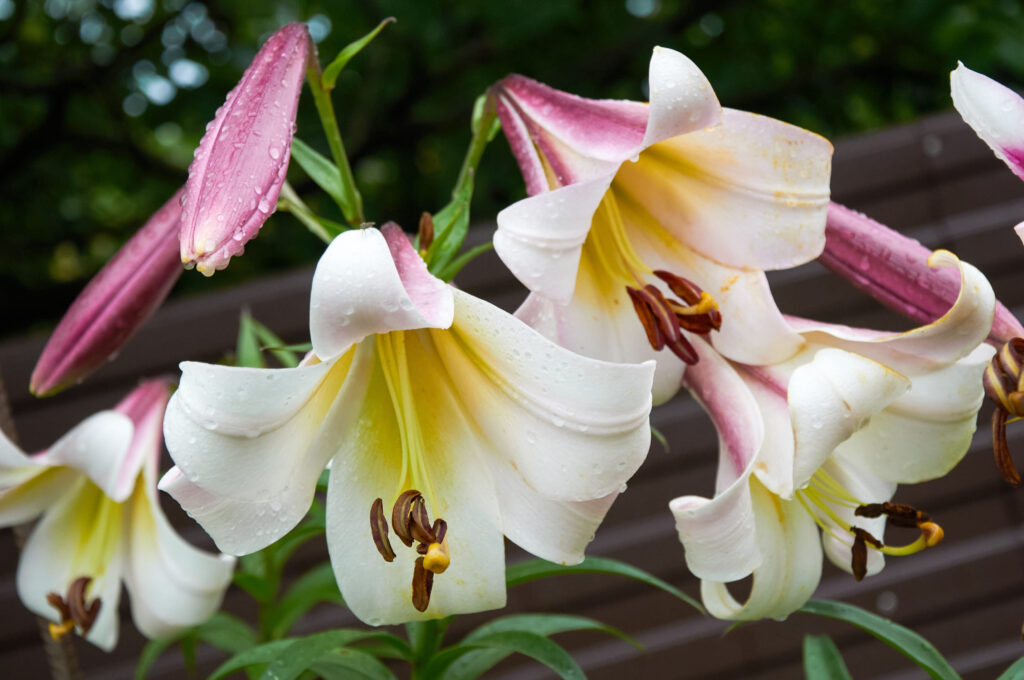
Lilies are glamorous and powerful in arrangements, but they are not always low-risk. Some have a strong fragrance that people either love or dislike. They can also be dangerous to cats, so pet owners need to be cautious. In the garden, they look best when planted with companions that hide their bare lower stems.
Ranunculus
Ranunculus flowers look almost too pretty to be real, with layered petals that resemble tiny paper sculptures. They are perfect for cutting gardens and spring arrangements. The issue is that they can be picky about conditions. They dislike soggy soil and may need careful timing. Beginners may find them less forgiving than marigolds or zinnias.
Poppy
Poppies bring a wild, artistic beauty to the garden. Their thin petals and bright colors make them unforgettable. Still, their charm can be brief. Many poppies bloom beautifully, then disappear quickly. If you want nonstop color, they may disappoint unless you mix them with longer-blooming flowers that keep the garden full.
Tulip
Tulips are spring icons, and their clean shape makes them feel elegant in beds and containers. The trouble starts underground. Squirrels and other critters may dig up the bulbs, and some tulips do not return strongly every year. For the best display, treat them as a planned seasonal investment rather than a forever flower.
Hyacinth
Hyacinths are fragrant, colorful, and perfect for early spring excitement. They work well near walkways where people can enjoy their perfume. However, that same fragrance can feel overpowering indoors or in small spaces. Their bloom season is also short, so they need companion plants to keep the garden interesting after they fade.
Iris
Irises bring sculptural beauty and rich color, especially in purple, blue, white, and gold shades. They can look regal without much fuss. Still, crowded iris clumps may bloom poorly over time. Gardeners often need to divide them to keep them strong. They are beautiful, but they do not enjoy being forgotten forever.
Daffodil
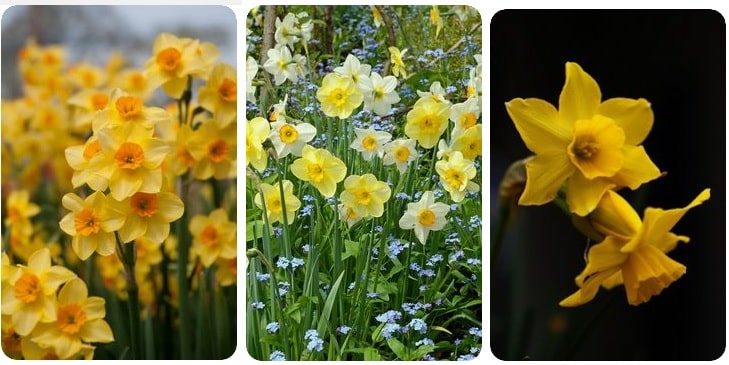
Daffodils are reliable spring bloomers and a smart choice for gardeners who want color that comes back year after year. Animals usually avoid them, which gives them an advantage over tulips. The downside is the fading foliage. You need to leave the leaves alone after flowering so the bulb can recharge, even when they look messy.
Orchid
Orchids are elegant indoor flowers that instantly make a room feel styled. They are popular for gifts, desks, and windowsills. The problem is a misunderstanding. Many people treat orchids like ordinary houseplants, then overwater them. Orchids need the right light, drainage, and patience. They reward calm care, not constant fussing.
Zinnia
Zinnias are bright, easy to grow, and generous with blooms. They are excellent for sunny gardens and beginner-friendly flower beds. Their weakness is poor airflow. In humid weather, zinnias can develop powdery mildew. Give them space, sun, and regular cutting, and they will usually keep producing cheerful flowers for weeks.
Waxflower
Waxflower is delicate, pretty, and useful in arrangements because its small blooms add texture without stealing the show. It can be easygoing in the right climate. However, it is not the boldest garden star. If you want a strong color impact from the street, waxflower may feel too subtle unless paired with brighter plants.
Lavender
Lavender is loved for its fragrance, pollinator appeal, and drought tolerance. It looks beautiful along walkways and in sunny borders. The warning is soil. Lavender hates wet feet. Heavy clay or overwatering can kill it faster than neglect. Give it sun, drainage, and breathing room, and it becomes much easier to love.
Azalea
Azaleas bring stunning spring color, especially in warm regions and shaded landscapes. They can make a yard feel lush and Southern in the best way. Still, they dislike harsh afternoon sun and poor soil conditions. If planted in the wrong spot, their leaves can scorch, and their blooms may underperform.
Peony
Peonies are breathtaking, romantic, and long-lived. Once established, they can bloom for many years. The downside is their short season and heavy flowers. Rain can flatten the blooms, and many types need staking. They are worth the effort, but they are not the best choice for gardeners who hate supports and cleanup.
Dahlia
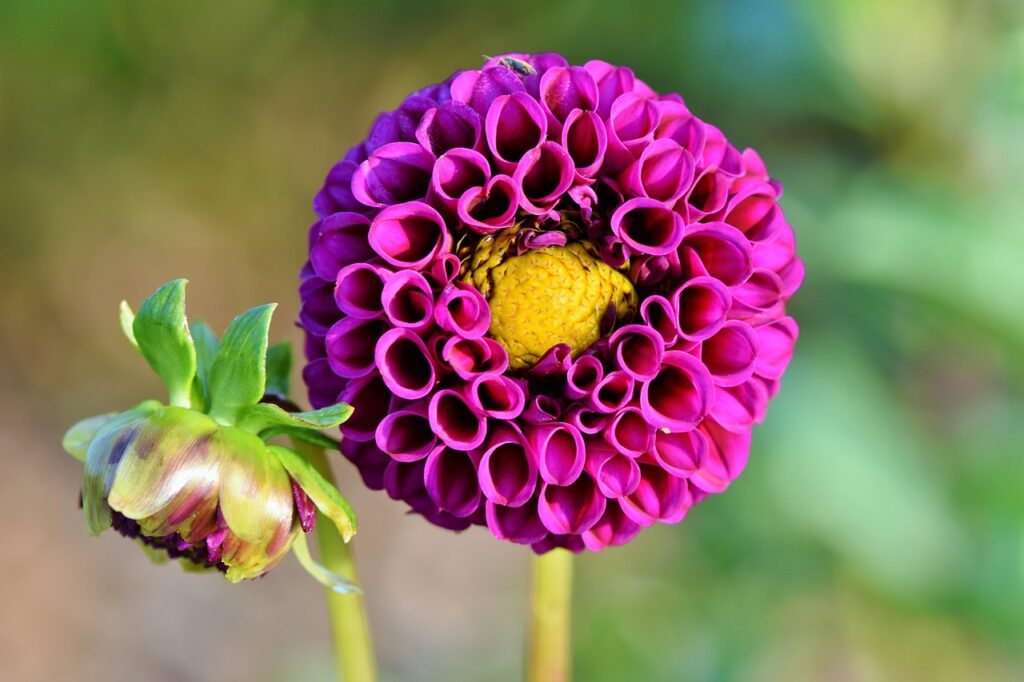
Dahlias are show-offs, and that is their charm. They come in many sizes, colors, and shapes, making them perfect for dramatic summer arrangements. The issue is maintenance. In colder regions, tubers may need to be lifted and stored. They also perform best with feeding, cutting, and support, so they reward committed gardeners.
Aster
Asters are excellent late-season flowers because they bring color when many summer blooms are fading. They also suit natural-looking gardens and pollinator-friendly spaces. The warning is that some can spread or look untidy if not trimmed. Plant them where their relaxed shape feels intentional, not where you need a crisp formal border.
Conclusion
The most popular flowers are popular for a reason, but that does not mean every bloom belongs in every yard. Roses, hydrangeas, tulips, dahlias, and peonies can look stunning, yet each comes with its own little demands. Easier choices like marigolds, zinnias, daisies, lavender, and daffodils may suit gardeners who want beauty without a weekly battle. The smartest move is to match the flower to your climate, soil, sunlight, pets, and patience level. That way, your garden looks beautiful because it actually works, not because it’s just copying a trend.