The natural world is a vast, complex network of life, where plants and animals coexist in intricate balance. While we often admire the beauty of nature, some plants have evolved dangerous mechanisms to protect themselves or even prey on unsuspecting creatures. From flowers that induce hallucinations to trees that can cause unbearable pain, certain plants possess lethal qualities that make them far more than just a backdrop for a stroll in the woods. In this article, we will explore the most terrifying plants on Earth, uncovering their shocking abilities and the deadly consequences they can have for those who cross their path.
Plants have long held a reputation for both healing and harm. However, some of the most dangerous ones go unnoticed, blending in with their surroundings and remaining unnoticed until it’s too late. Whether through ingestion, skin contact, or even the air around them, these plants present hidden threats that could end a life with a single misstep. The following ten plants and natural phenomena should serve as a chilling reminder that nature can be as deadly as it is beautiful.
Giant Hogweed
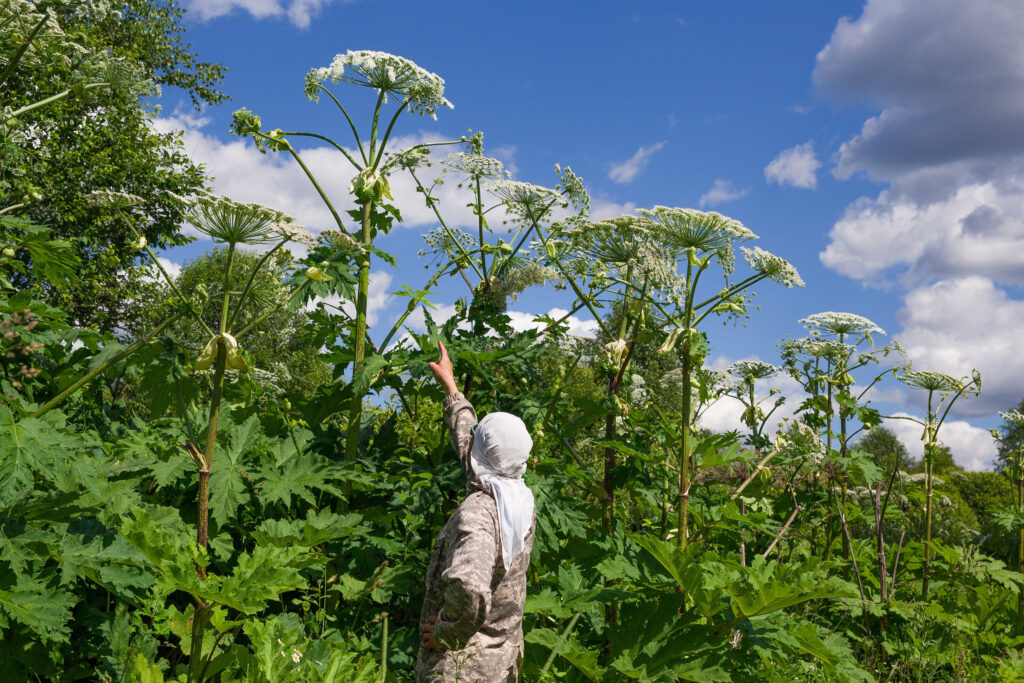
The Giant Hogweed is a plant that truly lives up to its name. Reaching up to 14 feet tall, this behemoth might seem like an intimidating presence, but it’s its sap that makes it a lethal force. A simple touch from its stem or leaves, combined with exposure to sunlight, initiates a dangerous chemical reaction that causes severe burns and blisters. These burns can lead to permanent scarring, and the damage may take years to heal. If the sap comes into contact with your eyes, the result can be catastrophic; permanent blindness. This combination of toxicity and the ease with which it can harm makes the Giant Hogweed a nightmare in any wild area it inhabits.
However, the danger doesn’t end with a simple rash or burn. Giant Hogweed’s sap also has the ability to cause more serious systemic effects if enough of it is absorbed through the skin. The plant has been declared a top priority for eradication in many regions, and the public is continually warned to avoid contact at all costs. Despite these warnings, the plant continues to spread, and its potent sap remains one of the most insidious dangers lurking in wild places.
Gympie-Gympie
Australia is home to many deadly creatures, but the Gympie-Gympie tree is a plant that should never be underestimated. Its leaves are coated with fine, stinging hairs that deliver an excruciating venom when touched. The pain caused by this plant has been compared to being sprayed with hot acid, and the sensation can persist for weeks or even months. The venom injected by the tree has caused extreme reactions in some victims, leading them to take their own lives in an attempt to escape the unbearable pain. This plant has earned its reputation as one of the most feared and painful plants in the world, and its toxic sting is a reminder of how dangerous seemingly innocent plants can be.
The Gympie-Gympie’s venom is one of the most persistent poisons known to man, capable of causing lingering pain long after the initial contact. In fact, the venom remains viable in the stinging hairs for years, meaning that even a dead plant can still pose a significant risk. Forestry workers in areas where the Gympie-Gympie grows are forced to wear full protective gear to avoid being exposed to its deadly sting. Despite its terrifying nature, it’s a plant that continues to thrive in Australia’s dense forests, lurking as a silent killer for anyone unaware of its danger.
Death Camas
At first glance, the Death Camas might appear to be just another harmless wildflower, similar in appearance to its edible cousin, the Camas. But this plant harbors deadly toxins that can cause immediate and fatal poisoning when consumed. The plant contains alkaloids that disrupt the nervous system and cause organ failure, with death often occurring within hours of ingestion. These toxins are potent enough to kill even large animals, and humans who mistake Death Camas for its safer relative are at great risk. It’s a tragic reminder that looks can be deceiving in the plant world, and even familiar plants can harbor deadly secrets.
The toxicity of Death Camas has been well-documented, with Native American tribes sharing knowledge about the dangers of misidentifying this plant for the edible variety. Early settlers in North America often fell victim to the plant, with several fatalities attributed to its consumption. While its flowers are striking and often found in meadows, their beauty hides a grim warning about the dangers of foraging without proper knowledge. Death Camas serves as a testament to the lethal consequences of misidentifying plants in the wild.
Angel Trumpet
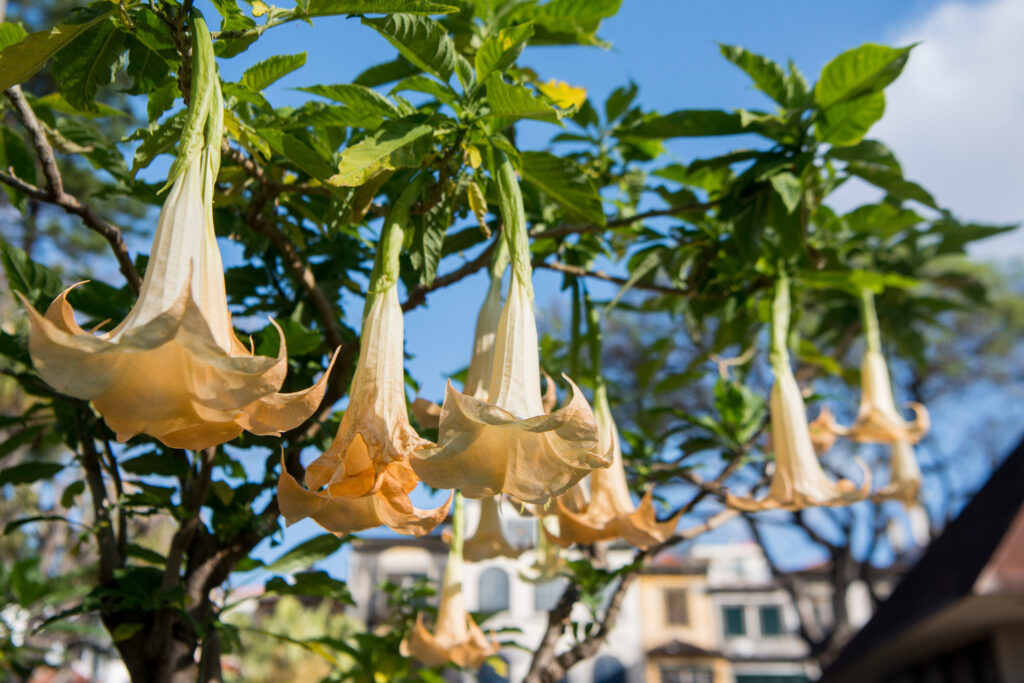
With its long, trumpet-shaped flowers, the Angel Trumpet plant might seem like a beautiful addition to any garden. But this South American native is far more than just an ornamental beauty; it’s a powerful and dangerous drug. The plant contains alkaloids such as atropine, hyoscyamine, and scopolamine, which have mind-altering effects that can induce hallucinations, delirium, and confusion. While these chemicals may seem innocuous in small amounts, in large doses, they can be fatal. What makes Angel Trumpet even more terrifying is its ability to be used as a biological weapon, with criminals using its extracts to turn their victims into “zombies,” erasing their memories and leaving them vulnerable to manipulation.
The effects of the plant are incredibly potent, with even a small amount capable of altering consciousness and rendering victims completely unaware of their actions. In Colombia, criminal gangs have exploited Angel Trumpet’s properties by refining the scopolamine in the plant to create a powder that can be blown into the faces of their targets. Victims of scopolamine poisoning have been known to carry out actions that they would never do under normal circumstances, like emptying their homes and belongings without realizing it. This ability to manipulate human behavior is what truly makes Angel Trumpet one of the most sinister plants on Earth.
New Zealand Tree Nettle
The New Zealand Tree Nettle is an enormous plant that can reach up to 15 feet in height, and it’s one of the most dangerous plants in the world. Its large, needle-like stingers are capable of delivering a lethal neurotoxin that causes intense pain and can even kill. The venom released by the Tree Nettle affects the nervous system, leading to symptoms like paralysis, shock, and death. The plant is well-camouflaged, often blending in with its environment, making it easy for hikers or outdoor enthusiasts to accidentally brush against it. When someone comes into contact with the plant, the venom attacks the nervous system, causing a cascade of potentially fatal effects.
What makes the New Zealand Tree Nettle particularly dangerous is that its venom doesn’t just cause immediate pain; it can also lead to long-term, debilitating nerve damage. In one tragic case, a hunter died after inadvertently brushing against the plant, succumbing to the effects of the toxin. The venom is so potent that even a minor brush can trigger fatal reactions. Hikers in New Zealand are advised to be vigilant, especially in areas where these plants are known to grow, as the consequences of coming into contact with them can be dire.
Himalayan Blackberry
At first glance, the Himalayan Blackberry might appear to be a harmless, albeit thorny, bush. However, it is one of the most dangerous plants you could encounter in the wild. The plant is known for its aggressive growth, quickly overtaking entire areas and creating dense thickets of thorn-covered canes. These thorns are not only long but incredibly sharp, capable of causing deep cuts and serious injuries. Hikers, gardeners, and outdoor workers alike have fallen victim to these thorny plants, suffering from severe injuries that can lead to blood loss, infections, and even permanent damage. The danger is heightened when the thorns tear into veins or arteries, potentially causing severe internal bleeding.
Himalayan Blackberries grow quickly and spread far, making them difficult to control. The thorns are so sharp that even the slightest brush against the plant can lead to serious injury. What’s worse is that the plant’s rapid expansion often leads to dense thickets that can become traps for unsuspecting victims. If you find yourself in an area overrun by Himalayan Blackberries, it’s best to proceed with extreme caution and consider wearing full protective gear to minimize the risk of injury.
Spurge Laurel
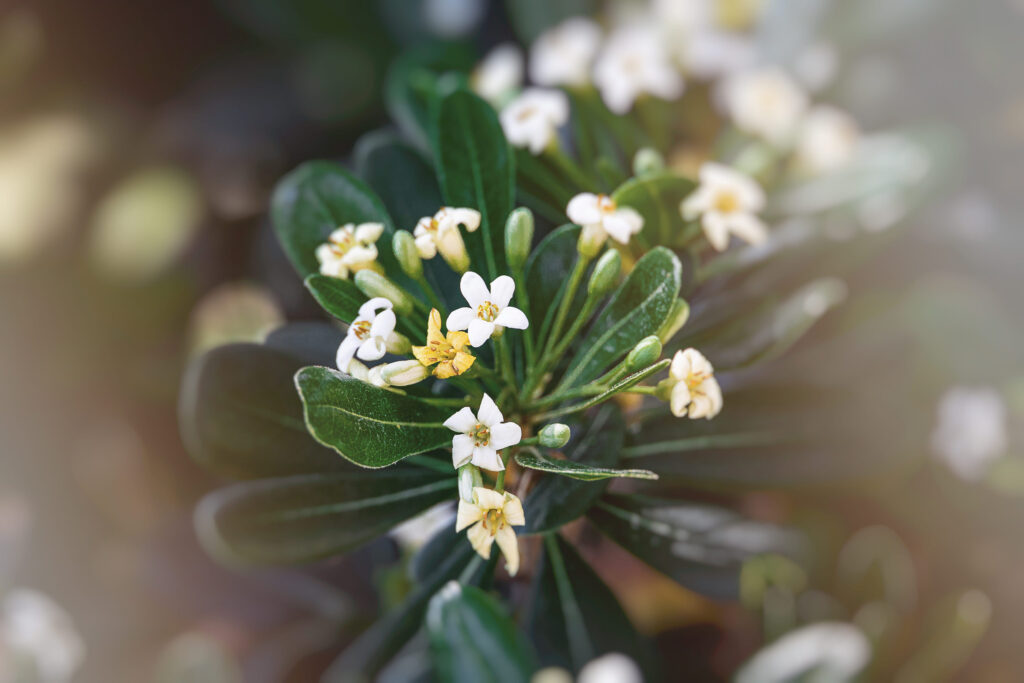
Spurge Laurel is a small shrub that hides its deadly nature beneath an innocuous appearance. While it may seem like just another ornamental plant, its berries and sap contain potent toxins that can cause immediate death if consumed. Even a small number of berries can lead to internal bleeding, organ failure, and death. The toxins in Spurge Laurel also cause severe irritation if the plant is handled carelessly, leading to blisters and burns. Its toxicity is so powerful that it has been used in rare cases as a form of biological warfare, though the results are often more deadly than the intended cure.
Despite its deadly nature, Spurge Laurel is sometimes cultivated as a decorative shrub in gardens and public spaces. The plant is often mistaken for the harmless Bay Laurel, but its deadly effects are nothing to take lightly. Ingestion of its berries can cause a slow and painful death, and even accidental contact can result in severe injury. As with all dangerous plants, it’s crucial to be aware of the potential risks and avoid handling Spurge Laurel without proper protection.
Skunk Cabbage
Skunk Cabbage is known for its foul odor, which is often mistaken for the smell of a skunk. But behind the stink lies a plant that can be deadly if consumed. This North American swamp-dwelling plant contains high levels of calcium oxalate, a toxic compound that can cause severe burns to the mouth, throat, and digestive system. While some parts of Skunk Cabbage are edible when prepared properly, consuming the wrong parts can lead to painful death. The plant’s toxicity is particularly dangerous to animals that may graze on it, and humans have been known to suffer from poisoning if they misidentify the edible portions.
The toxic effects of Skunk Cabbage are not limited to ingestion; even handling the plant can result in irritation and burns. The plant’s foul odor, which is part of its defense mechanism, can also make it a hazard to those with respiratory conditions. Despite its unappealing appearance and smell, Skunk Cabbage remains an important part of the ecosystem, but it’s a plant that should never be underestimated. If you encounter this plant in the wild, it’s best to avoid any direct contact and certainly avoid ingesting any part of it.
Giant Water Lily
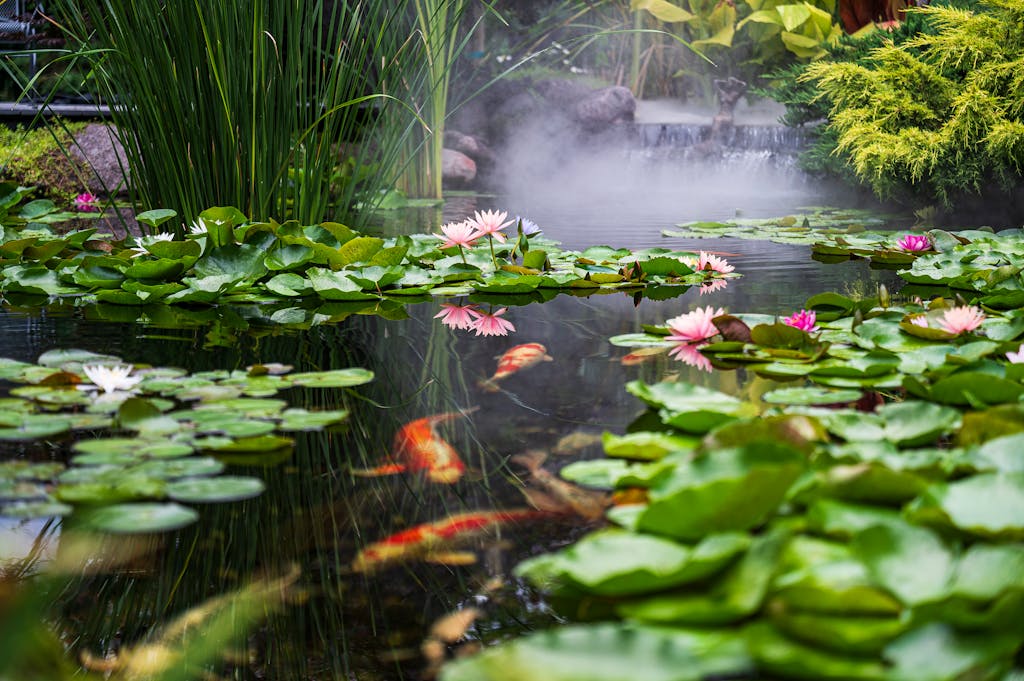
The Giant Water Lily, with its large, glossy leaves and beautiful flowers, may seem like a peaceful aquatic plant, but it hides a deadly threat beneath the surface. Its massive leaves are large enough to trap animals and even humans, potentially leading to drowning. The leaves are incredibly slippery, and once someone falls into the water surrounding the lily, they can easily become trapped and struggle to escape. The plant’s size and weight make it difficult to break free from, and the surrounding water often contains other hazards, making the situation even more dangerous.
Despite its beauty, the Giant Water Lily’s large leaves are a silent killer. The plant is often found in slow-moving bodies of water, where its leaves spread across the surface, creating a maze-like environment that’s difficult to navigate. If someone were to fall into this plant’s grasp, it could easily be the last mistake they make. While the plant doesn’t actively attack, its natural structure poses a hidden danger that’s best avoided when navigating aquatic environments.
Red Tide
Red Tide is a natural phenomenon caused by an overgrowth of algae in coastal waters. This algae produces toxins that are absorbed by shellfish, which, when consumed by humans, can cause paralytic shellfish poisoning. The poison paralyzes muscles and can lead to death if the respiratory system is affected. Red Tide is considered one of the most dangerous oceanic phenomena, causing beach closures and seafood harvest bans to protect public health. It’s a reminder of the unseen dangers lurking beneath the surface of the ocean and how natural events can turn deadly without warning.
The effects of Red Tide go beyond just humans; it affects marine life as well. Large-scale fish kills have been documented when toxic algae blooms overwhelm the local ecosystem, poisoning fish and other sea creatures. The algae’s neurotoxins can even paralyze birds and mammals that ingest contaminated shellfish, leading to widespread destruction. Red Tide is an eerie phenomenon that shows how delicate the balance of life is in our oceans and how quickly nature can turn deadly.