Vegetables suffer from a reputation problem. Least favorites are blamed for being bitter, mushy, earthy, smelly, or odd. Often, these foods are less “bad” than badly prepared—boiled, served plain, or introduced poorly as kids.
We do not need to love every vegetable, but we can examine why some get rejected. A 2019 survey listed turnips, beets, radishes, Brussels sprouts, artichokes, eggplant, butternut squash, zucchini, mushrooms, and asparagus as America’s least liked, with turnips and beets leading. Yet vegetables are central to balanced eating, as plant-rich diets benefit blood pressure, heart health, digestion, and blood sugar control. Dietary Guidelines for Americans 2020-2025.
Why Some Vegetables Become the Most Hated Foods on the Plate
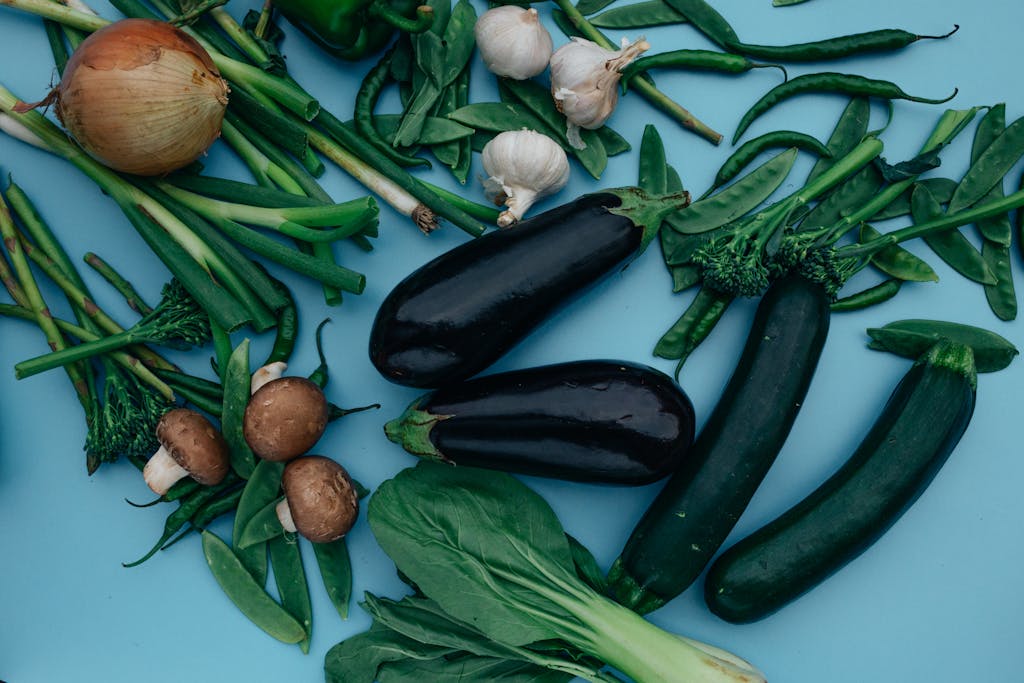
The least favorite vegetables usually share one of four problems. Some taste bitter, like Brussels sprouts, kale, turnips, and radishes. Some taste earthy, like beets and mushrooms. Some have texture issues, like eggplant, okra, zucchini, and cooked cabbage. Others carry strong smells because sulfur compounds become more noticeable during boiling or overcooking.
We also bring memory to the table. If we first met cabbage as a watery pile beside dry meat, we may decide cabbage itself is the villain. If Brussels sprouts arrived gray, bitter, and soggy, we may never learn how sweet and crispy they become under high heat. Taste can change, but technique matters.
Turnips Still Carry an Old-School Reputation
Turnips often feel like the vegetable people eat only because someone’s grandmother insisted. Their flavor can be peppery, bitter, and slightly cabbage-like, which explains why they struggle against sweeter root vegetables such as carrots and sweet potatoes. The problem gets worse when turnips are boiled for too long, because their sharpness spreads throughout the whole dish. We get a better result by roasting them until the edges brown, then balancing the bite with olive oil, garlic, thyme, honey, or apples. Smaller young turnips also taste milder, so we should avoid large woody ones if we want a softer introduction.
Beets Taste Too Earthy for Many People
Beets are colorful, nutritious, and deeply divisive. Their earthy flavor comes across as sweet and rich to some people, but others describe it as tasting like soil. That reaction is not imaginary because beets contain earthy aromatic compounds that can dominate a dish when served plain. Roasting helps by concentrating their natural sugars and softening the “dirt” note. We can make beets more appealing by pairing them with goat cheese, oranges, walnuts, yogurt, vinegar, dill, or peppery greens so the sweetness feels balanced instead of heavy.
Radishes Can Feel Too Sharp Raw
Radishes are crisp and pretty, but their peppery bite can ambush anyone expecting a mild salad vegetable. Raw radishes can taste hot, grassy, or slightly metallic, especially when they are large or older. The easiest fix is slicing them thinly, salting them lightly, and pairing them with butter, cream cheese, cucumber, or lemon. Roasting changes them completely because heat calms the peppery edge and gives them a mild, almost turnip-like sweetness. Quick-pickled radishes also work well in tacos, sandwiches, rice bowls, and grilled meat dishes because the acidity keeps them lively without making them harsh.
Brussels Sprouts Suffer From Bad Cooking Memories
Brussels sprouts may be the official symbol of vegetable trauma. Many people remember them as bitter, gray-green, and sulfurous because they were boiled until every pleasant note disappeared. Yet Brussels sprouts can taste nutty, sweet, and crisp when we cut them in half and roast them at high heat. A small amount of fat, salt, and acidity changes the whole experience. We can finish them with balsamic vinegar, lemon juice, chili crisp, parmesan, bacon, maple mustard glaze, or toasted nuts for a side dish that tastes bold instead of punishing.
Artichokes Feel Like Too Much Work
Artichokes lose people before they reach the plate because they look complicated. Whole artichokes need trimming, steaming, leaf-pulling, and patience, which makes them a hard sell for weeknight cooking. The flavor is mild, nutty, and slightly sweet, but the preparation barrier keeps many people away. Artichoke hearts solve most of the problem because canned, jarred, or frozen versions are easy to add to pasta, flatbread, dips, omelets, grain bowls, and salads. We should treat artichokes less like a fussy centerpiece and more like a savory ingredient that brings depth without taking over.
Eggplant Turns Soggy When We Cook It Wrong
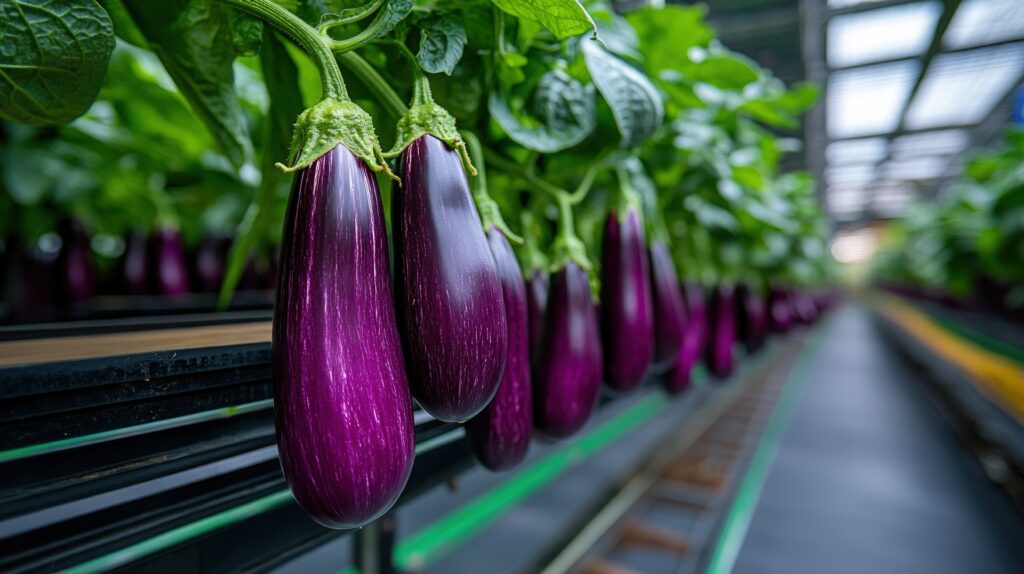
Eggplant has one of the most misunderstood textures in the vegetable world. Its spongy flesh absorbs oil quickly, so a poorly cooked eggplant dish can feel greasy, bitter, and limp. Salting sliced eggplant before cooking helps draw out moisture and improves the final texture. Roasting, grilling, broiling, or baking it with tomato sauce gives us a silkier result without the swampy feel. Eggplant works best with bold flavors such as garlic, tomato, basil, tahini, chili, miso, lemon, parmesan, and smoked paprika because its mild flesh needs structure.
Butternut Squash Can Taste Too Sweet
Butternut squash usually gets treated like comfort food, but its sweetness can annoy people who prefer savory vegetables. If we roast it with only butter and sugar, it can taste more like dessert than dinner. The better approach is contrast. Chili flakes, cumin, curry powder, black pepper, sage, garlic, onion, feta, sausage, lentils, or toasted seeds keep it grounded. We can also cube it small and roast it until caramelized, then add it to salads, soups, tacos, risotto, or grain bowls, where sweetness becomes a supporting note instead of the whole personality.
Zucchini Becomes Bland and Watery Fast
Zucchini is rarely hated with passion, but it often gets dismissed as boring. Its high water content makes it collapse quickly, especially if we crowd the pan or cook it too long. The trick is speed and heat. We should slice it thick, salt it briefly, pat it dry, and cook it quickly in a hot pan or on a grill. Zucchini also shines when shredded into fritters, folded into savory pancakes, baked into casseroles, or tossed with pasta, lemon, garlic, and herbs. It needs confidence from the cook because it will not create much flavor on its own.
Mushrooms Lose People With Texture Before Flavor
Mushrooms are loved by many and rejected by many for the same reason. They taste earthy, savory, and meaty, but their texture can feel slippery or rubbery if cooked badly. The biggest mistake is adding oil and salt too early, then letting them steam in their own liquid. A hot, dry pan allows mushrooms to release moisture first, then brown properly once the water evaporates. After that, we can add butter, garlic, thyme, soy sauce, wine, or cream. Good browning turns mushrooms from squeaky and damp into rich, savory, and deeply satisfying.
Asparagus Can Taste Grassy or Woody
Asparagus has a fresh spring flavor, but it can become grassy, bitter, stringy, or sulfurous when overcooked. The woody ends are another reason people reject it, since one tough bite can ruin the whole spear. We should trim the ends, cook the stalks quickly, and stop before they turn limp. Roasting and grilling bring out a sweeter flavor, and lemon, parmesan, black pepper, garlic, hollandaise, or toasted almonds make it feel more complete. Thin asparagus cooks fast and works well in omelets or pasta, while thicker stalks are better for roasting.
Cabbage Gets Blamed for the Smell of Overcooking

Cabbage is cheap, durable, and versatile, but boiling has damaged its reputation. Overcooked cabbage releases a strong smell that can fill a kitchen and make the vegetable seem heavier than it is. Raw cabbage is a different story because it is crisp, slightly sweet, and excellent in slaws, tacos, wraps, and salads. Stir-fried cabbage with garlic, ginger, soy sauce, or sesame oil also keeps its bite without the boiled smell. Fermented cabbage, such as sauerkraut and kimchi, adds tang and depth, making cabbage feel lively rather than dull.
Kale Can Feel Tough, Bitter, and Too Trendy
Kale became famous as a health food, which made some people dislike it before tasting it properly. Raw kale can be tough and bitter, especially if the stems are left in. We get a better result by removing the ribs, slicing the leaves thinly, and massaging them with olive oil, lemon juice, and salt. That simple step softens the leaves and reduces the harshness. Kale also works beautifully in soups, baked chips, pasta, grain bowls, and egg dishes because heat relaxes the texture and lets the flavor blend with stronger ingredients.
Celery Is Too Stringy for Some Eaters
Celery looks harmless, but its sharp green taste and stringy texture can put people off. Raw celery can feel watery yet fibrous at the same time, which makes it oddly unsatisfying for some eaters. The good news is that celery becomes much more useful when we stop treating it as a snack stick. Diced celery adds a quiet flavor to soups, stews, stuffing, sauces, chicken salad, tuna salad, and braised dishes. Cooking softens the strings and turns their sharpness into a clean background note that makes richer foods taste brighter.
Okra Has a Slime Problem That Needs Respect
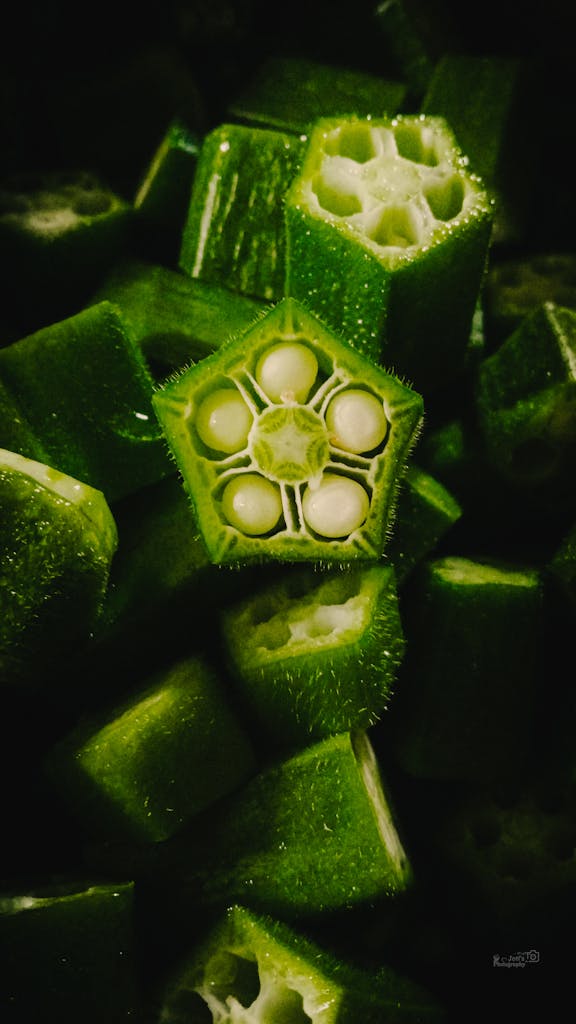
Okra may be one of the most unfairly judged vegetables because people focus on the slime and miss its strengths. Its mucilaginous texture thickens stews and gumbos beautifully, but it can feel unpleasant if served in a dish where that texture seems accidental. Dry heat is the easiest fix. Roasting, air-frying, grilling, or pan-searing whole pods reduces sliminess and gives the outside a pleasant chew. Pickled okra also works because acidity and crunch make the texture feel intentional. We should cook okra with a plan, not hope it behaves like green beans.
Olives Are a Culinary Vegetable, Even If They Are Botanically Fruit
Olives are technically fruit, but they often appear in the same savory category as vegetables on plates, salads, pizzas, and appetizer boards. Their problem is intensity. They are salty, briny, bitter, oily, and sometimes fermented-tasting, which makes them difficult for people who prefer mild flavors. The best way to enjoy olives is to pair them with foods that soften their punch. Bread, tomatoes, cucumbers, feta, mozzarella, roasted peppers, pasta, tuna, chicken, and citrus all help. Chopped olives are also easier to accept than whole ones because they season a dish instead of dominating it.
How We Can Make the Least Favorite Vegetables Taste Better
The fastest way to improve unpopular vegetables is to stop boiling them by default. Roasting, grilling, sautéing, and stir-frying create browning, sweetness, and better texture. Acid also matters. Lemon juice, vinegar, pickles, yogurt, tomatoes, and mustard can lift vegetables that taste too bitter, earthy, or heavy.
Fat helps carry flavor, but it should be used with purpose. Olive oil, butter, tahini, cheese, nuts, seeds, avocado, or coconut milk can make sharp vegetables taste rounder and more satisfying. Salt should not be feared either, since underseasoned vegetables often taste worse than bitter ones. We need enough seasoning to wake the vegetable up, then enough contrast to keep it interesting.
Best Seasonings for the Most Disliked Vegetables
Bitter vegetables need acid, salt, fat, and sometimes sweetness. Brussels sprouts, kale, turnips, radishes, and cabbage improve with lemon, vinegar, garlic, mustard, chili, parmesan, honey, or toasted nuts. Earthy vegetables need brightness and creaminess. Beets, mushrooms, and eggplant pair well with yogurt, citrus, tahini, cheese, herbs, tomato, and balsamic vinegar.
Watery vegetables need heat and dryness. Zucchini, mushrooms, eggplant, cabbage, and okra should not be crowded in a pan because crowding causes steaming instead of browning. Strong vegetables need restraint. Olives, radishes, celery, and asparagus work better in smaller amounts or with familiar ingredients that make them feel less aggressive.
How to Help Children Try Their Least Favorite Vegetables
Children often reject vegetables because the flavor is unfamiliar, the smell is strong, or the texture feels strange. Pressure usually makes the problem worse. We can offer tiny portions, keep the mood calm, and serve the vegetables beside foods they already like. A child may reject roasted Brussels sprouts five times and accept them on the sixth try if the experience stays low-pressure.
Presentation helps too. Roasted carrot-and-turnip fries, beet hummus, zucchini fritters, cheesy cauliflower-style cabbage bakes, and crispy kale chips feel more approachable than plain steamed vegetables. Letting children wash, season, stir, or plate the food can also reduce suspicion. The goal is exposure.
Conclusion
The least favorite vegetables are rarely hopeless. Most of them have simply been boiled too long, served without balance, or introduced in a way that made their strongest traits impossible to ignore. Turnips, beets, radishes, Brussels sprouts, artichokes, eggplant, squash, zucchini, mushrooms, asparagus, cabbage, kale, celery, okra, and olives all need the right treatment before they can show their better side.
We do not have to pretend every vegetable is delicious in every form. We only need to cook with more strategy. Bitter vegetables need brightness. Earthy vegetables need contrast. Watery vegetables need heat. Strong vegetables need smart pairings. Once we stop blaming the vegetable and start adjusting the method, the most hated foods on the plate can become surprisingly useful, flavorful, and worth a second chance.