Lower back tightness can make the simplest things feel annoying, from getting out of bed to sitting through a long workday. The tricky part is that many people try to stretch their way out of the pain, but they rush the moves, force the bend, or choose poses that don’t match what their body needs. That is why gentle yoga stretches for lower back relief can work so well when performed with patience, control, and steady breathing.
The goal is not to twist yourself into a perfect yoga shape. The goal is to help the lower back, hips, glutes, hamstrings, and core loosen up together. If sharp pain, numbness, tingling, or pain down the leg shows up, stop and speak with a qualified health professional. For normal stiffness and everyday tension, these lower back yoga stretches can help your body feel less locked up and more supported.
Skipping Child’s Pose
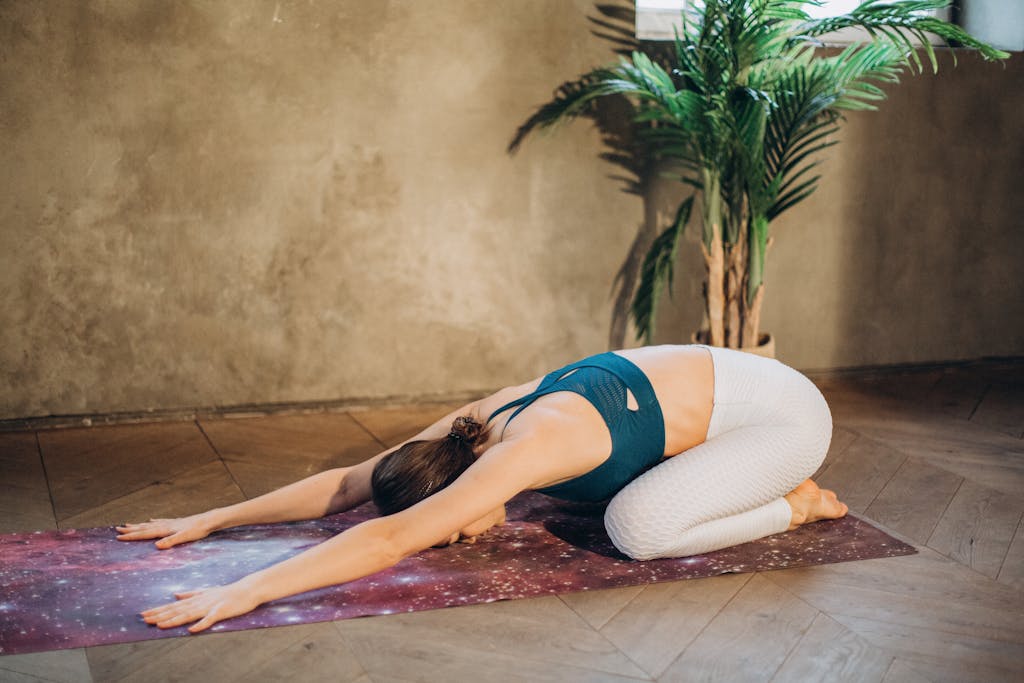
Child’s pose looks simple, but that is exactly why many people underestimate it. This stretch gives the lower back a quiet chance to soften without forcing the spine into a deep bend. Start on your hands and knees, then ease your hips back toward your heels and lower your forehead toward the floor. Keep your knees slightly apart so your belly has room to relax between your thighs.
Let your arms rest forward or to the side, whichever feels better. The key is slow breathing. Try breathing into your ribs, belly, and lower back rather than holding tension in your shoulders. Stay for 30 to 60 seconds. This is one of the best yoga stretches for lower back tension after sitting too long, standing for hours, or waking up feeling stiff.
Rushing Through Cat-Cow
Cat-cow is often treated like a warm-up, but it deserves more attention. This move helps the spine move through gentle flexion and extension, which can reduce that stuck, rusty feeling in the lower back. Start on your hands and knees with your wrists under your shoulders and knees under your hips.
As you inhale, drop your belly slightly, lift your chest, and look forward. As you exhale, round your back, tuck your tailbone, and let your head lower. Move slowly for four to six rounds. Don’t snap from one shape to the next. When done correctly, cat-cow teaches your back to move again without panic, stiffness, or strain.
Forcing Downward Dog
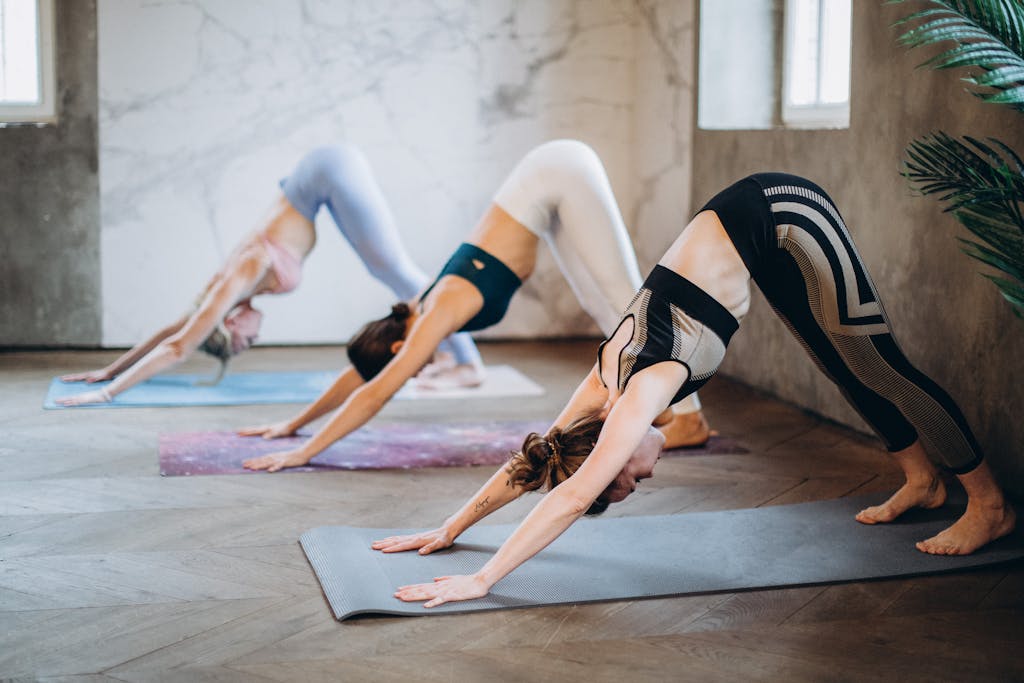
Downward dog can feel amazing for the back, but only if you stop trying to force your heels to the floor. Tight hamstrings can pull on the pelvis, making the lower back feel even more tense. Begin on your hands and knees, tuck your toes, press into your palms, and lift your hips up and back.
Keep a soft bend in your knees, especially if your legs feel tight. Focus on lengthening your spine rather than straightening your legs. Let your head rest between your arms and breathe for 4 to 6 slow breaths. This pose stretches the back body, wakes up the shoulders, and gives the lower back more space when done gently.
Doing the Ragdoll Pose
Ragdoll pose is not about touching the floor. It is about releasing the weight of your head, neck, shoulders, and spine. Stand with your feet hip-width apart, bend your knees, and fold forward from the hips. Let your upper body hang heavy, then hold opposite elbows if that feels comfortable.
Keep your knees bent enough that your lower back does not feel pulled. If you feel dizzy, come up slowly and skip the long hold. Stay for five to eight breaths if it feels good. Ragdoll can be especially helpful when your lower back feels tight because your hamstrings and hips are stiff from sitting.
Ignoring Core Strength and Only Stretching
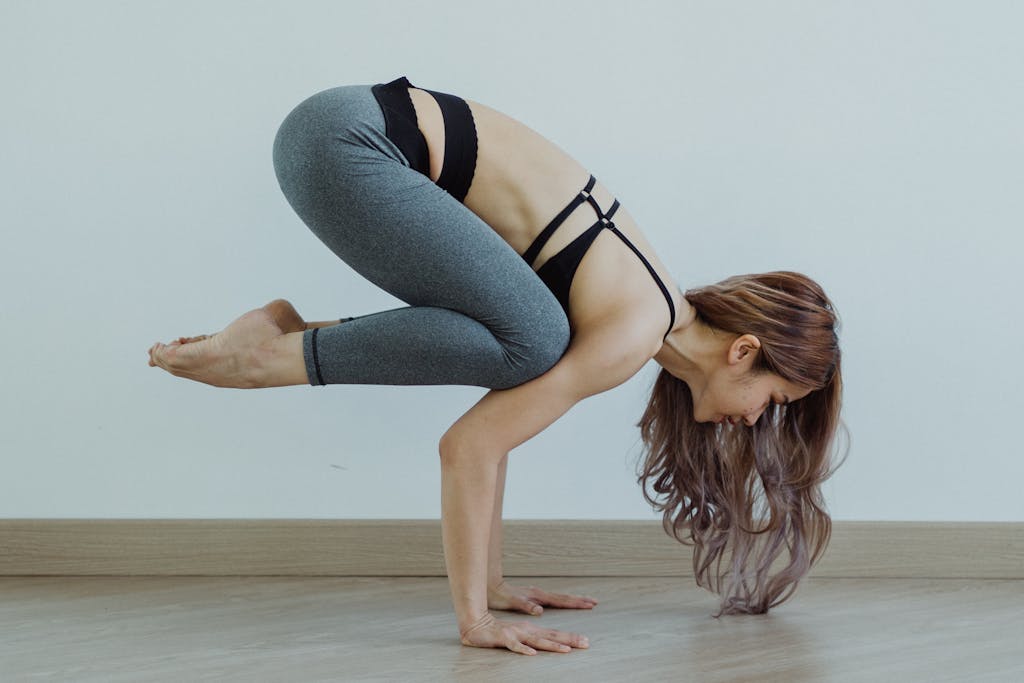
Lower back relief is not only about stretching. Sometimes the back feels irritated because the core and side-body muscles aren’t providing enough support. A modified side plank can help build gentle stability without overwhelming the body. Lie on one side with your elbow under your shoulder and your knees slightly bent.
Lift your hips a few inches from the floor, keeping your core engaged and your body steady. Hold for five to eight breaths, then switch sides. You do not need to lift high or hold forever. This move helps your lower back feel supported instead of overworked, which matters if stiffness keeps coming back.
Avoiding Locust Pose Because It Feels Too Hard
The locust pose strengthens the back muscles, but it should never feel like a dramatic backbend. Lie on your stomach with your arms by your sides and the tops of your feet resting on the floor. Take a slow breath in, then gently lift your chest, head, arms, and legs a little off the mat.
Keep your neck long and avoid clenching your jaw. Hold for three to five breaths, lower down, and repeat two or three times. This pose can help wake up the muscles that support posture, especially if your lower back gets tired from sitting, driving, or leaning over a desk.
Twisting Too Aggressively With Windshield Wipers
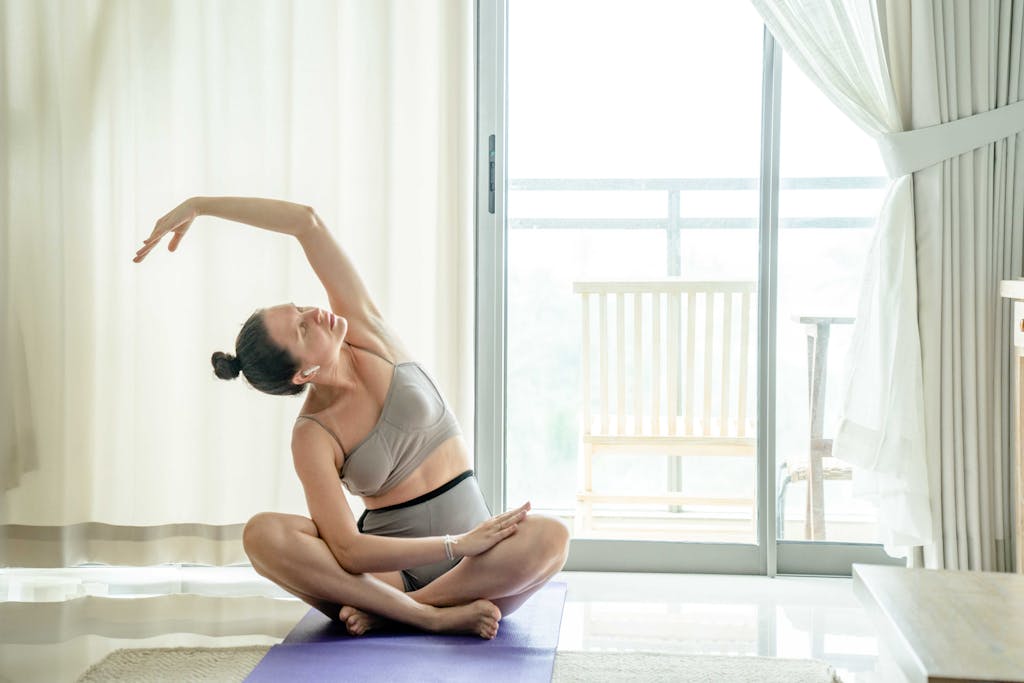
Twists can feel wonderful, but yanking your knees back and forth can irritate your lower back. Windshield wiper twists should feel slow, smooth, and easy. Lie on your back with your knees bent and your feet wider than hip-width. Stretch your arms out to the sides.
Let both knees drift gently to one side, return to the middle, then drift to the other side. Move like you are calming the body down, not trying to crack your spine. Continue for one to two minutes. This stretch can ease tension through the lower back, hips, and glutes, which often work together when stiffness builds.
Forgetting the Knees-to-Chest Stretch Before You Stop
Knees-to-chest is a classic lower back stretch for a reason. It helps the back relax without asking much from your balance or flexibility. Lie on your back and hug both knees toward your chest. Keep your head and shoulders relaxed on the floor.
You can stay still or rock gently from side to side. Breathe into your belly and lower back as your body settles. This is a great final stretch because it tells the nervous system to slow down. After a long day, it can feel like giving your lower back permission to unclench.
Conclusion
Lower back stretches work best when they are gentle, slow, and supported by steady breathing. Child’s pose, cat-cow, downward dog, ragdoll, modified side plank, locust, windshield wiper twists, and knees-to-chest all target the body in slightly different ways. Some release tight muscles, others build support, and a few help the spine move with less fear and stiffness.
The biggest mistake is treating lower back yoga like a race. Give each pose time, keep your movements controlled, and let comfort guide you more than ambition. Done consistently, these simple yoga stretches for lower back relief can help you feel looser, calmer, and more at home in your body.