In the hustle and bustle of modern life, convenience often trumps careful consideration of what we put into our bodies. We are constantly bombarded with food choices that promise to be quick, easy, and satisfying. However, some of these seemingly innocent foods are quietly undermining our health. Let’s take a closer look at 10 common foods that may be causing more harm than good.
Processed Meats
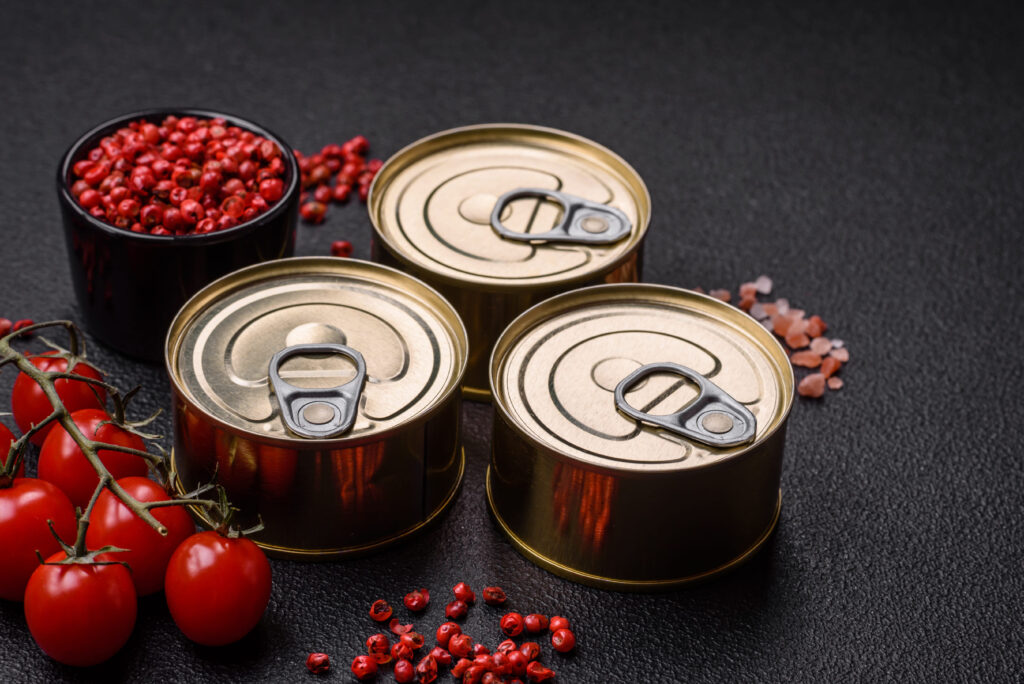
Processed meats such as sausages, bacon, and hot dogs are staples in many households for their convenience and flavor. However, these foods are packed with preservatives, sodium, and unhealthy fats, all of which have been linked to a higher risk of heart disease and certain cancers. These meats often contain nitrates, which can form carcinogenic compounds when cooked at high temperatures.
If you’re aiming to improve your diet, consider swapping processed meats for lean proteins like chicken, turkey, or plant-based options. The health benefits will far outweigh the temporary convenience.
Sugary Beverages

Sodas, energy drinks, and sweetened coffees may quench your thirst, but they come with a hefty price tag for your health. Packed with high amounts of sugar, these drinks can quickly contribute to obesity, type 2 diabetes, and a myriad of dental issues. In fact, just one sugary drink per day increases your risk of developing chronic conditions.
Instead of sugary beverages, choose water, herbal teas, or naturally flavored water. Your body will thank you in the long run by feeling more hydrated and energized.
Trans Fats
Trans fats, often found in processed baked goods, fried foods, and packaged snacks, are a major contributor to heart disease. They increase bad cholesterol (LDL) while simultaneously lowering good cholesterol (HDL), creating a perfect storm for heart-related problems. These fats have been banned in many countries, but they are still prevalent in many processed foods.
When shopping, always check for “partially hydrogenated oils” in the ingredient list. Opt for healthier fats like olive oil, avocado, and nuts for a heart-friendly diet.
Artificial Sweeteners
Many people turn to artificial sweeteners as a guilt-free way to satisfy their sweet tooth. However, these substitutes, including aspartame and saccharin, have been associated with negative effects on metabolism, gut health, and even cancer risk in some studies. While they may reduce your sugar intake, they also disrupt the natural balance of your body’s systems.
Instead, consider using natural sweeteners like honey or stevia, which are less likely to interfere with your metabolism. Moderation is key when incorporating sweeteners into your diet.
White Bread and Refined Grains

White bread, pasta, and most other refined grains are stripped of essential nutrients during processing, making them less beneficial for your body. These foods cause rapid spikes in blood sugar levels, leading to insulin resistance and potentially contributing to type 2 diabetes over time.
Switch to whole grains like quinoa, brown rice, and whole wheat bread. These options provide better fiber content and have a slower, more stable effect on blood sugar.
High-Fructose Corn Syrup
High-fructose corn syrup (HFCS) is commonly used in processed foods and sugary drinks, but it’s one of the most damaging ingredients in modern diets. This synthetic sugar substitute has been linked to obesity, insulin resistance, fatty liver disease, and even metabolic syndrome. HFCS is absorbed more quickly by the body, which exacerbates its negative effects on weight and health.
Be cautious about foods containing HFCS, and aim to reduce processed foods in your diet. Choose products with natural sweeteners when available.
Fried Foods
Fried foods are a tempting indulgence, but they come with serious health risks. Foods like fried chicken, French fries, and deep-fried snacks are often cooked in oils that contain trans fats. This makes them a leading contributor to heart disease, obesity, and high cholesterol.
Rather than frying your food, try baking, grilling, or steaming to reduce fat content while still enjoying delicious meals. Your arteries and waistline will benefit greatly from this small change.
Canned Soups
Canned soups are a convenient meal option, but many of them are loaded with sodium. Consuming too much sodium can increase blood pressure, putting you at risk for heart disease and stroke. A single can of soup can contain more than a day’s worth of sodium, making it a hidden danger in your diet.
Opt for low-sodium soups, or make your own at home using fresh ingredients. Homemade soups offer better control over salt intake, allowing you to stay within healthier limits.
Processed Cheese
Processed cheese slices and spreads may seem like an easy choice for sandwiches and snacks, but they are full of salt, preservatives, and unhealthy fats. These additives contribute to obesity, heart disease, and digestive issues over time. Though convenient, processed cheese is best enjoyed in moderation.
Switch to natural cheeses like cheddar, mozzarella, or feta, and use them in moderation to avoid excess salt and preservatives in your diet.
Margarine
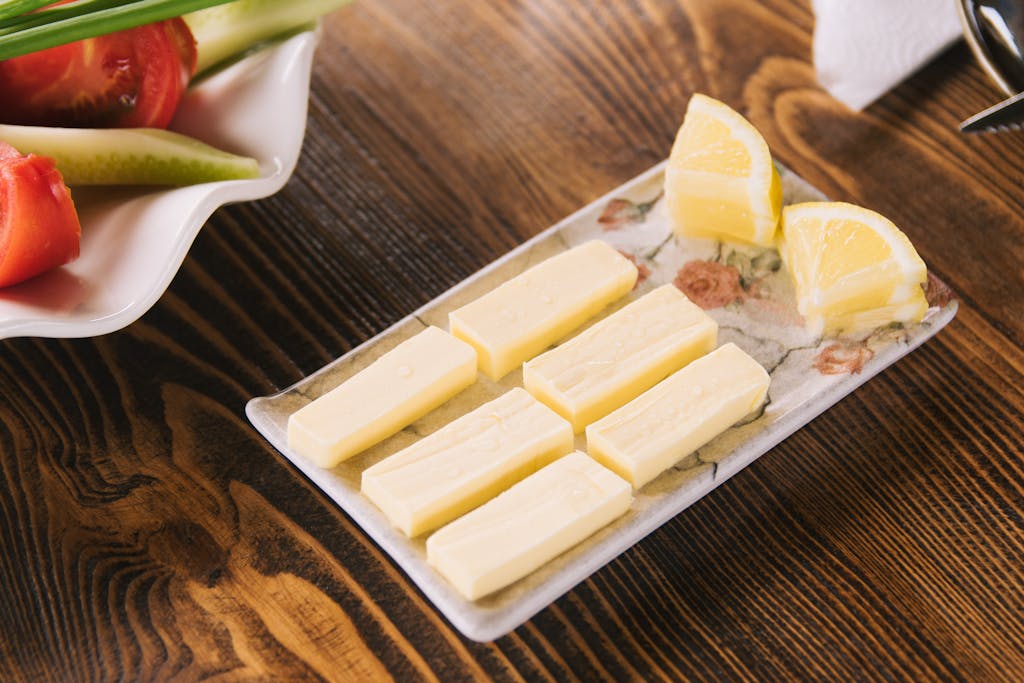
For years, margarine was promoted as a healthier alternative to butter, especially for those looking to reduce their saturated fat intake. However, many margarines contain trans fats, which are just as harmful as the saturated fats they replaced. These fats raise bad cholesterol and increase the risk of heart disease.
Consider using healthier fats like olive oil, avocado, or coconut oil in place of margarine. These options are packed with nutrients and provide better cardiovascular benefits.
Conclusion
The foods we consume have a significant impact on our health, both in the short term and in the long run. While some foods may seem harmless or convenient, they can be silently contributing to chronic conditions and diseases. By making small, informed changes in your diet, such as avoiding processed meats, cutting out sugary drinks, and replacing unhealthy fats with healthier options, you can protect your body and improve your overall well-being.
Remember, moderation is key. By being mindful of what you eat, you can enjoy a healthier, longer life without sacrificing flavor or convenience.