The allure of cut-and-come-again flowers is undeniable. Who wouldn’t want vibrant blooms that continue to grow after each snip? However, not all flowers live up to this promise. Some require far more attention than they are worth, and others fail to deliver consistent, long-lasting blooms. If you’re looking to maximize your gardening time, here are seven flowers, some commonly known and others less familiar, that might not be as great as their reputation suggests.
Chrysanthemums
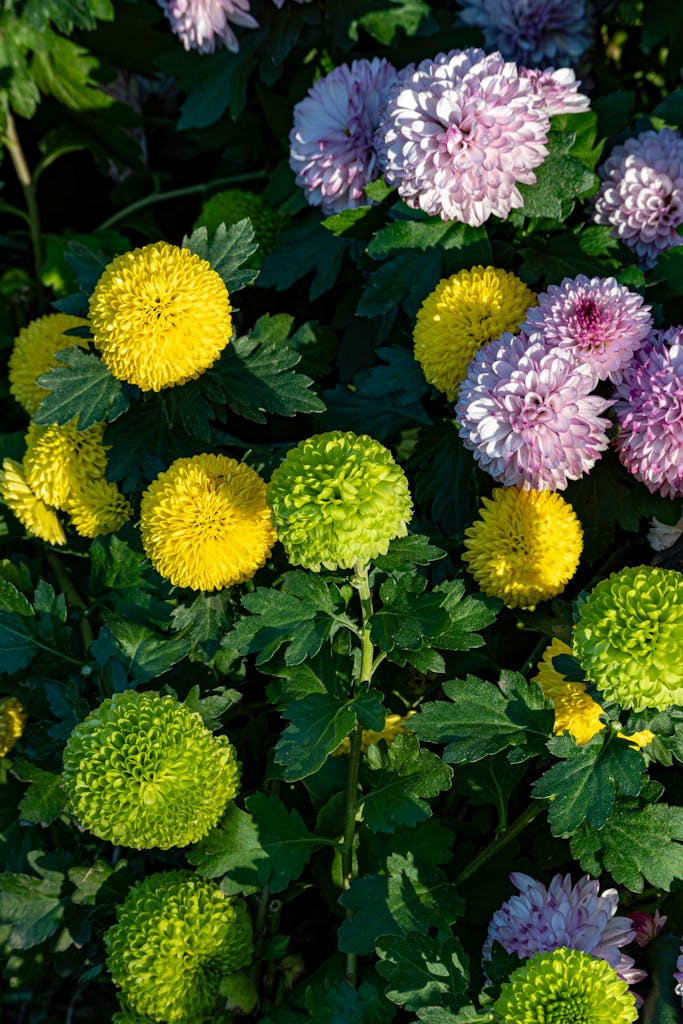
Chrysanthemums are often hailed as reliable cut-and-come-again flowers, but they’re more trouble than they’re worth. These blooms need to be monitored closely for pests and disease, and even with proper care, they tend to underperform after the first few cuts. After an initial show of blooms, they become weak and sparse, requiring constant maintenance to meet expectations. The labor and time required to revive them often overshadow their lackluster results, making them a disappointing choice for gardeners seeking low-maintenance beauty.
Sweet Peas
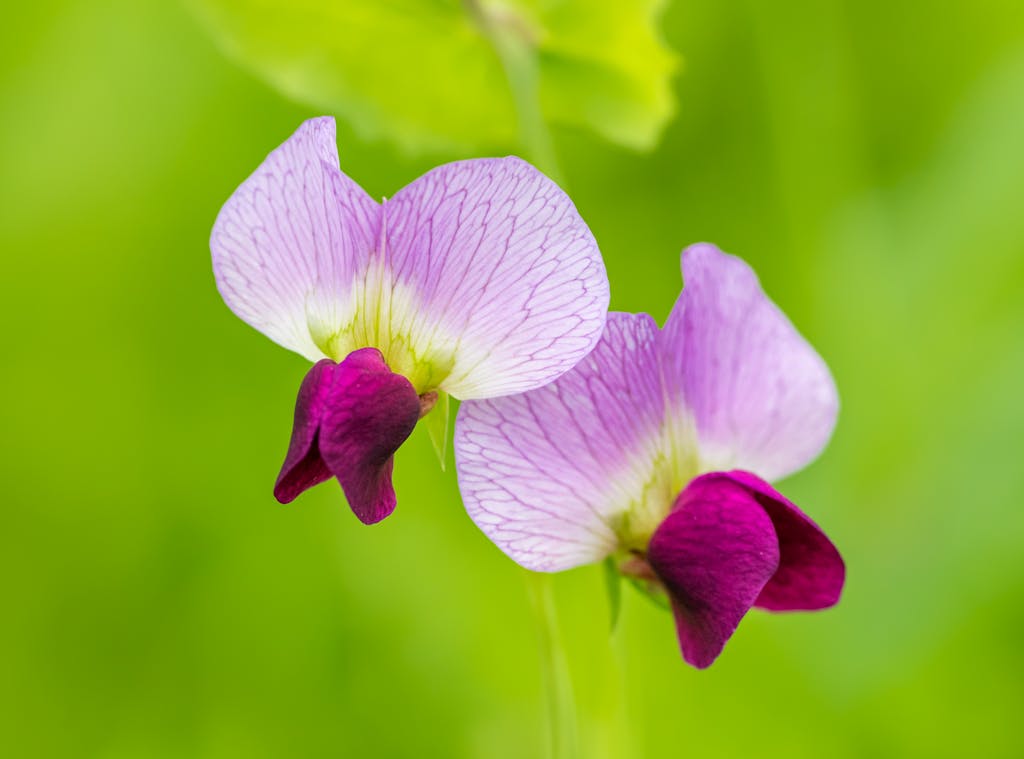
Sweet peas are beloved for their delightful fragrance and delicate blooms, but they are far from a reliable cut-and-come-again flower. These fragile plants are prone to disease and often fail to regrow after being cut. Even under ideal conditions, sweet peas can become exhausted after the first flush of flowers, and subsequent cuts may yield weak or sparse blooms. For gardeners looking for consistent beauty, sweet peas can be more trouble than they’re worth.
Zinnias
Zinnias can be stunning, offering bright, cheerful blooms throughout the summer. However, they don’t always live up to the “cut-and-come-again” promise. After several rounds of cutting, zinnias often become leggy and weak, and their flowers decline in quality. Though they may bloom profusely at first, the flowers quickly lose their fullness, and new buds often struggle to emerge. For those hoping for continuous, strong blooms, zinnias can be a frustrating flower to grow.
Asters
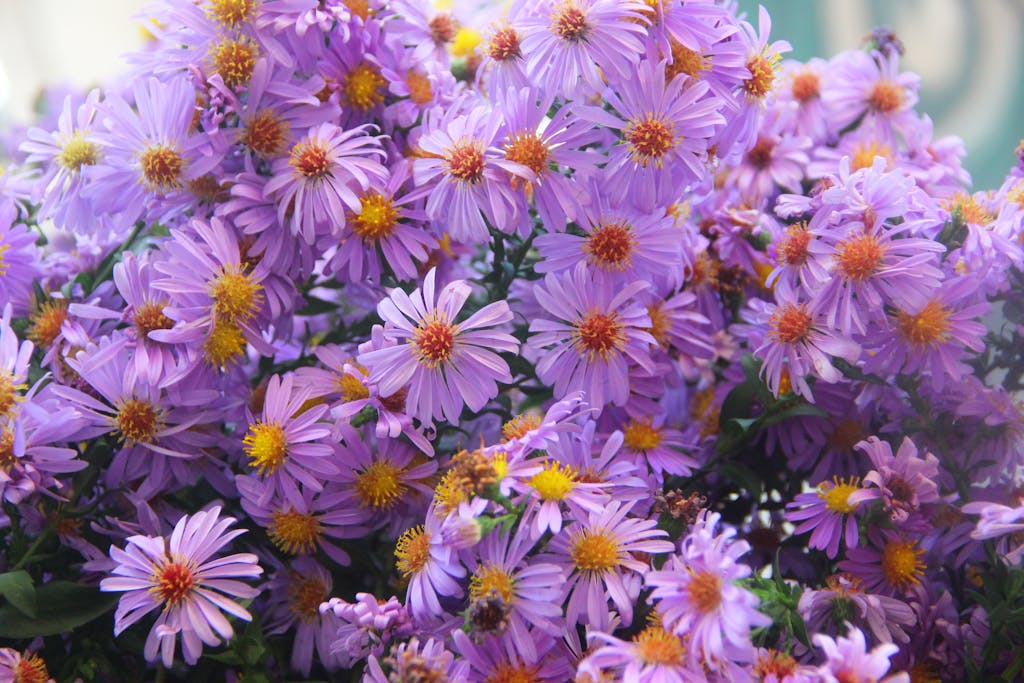
Asters are celebrated for their late-season blooms, but they don’t always maintain their cut-and-come-again performance. Once the initial wave of flowers fades, asters become increasingly difficult to manage. They can grow too tall and unruly, and the flowers become smaller and less abundant as the season progresses. In colder climates, the risk of frost further limits their ability to thrive after cutting. While asters can be charming early on, they fall short for gardeners hoping for a reliable, long-lasting show of blooms.
Lavender
Lavender is known for its fragrance and beauty, but it is far from a hassle-free cut-and-come-again flower. Though it can bloom repeatedly if properly cared for, lavender is highly sensitive to climate and requires specific growing conditions. Without regular pruning and the right environment, lavender becomes woody, and its blooms diminish quickly after cutting. For those without the ideal climate or time to invest in constant care, lavender can quickly become a frustrating and underperforming choice.
Roses
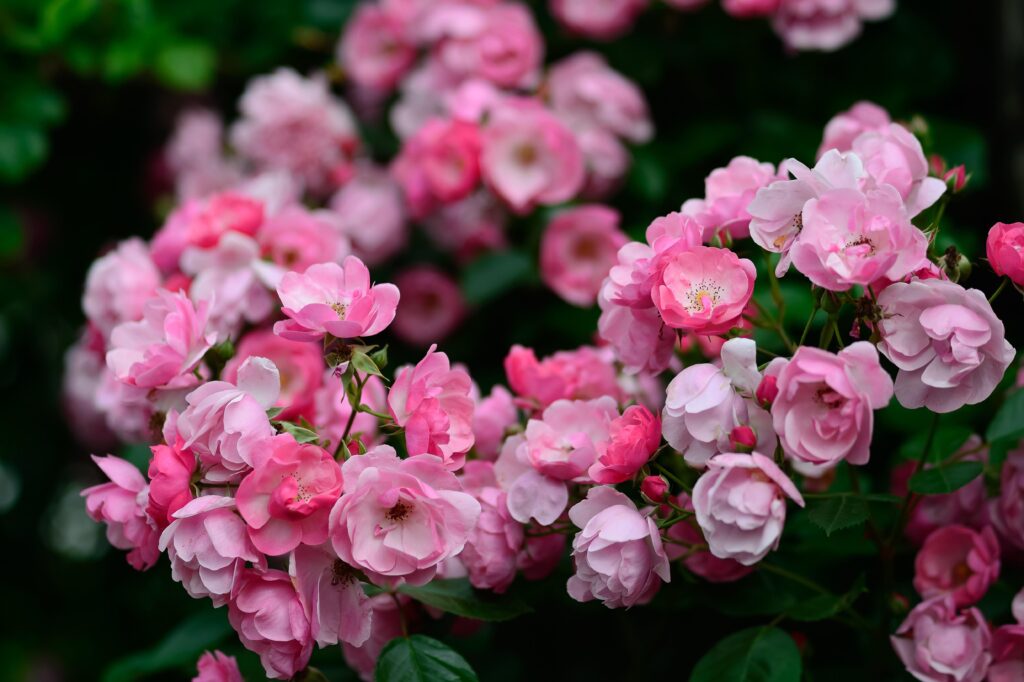
Roses may be classic garden staples, but they often disappoint as cut-and-come-again flowers. These divas of the garden require extensive maintenance to keep them healthy and productive. From pest control to regular pruning and deadheading, roses demand a high level of care. Even with diligent care, they sometimes fail to bloom as expected after each cutting, leaving gardeners frustrated. The promise of endless beauty just doesn’t live up to the effort they require.
Coneflowers
Coneflowers are often celebrated as easy-to-grow perennials, but their cut-and-come-again nature can be disappointing. While they can be relatively hardy, their regrowth after cutting can be slow and lackluster. The flowers tend to be less abundant and smaller with each successive bloom, which makes them an unreliable option for those hoping for constant vibrant color. They are also prone to disease if not properly cared for, and their blooms can be more sporadic than expected, especially in areas with high humidity.
Dahlias
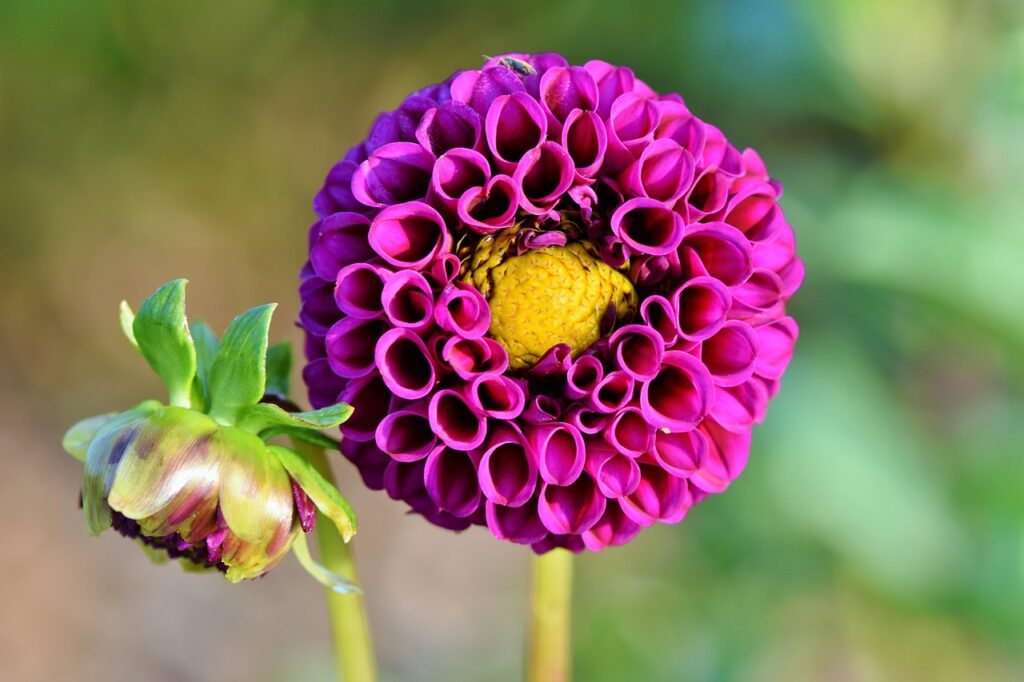
Dahlias may be known for their dramatic, colorful blooms, but they require a lot of work to maintain. Although they are technically cut-and-come-again flowers, they demand constant attention. Deadheading, staking, and consistent watering are essential to prevent them from becoming leggy or weak. Even with these efforts, dahlias often don’t bloom consistently after each cut, leaving gardeners with fewer flowers as the season progresses. Additionally, they are sensitive to temperature changes, which can further limit their reliability.
Salvia
Salvia, a popular flower among gardeners, is often marketed as a cut-and-come-again plant. However, after the initial cut, the blooms don’t always return as expected. While salvia does produce attractive spikes of flowers, they can be slow to regenerate after being cut, often producing fewer flowers with each harvest. Salvia also tends to get leggy and loses its compact, neat appearance after several cuttings, requiring extra attention to maintain its shape and health.
Conclusion
While the promise of cut-and-come-again flowers is appealing, many of the popular varieties fail to deliver. Flowers like zinnias, roses, and dahlias require far more maintenance than they’re worth, and the blooms may not be as plentiful as promised. If you’re looking for a low-maintenance garden, it’s important to manage your expectations and consider other flowers that are more reliable. By avoiding these overhyped flowers, you can focus on cultivating a garden that requires less attention and provides more consistent beauty throughout the season.