Outdated laundry habits can fade clothes, trap odors, damage fabric fibers, waste detergent, raise energy use, and shorten the life of your washing machine.
Laundry feels simple until the same clothes start looking tired, stiff, faded, stretched, or oddly sour after washing. Many of the laundry rules people grew up with were made for older washers, older detergents, heavier fabrics, and routines built around one big wash day. Modern clothes and modern machines need a smarter approach, because too much heat, too much detergent, the wrong cycle, and poor washer care can quietly damage both the fabric and the appliance.
We do not need a complicated laundry system to protect our clothes. We need better habits that align with today’s fabrics, high-efficiency machines, cold-water detergents, and care labels. These outdated laundry habits are common, but they are also easy to fix once we know where the damage starts.
Washing Everything in Hot Water
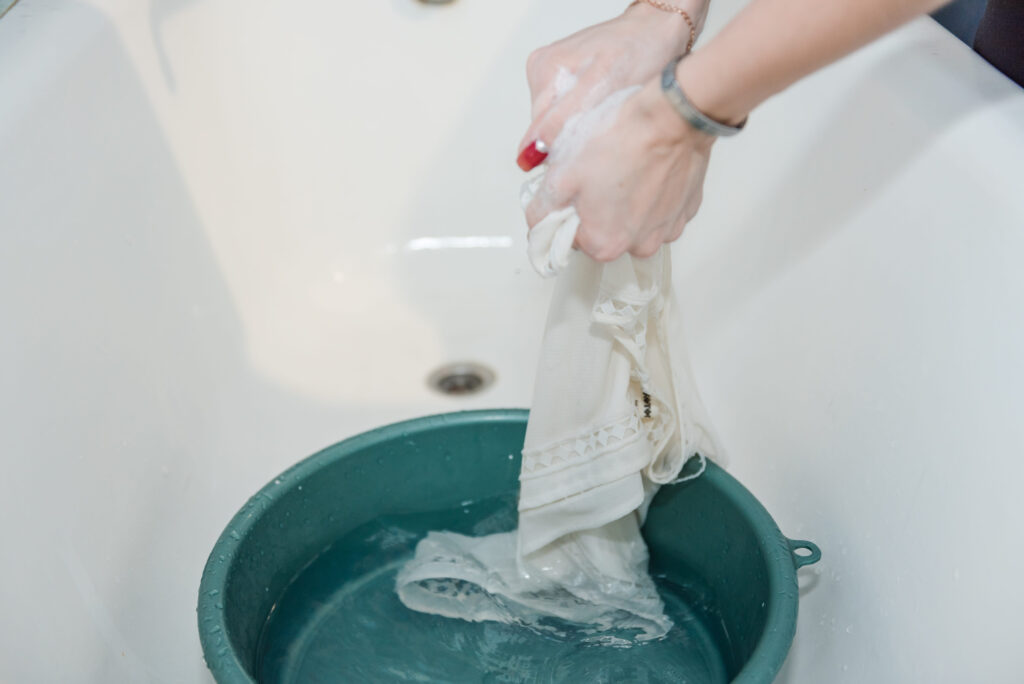
Hot water still has a place in laundry, but using it for every load is one of the fastest ways to age clothes before their time. Heat can fade dark colors, weaken elastic, shrink cotton, roughen delicate fibers, and set certain stains deeper into fabric. Many everyday loads do not need that level of heat, especially shirts, jeans, pajamas, light workout clothes, and lightly worn items.
Cold water is often enough for regular laundry and can help protect color, shape, and fabric texture. Water heating accounts for about 90 percent of the energy needed to run a clothes washer, and cold water can clean most loads well unless the items have oily stains or require stronger sanitization. That means the old belief that hotter water always means cleaner clothes is no longer reliable.
A better habit is to reserve warm or hot water for towels, bedding, heavily soiled items, white cotton that can handle it, and laundry linked to illness or body fluids. For everyday clothing, cold water plus the right detergent gives a gentler clean. This one change can help clothes last longer and reduce unnecessary wear on both fabric and utility bills.
Using Too Much Detergent
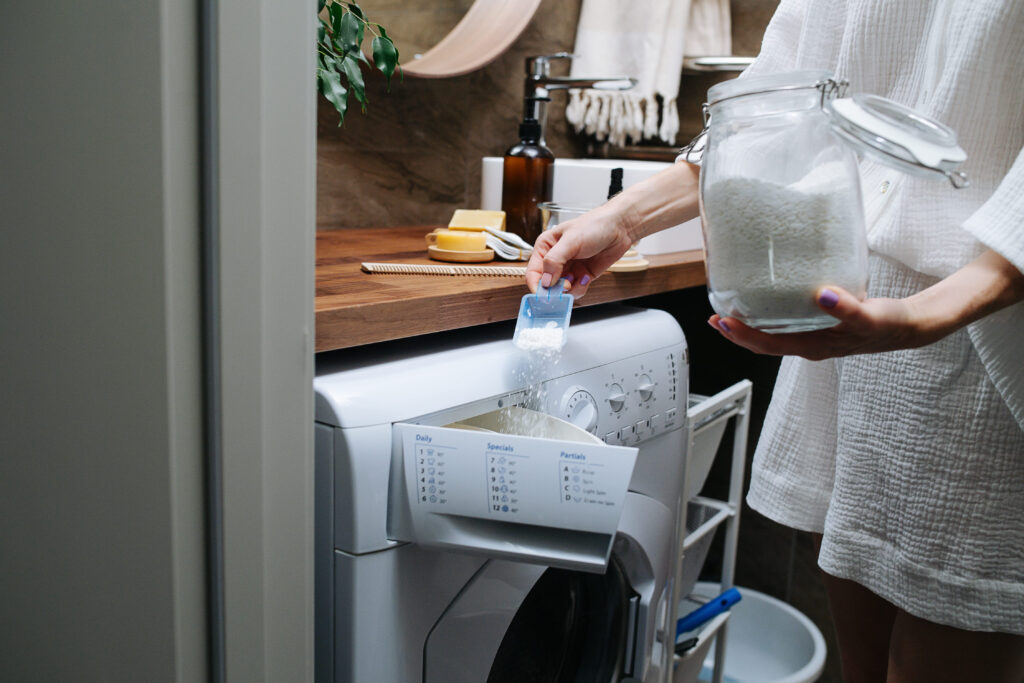
More detergent does not mean cleaner laundry. It can leave a sticky film on clothing, trap body oils, make towels feel stiff, and leave shirts smelling stale once body heat reactivates leftover residue. It can also build up inside the washer, especially in low-water machines that do not use enough water to rinse away an oversized dose.
High-efficiency washers are designed to use less water, so they need low-suds detergent and measured amounts. Too many suds can interfere with cleaning because clothes slide around in foam instead of rubbing and rinsing properly. Over time, detergent buildup can accumulate in the drum, gasket, dispenser, and drain areas, creating ideal conditions for musty odors.
The smarter habit is to measure detergent based on load size, soil level, water hardness, and the product label. For lightly worn clothing, a smaller amount is often enough. When clothes feel waxy, towels lose absorbency, or the washer smells sour, detergent buildup may already be part of the problem.
Treating Fragrance as Proof of Cleanliness
A strong laundry scent can make clothes feel fresh at first, but fragrance does not prove that the fabric is clean. Perfumes, scent boosters, dryer sheets, and heavily scented softeners can mask sweat, mildew, detergent residue, and body oil rather than remove them. The real test of clean laundry is neutral freshness, soft fabric, clear rinse results, and no returning odor after the clothes are worn.
This habit is especially risky with gym wear, towels, socks, uniforms, and synthetic fabrics. Performance fabrics can hold onto sweat and bacteria because their fibers are designed to repel water and stretch. When fragrance products coat those fibers, they can make odor harder to wash out later.
A better routine is to clean first, then scent, if used at all. Pre-treat sweat zones, avoid overloading, use the right cycle, and make sure laundry dries fully. If clothes smell clean only when they are heavily perfumed, the wash routine needs adjustment.
Doing One Giant Laundry Day
The old “laundry day” routine sounds organized, but it often leads to overloaded machines, rushed sorting, damp clothes sitting too long, and poor drying decisions. When every basket in the house is handled at once, delicate items end up with towels, dark clothes mix with lint producers, and care labels get ignored. That is how fading, pilling, shrinking, and dye transfer begin.
Large laundry days also put pressure on the washer and dryer. Overstuffed loads prevent clothes from moving freely, so water and detergent cannot circulate well. The machine may spin unevenly, clothes may come out wetter than normal, and the dryer may need extra time to finish the job.
A better system is to wash smaller, sorted loads throughout the week. We can separate towels, sheets, dark clothing, light clothing, delicate items, and activewear before they become one overwhelming pile. Smaller loads clean better, dry faster, and reduce the temptation to use a single harsh setting for everything.
Overloading the Washer
A packed washer may look efficient, but it usually creates dirtier laundry. Clothes need room to move through water and detergent. When the drum is too full, items twist together, stains stay trapped, detergent fails to spread evenly, and rinsing becomes incomplete.
Overloading also stresses the machine. Heavy wet laundry can strain the motor, suspension, bearings, and drum balance. In front-load washers, bulky loads can press hard against the door gasket, exacerbating moisture problems. In top-load washers, tightly packed items can wrap around the agitator or impeller, resulting in stretched items.
The better habit is to leave enough space for clothes to tumble or circulate. A full load should still move freely, not sit as one dense mass. Bulky items such as comforters, blankets, and rugs should be washed only when the machine capacity allows it, or taken to a larger commercial washer.
Using the Same Cycle for Every Load
The normal cycle is useful, but it is not a magic setting for every fabric. Heavy-duty cycles can be too rough for delicate clothing, fast spin speeds can stretch knits, and regular agitation can damage lingerie, rayon, silk blends, sweaters, and embellished garments. At the same time, a quick wash may not be strong enough for towels, bedding, or heavily soiled clothes.
Modern washers offer different cycles because fabrics require different levels of agitation, water levels, temperatures, and spin speeds. Delicates need gentler motion. Towels need enough time and rinsing power. Permanent press helps reduce wrinkling and stress on synthetic fibers. Bedding cycles help bulky items move more evenly.
A better habit is to choose the cycle after looking at the load, not before. Sort by fabric weight and soil level, then pick the setting that matches the most fragile or demanding item in that load. When in doubt, the care label and washer manual give better guidance than habit.
Ignoring Clothing Care Labels
Care labels are easy to overlook, but they are one of the best tools for protecting clothes. They tell us the recommended wash temperature, cycle type, bleach limits, drying method, and ironing safety. The symbols exist because fabrics behave differently under heat, friction, bleach, and tumble drying.
A shirt that looks sturdy may shrink in hot water. A sweater may lose shape in the dryer. A dress may bleed dye if washed at too high a temperature. A performance garment may lose stretch if exposed to fabric softener or high heat. Care labels are especially important for wool, linen, silk, viscose, rayon, spandex, dark denim, and clothes with prints or embellishments.
A better habit is to check labels before the first wash and group clothes by care needs. The more dots on care symbols generally indicate more heat, and more bars usually indicate a gentler cycle. Once we know which clothes need special care, we can avoid costly mistakes that happen in a single careless wash.
Leaving Wet Clothes in the Washer
Wet clothes left in the washer can develop a musty smell quickly, especially in warm or humid spaces. That odor often comes from moisture sitting too long in fabric and inside the washer drum. Once the smell develops, a normal dryer cycle may not remove it, and clothes may need to be washed again.
This habit can also feed a washer odor. Front-load washers are especially prone to moisture lingering in the gasket, detergent drawer, and drum. When wet laundry sits for hours, the washer stays damp longer, which can encourage mildew-like smells.
A better habit is to move clothes to the dryer or drying rack as soon as the cycle ends. If laundry has sat too long and smells stale, rewashing with proper detergent and full drying is better than covering the odor with fragrance. After unloading, leave the washer door or lid open to allow the drum to dry.
Using Fabric Softener on Everything
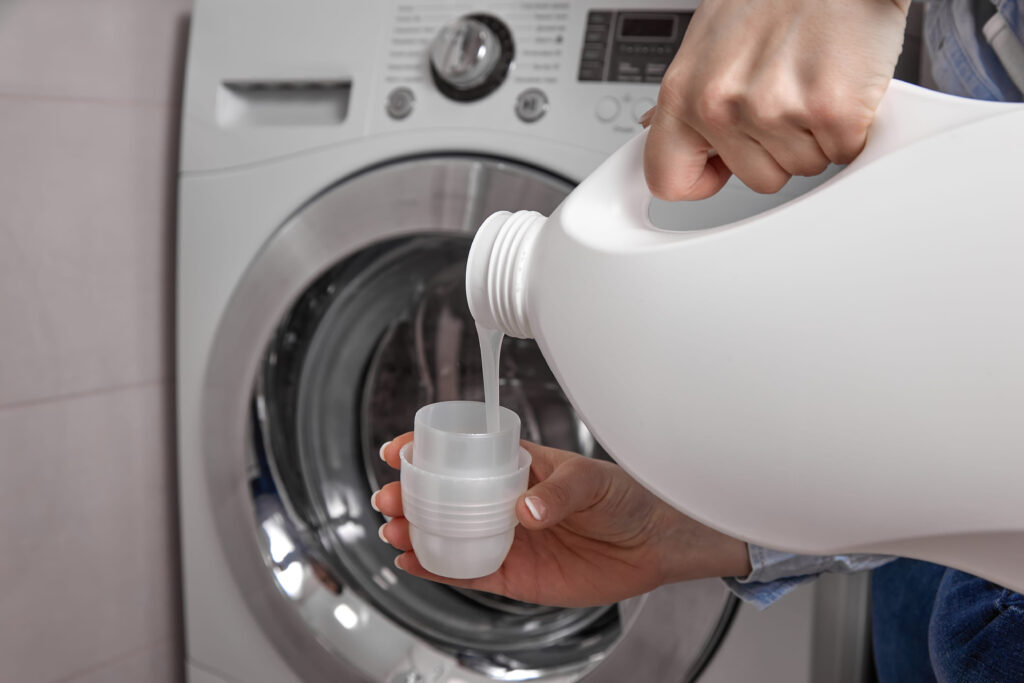
Fabric softener can make clothes feel smooth, but using it on every load can cause problems. It coats fibers, and that coating can reduce towel absorbency, trap odors in activewear, irritate sensitive skin, and make certain fabrics feel waxy over time. It can also contribute to a buildup in the washer, especially when paired with too much detergent.
Towels are one of the biggest victims of this habit. They may feel fluffy at first, then slowly become less absorbent and more prone to sour smells. Athletic clothing can also suffer because fabric softener may interfere with moisture-wicking fibers. Baby clothes, flame-resistant sleepwear, microfiber cloths, and cleaning rags usually perform better without softener.
A better habit is to use fabric softener sparingly, or skip it for towels, sportswear, microfiber, and sensitive skin loads. Dryer balls, proper rinsing, lower dryer heat, and avoiding detergent overload can keep laundry comfortable without coating every fiber.
Forgetting to Clean the Washing Machine
A washing machine cleans laundry, but it does not automatically clean itself. Detergent residue, lint, minerals, body oils, pet hair, and moisture can collect inside the drum, gasket, filter, dispenser, and drain areas. If the washer smells bad, the clothes coming out of it are never truly getting the clean start they need.
This is one reason clean laundry can still smell musty even after detergent use. The odor may not be coming from the clothes at first. It may be coming from the machine. High-efficiency washers use less water, so residue management is even more important. ENERGY STAR-certified washers use much less water and energy than standard washers, which makes correct detergent use and maintenance especially important.
A better habit is to run a washer cleaning cycle regularly, wipe the door gasket, clean the detergent drawer, check the filter when the manual recommends it, and leave the door open after use. The washer should smell neutral, not sour, perfumed, or damp. Clean machines produce cleaner clothes.
Drying Everything on High Heat

The dryer can damage clothes faster than the washer if every load gets blasted with high heat. Heat can shrink cotton, weaken elastic, fade colors, bake in stains, roughen fibers, and make synthetic fabrics hold odors. It can also wear down towels, sheets, and everyday clothing sooner than necessary.
High heat is useful for some sturdy items, but it is not the best default. Delicates, knits, denim, bras, workout wear, printed shirts, and dark clothes often last longer when dried at low heat, air-dried, or with a shorter drying time. Air drying can save energy and help clothes last longer.
A better habit is to sort before drying, not just before washing. Heavy towels should not dry with lightweight shirts. Delicates should not tumble with jeans. Clothes should come out dry, not scorched. Removing items while slightly damp and letting them finish on hangers can reduce wrinkles and protect fabric s