Home staging is an essential tool when selling your home. It helps buyers imagine themselves living in the space and allows the property to showcase its full potential. Proper staging can also improve the home’s sale price and reduce time on the market.
According to recent studies, homes that are staged properly are more likely to sell faster and for a higher price. But many sellers make critical mistakes that can impact their success. Here are 10 home staging mistakes to avoid to ensure your home appeals to potential buyers.
Staging the Home Around Personal Taste Instead of Buyer Psychology

One of the biggest mistakes is staging a home to reflect personal style rather than appealing to the target buyer. Sellers often leave in family photos, bold colors, and sentimental décor, but these items don’t help buyers imagine their own life in the home. Buyers want to envision their family routines, not the current owner’s memories.
By removing personal items, you create a neutral space that allows buyers to picture themselves living there. It’s important to remember that staging is about marketing the home, not showcasing your personal preferences.
Ignoring the Local Real Estate Style Buyers Expect

Each neighborhood and market has its own expectations when it comes to home décor. Staging a home with a style that doesn’t align with the local aesthetic can turn buyers off. For example, a beach home may need light colors and coastal themes, while a mountain retreat might need earthy tones and rustic furniture.
Understanding the local trends and staging accordingly can make the property feel like a natural fit for buyers in that area. If you’re unsure, research what other homes in the area look like or look for inspiration online.
Waiting Until the Last Minute to Fix Visible Problem Areas
Home staging cannot hide visible problems that need attention. Issues like unfinished projects, peeling paint, or broken fixtures will stick out to buyers. These flaws can make the property feel unmaintained and can even lower its perceived value.
Starting staging preparations months before listing gives you the chance to make necessary repairs and improvements. Sellers should focus on finishing any DIY projects and fix any areas that may give the wrong impression.
Using the Garage, Basement, or Closet as a Clutter Dump
When staging a home, it’s crucial to remember that storage spaces also count. Sellers often use the garage, basement, or closets as a dumping ground for excess items. However, cluttered storage areas suggest the home lacks space and organization.
Buyers want to see that there is enough room for all their belongings. Staging includes ensuring that storage areas are clean, organized, and decluttered to give a sense of spaciousness.
Leaving the Living Room, Primary Bedroom, and Kitchen Understaged
Sellers should prioritize staging the most important rooms in the house. The living room, primary bedroom, and kitchen are the spaces where buyers form the strongest opinions. A well-staged living room should invite conversation and show off the space’s potential.
The primary bedroom should feel restful and relaxing, while the kitchen should highlight functionality and cleanliness. These rooms sell the lifestyle of the home and need to be showcased to their fullest.
Forgetting That Smell Can Kill a Showing Fast
First impressions are crucial when buyers walk through a home, and smell plays a big part. Unpleasant odors can immediately turn off a potential buyer and leave a negative impression of the entire property.
Common sources of bad smells include pets, cooking, and mold. To avoid this, sellers should ensure that the home is well-ventilated, clean, and free of lingering odors. Having a friend or agent walk through the property to assess the smell can help identify any issues before showings.
Leaving Bathrooms Too Personal, Too Dark, or Too Lived In
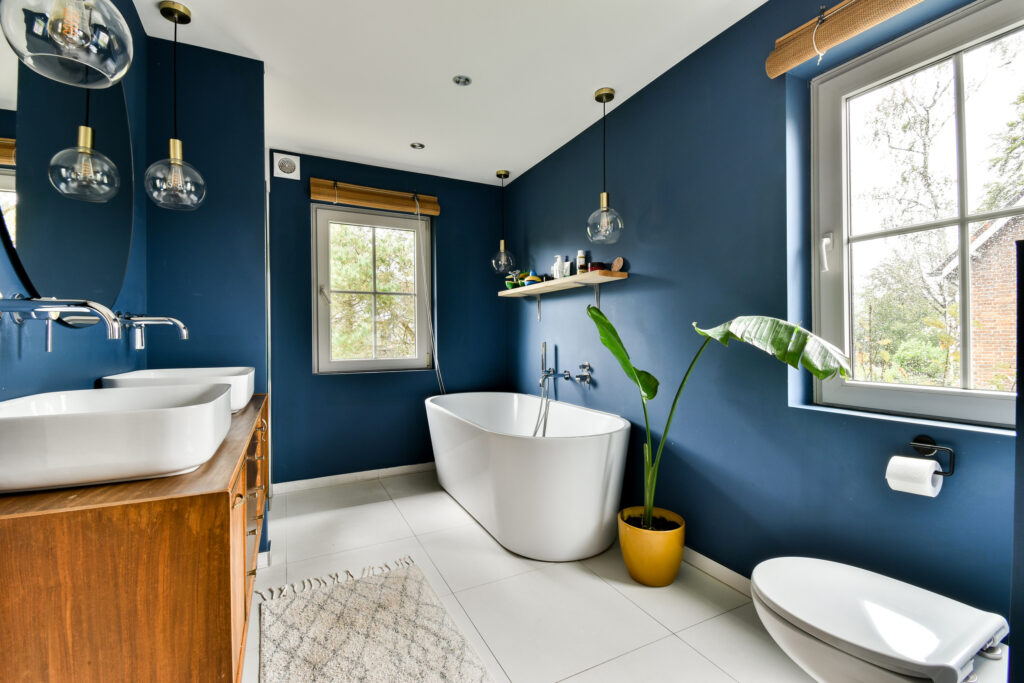
Bathrooms are key areas that buyers pay attention to. A messy or outdated bathroom can make a home feel less appealing. Sellers should focus on making bathrooms feel clean, fresh, and inviting by removing personal items like toiletries and towels.
Light-colored towels, a fresh shower curtain, and new light fixtures can make a big difference. Ensuring that bathrooms are well-lit and spotless will make them more attractive to buyers.
Letting Pets Dominate the Buyer’s Experience
While pets are part of the family, they can leave behind smells and evidence that may deter potential buyers. Buyers may not want to see pet beds, toys, or chewed-up bones during a showing. Sellers should remove pet-related items before showings to create a neutral environment.
This includes cleaning up pet hair, removing litter boxes, and taking pets out of the home during showings. Staging the home without pet distractions helps buyers focus on the property, not the seller’s animals.
Overdecorating Until Rooms Feel Smaller
It’s easy to make the mistake of overdecorating in an attempt to fill up space, but this can make rooms feel cluttered and smaller. Too much furniture or excessive décor takes away from the room’s natural flow and can make it feel cramped.
The goal is to make rooms feel open, airy, and spacious. Sellers should remove unnecessary pieces and keep the décor minimal to showcase the room’s size. The key is to create balance and allow buyers to imagine how they would use the space.
Using Virtual Staging Without Managing Buyer Expectations
Virtual staging can enhance empty rooms in photos, but it can also lead to disappointment if not handled correctly. If virtual staging is used, it’s important to disclose this to potential buyers and ensure they understand the photos may not reflect the actual condition of the space.
If buyers feel misled by digitally altered images, they may lose trust in the listing. To avoid confusion, sellers should clearly indicate when virtual staging has been used and ensure the actual showing matches the expectations set by the photos.
The Smarter Home Staging Strategy Sellers Should Follow
Staging a home involves more than just a few touches here and there. To make the biggest impact, sellers should start with decluttering, cleaning, and addressing any visible issues before diving into décor.
A well-organized, clean home with a neutral and welcoming atmosphere will appeal to a wider range of buyers. Proper staging should enhance the home’s features, not overwhelm them. With a strategic approach, sellers can increase their chances of attracting strong offers and securing a quick sale.