Ladybugs are not just charming creatures that add color to your garden; they also play a crucial role in keeping pests like aphids in check. But, attracting them to your yard isn’t always as easy as it sounds. In fact, there are several common mistakes that can keep ladybugs from making themselves at home in your space. If you’re looking to welcome these beneficial insects into your garden, make sure you’re not making these critical missteps. Here’s what you might be doing wrong when trying to attract ladybugs to your yard.
Ignoring the Right Plants
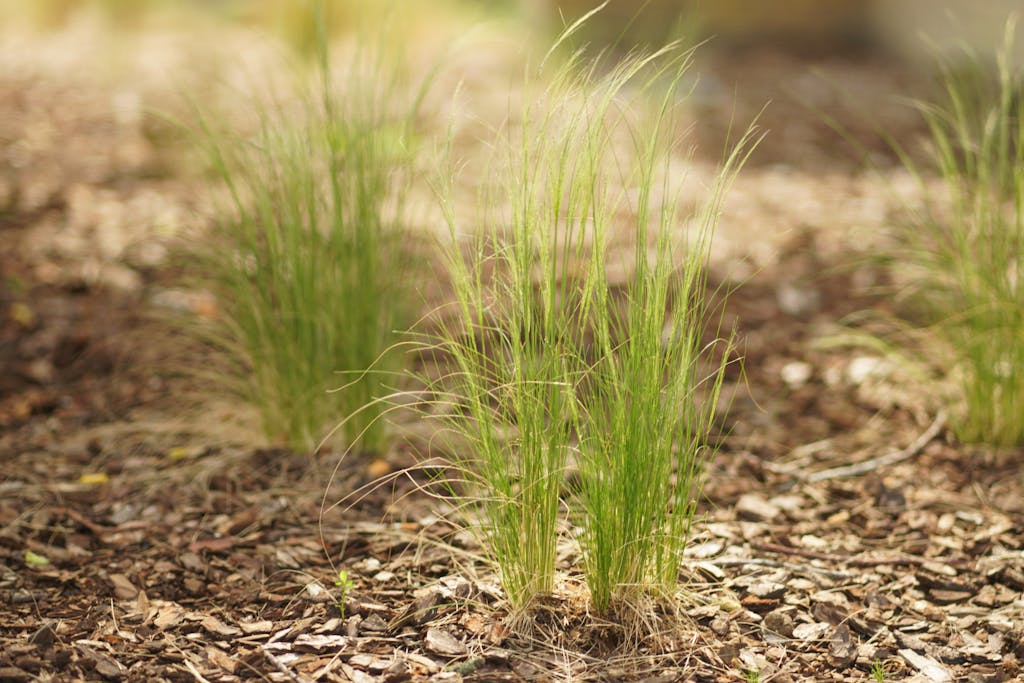
Ladybugs are attracted to certain plants, especially those that provide food for their larvae, such as aphids, and other small insects. However, one of the biggest mistakes gardeners make is planting the wrong types of vegetation. If your garden doesn’t offer these essential food sources, ladybugs won’t stick around.
To attract ladybugs, it’s important to fill your garden with plants that encourage aphid infestations or provide nectar-rich flowers. Plants like dill, fennel, cilantro, and lavender are great choices for attracting ladybugs. Avoid planting too many large flowers that might attract other insects, like bees or butterflies, without appealing to the ladybug’s preferences.
Overusing Pesticides
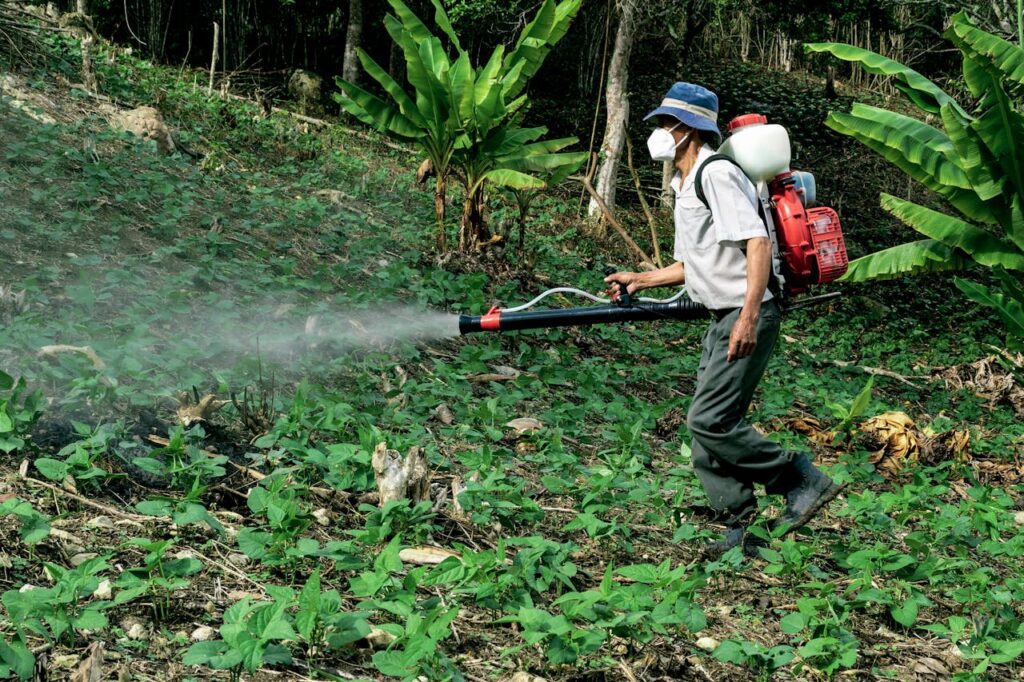
It’s no surprise that pesticides are one of the most common culprits when it comes to deterring ladybugs. While pesticides are meant to eliminate harmful pests, they can also eliminate the food sources that ladybugs rely on for survival, making your garden less hospitable to them. Overusing pesticides or choosing broad-spectrum options can unintentionally harm or kill ladybugs along with their prey.
To create an environment conducive to ladybugs, opt for organic pest control methods, such as introducing natural predators or using insecticidal soap. When using any type of pesticide, be sure to apply it sparingly and only when absolutely necessary. Allowing ladybugs to thrive in your garden means giving them the space and food they need to do their job naturally.
Lack of Shelter
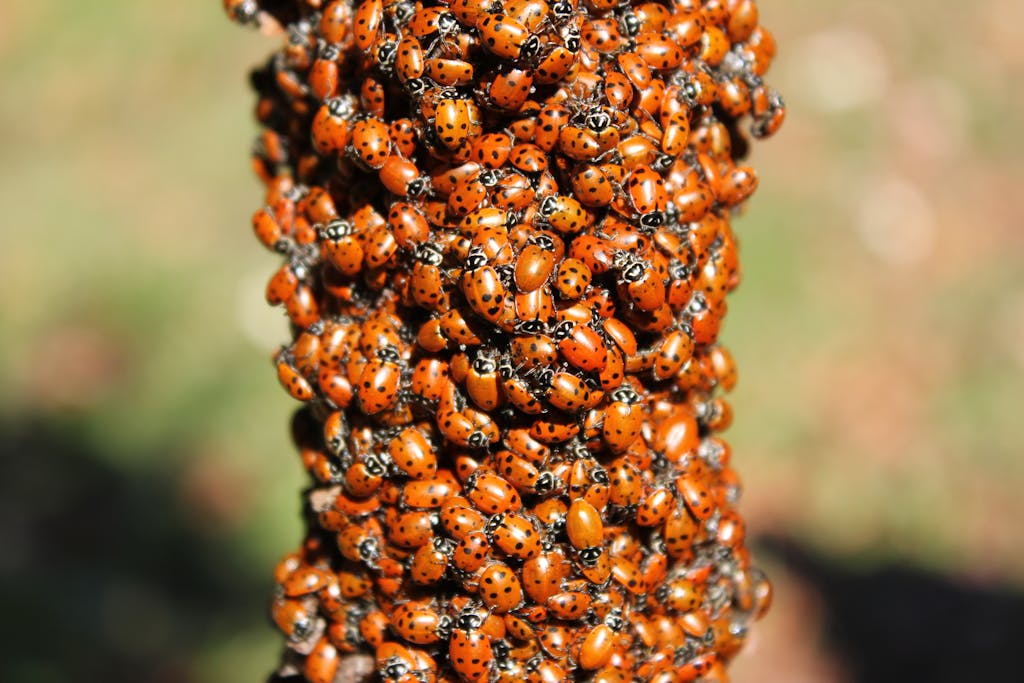
Ladybugs love to find shelter in warm, protected areas where they can hide during colder months or when there’s a lack of food. Many gardeners overlook the importance of creating sheltered spots where ladybugs can rest. Without shelter, ladybugs are unlikely to stay in your yard, no matter how many aphids you attract.
Creating shelters can be as simple as leaving piles of leaves, sticks, or other natural debris around your garden. Planting shrubs or small trees can also help provide shaded areas for ladybugs to take refuge. In addition to providing food, your garden needs places where ladybugs can shelter from the elements to remain comfortable and safe.
Failing to Provide Water Sources
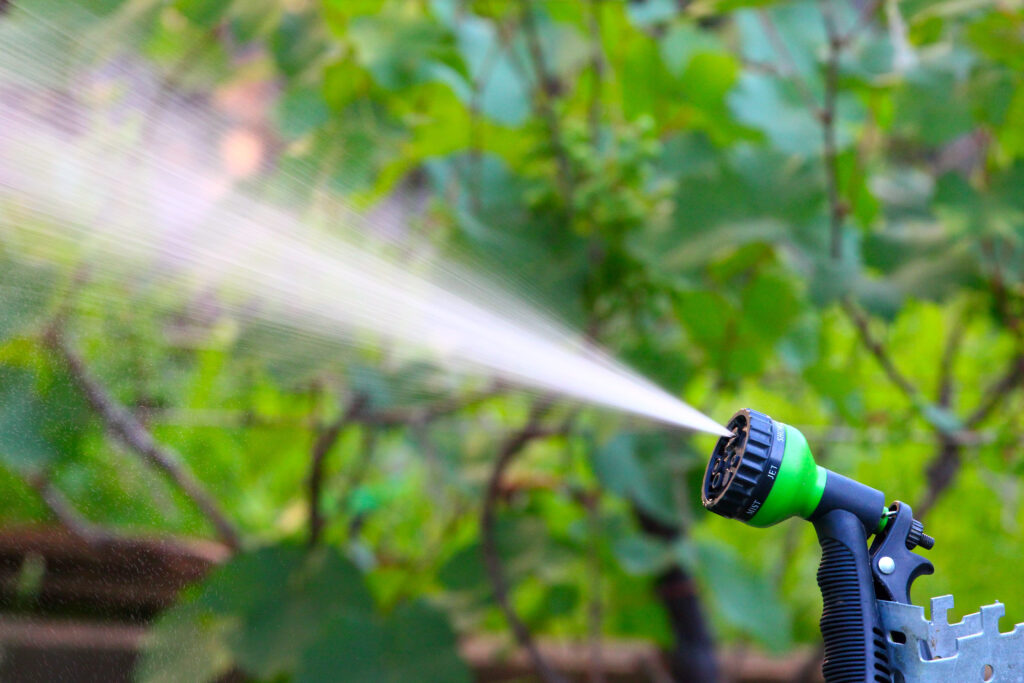
Water is an essential resource for all living creatures, including ladybugs. If your garden doesn’t have a water source, it can make it much more difficult for ladybugs to settle in. However, this is another common mistake that gardeners make. Many think that ladybugs only need food and shelter, but they also need access to fresh water.
To attract ladybugs, place shallow containers with water around your garden. A small birdbath, saucer, or dish can do the trick. Add a few small stones to create landing spots for the ladybugs, and keep the water clean to prevent mosquito breeding.
Choosing the Wrong Time to Release Them
Another common mistake is releasing ladybugs at the wrong time. Many gardeners buy ladybugs and simply release them, thinking they will naturally find their way into the garden. However, releasing ladybugs at the wrong time can reduce their chances of surviving in your yard.
Ladybugs are most active during the warm spring and summer months and are naturally drawn to areas where aphids and other pests are abundant. If you release them in the middle of winter or on a cold, rainy day, they’re less likely to stick around. The best time to release ladybugs is during warm, dry conditions when they are most likely to find food sources and settle in. Try to release them in the early morning or early evening, when the weather is calm and favorable to their survival.
Neglecting Natural Habitat Diversity
Ladybugs thrive in a diverse habitat where various plants, trees, and flowers provide not only food but also a variety of microhabitats. If you have a uniform garden with only a few plant types, it can feel like a barren landscape to ladybugs. They’re more likely to be attracted to environments with many different plant species, creating a rich ecosystem that supports a variety of insect life.
To attract ladybugs, diversify the plants in your garden by mixing flowers, herbs, shrubs, and trees that appeal to a range of insect species. Native plants are a great option because they provide a natural habitat for local wildlife, including ladybugs. With a greater variety of plants, you create an environment that supports not only ladybugs but also other beneficial insects.
Not Being Patient Enough
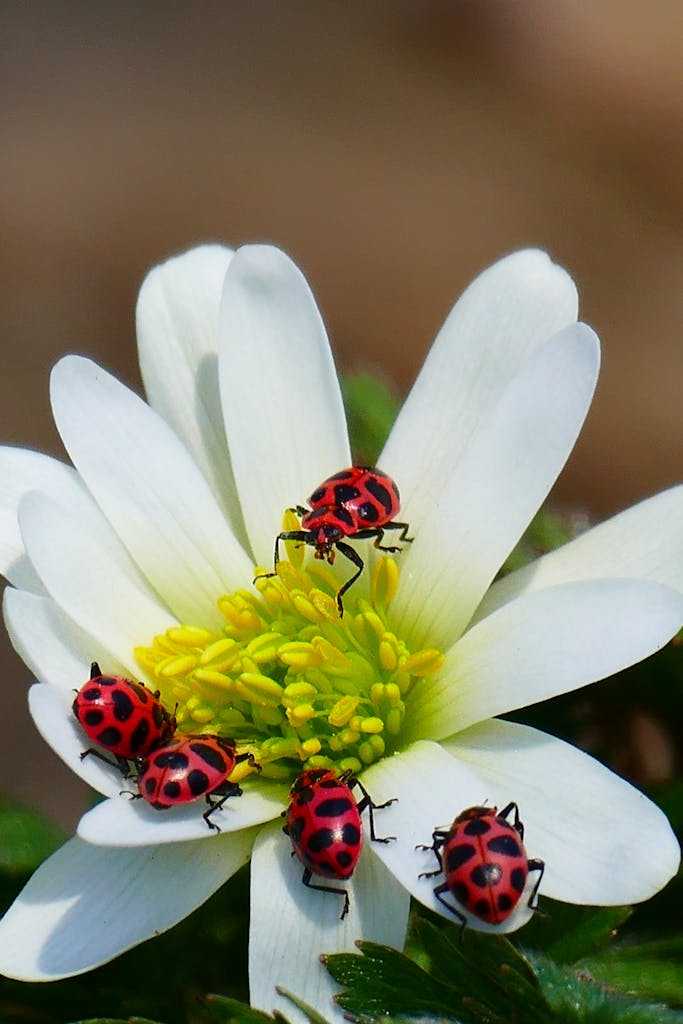
Finally, one of the biggest mistakes you can make when trying to attract ladybugs is expecting instant results. It can be frustrating to plant the right flowers, stop using pesticides, and provide shelter, only to see little to no activity. However, ladybugs don’t always show up immediately, and they may take time to discover your garden.
Patience is key when trying to attract ladybugs. It may take several weeks or even months for ladybugs to find your yard and settle in. Continue providing a welcoming environment and trust that they will eventually make their way to your garden. Keep your garden healthy, vibrant, and well-maintained, and the ladybugs will come, even if it takes a little longer than expected.
Conclusion
Ladybugs are beneficial insects that help keep your garden free of pests. However, if you want to attract them to your yard, you need to avoid these common mistakes. Create a welcoming environment by planting the right vegetation, avoiding excessive pesticide use, providing shelter, water sources, and a variety of plants. Be patient and allow ladybugs time to find their way to your garden. With a little effort and care, ladybugs will help you maintain a healthy, pest-free garden.