Pepper plants can be heartbreakers. They look tough in the seed catalog, bright, glossy, fiery, and full of promise, then one bad planting spot turns them into short, sulking plants with curled leaves, dropped flowers, and fruit that never seems to size up. The mistake usually starts before the first pepper appears. We choose the wrong corner, reuse the wrong bed, crowd them beside the wrong plants, or tuck them into soil that stays too cold, too wet, too shady, or too disease-prone.
Peppers are not complicated, but they are particular. They want warmth, sunlight, drainage, airflow, steady moisture, and soil that supports fruiting rather than endless leafy growth. University extension guidance consistently points to the same basics: peppers need warm conditions, full sun, healthy soil, crop rotation, dry leaves, and careful watering to perform well.
Never Plant Peppers in Deep Shade
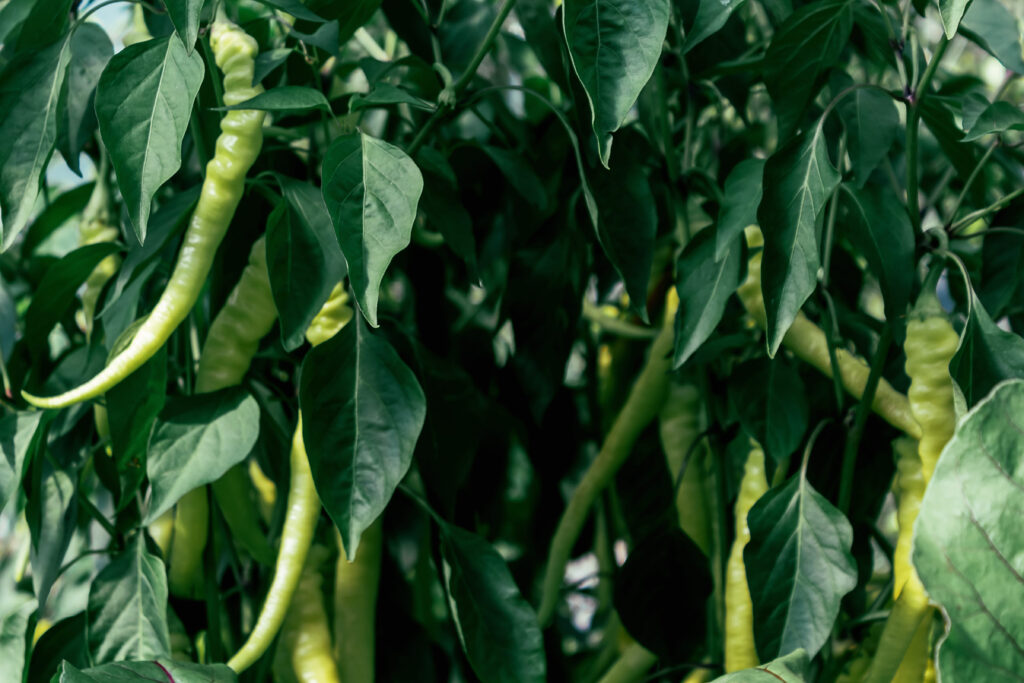
Peppers should never be planted in a shady corner and expected to produce like sun-grown plants. A pepper plant may survive with weak light, but survival is not the same as a harvest. Low light slows growth, reduces flowering, weakens stems, and results in smaller-than-expected fruit. A plant that should be loading up with bell peppers, jalapeños, banana peppers, or serranos may spend the season looking green but unproductive.
We should place peppers where they receive at least 6 to 8 hours of direct sunlight each day. The University of Minnesota’s raised bed guidance specifically recommends full-sun locations for peppers, tomatoes, and eggplants, with 6 to 8 hours of sunlight as the target. Shade from fences, sheds, trees, tall corn, trellised beans, or overgrown tomatoes can quietly steal that light. If we only have partial shade, lettuce, scallions, radishes, microgreens, and baby greens are better choices for that space than peppers.
Never Plant Peppers Beneath Trees
The space beneath trees may look open, but it is one of the worst places to plant peppers. Tree canopies reduce sunlight. Tree roots compete for water and nutrients. The soil often stays dry near the surface, then suddenly turns soggy after heavy rain because root-filled soil does not drain evenly. Peppers dislike all of that because they need steady access to moisture, warmth, and light.
This becomes even riskier under black walnut trees. Iowa State University notes that some plants, including members of the tomato family such as tomato, potato, eggplant, and pepper, have been observed growing poorly near walnuts, though symptoms can also come from shade and dry soil under tree canopies. We should not gamble with our best pepper transplants under trees. A sunny raised bed, a large container, or an open garden row will give them a far better chance.
Never Plant Peppers in Cold Soil
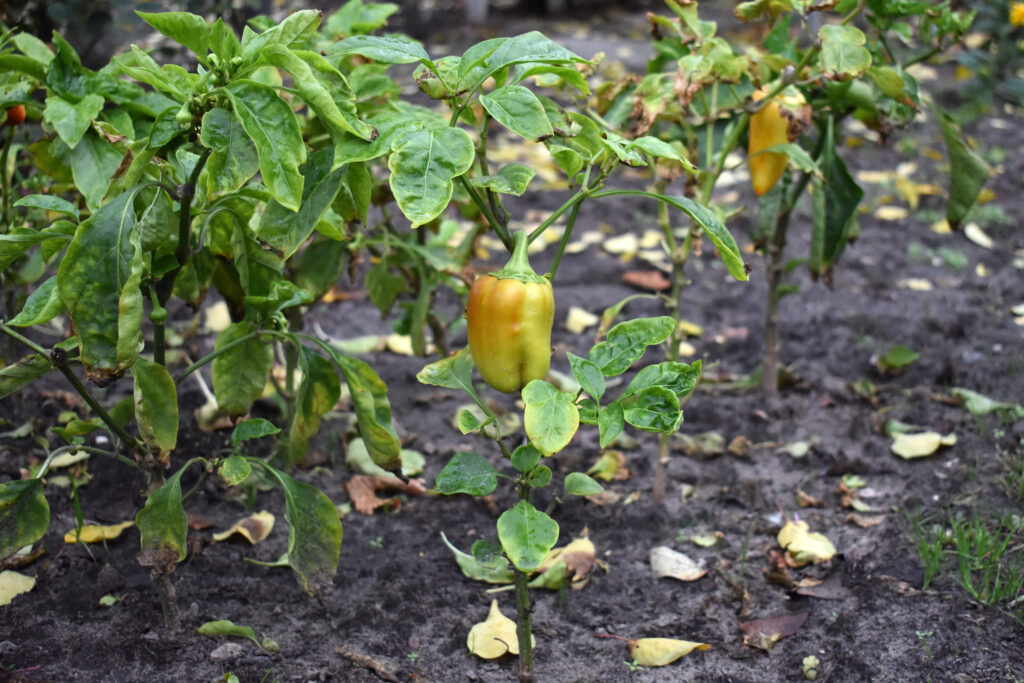
Peppers are warm-season crops, so cold soil can stunt them before they ever get started. A chilly bed delays root growth, slows nutrient uptake, and makes transplants sit in place for weeks. Gardeners often blame weak seedlings, but the real problem is timing. Peppers planted too early may survive, yet they often struggle to catch up with peppers planted later into warmer soil.
The University of Minnesota recommends transplanting peppers after the last frost and notes that warm-season crops need soil temperatures between 50 and 60 degrees Fahrenheit, while its pepper guide says transplants should go outdoors after nighttime lows are above 50 degrees Fahrenheit. We should avoid low, cold garden pockets, north-facing beds, and early-spring soil that still feels damp and chilly. If we want earlier planting, black plastic mulch or raised beds can help warm the soil, but the goal remains the same: warm roots before strong growth.
Never Plant Peppers in Soggy Low Spots
A low spot that collects water after rain is a terrible home for peppers. Wet soil pushes oxygen away from roots, slows root function, and encourages disease problems. Pepper roots need moisture, but they do not want to sit in standing water. A plant in waterlogged soil may yellow, wilt during the day, drop flowers, or develop weak growth even when the bed looks “well watered.”
Illinois Extension recommends choosing loose, rich, level, well-drained soil for vegetables and avoiding areas where water stands or where soil stays wet. We should check the garden after a heavy rain before planting. If puddles remain for hours, that spot needs drainage improvement, compost, raised rows, or a raised bed. Peppers reward steady moisture, not swampy roots.
Never Plant Peppers in Last Year’s Tomato Bed
Peppers belong to the same plant family as tomatoes, potatoes, eggplants, tomatillos, and ground cherries. That means they share several risk factors for disease. When we plant peppers where tomatoes or other nightshades recently grew, we may be placing new transplants into soil that already contains disease pressure from the previous crop.
The University of Minnesota recommends planting where no member of the same plant family has grown for 2 to 4 years, and its disease guidance identifies chili peppers, bell peppers, eggplant, potatoes, tomatillos, and tomatoes as members of the tomato family. For bacterial spot of tomato and pepper, the same source recommends planting tomatoes where no tomatoes, potatoes, peppers, or eggplants have grown for the past 3 to 4 years. A clean rotation is one of the simplest ways to keep peppers stronger without reaching for fixes later.
Never Plant Peppers Where Early Blight Has Been a Problem
Early blight is usually discussed in the context of tomatoes and potatoes, but peppers can also be infected. The disease is encouraged by wet conditions, contaminated plant debris, splashing soil, and poor airflow. Once spores are present, the lower leaves are often the first to suffer because rain or irrigation splashes soil onto the foliage.
University of Minnesota guidance states that early blight pathogens can infect tomatoes, potatoes, peppers, and some Solanaceae weeds, and it recommends waiting two years before planting tomatoes or peppers in the same location. We should avoid planting peppers in beds where diseased tomato leaves were left behind, where nightshade weeds grew heavily, or where mulch was missing and soil splashed freely. A cleaner bed with mulch, airflow, and rotation gives peppers a much better start.
Never Plant Peppers in Crowded Beds
Crowding peppers is one of those mistakes that looks efficient in May and expensive in August. Tight spacing reduces airflow, keeps leaves wet longer after rain, and makes disease easier to spread. It also makes harvesting more difficult, masks insect pressure, and forces plants to compete for light, water, and nutrients.
The University of Minnesota’s disease management guidance recommends proper spacing, staking, mulching, and watering to limit fungal and bacterial growth, noting that these organisms thrive in humid conditions. Peppers should have enough room for air to move between plants. We should also avoid squeezing them between sprawling squash, huge tomato cages, pole beans, or dense herbs that turn the bed into a humid wall of leaves. A slightly wider spacing often produces healthier plants and cleaner fruit.
Never Plant Peppers Where Overhead Watering Soaks the Leaves
Peppers should not be placed where sprinklers hit the foliage every morning, afternoon, or evening. Wet leaves create the kind of humid leaf surface many diseases love. The issue worsens when plants are crowded, shaded, or watered late in the day, as leaves stay wet longer.
The Ohio State University Extension recommends watering early so leaves dry completely and using drip irrigation or soaker hoses to apply water directly to the soil. It also warns gardeners to avoid standing water. We should plant peppers where we can water the root zone, not blast the leaves. Drip lines, soaker hoses, watering wands aimed at the base, and mulch all help keep moisture where peppers need it most.
Never Plant Peppers in Untested Soil With the Wrong pH
A pepper bed can look rich and still be chemically wrong. Soil pH affects nutrient availability, which means peppers may struggle even when fertilizer is present. Too acidic or too alkaline soil can lock up nutrients, leading to weak growth, pale leaves, poor flowering, and disappointing fruit production.
The University of Minnesota says peppers do best in soil with a pH between 6.5 and 7, while Ohio State University Extension gives a slightly acidic target range of 6 to 6.8. The smart move is to test the soil before planting. We should not guess with lime, sulfur, wood ash, or heavy fertilizer. A soil test turns the pepper bed from a gamble into a plan.
Never Plant Peppers in Fresh Manure or Overfed Nitrogen Beds
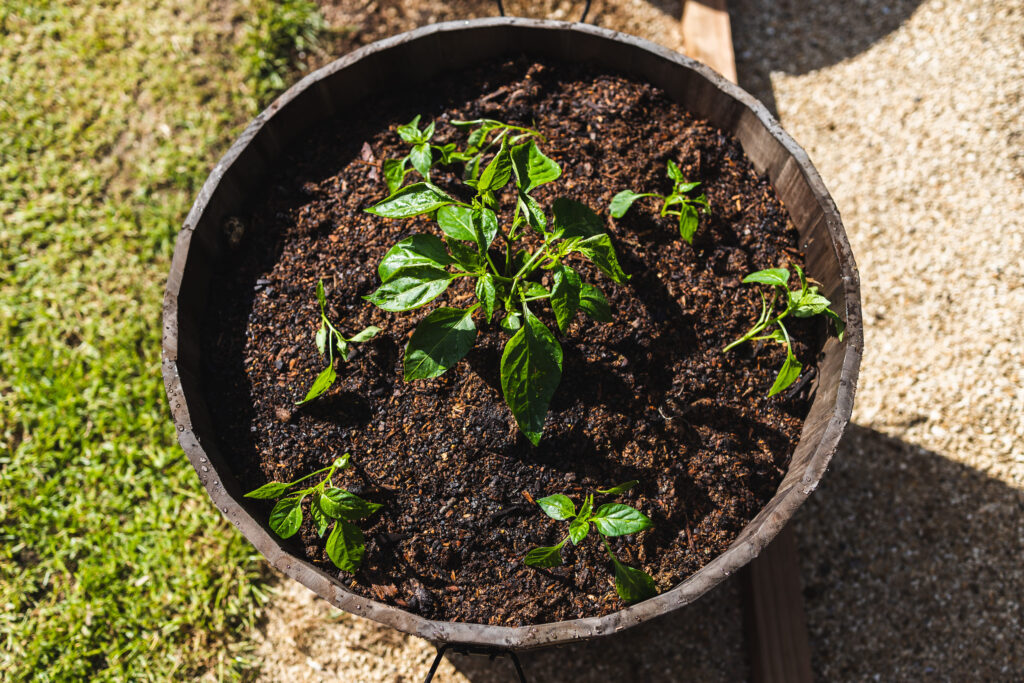
Peppers need fertility, but too much richness can backfire. A bed loaded with fresh manure or heavy nitrogen can push leafy growth at the expense of flowers and fruit. The plant may look lush, but the harvest can lag. Fresh manure can also introduce weed seeds and food safety concerns.
The University of Minnesota recommends improving soil with well-rotted manure or compost, but it warns against fresh manure because it may contain harmful bacteria and increase weed problems. The same pepper guide also notes that too much nitrogen can lead to bushy, leafy plants that are slow to bear fruit. We should feed peppers for balanced growth, not explosive leaf production. Compost, soil-test-based fertilizer, and steady watering work better than turning the pepper bed into a nitrogen buffet.
Never Plant Peppers in Tiny Containers
Peppers can grow beautifully in containers, but tiny pots are a trap. Small containers dry out fast, heat up fast, and limit root growth. A pepper plant in a cramped pot may wilt daily, drop blossoms, and produce fewer fruits because it cannot maintain a stable moisture and nutrient balance.
Raised beds and containers behave differently from in-ground beds. University of Minnesota guidance notes that raised beds can dry out more quickly than surrounding soil, especially taller beds, which means they often need more frequent watering. Containers dry out even faster. We should use roomy pots with drainage holes, quality potting mix, and a watering routine that keeps soil evenly moist without leaving roots waterlogged.
Never Plant Peppers on Heat-Blasted Pavement Without Protection
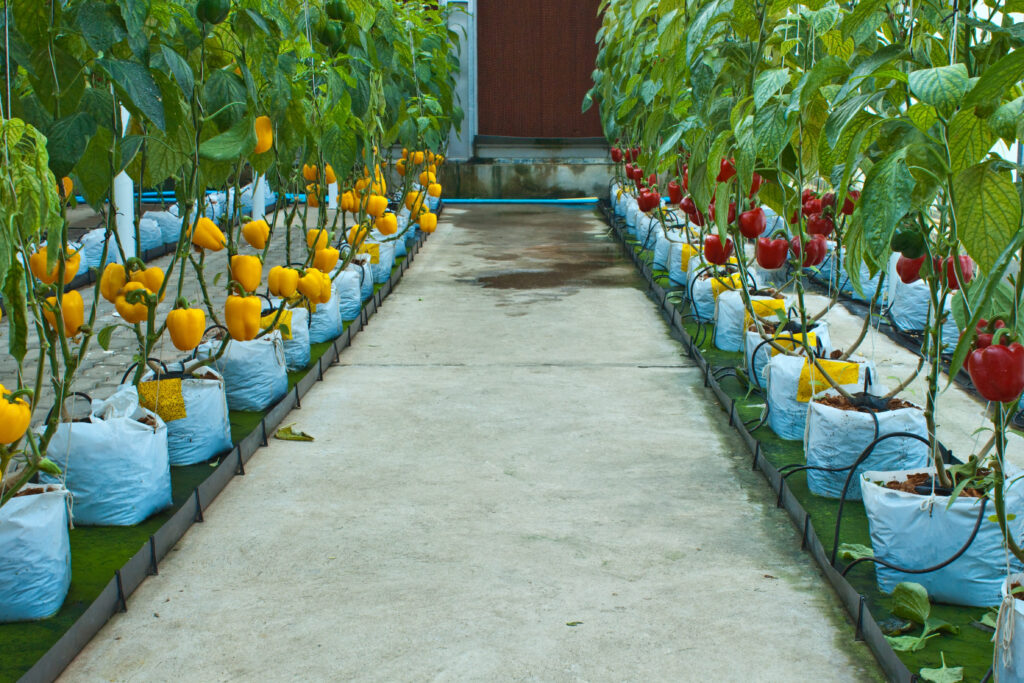
Peppers love warmth, but extreme reflected heat can stress them. Patios, driveways, brick walls, metal fences, and concrete walkways can create harsh microclimates. The soil or potting mix may dry out quickly, flowers may drop, and fruit may develop sunscald when plants are small or leaf cover is thin.
The University of Minnesota notes that sunscald can occur when developing peppers are exposed to intense direct sunlight, resulting in flat, tan, damaged areas on the fruit. It also notes that hot days and hot nights can cause pepper flowers to drop, reducing fruit production. We do not need to avoid patios completely, but we should avoid placing peppers where containers bake all day with no moisture buffer. Larger pots, mulch, morning sun, airflow, and consistent watering can make a hot patio much safer.
Best Place to Plant Peppers Instead
The best pepper location is simple: full sun, warm soil, good drainage, clean rotation, steady water, and enough room for airflow. We should choose a bed that has not been used for tomatoes, potatoes, eggplants, or peppers in the past few weeks. The soil should be loose, fertile, slightly acidic to neutral, and improved with compost rather than fresh manure. Water should reach the roots easily, but the foliage should stay as dry as possible.
A raised bed can be excellent when the yard has compacted soil, poor drainage, or contamination concerns. University of Minnesota guidance notes that raised beds can help in wet, compacted, or disturbed soils, and they warm faster in spring. Still, raised beds need close watering because they dry faster. The best pepper bed is not just sunny. It is sunny, warm, clean, drained, watered, and planned.