A bare backyard can look harmless until spring rolls around, and you realize it is producing nothing except weeds, dry patches, and weekend chores. That is the quiet frustration of many outdoor spaces. They demand work, water, and attention, yet give almost nothing back. Berry bushes change that story fast because the right varieties can turn a plain yard into a small fruit-producing corner that feels useful, pretty, and surprisingly low-maintenance.
The best part is that you do not need to be a gardening expert to start. Some berry plants are forgiving, hardy, and happy to grow with basic care. With enough sun, decent soil, mulch, and steady watering in the first season, they can reward you year after year. These five easy berry bushes and berry plants are smart choices for beginners who want fresh fruit without turning gardening into a second job.
Thornless Blackberries

Thornless blackberries are one of the easiest berry bushes to grow if you want a plant that feels generous without being dramatic. Traditional blackberry canes can be scratchy and aggressive, but thornless varieties make the whole experience much easier. You can prune them, pick from them, and train them without feeling like you wrestled a wild animal afterward.
They are also a strong choice for gardeners with imperfect soil. Blackberries are known for being adaptable, and once established, they can handle less-than-ideal conditions better than fussier fruit plants. That makes them helpful for beginners who are still learning how their yard behaves through heat, rain, and dry spells.
For the best results, plant thornless blackberries in a sunny spot with room to spread. They do well with support, so a simple trellis or fence line can keep the canes organized and make harvesting easier. Mulch around the base to hold moisture and reduce weeds. By the time the berries ripen, you get the kind of sweet, dark fruit that makes store-bought berries feel painfully overpriced.
Everbearing Raspberries
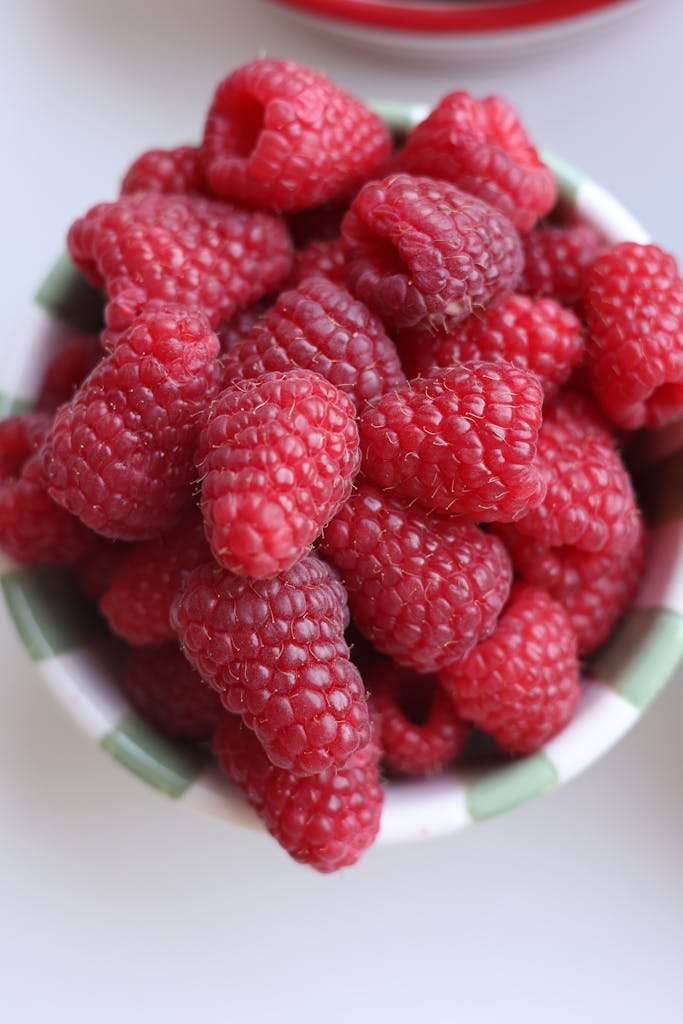
Raspberries are the kind of plant that can make a beginner gardener feel successful quickly. Everbearing varieties are especially appealing because they can produce fruit over a longer season, rather than giving you a single short burst and then disappearing. That means more chances to pick fresh berries and more reward for the space they take up.
These plants are also fairly resilient once they settle in. Spring planting gives them time to build strong roots before harsher weather arrives. They can bounce back from small mistakes, which matters when you are still figuring out watering, pruning, and spacing. A plant that forgives you a little is always a gift.
Raspberries need sunlight, airflow, and space between canes. Crowding them can create weak growth and disease problems, so resist the urge to cram too many into one corner. Keep the patch tidy, remove old canes when needed, and use mulch to keep weeds down. With simple care, raspberries can become one of the most reliable fruit producers in the garden.
Highbush Blueberries
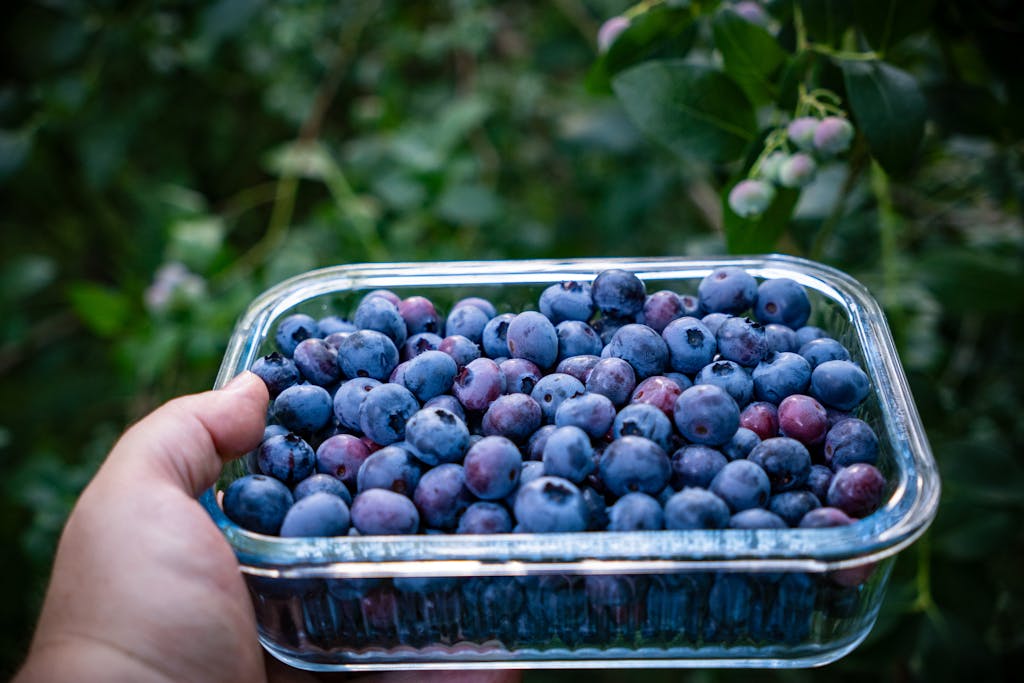
Highbush blueberries are beautiful enough to grow even before you think about the fruit. They bring spring flowers, summer berries, and attractive fall color, which makes them useful for both food and landscaping. That double benefit is why many homeowners love them. They do not just feed you; they make the yard look better.
The main thing blueberries demand is acidic soil. This is where some beginners fail, because they treat blueberries like any other shrub and then wonder why the plant looks unhappy. If your soil is not acidic enough, the plant may struggle to absorb nutrients, even when you water it and care for it. A soil test before planting can save you months of confusion.
Once the soil is right, blueberries are not difficult. Give them full sun, steady moisture, and mulch around the roots. Pine bark, pine needles, or other acidic mulches can help maintain the kind of environment they prefer. Planting more than one compatible variety can also improve fruiting. With patience, highbush blueberries can become a long-term backyard investment instead of a one-season experiment.
American Beautyberry or Winterberry
American beautyberry and winterberry are perfect for gardeners who want berries but also care about visual impact. These shrubs are often grown for their striking clusters of colorful berries, which can make a yard look alive when other plants begin to fade. They may not fit the same snack-bowl role as raspberries or blueberries, but they bring a different kind of value to the garden.
These plants are also useful because they are often more tolerant of varying growing conditions. Many native shrubs are naturally adapted to local weather patterns, soil changes, and seasonal stress. That makes them less needy than some ornamental plants that look good for one month and then sulk for the rest of the year.
Beautyberry can add bright purple clusters, while winterberry can bring bold red berries that stand out in cooler months. They work well in borders, naturalized areas, and wildlife-friendly gardens. Before planting, check which variety suits your region and whether you need male and female plants for berry production, especially with winterberry. A little planning up front can prevent disappointment later.
Strawberries
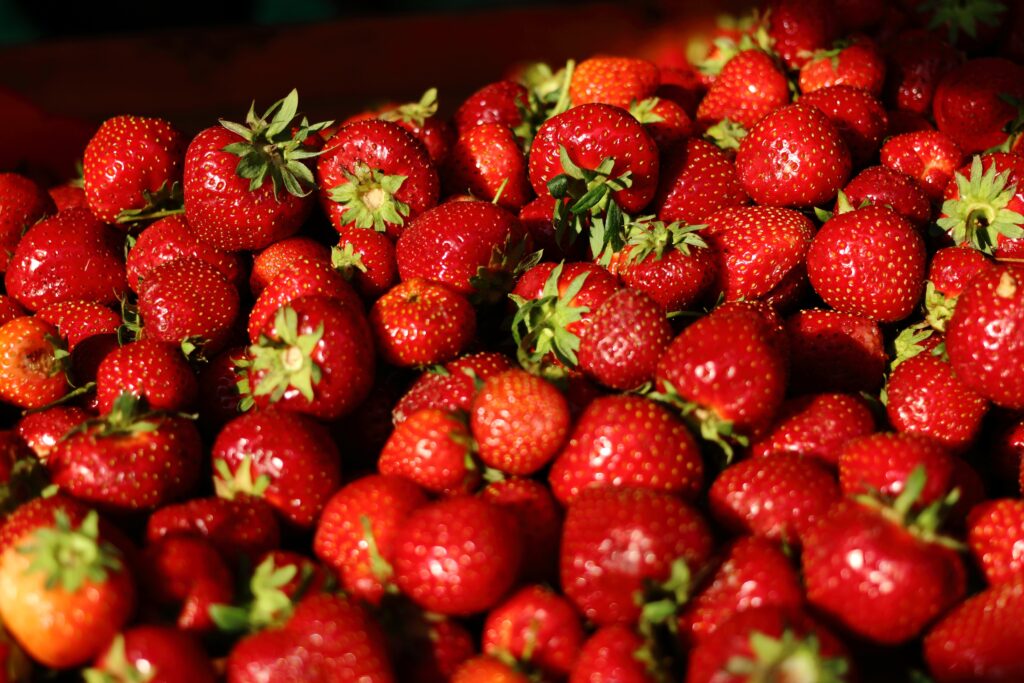
Strawberries are not technically berry bushes, but leaving them out would feel wrong because they are one of the easiest fruiting plants for beginners. They are compact, productive, and happy in garden beds, raised beds, hanging baskets, and containers. That makes them ideal for people with small yards, patios, or limited gardening space.
The biggest reason strawberries deserve a spot on this list is their fast reward. Many fruit plants ask you to wait years before they become exciting. Strawberries can give you a much quicker sense of progress, especially if you choose strong plants and the right variety for your climate. Day-neutral types can produce over a longer window, which is great if you want steady picking rather than a single short harvest.
Strawberries need sun, well-drained soil, and protection from weeds. They also appreciate mulch because it keeps berries cleaner and helps reduce soil splash-induced rot. If runners spread too much, trim or guide them so the planting does not become messy. With a little care, strawberries can turn even a small space into a sweet, productive patch.
Conclusion
Growing berries at home is one of the easiest ways to make your yard feel less wasteful and more rewarding. Thornless blackberries, everbearing raspberries, highbush blueberries, beautyberry or winterberry, and strawberries all offer a beginner-friendly path into fruit gardening. Each one brings something different, from edible harvests to colorful seasonal beauty.
The real mistake is waiting until another growing season passes with nothing to show for it. Choose the right plant for your space, give it sunlight, water, mulch, and room to grow, and let the garden start working for you. A few smart berry plants can turn an ordinary backyard into a place that finally gives something back.