Food has a way of looking harmless when it lands on a plate. A fruit looks juicy, a spice smells cozy, a bowl of beans feels ordinary, and a piece of cheese seems like the least dramatic thing in the kitchen. Then you learn what is hiding behind the flavor, and suddenly dinner feels like it has a secret file.
Some foods are strange because of how they smell. Others are dangerous when prepared badly. A few carry old cultural stories that sound almost impossible until science explains them. These ten foods prove that what we eat can be delicious, historic, risky, and deeply weird all at once.
Durian Can Get You Banned From Public Spaces
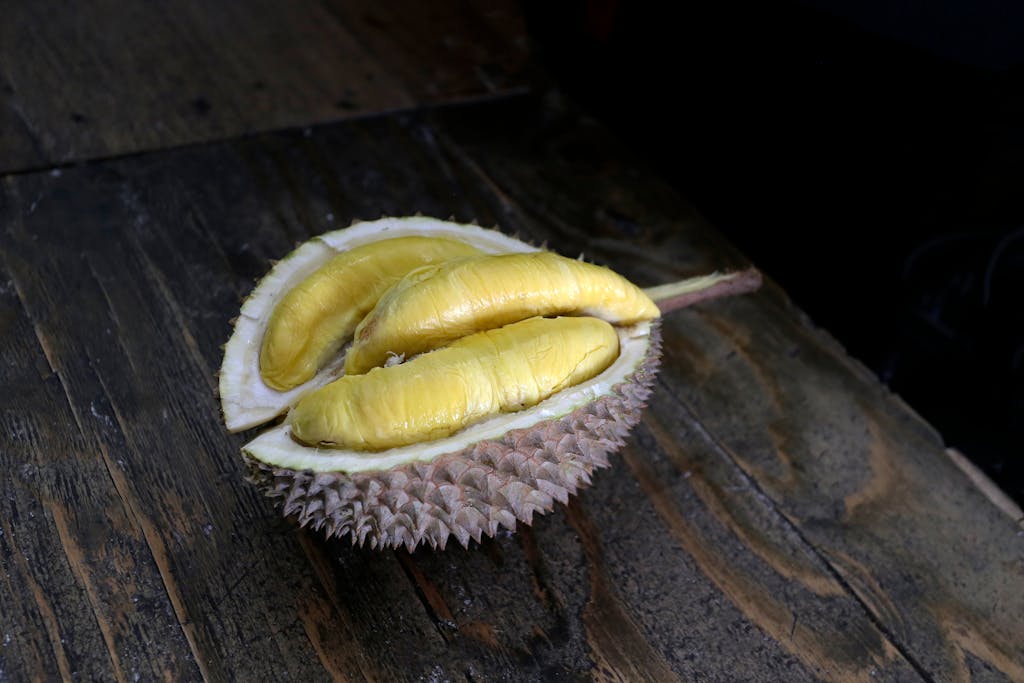
Durian is not a fruit that politely enters a room. It announces itself like a scandal. Native to Southeast Asia, durian is famous for its thorny shell, creamy flesh, and smell so powerful that some hotels and public transport systems restrict it because the odor can linger.
The smell is not just one simple stink. Listverse notes that scientists linked durian’s unforgettable odor to a mix of many chemical compounds, including some that were previously unknown to science. The fruit also carries a more serious warning, as research suggests that durian may interfere with an enzyme involved in alcohol breakdown. That makes the old folklore about avoiding durian with alcohol feel less like superstition and more like advice worth respecting.
Lima Beans Should Never Be Eaten Raw

Lima beans sound gentle, almost cozy. They show up in soups, stews, and family dinners without much drama. But raw or wild lima beans can contain linamarin, a natural compound that can release hydrogen cyanide when the plant tissue is damaged or digested.
That does not mean cooked lima beans are something to fear. It means preparation matters. Commercial beans are regulated, and thorough cooking helps remove the risk. The simple rule is clear: do not eat lima beans raw, especially dried beans that have not been properly prepared. A humble bean can be perfectly safe on the plate, but reckless in the wrong form.
Corn Once Helped Create a Deadly Nutrition Crisis
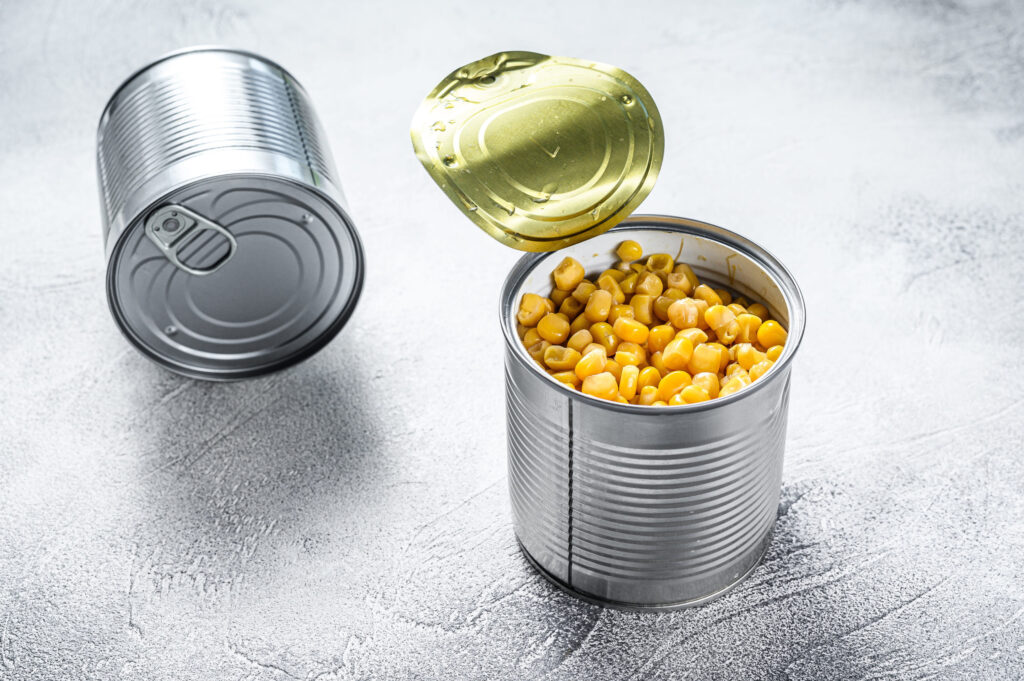
Corn has fed civilizations for thousands of years, but it has one hidden lesson attached to it. Indigenous communities in the Americas developed nixtamalization, a process that treats corn with alkaline materials such as lime or ash, making niacin more bioavailable. When corn spread to other regions without that processing knowledge, people who depended heavily on untreated corn became vulnerable to pellagra.
Pellagra was not a small inconvenience. It caused skin problems, digestive illness, memory issues, and death, especially in poor communities that relied on cornmeal as a major food source. The tragedy was not that corn was bad. The tragedy was that an essential preparation method got separated from the crop itself. Food knowledge can be just as important as food supply.
Some Traditional Cheeses Are Made With Living Mites
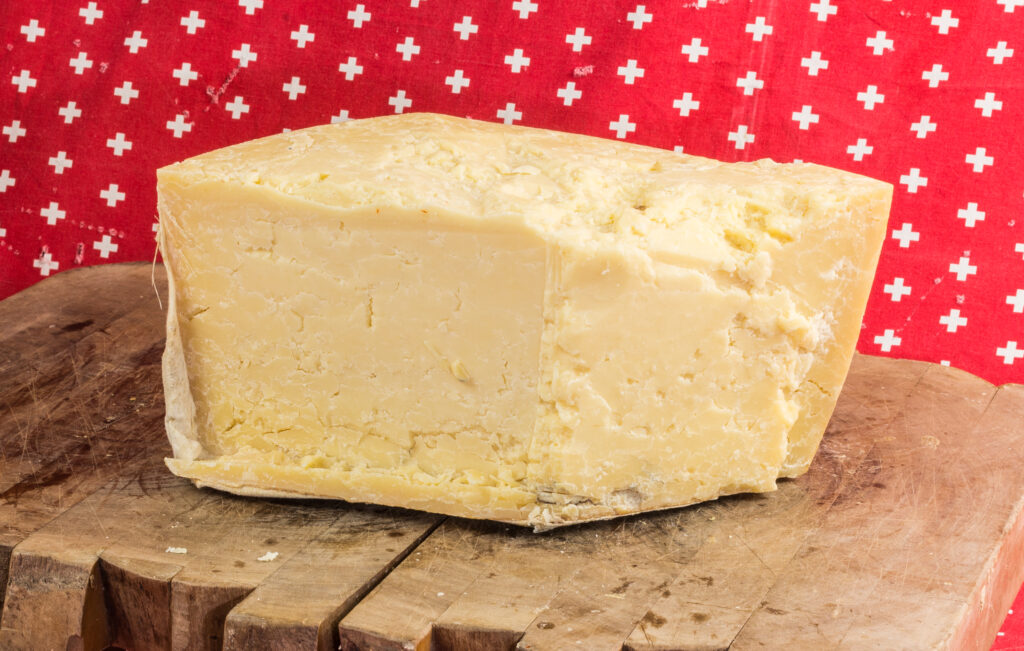
Hubertl, CC BY-SA 4.0, via Wikimedia Commons
Cheese already depends on controlled transformation, so maybe it should not surprise us that some traditional cheeses take that idea further than expected. Mimolette from France and Milbenkäse from Germany are known for involving cheese mites during aging. These tiny creatures help shape the texture and flavor by working on the rind as the cheese matures.
To many people, that sounds like a reason to run from the cheese board. To traditional producers and adventurous eaters, it is part of the charm. These cheeses are not accidental kitchen disasters. They are carefully made foods with long histories, unusual aging methods, and bold flavors that depend on a process most supermarket shoppers never imagine.
Star Fruit Can Be Dangerous for People With Kidney Disease
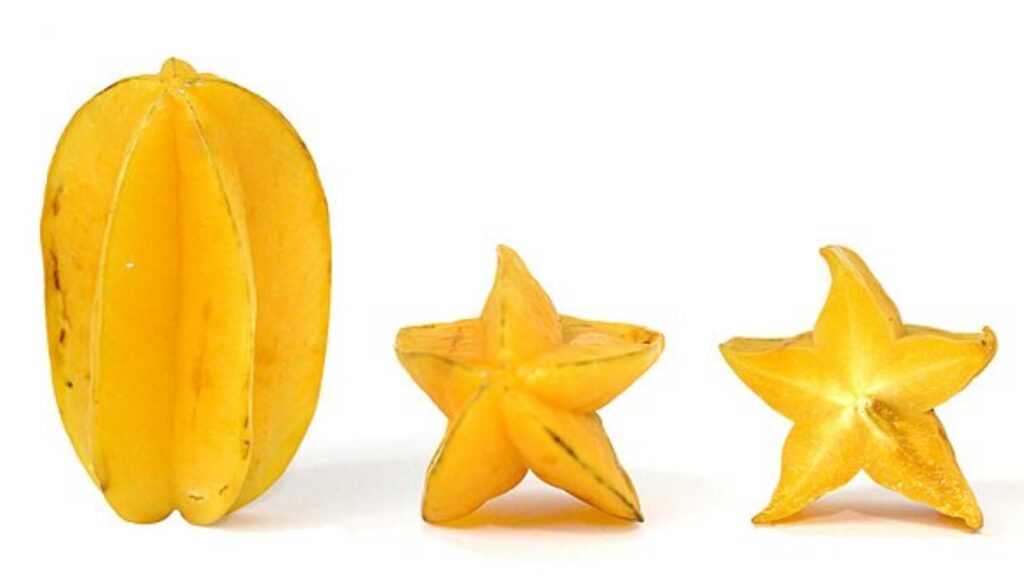
Star fruit looks almost too pretty to be threatening. Slice it crosswise, and it becomes a neat little star, bright enough to decorate a fruit plate. But for people with kidney disease, star fruit can be seriously dangerous. The National Kidney Foundation warns that people with kidney disease should avoid it because it may cause harmful effects such as confusion and seizures.
The problem comes from compounds that healthy kidneys can usually process, but damaged kidneys may not clear properly. Listverse notes that even small amounts may trigger serious symptoms in vulnerable people. For most healthy people, star fruit is simply a tart tropical fruit. For someone with impaired kidney function, it is a risk that should not be treated casually.
Nutmeg Can Become a Hallucinogenic Nightmare
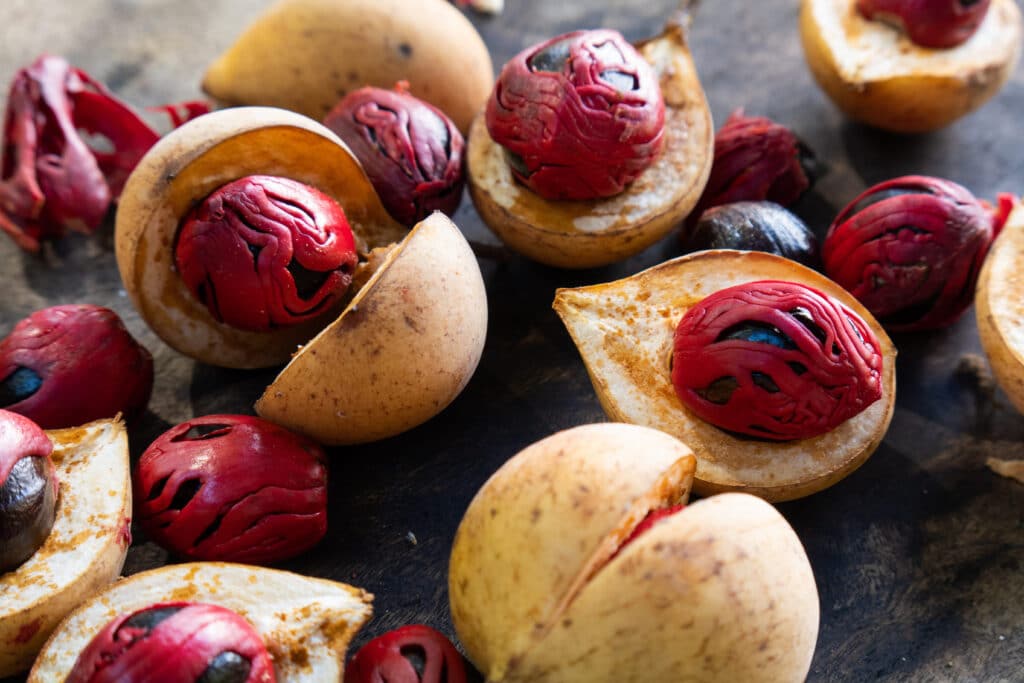
Nutmeg feels harmless because it lives in the warm corner of the spice cabinet. It belongs in pies, eggnog, sauces, and holiday baking. In normal culinary amounts, it adds fragrance and depth. In large amounts, however, nutmeg can affect the brain because it contains myristicin, a compound associated with psychoactive effects at high doses.
That does not make nutmeg a party trick. It makes it a spice people should respect. Listverse notes that heavy consumption can cause symptoms such as hallucinations, paranoia, rapid heart rate, nausea, delirium, and seizures. The lesson is not to fear a sprinkle in dessert. The lesson is to stop treating pantry spices like harmless toys when used recklessly.
Unripe Ackee Can Cause Severe Poisoning

Ackee is beloved in Caribbean cooking, especially in Jamaica, where it is deeply tied to national cuisine. Properly prepared ripe ackee can be delicious, mild, buttery, and comforting. The danger comes from unripe ackee, along with the rind and seeds, which the FDA warns are never safe to eat because they can contain dangerous levels of hypoglycin A.
Unsafe ackee can trigger serious illness, including vomiting with profound low blood sugar, drowsiness, muscular exhaustion, coma, and death in severe cases. That makes ackee a powerful example of how one food can be both treasured and dangerous depending on ripeness and preparation. It is not a fruit for guesswork.
Cassava Can Release Cyanide If Prepared Badly

Cassava is a major staple across tropical regions, providing millions of people in the form of flour, gari, fufu, chips, and boiled roots. It is filling, useful, and culturally important. It also contains cyanogenic compounds that can release hydrogen cyanide if the root is not processed correctly.
The danger is not theoretical. The CDC has documented cyanide poisoning linked to cassava flour with high cyanogenic content, showing why safe processing matters. Peeling, soaking, fermenting, and cooking can sharply reduce the risk, especially with bitter cassava, which needs more careful treatment. Cassava is not the villain. Careless preparation is.
Fugu Can Kill If the Chef Gets It Wrong
Fugu, the Japanese pufferfish delicacy, has one of the most dramatic reputations in food. Prepared correctly, it is a prized dish. Prepared incorrectly, it can expose diners to tetrodotoxin, a powerful neurotoxin that can cause paralysis and death. The FDA has long treated pufferfish products with serious caution due to the risk of tetrodotoxin.
The terrifying part is that cooking does not simply erase the danger. Listverse notes that preparation is tightly regulated in Japan, and only trained, licensed chefs are allowed to handle it in proper settings. Fugu is a rare dish in which culinary skill is not just about taste, beauty, or texture. It can be the line between a luxury meal and a medical emergency.
Rabbit Meat Alone Can Leave You Starving

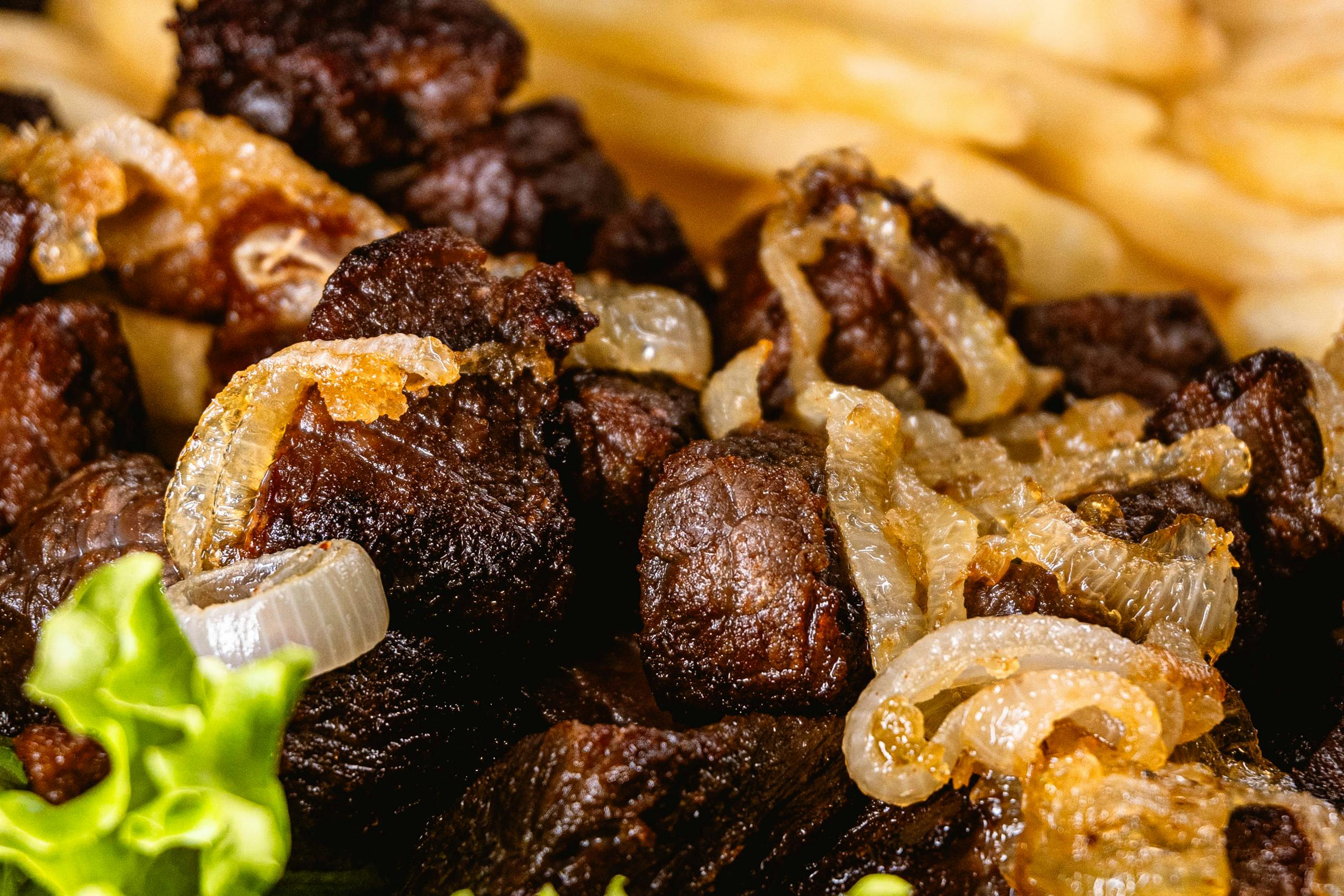
Rabbit meat is famously lean, which sounds like a health bonus until survival becomes the context. If someone eats only very lean meat for a long period, without enough fat or carbohydrates, the body can struggle to get the fuel it needs. This is often called protein poisoning or “rabbit starvation.”
The strange part is that a person can be eating and still become malnourished. Rabbit meat can provide protein, but humans cannot live on protein alone for long. The body also needs fat, carbohydrates, and micronutrients. That makes rabbit meat one of the oddest foods on this list: not poisonous in itself, but potentially dangerous when it becomes the only thing available.
Final Thoughts
The strangest food secrets are not always about bizarre flavors or rare delicacies. Sometimes they are about preparation, lost traditions, hidden compounds, or the quiet chemistry that turns an ordinary ingredient into something risky.
Durian can clear a room. Lima beans and cassava need proper cooking. Corn once exposed a missing piece of food knowledge. Star fruit and ackee can be dangerous for specific people or in the wrong form. Fugu demands expert handling. Even nutmeg and rabbit meat prove that familiar foods can become strange when context changes. Food is never just food. It is history, science, culture, and risk served on a plate.